
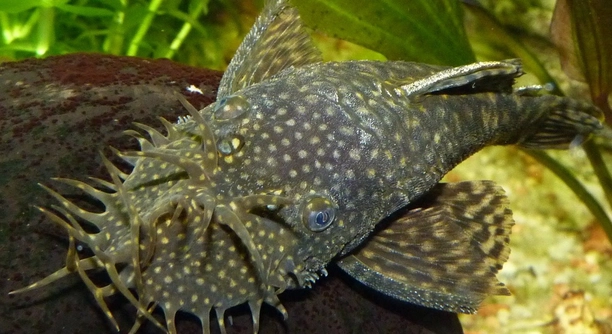
Is your pleco spending most of the day resting in one spot, barely moving? Many owners notice this behavior and feel concerned about their fish’s health and activity levels. It is a common situation in home aquariums.
Plecos often remain still for extended periods due to environmental factors, water quality, or natural behaviors. Low oxygen levels, improper temperature, and insufficient hiding places can contribute to inactivity, while some pleco species are naturally nocturnal or less active during the day.
Understanding why your pleco behaves this way will help you provide better care and ensure it stays healthy in your tank environment.
Common Reasons Plecos Stay Still
Many pleco owners notice their fish resting for long periods. One reason is their natural behavior. Some species are nocturnal, preferring to be active at night and resting during the day. Water temperature also plays a big role. If the water is too cold, their metabolism slows down, making them less active. Poor water quality, such as high ammonia or nitrite levels, can also stress your pleco, causing it to stay still. Lack of hiding places can make plecos feel unsafe, so they often cling to a surface or rest in a corner. Even diet affects activity. If your pleco isn’t eating enough or receiving proper nutrients, it can conserve energy by remaining still. Observing these patterns carefully can help you understand whether this behavior is normal or a sign of an issue, and it allows you to make small changes to improve your pleco’s comfort.
Environmental conditions heavily influence pleco behavior and activity levels. Temperature, water quality, and diet are key factors.
Addressing these factors ensures your pleco stays active and healthy. Regular monitoring, proper diet, and adequate hiding spots can make a noticeable difference. Adjusting water temperature gradually and testing for harmful chemicals will reduce stress. Providing driftwood or rocks creates safe resting areas. Observing nighttime activity helps confirm whether stillness during the day is normal. Even small changes, like feeding on a consistent schedule or removing uneaten food, support better overall health. Over time, plecos respond to improvements by becoming more active and displaying natural behaviors, making them more engaging to watch. Consistency is important; sudden changes in environment or routine can cause stress. By taking these steps, you help your pleco thrive while ensuring the tank environment remains balanced for all aquatic life. Proper care improves longevity and reduces the likelihood of illness, giving you a more enjoyable experience as a pleco owner.
Health Concerns to Watch
Staying still can sometimes indicate illness. Infections, parasites, or internal issues may make a pleco inactive.
If inactivity continues despite good water and diet, a vet check or water test is important.
Not all stillness is harmless. Watch for other signs such as faded colors, clamped fins, labored breathing, or unusual swimming patterns. Illness can develop quickly, and early detection improves treatment success. Quarantining sick fish can prevent the spread of disease in your tank. Maintaining clean water, a proper diet, and a stable environment reduces health risks, but vigilance is still required. Observing your pleco closely over time allows you to distinguish normal resting behavior from potential health problems, ensuring timely action to support its well-being and keep your aquarium thriving.
Adjusting Your Tank Environment
Proper tank conditions directly affect your pleco’s activity. Water temperature, oxygen levels, and clean surfaces help them feel comfortable. Adding hiding spots encourages natural behavior, letting them rest safely without stress.
Plecos need a consistent environment. Sudden changes in temperature or water quality can make them inactive or stressed. Installing a reliable heater and testing water regularly prevents fluctuations. Adequate filtration keeps the water clean, reducing toxins that can slow your pleco down. Including driftwood, rocks, and caves gives them places to hide and rest. Observing their daytime resting spots helps you understand their preferences and adjust tank layout accordingly.
Lighting and tank layout also matter. Bright lights may make plecos retreat to darker areas. Low light or shaded sections mimic natural habitats, allowing them to feel secure. Rearranging decor gradually avoids stress, helping your pleco explore and remain active. Consistency in feeding schedules further encourages normal behavior, as they learn when to come out for food. Over time, these adjustments create a healthier, more comfortable environment where plecos can thrive and show their natural habits.
Feeding and Diet Considerations
A pleco’s diet impacts energy levels and activity. Poor nutrition or infrequent feeding can make them lethargic. Provide balanced meals with algae, vegetables, and protein supplements.
Feeding habits influence behavior more than most owners realize. Plecos require a mix of plant matter, such as zucchini, cucumber, or spinach, and occasional protein sources like shrimp pellets. Underfeeding leads to low energy, while overfeeding can pollute the tank and stress your fish. Feeding in the evening often aligns with their nocturnal tendencies, promoting natural activity cycles. Monitoring how much they consume prevents waste buildup, which affects water quality. Treating diet as part of environmental care supports both health and activity, ensuring plecos remain lively and visible during their usual active hours.
Recognizing Stress in Plecos
Stress affects a pleco’s activity and overall health. Overcrowding, aggressive tank mates, or sudden changes in water conditions can make them hide or stay still.
Signs of stress include clamped fins, rapid breathing, and hiding more than usual. Identifying these signs early allows for quick adjustments.
Tank Maintenance Tips
Regular maintenance keeps your pleco healthy and active. Cleaning debris, checking water parameters, and performing partial water changes prevent harmful buildup and maintain stable conditions. A consistent schedule reduces stress and encourages normal behavior.
Choosing the Right Tank Mates
Plecos do best with compatible tank mates. Aggressive fish can intimidate them, causing inactivity or hiding. Peaceful, slow-moving species are ideal companions.
Observing Behavioral Patterns
Tracking your pleco’s activity helps you understand its habits. Nighttime activity and resting spots reveal preferences and comfort levels in the tank.
FAQ
Why is my pleco staying still all day?
Plecos often stay still due to natural behavior, environmental conditions, or health issues. Many species are nocturnal and prefer to rest during the day. Low water temperatures, poor water quality, or lack of hiding places can also contribute to inactivity. Observing patterns and tank conditions can help determine the cause.
Is it normal for plecos to hide most of the time?
Yes, hiding is a natural behavior for plecos. They feel secure when resting in caves, under driftwood, or near the tank bottom. Providing adequate hiding spots helps them feel safe, reducing stress and encouraging activity during their natural active periods.
How does water temperature affect pleco activity?
Plecos are sensitive to water temperature. If it is too cold, their metabolism slows, leading to lethargy. Maintaining species-specific temperature ranges ensures normal activity. Sudden changes in temperature can also stress plecos, causing them to remain still or hide for extended periods.
Can diet make a pleco inactive?
Yes, diet plays a significant role. Inadequate nutrition or irregular feeding schedules can reduce energy levels. Plecos need a mix of plant matter, vegetables, and protein-based foods. Feeding in alignment with their nocturnal habits encourages natural activity and prevents lethargy caused by hunger or poor nutrition.
How do I know if my pleco is sick or stressed?
Signs include clamped fins, faded colors, rapid breathing, unusual swimming patterns, or staying still for unusually long periods. Stress can also be caused by overcrowding, aggressive tank mates, or sudden environmental changes. Early detection and adjustments to water quality, diet, or tank conditions can prevent further health issues.
Do plecos need hiding spots?
Yes, hiding spots are essential. Driftwood, rocks, and caves give plecos security. They naturally prefer resting in sheltered areas, and without proper hiding places, they may become stressed, which can lead to inactivity, poor appetite, or even illness over time.
Is nighttime activity normal for plecos?
Absolutely. Most pleco species are nocturnal. They are more active at night, searching for food and exploring the tank. Daytime stillness is often normal and should not be immediately interpreted as a sign of illness, as long as water quality and diet are properly maintained.
How often should I clean the tank for a pleco?
Regular cleaning is crucial. Partial water changes once a week and debris removal help maintain water quality. Filtration should be monitored and cleaned as needed. Clean water reduces stress, supports normal activity, and prevents health problems that could cause lethargy.
Can tank mates affect pleco behavior?
Yes, aggressive or fast-moving fish can intimidate plecos, causing them to hide or remain still. Peaceful tank mates that do not compete aggressively for food create a more comfortable environment, encouraging natural behaviors and regular activity patterns.
What should I do if my pleco is still inactive despite good care?
If inactivity persists, check water parameters carefully and review feeding habits. Consider consulting an aquatic veterinarian to rule out illness. Sometimes even well-cared-for plecos show unusual inactivity temporarily, but monitoring closely ensures no underlying problem is missed.
Can lighting influence pleco activity?
Yes, plecos prefer dim or shaded areas. Bright lighting can cause them to hide more and remain still. Adjusting lighting to create shaded zones mimics their natural habitat, allowing them to explore and feed without stress.
How can I encourage my pleco to be more active?
Providing a balanced diet, adequate hiding spots, consistent water conditions, and appropriate tank mates encourages activity. Observing their natural patterns and feeding during their active periods supports energy levels. Gradual environmental adjustments can also promote more exploration and movement.
Is occasional stillness harmful?
No, occasional stillness is normal. Plecos often rest for long periods as part of their natural behavior. Concern arises only if inactivity is combined with signs of stress, illness, or environmental issues, which require attention and intervention.
How long do plecos typically stay inactive during the day?
It varies by species and individual. Some plecos may rest most of the daylight hours, becoming active only at night. Understanding the typical patterns of your species helps distinguish normal behavior from potential health or environmental problems.
Are there specific vegetables or foods that boost activity?
Vegetables like zucchini, cucumber, spinach, and algae wafers provide essential nutrients that support energy. Occasional protein sources like shrimp pellets help maintain vitality. Balanced feeding encourages movement, supports growth, and prevents lethargy caused by nutrient deficiencies.
Can poor water quality cause permanent lethargy?
Consistently poor water quality can lead to chronic stress and illness, which may reduce activity over time. Maintaining proper filtration, performing regular water changes, and monitoring chemical levels prevent long-term health issues and support normal pleco behavior.
Should I adjust feeding times for nocturnal plecos?
Yes, feeding in the evening aligns with their natural activity. Offering food during their active hours ensures proper intake, encourages movement, and reduces leftover food that can negatively affect water quality.
How often should I observe my pleco?
Daily observation is helpful. Tracking resting spots, feeding habits, and activity patterns lets you notice early changes in behavior. Timely adjustments to tank conditions or diet help prevent health problems and maintain a healthy, active pleco.
Can aging affect pleco activity?
Yes, older plecos may naturally slow down. Their metabolism decreases with age, leading to longer periods of stillness. Providing proper care, stable water conditions, and nutrition helps older plecos remain comfortable and healthy even if activity levels are reduced.
What signs indicate I need professional help?
Persistent inactivity combined with loss of appetite, color changes, labored breathing, or abnormal swimming patterns indicates a potential health issue. Consulting an aquatic veterinarian ensures proper diagnosis and treatment, preventing more serious conditions and protecting your pleco’s well-being.
This FAQ section provides guidance for common questions about pleco inactivity, covering environmental, dietary, and health-related factors in detail. Monitoring, proper care, and attention to behavior help ensure a healthy, active fish.
Final Thoughts
Watching your pleco stay still all day can be concerning, but in many cases, it is normal behavior. Plecos are naturally nocturnal, meaning they are most active at night and prefer to rest during daylight hours. Observing them during different times of the day can help you understand their natural patterns. Stillness is often a sign that your fish feels safe and secure in its environment, especially if it has hiding spots like driftwood, rocks, or caves. Ensuring your pleco has these comfortable areas allows it to rest without stress. Additionally, their metabolism naturally slows when water temperatures are slightly cooler or if they are digesting a meal. Recognizing these normal behaviors helps reduce unnecessary worry and allows you to focus on creating an ideal environment for your pleco.
Proper care plays a large role in maintaining your pleco’s activity and overall health. Water quality is crucial, and regular testing for parameters like ammonia, nitrite, nitrate, and pH helps prevent stress-related inactivity. Partial water changes and a clean filter reduce toxins and keep the tank balanced. Temperature stability is also important, as sudden fluctuations can shock your fish and cause it to hide or remain still. Feeding your pleco a balanced diet of vegetables, algae, and occasional protein ensures proper nutrition and energy levels. Following a consistent feeding schedule helps reinforce its natural activity cycle, especially if meals are timed for when the pleco is most active. Tank mates also influence behavior; peaceful species reduce stress and allow the pleco to move freely without intimidation. By paying attention to these factors, you provide a supportive environment that encourages normal behavior and reduces the likelihood of health issues.
Monitoring your pleco’s behavior over time is key to understanding its habits and identifying potential problems. Occasional stillness is usually harmless, but prolonged inactivity accompanied by changes in color, appetite, or swimming patterns may indicate illness or stress. Observing how your pleco interacts with its environment, food, and other fish helps you recognize these warning signs early. Making gradual adjustments to water conditions, lighting, or diet can improve activity without causing unnecessary stress. Remember, each pleco is unique, and small differences in behavior are normal. By maintaining a stable, clean, and comfortable environment and paying close attention to your pleco’s needs, you support its health and well-being, allowing it to thrive in your aquarium. Over time, these careful observations and adjustments will help your pleco remain active, healthy, and content in its habitat.

Hello,
If you enjoy the content that we create, please consider saying a "Thank You!" by leaving a tip.
Every little bit helps us continue crafting quality advice that supports the health, happiness, and well-being of pets around the world, for pets of all shapes, sizes, and species.
We really appreciate the kindness and support that you show us!