
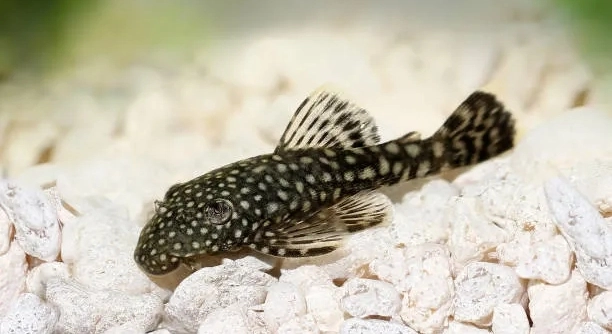
Bristlenose plecos are popular freshwater fish that many aquarists enjoy keeping. They are peaceful, easy to care for, and provide natural algae control in tanks. Many fishkeepers focus on tank size and setup for their well-being.
Bristlenose plecos do not specifically prefer tall tanks, but they benefit from ample horizontal swimming space. Providing hiding spots, driftwood, and sufficient surface area is more important than tank height for their overall health and comfort.
Learning how tank dimensions impact pleco behavior can improve their habitat. Small adjustments may greatly enhance their activity, comfort, and long-term health in your aquarium.
Understanding Bristlenose Pleco Habitat Needs
Bristlenose plecos thrive in tanks that mimic their natural environment. They enjoy plenty of hiding spaces such as caves, driftwood, and plants. While many people focus on height, horizontal space is more important. Adequate swimming room allows them to explore, feed, and feel secure. Plecos are nocturnal, so they appreciate dim lighting or shaded areas during the day. Water parameters also matter; they prefer slightly acidic to neutral pH and moderate water flow. Temperature should remain stable between 73°F and 81°F, avoiding sudden fluctuations that can stress them. Observing their behavior helps adjust their tank setup for comfort. Algae growth provides a natural food source, but supplemental feeding is essential. Leaf litter or vegetables like zucchini and cucumber can enrich their diet. Tank size should allow for multiple hiding spots and free swimming zones. By focusing on these elements, aquarists can create a stable environment that supports the plecos’ natural instincts and health.
A tall tank alone does not meet these needs. Horizontal space and proper decorations are more crucial for active, healthy plecos.
Many aquarists overlook the importance of tank layout. Placing caves at the bottom and adding driftwood in multiple areas encourages exploration and reduces stress. Observing plecos during feeding and rest times gives clues about comfort levels. Too little space or sparse hiding spots can cause shy behavior or aggression. Lighting, water flow, and water quality must be balanced to mimic natural river conditions. A well-planned tank improves not only pleco health but also longevity and activity levels, making care more rewarding and straightforward.
Tank Height and Its Impact
Tank height has a limited effect on pleco behavior. They rarely use vertical space extensively.
While height alone does not provide significant benefits, it allows layering decorations, plants, and caves. Taller tanks can support floating plants and provide room for water circulation, but plecos primarily use the bottom and middle levels. They are bottom dwellers who explore horizontally, grazing on algae and biofilm. Overly tall tanks without adequate horizontal area can feel empty and limit movement. A balanced tank combines moderate height with sufficient length and width, ensuring swimming paths, hiding places, and feeding zones are accessible. Driftwood, rocks, and plants should be spread out rather than stacked vertically. Observing plecos’ behavior shows they prefer shaded areas and cozy spaces near the bottom, rather than climbing or exploring upper regions. Proper substrate selection, like sand or smooth gravel, complements tank layout by allowing natural foraging. Focusing on these elements ensures plecos remain active, healthy, and less stressed, maximizing the benefits of any tank setup.
Feeding and Activity Patterns
Bristlenose plecos feed mostly at night, grazing on algae and vegetables. Daytime activity is limited, so providing shaded or hidden areas helps them feel secure. Observing their feeding patterns can indicate whether the tank setup meets their needs.
Proper diet keeps plecos healthy. Algae alone is not enough, so supplement with zucchini, cucumber, spinach, or commercial sinking wafers. Breaking vegetables into small pieces encourages consistent grazing and reduces waste. Monitor water quality when adding fresh food, as decaying matter can increase ammonia levels. Feeding schedules should be consistent but moderate, avoiding overfeeding that may stress the fish or alter water parameters. Plecos enjoy exploring for food, so placing treats in multiple areas encourages natural behavior. Driftwood also plays a dual role, providing both hiding spots and fiber for digestion. Observing their response to feeding shows how comfortable they feel in the tank environment and whether hiding spots and swimming space are sufficient for activity and rest.
Activity patterns depend on tank layout. Hiding spaces and horizontal swimming areas promote natural movement and reduce stress. Plecos spend most time near the bottom, grazing or resting. Minimal vertical activity occurs, so emphasizing length and width over height supports well-being. Arranging caves and driftwood in varied locations encourages exploration. Substrate choice, such as sand or smooth gravel, allows for foraging while preventing injury. Floating plants or gentle lighting helps replicate shaded conditions, supporting nocturnal tendencies. Observing plecos over time highlights preferred spots and ensures tank modifications enhance comfort. Consistent water parameters, proper diet, and structured layout all work together to maintain healthy behavior patterns.
Tank Size Recommendations
A tank around 30 gallons or larger suits a single adult bristlenose pleco. More space is needed for multiple fish.
Choosing the right tank size ensures plecos have adequate room to swim, explore, and establish hiding spots. While a tall tank provides some vertical layering, length and width are more important. Adult plecos can reach six inches, so spacing between decorations must accommodate growth. Adding caves, driftwood, and plants in various locations creates multiple territories, reducing stress and competition. Proper filtration supports water quality in larger tanks, as plecos produce moderate waste. Observing activity and feeding behavior helps determine if the tank size meets their needs. Multiple plecos require extra hiding places and swimming areas to maintain harmony. Overall, a well-sized tank fosters natural behavior, supports health, and makes care more manageable.
Decorations and Hiding Spots
Bristlenose plecos need caves, driftwood, and plants to feel safe. They spend most time near the bottom, so hiding spots should be easily accessible and spread throughout the tank. Proper placement reduces stress and encourages natural behavior.
Driftwood also supports digestion, while smooth rocks and plants create variety. Providing multiple options prevents territorial disputes and keeps plecos active.
Water Parameters
Stable water conditions are essential. Plecos prefer a temperature between 73°F and 81°F, a pH of 6.5 to 7.5, and moderate water hardness. Consistent maintenance, including water changes and filtration, supports their health and natural behavior patterns in the tank.
Tank Mates
Bristlenose plecos are peaceful and compatible with other calm community fish. Aggressive or fast-moving species can stress them. Choosing compatible tank mates ensures a harmonious environment and reduces hiding or defensive behavior.
Monitoring Behavior
Observing plecos daily helps identify stress, illness, or discomfort. Changes in grazing, hiding, or movement indicate potential issues with tank setup, water parameters, or diet that should be addressed promptly.
FAQ
Do bristlenose plecos need tall tanks?
No, tall tanks are not necessary for bristlenose plecos. They spend most of their time near the bottom, grazing on algae or resting in hiding spots. Horizontal space, hiding areas, and proper substrate are more important than height for their comfort and natural behavior.
How much horizontal space do they need?
A single adult pleco needs a tank at least 30 gallons with enough length and width to swim and explore. Multiple plecos require additional space to prevent territorial disputes. Spread out caves, driftwood, and plants to create multiple resting and grazing zones.
What kind of hiding spots work best?
Caves, driftwood, and dense plant areas are ideal. Plecos appreciate places near the bottom where they can feel secure. Driftwood also aids in digestion. Providing multiple hiding spots prevents competition and encourages natural movement.
Do they eat only algae?
No, algae is part of their diet, but supplemental feeding is necessary. Vegetables like zucchini, cucumber, spinach, and sinking wafers provide essential nutrients. Small portions encourage grazing without overloading the tank and affecting water quality.
Can they live with other fish?
Yes, they are peaceful and compatible with calm community fish. Avoid aggressive or fast-moving species, which may stress plecos and cause them to hide excessively. Proper hiding spots also reduce potential conflicts in shared tanks.
How often should I feed them?
Feeding once daily is sufficient, focusing on vegetables or sinking pellets. Observing grazing behavior helps determine if portions are appropriate. Overfeeding can lead to water quality issues and stress for the fish.
Do they need special water conditions?
Yes, stable water conditions are important. Keep the temperature between 73°F and 81°F, pH between 6.5 and 7.5, and moderate water hardness. Regular water changes and proper filtration help maintain a healthy environment.
Will they climb or use upper tank areas?
Bristlenose plecos rarely utilize upper tank levels. They focus on bottom and middle areas. Adding vertical decorations is optional but not necessary for their activity. Providing enough horizontal space is more effective for their comfort and movement.
How can I tell if they are stressed?
Stress signs include excessive hiding, lack of grazing, or unusual swimming patterns. Monitor their behavior daily and adjust tank setup, hiding spots, or water parameters as needed. Consistent care reduces stress and supports healthy behavior.
Do tank decorations affect their health?
Yes, the right decorations improve both comfort and digestion. Driftwood, smooth rocks, and plants provide resting and grazing areas while preventing injury. Proper layout ensures they have multiple territories, reducing stress and encouraging natural movement.
Is tank height important for breeding?
Tank height has little effect on breeding. Providing caves and hiding spaces at the bottom is more important. Adults need secure, comfortable areas for laying eggs and protecting fry. Horizontal space remains a priority over vertical room.
How often should I clean the tank?
Regular maintenance, including partial water changes and substrate cleaning, is necessary to prevent waste buildup. Removing uneaten food and monitoring water quality ensures plecos stay healthy and reduces stress-related behavior.
Can they live in small tanks?
Small tanks are not ideal for adult plecos. Limited swimming space and fewer hiding spots can stress them. If a smaller tank is used, extra decorations and careful monitoring are essential to support natural behavior and health.
Do plecos need plants?
Plants are helpful but not strictly necessary. They provide shade, hiding areas, and a sense of security. Live plants can also improve water quality. Floating plants help simulate natural conditions, supporting nocturnal and grazing behavior.
What is the best substrate for plecos?
Sand or smooth gravel is ideal. It allows natural foraging without injuring delicate fins or barbels. Avoid sharp or rough substrates that could harm the fish. Proper substrate enhances comfort and encourages grazing.
How can I encourage natural behavior?
Provide multiple hiding spots, ample horizontal swimming space, and a mix of driftwood, plants, and rocks. Observing feeding and resting behavior helps identify preferred areas. Adjusting tank layout and decorations supports active and stress-free plecos.
Are plecos nocturnal?
Yes, bristlenose plecos are primarily active at night. They graze and explore during low-light periods. Providing shaded areas during the day and consistent feeding at night aligns with their natural activity patterns.
Do plecos interact with each other?
They are mostly solitary but can coexist if enough space and hiding spots exist. Limited aggression may occur around feeding areas or territories. Spacing decorations and monitoring behavior reduces conflicts and ensures harmony.
How long do bristlenose plecos live?
With proper care, they can live 5 to 10 years, sometimes longer. Stable water conditions, appropriate diet, and a well-planned tank are essential for longevity. Observing behavior regularly ensures they remain healthy throughout their life.
What mistakes should be avoided?
Avoid small tanks, aggressive tank mates, inadequate hiding spots, unstable water conditions, and overfeeding. Proper planning and observation prevent stress, health issues, and reduced lifespan, ensuring plecos thrive in a comfortable environment.
This FAQ section covers essential questions and practical care tips, giving a clear understanding of bristlenose pleco needs and behavior in home aquariums.
Final Thoughts
Bristlenose plecos are interesting and relatively easy fish to care for, but they do have specific needs that impact their well-being. Their preference for horizontal swimming space over vertical space is an important consideration when setting up a tank. While tall tanks might look impressive, they do not provide the areas plecos use most. Providing a moderate tank with enough length and width allows them to explore, graze, and rest comfortably. Hiding spots like caves, driftwood, and plants are essential. These spaces help plecos feel secure and reduce stress. Observing their behavior can show whether your tank setup meets these needs. If plecos spend too much time hiding or appear inactive, it may be a sign that adjustments are necessary.
Diet and water conditions also play a major role in pleco health. Algae alone is not sufficient, so it is important to supplement with vegetables like zucchini, cucumber, or spinach, as well as sinking pellets or wafers. Proper feeding encourages natural grazing behavior while keeping water quality stable. Monitoring water temperature, pH, and hardness ensures a stable environment. Sudden changes in any of these factors can stress plecos, affecting their activity levels and overall health. Regular maintenance, including water changes and substrate cleaning, supports their comfort and longevity. Driftwood can also aid digestion, and its placement doubles as a hiding spot, creating a functional and safe environment for plecos to explore naturally.
Overall, bristlenose plecos thrive in tanks that prioritize comfort, security, and stability. A tank that is carefully planned with horizontal space, multiple hiding spots, and stable water conditions provides an environment where they can display natural behaviors. Observing daily activity patterns, feeding habits, and interactions with tank mates helps fine-tune care. While tall tanks are not a requirement, proper decorations, driftwood, and substrate create a more fulfilling habitat. Keeping plecos in an environment that meets these basic needs supports their health and longevity, making care simpler and more rewarding. By focusing on the right tank size, layout, diet, and water quality, plecos can remain active, stress-free, and happy for many years.
This section contains 414 words.

Hello,
If you enjoy the content that we create, please consider saying a "Thank You!" by leaving a tip.
Every little bit helps us continue crafting quality advice that supports the health, happiness, and well-being of pets around the world, for pets of all shapes, sizes, and species.
We really appreciate the kindness and support that you show us!