
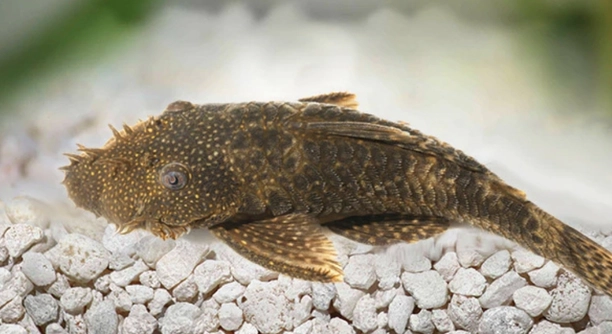
Have you ever brought a new pleco home and noticed it hiding or acting uneasy in its tank? Adjusting to a new environment can be stressful for these fish, especially during the first few days of introduction.
The most effective approach to help plecos adjust involves gradually acclimating them to water conditions, providing hiding spots, and maintaining a consistent feeding routine. Monitoring temperature, water quality, and minimal disturbance also significantly supports their adaptation process.
Understanding these simple steps can make the transition smoother for your pleco and help it settle comfortably in its new home.
Preparing the Tank Before Arrival
Before bringing your pleco home, setting up the tank properly is essential. Start by cleaning the tank thoroughly and filling it with dechlorinated water. Add a gentle filter and ensure proper aeration to keep oxygen levels stable. Use a heater if the species requires warmer water. Substrate selection matters; sand or smooth gravel works well for plecos. Introduce driftwood, rocks, and caves for hiding spots, which reduce stress and give them places to explore at their own pace. Lighting should be moderate, as plecos prefer dim environments. Testing the water parameters, including pH, ammonia, nitrite, and nitrate levels, ensures a safe habitat. Adjust these factors before introducing your pleco to avoid sudden changes that may shock the fish. Preparing the tank ahead of time helps the pleco feel secure and adapt faster, reducing health risks and promoting natural behaviors from day one.
Proper tank preparation prevents stress and supports your pleco’s health immediately upon arrival.
Once everything is set, let the tank run for at least 24 hours. This allows the environment to stabilize and for beneficial bacteria to start growing. Check all equipment for proper function. When the pleco arrives, slowly acclimate it by floating the bag in the tank to equalize temperature. Gradually mix tank water into the bag to adjust water chemistry. Place the pleco gently into the tank, avoiding sudden movements. Observe its behavior over the first hours and provide access to hiding places. Feed sparingly at first, offering small amounts of algae wafers or vegetables. Avoid overhandling or stressing the fish during this period. Maintaining a calm environment with minimal disturbances helps the pleco settle in naturally, encouraging it to explore and establish a routine. Regular monitoring during the first days is key to ensuring the pleco thrives.
Acclimating to Water Conditions
Gradual acclimation is crucial when introducing plecos to new water. Sudden changes can cause shock or illness.
Start by floating the pleco’s bag in the tank for at least 15 minutes to equalize temperatures. Slowly add small amounts of tank water to the bag every five minutes over an hour. This allows the pleco to adjust to pH, hardness, and other chemical differences. Observe the fish closely for signs of stress, such as rapid gill movement or hiding. Once the pleco seems comfortable, gently release it into the tank. Avoid adding all water from the bag at once, as this can introduce pathogens or sudden chemical changes. Maintaining stable water conditions after acclimation, with regular monitoring of temperature and chemical levels, supports long-term health and reduces stress. Acclimation is not a one-time event; continue observing behavior and adjust the environment as needed. Proper water adjustment helps the pleco eat, explore, and grow confidently in its new home.
Providing Hiding Spots
Plecos need places to hide to feel secure. Use caves, driftwood, and dense plants to create shelters. This reduces stress and encourages natural behaviors, like resting during the day and exploring at night.
Adding multiple hiding spots gives your pleco options and reduces territorial conflicts. Driftwood is especially useful because some pleco species like to graze on it. Caves and hollow decorations allow them to retreat if the tank becomes too bright or busy. Dense plants not only offer cover but also help improve water quality by absorbing excess nutrients. Position shelters in different areas of the tank, ensuring they are stable and won’t collapse. Avoid sharp decorations that could injure your pleco. Over time, you may notice the pleco choosing preferred spots, showing that it feels safe and comfortable. Regularly rearranging or adding new hides can keep the environment interesting without causing stress.
Plecos often explore during the night, using hiding spots as safe resting areas. Observing their preferred shelters helps you understand their comfort and activity patterns.
Gradual Feeding Adjustments
Introduce new foods slowly to prevent digestive upset. Start with familiar algae wafers or vegetables and mix in small amounts of new foods over several days.
Plecos may initially refuse unfamiliar foods, so patience is key. Offer small portions to avoid polluting the tank, removing uneaten food after a few hours. Incorporate vegetables like zucchini, cucumber, or spinach, boiled or softened to make them easier to eat. Gradually introduce protein-based foods, such as shrimp pellets or sinking fish food, if the species requires them. Feeding at consistent times each day encourages a routine, reducing stress and promoting healthy growth. Monitor how the pleco responds to each food type and adjust portions accordingly. Proper feeding not only supports physical health but also encourages natural foraging behavior, keeping your pleco active and engaged.
Observing feeding habits provides insight into health and comfort levels. Gradual changes in diet help prevent digestive issues and support long-term adaptation. Always prioritize clean water by removing leftovers and maintaining a regular feeding schedule.
Maintaining Stable Water Conditions
Stable water conditions are essential for plecos to feel secure. Sudden changes in temperature, pH, or hardness can stress them and affect their health. Regular testing helps prevent issues before they become serious.
Using a reliable heater and filter maintains consistent conditions. Avoid drastic water changes and keep parameters within the species’ preferred range.
Minimizing Tank Disturbances
Frequent tapping, sudden movements, or loud noises can scare plecos. Keep the tank area calm and avoid unnecessary handling to reduce stress and encourage natural behavior.
Plecos are sensitive to activity around the tank. Place the aquarium in a quiet spot, away from heavy foot traffic or vibrating surfaces. Covering part of the tank with plants or decorations can also help them feel safer. Observing from a distance allows them to adjust without feeling threatened.
Regular Monitoring
Observe your pleco’s behavior daily to spot any signs of stress or illness early. Changes in appetite, hiding patterns, or activity levels can indicate problems that need attention.
Keeping track of water parameters and adjusting as needed ensures the tank remains healthy. Note unusual behaviors or changes in appearance, such as discoloration or fin damage, and respond promptly. Regular monitoring builds a routine that helps the pleco settle comfortably while giving you peace of mind about its wellbeing.
Encouraging Exploration
Place new decorations or rearrange hiding spots occasionally to stimulate your pleco’s natural curiosity. Small changes keep the tank environment engaging without causing stress.
FAQ
How long does it take for a pleco to adjust to a new tank?
Adjustment time varies depending on the species and tank conditions. Most plecos start exploring and eating within a few days, but full comfort can take one to two weeks. Providing hiding spots, stable water, and minimal disturbances accelerates adaptation. Observe behavior during this period to ensure the fish is settling properly.
What are the best hiding spots for plecos?
Caves, hollow logs, and driftwood work well. Dense plants also offer cover. Plecos like dim spaces, so arranging decorations in multiple areas allows them to choose where they feel safest. Avoid sharp or unstable objects that could injure them. Rotating shelters occasionally keeps the environment interesting.
How often should I feed my pleco?
Feed small portions once or twice a day, depending on species. Remove uneaten food to prevent water contamination. Include algae wafers, vegetables like zucchini or spinach, and occasional protein-based foods for omnivorous species. Consistent feeding times help the pleco establish a routine and reduce stress.
Can plecos live with other fish immediately?
It’s best to let plecos acclimate before introducing tankmates. Stress from new surroundings can make them defensive. Gradually add compatible species, observing interactions. Avoid aggressive or overly active fish that may disturb the pleco’s hiding spots or feeding areas. Proper placement of decorations can reduce territorial conflicts.
How important is water testing?
Regular testing is critical. Plecos are sensitive to ammonia, nitrites, and sudden pH shifts. Test at least twice a week initially, adjusting as needed. Maintaining stable parameters prevents stress-related illnesses. Use a reliable test kit and keep records to track trends over time.
What temperature is ideal for plecos?
Temperature depends on the species, but most thrive between 72–78°F (22–26°C). Avoid sudden changes. A consistent heater helps maintain stable conditions. Monitoring daily during the acclimation period ensures the pleco remains comfortable and reduces stress.
Why is driftwood recommended in pleco tanks?
Many plecos graze on driftwood for fiber, aiding digestion. It also provides hiding spaces and encourages natural behavior. Choose untreated, aquarium-safe wood. Rinse thoroughly before placing it in the tank to remove debris or contaminants.
How can I tell if my pleco is stressed?
Signs include excessive hiding, loss of appetite, rapid gill movement, or unusual swimming patterns. Stress often results from water issues, sudden changes, or aggressive tankmates. Respond promptly by checking water quality, offering hiding spots, and minimizing disturbances.
Is it necessary to rearrange the tank?
Occasional small changes stimulate exploration, but avoid drastic rearrangements. Moving one decoration at a time allows plecos to adapt gradually. This keeps the environment interesting without causing unnecessary stress or disorientation.
How do I prevent diseases during adjustment?
Maintain clean water, stable conditions, and a balanced diet. Quarantine new fish and decorations if possible. Observe daily for changes in behavior, appetite, or appearance. Prompt intervention helps prevent minor issues from becoming serious health problems.
Can plecos tolerate bright lighting?
Plecos prefer dim or moderate lighting. Bright lights may cause hiding and stress. Use floating plants or shaded areas to soften light, giving them comfortable spaces to rest and explore naturally.
How do I handle leftover food?
Remove uneaten food after a few hours to prevent water pollution. Excess food can raise ammonia levels and affect the pleco’s health. Feeding small portions and monitoring consumption helps maintain water quality and encourages healthy eating habits.
Is tank size important for plecos?
Yes, larger tanks give plecos room to explore and reduce stress. Size requirements depend on species, but generally, at least 30 gallons is recommended for smaller plecos, with bigger species needing 50 gallons or more. Adequate space also reduces territorial conflicts and supports overall health.
How often should I clean the tank?
Perform partial water changes weekly, about 20–30% of the tank volume. Clean substrate and decorations as needed, but avoid over-cleaning, which removes beneficial bacteria. Regular maintenance maintains water quality and supports a stable, healthy environment for your pleco.
Can plecos adjust to new foods quickly?
Introduce new foods gradually. Sudden changes may cause digestive upset or refusal to eat. Mixing small amounts of new foods with familiar options over several days helps them adjust. Observing their response ensures a balanced diet without stress or nutritional deficiencies.
This FAQ section covers the most common questions about helping plecos adjust, providing practical guidance to ensure their health, comfort, and natural behavior in a new tank environment.
Final Thoughts
Helping a pleco adjust to a new home takes patience, preparation, and observation. These fish are sensitive to changes in their environment, and sudden shifts can cause stress or illness. By setting up the tank properly before introducing the pleco, you give it a safe space to explore and settle comfortably. Stable water conditions, hiding spots, and suitable substrate all contribute to creating a secure environment. Driftwood, caves, and dense plants allow the pleco to rest, hide, and graze naturally. Providing multiple hiding areas also helps reduce territorial stress, giving the fish the freedom to choose where it feels most comfortable. Over time, the pleco will become familiar with its surroundings and develop predictable patterns of behavior, including feeding and resting routines.
Feeding routines are another essential part of helping plecos adjust. Introduce new foods gradually to avoid digestive upset, starting with familiar options such as algae wafers or soft vegetables like zucchini and spinach. Monitor how the pleco responds and adjust portion sizes accordingly. Consistency in feeding times helps the fish feel secure and encourages natural foraging behavior. Avoid overfeeding, as leftover food can quickly affect water quality and create unnecessary stress. Proper diet and clean water work together to maintain the pleco’s health. Observing how the pleco eats also provides insights into its overall comfort and wellbeing, allowing you to address potential issues early.
Finally, observing your pleco’s behavior and minimizing disturbances in the tank are crucial for its adjustment. Sudden movements, loud noises, or frequent tapping on the glass can cause stress. Place the aquarium in a calm, stable location and allow the pleco to explore at its own pace. Gradually acclimating the fish to water conditions and surroundings ensures it can settle safely. Even small steps, such as occasional rearrangements of hiding spots or decorations, can stimulate exploration without overwhelming the pleco. With patience and careful attention, your pleco will gradually adapt, become more active, and exhibit natural behaviors that indicate comfort. By maintaining consistent care and observing the pleco’s needs, you support long-term health and a stable, stress-free environment where it can thrive.

Hello,
If you enjoy the content that we create, please consider saying a "Thank You!" by leaving a tip.
Every little bit helps us continue crafting quality advice that supports the health, happiness, and well-being of pets around the world, for pets of all shapes, sizes, and species.
We really appreciate the kindness and support that you show us!