
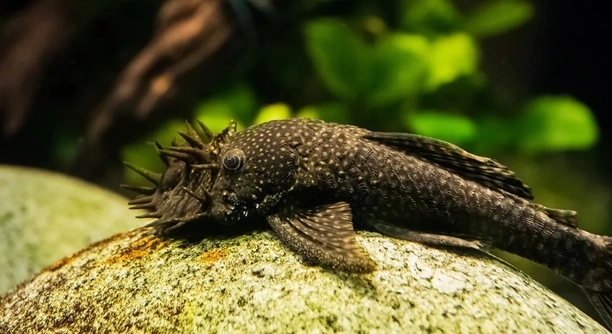
Many pleco owners enjoy keeping these fish, but breeding them can seem confusing. There is a lot of advice online, yet much of it is misleading or based on myths rather than facts about proper care.
Pleco breeding myths often lead to unnecessary stress and ineffective practices. Understanding accurate reproductive behaviors, environmental needs, and feeding requirements is essential to supporting healthy breeding and avoiding misconceptions that hinder successful fish management.
Recognizing common myths will make caring for your plecos easier and more rewarding while giving you the knowledge to breed them responsibly.
Myth 1: Plecos Only Breed in Large Tanks
Many people think plecos need massive tanks to breed. While a bigger tank can provide more space, it isn’t the key factor. Plecos are more concerned with the environment’s stability, hiding spaces, and water quality. Even in a moderately sized tank, breeding can occur if the conditions feel safe. Providing caves or tubes gives males a place to guard eggs, which encourages spawning. Temperature consistency and clean water are more influential than tank size. Food also plays a role, as a protein-rich diet helps condition plecos for reproduction. Many aquarists see success with tanks under 50 gallons when the fish are comfortable and stress-free. Overcrowding can be an issue, but a properly structured smaller tank often works better than a large, empty one. Observing your plecos’ behavior will tell you when they are ready, not the tank dimensions.
Breeding success depends more on hiding spots, water quality, and diet than sheer tank size.
Creating a stable environment with caves, proper filtration, and consistent temperature encourages breeding. Feeding a high-protein diet helps males and females prepare, while observing behavior ensures timely spawning. Even smaller tanks can work if stress is minimized and conditions are stable.
Myth 2: All Plecos Are Easy to Breed
Not every pleco species is simple to breed at home. Some types, like the common pleco, are easier, while others have very specific needs. Factors like water hardness, temperature fluctuations, and hiding spaces influence reproductive success. Some species are seasonal spawners, needing subtle environmental changes to trigger breeding. Simply keeping them together won’t guarantee eggs. Many hobbyists mistakenly assume all plecos respond to identical conditions, which leads to frustration. Patience and observation are crucial. You may need to mimic natural water cycles or adjust feeding to match their preferences. Some plecos prefer driftwood-rich tanks, while others need caves or smooth rocks to lay eggs. Knowing your species’ habits and requirements increases the likelihood of success. Not all plecos react the same way, so research and care tailored to your specific fish are essential.
Breeding requires understanding your pleco species and providing conditions that match their natural habits.
Success in pleco breeding demands research, observation, and patience. Adjusting water parameters, tank setup, and diet according to species-specific needs makes a significant difference. Not all plecos spawn under the same conditions, so careful preparation is key. Consistency in water quality and the right hiding places encourages natural breeding behaviors.
Myth 3: Plecos Breed Anytime
Plecos don’t spawn randomly. Their breeding is often triggered by water changes, temperature shifts, or seasonal cues. Simply keeping them in a tank doesn’t guarantee eggs will appear. Understanding these triggers is crucial for success.
Environmental cues like temperature fluctuations and water changes mimic natural seasonal signals, encouraging plecos to spawn. Sudden drops in temperature or slight increases in flow can simulate rainy seasons, which some species need to initiate breeding. Providing hiding spots and caves complements these cues, giving males confidence to guard eggs. Regular feeding with protein-rich foods supports their readiness. Observing behavior, such as increased territoriality or courtship displays, helps determine when spawning might occur.
Not all plecos respond to the same triggers. Some require more specific water parameters, while others are more flexible. Consistency in care paired with subtle environmental changes creates conditions that encourage natural reproduction. Feeding, hiding spots, and observing interactions are key factors in timing successful breeding.
Myth 4: You Can Breed Plecos Without Hiding Spots
Hiding spaces are not optional for breeding. Males need secure spots to protect eggs, and females need confidence to deposit them safely. A bare tank rarely produces successful spawning.
Providing caves, tubes, or hollow logs is essential. Males will guard these spots aggressively, and females will use them to lay eggs. The more secure the hiding area, the more likely eggs are protected until hatching. Without hiding spots, stress rises, and breeding behavior decreases. Even a small tank can be effective if it includes adequate shelters and the environment is stable.
Different species prefer different types of shelters. Some like smooth caves, others driftwood, or tight crevices. Observing your pleco’s preferences helps select the best setup. Placing hiding spots strategically encourages natural courtship behaviors and reduces stress. Clean, secure areas also prevent eggs from being eaten, improving survival rates. Creating these spaces is simple but vital, making breeding far more successful than just relying on tank size or water quality alone.
Myth 5: Only Adults Can Breed
Plecos reach breeding maturity at different ages. Some smaller species can spawn earlier than expected. Size alone is not the only factor in readiness.
Maturity is determined by age, health, and diet. Even if a pleco looks fully grown, it may not be ready without proper conditioning and environmental cues.
Myth 6: Breeding Requires Special Water Chemistry
Plecos are adaptable but do have preferences. Extreme changes in pH or hardness are unnecessary for most common species. Replicating general natural conditions is usually sufficient.
Water quality is important, but obsessing over precise chemistry can add stress. Stability, cleanliness, and minor seasonal changes encourage spawning more effectively than extreme adjustments. Regular water changes and monitoring temperature help maintain a safe and supportive environment for breeding plecos. Consistency is more important than perfection.
Myth 7: Feeding More Leads to Faster Breeding
Overfeeding does not guarantee spawning. It can cause poor water quality and stress, which actually hinders reproduction.
Balanced, protein-rich feeding supports conditioning, but excessive amounts are harmful. Proper diet and clean water are far more important than simply increasing food.
FAQ
How do I know when my pleco is ready to breed?
Plecos show several signs when ready to breed. Males become territorial and may guard caves or hiding spots. Females often appear rounder due to eggs. Both may eat more and become more active during feeding. Observing these behaviors helps you prepare the tank for spawning.
What type of hiding spots are best for pleco breeding?
Caves, PVC tubes, and hollow logs work well. Different species have preferences, so offering a few options is helpful. Secure, dark spaces give males confidence to guard eggs and encourage females to lay them safely. Stability and proper placement improve success.
How often should I change the water to encourage spawning?
Moderate water changes can simulate seasonal rain and trigger breeding. About 25-30% changes weekly are common. Avoid drastic shifts, as sudden changes stress the fish. Maintaining stable temperature and water chemistry alongside small changes works best.
Do plecos need special lighting to breed?
No special lighting is required. A regular day-night cycle is enough. Plecos respond more to water conditions, hiding spaces, and feeding routines than light intensity. Consistency in their environment encourages natural breeding behavior.
How important is diet for breeding plecos?
Diet is crucial. High-protein foods like shrimp, bloodworms, and specialized pellets help condition males and females. Overfeeding is harmful, but proper nutrition encourages spawning readiness. Regular feeding combined with clean water supports overall health and increases chances of successful reproduction.
Can plecos breed in small tanks?
Yes, size matters less than environment. Hiding spots, stable water parameters, and proper feeding are more important than tank volume. Even tanks under 50 gallons can produce eggs if conditions feel safe and stress is minimized.
How do I care for eggs after spawning?
Males usually guard eggs, fanning them with fins to provide oxygen. If the male is removed, gently keep the eggs in clean water with mild aeration. Avoid touching them, and maintain stable conditions until they hatch in a week or two.
What should I do if eggs aren’t hatching?
Check water quality first. Poor water conditions can kill eggs. Ensure temperature and oxygen levels are stable. Some species have eggs that take longer to hatch, so patience is important. Remove any fungus if noticed, using a safe antifungal treatment if necessary.
Can multiple plecos breed in the same tank?
Yes, but overcrowding can cause stress and aggression. Provide multiple hiding spots and enough space for each male to establish territory. Too many fish competing for the same cave can reduce spawning success. Observing interactions helps maintain a peaceful environment.
Is it safe to keep fry with adults?
Not always. Some adults, particularly males, may eat fry. It’s safer to move eggs or fry to a separate rearing tank after hatching. Provide gentle filtration, small hiding spots, and appropriate micro-food to support fry growth.
How long does it take for plecos to breed after preparation?
It varies by species and conditions. Some may spawn within a few weeks, while others need months of conditioning. Consistency in water quality, diet, and environmental cues is key. Regular observation ensures you notice courtship behaviors early.
Do plecos breed year-round in captivity?
Most don’t. Even in stable environments, plecos often respond to subtle seasonal cues. Simulating rainfall, temperature shifts, or minor water chemistry changes encourages spawning. Understanding your species’ natural habits helps predict timing.
What is the best way to prevent stress during breeding?
Keep water clean, avoid sudden changes, and provide enough hiding spots. Limit disturbances near the tank, and maintain a calm feeding routine. Stress reduces spawning behavior and can harm eggs or fry survival.
How many eggs can plecos lay at once?
The number varies by species and female size. Smaller species may produce 20–50 eggs, while larger ones can lay several hundred. Proper nutrition and stress-free conditions influence egg quantity. Larger clutches require more attentive care to ensure survival.
Can plecos breed without a male?
No, natural breeding requires a male and female. Some females may show egg development without a male, but eggs won’t be fertilized. Mating behaviors and male care are essential for successful hatching.
How do I know if eggs are fertilized?
Fertilized eggs appear firm and slightly translucent. Unfertilized eggs may turn white or develop fungus. Fertilized eggs often stick together in clusters, and males actively guard them. Regular observation helps identify healthy eggs.
How long do pleco fry take to grow?
Growth rates depend on species, diet, and water quality. Fry usually reach juvenile size in a few months with proper care. Regular feeding of micro-food, clean water, and gentle filtration supports healthy development. Fry may mature and be ready to breed within a year or more.
Can I breed plecos with only tap water?
Tap water is fine if properly conditioned. Remove chlorine and adjust pH if necessary. Stability, cleanliness, and temperature control are more important than special water sources. Minor seasonal variations can simulate natural conditions.
What common mistakes prevent successful breeding?
Overcrowding, poor water quality, lack of hiding spots, inconsistent diet, and sudden environmental changes often reduce spawning. Observing fish behavior, maintaining clean water, and providing proper shelters improve breeding chances significantly. Patience and attention are essential.
How do I encourage shy plecos to spawn?
Provide multiple hiding spots, reduce disturbances, and offer a high-protein diet. Gradual water changes and simulating natural conditions help build confidence. Avoid forcing interactions, as shy plecos need time and security before spawning.
What do I feed pleco fry?
Fry eat finely crushed flakes, specialized micro-pellets, and small live foods like infusoria or baby brine shrimp. Feed small amounts multiple times a day, ensuring water quality remains high. Proper nutrition supports rapid growth and strengthens young fish.
How often should I check on breeding plecos?
Daily observation is enough. Avoid frequent handling or moving decorations, as stress reduces breeding behavior. Monitor water quality, feeding, and egg or fry development while keeping disturbances minimal.
Is temperature control really necessary?
Yes, mild fluctuations can trigger spawning, but stability prevents stress. Most plecos breed best in slightly warmer, consistent conditions, with occasional minor drops to mimic seasonal changes. Proper temperature encourages reproductive behavior without harming fish.
Can plecos breed in community tanks?
It is possible but challenging. Other fish may harass adults or eat eggs and fry. Providing ample hiding spots and monitoring interactions improves chances, but a separate breeding tank is often safer for controlled reproduction.
How long do eggs take to hatch?
Hatching usually occurs within 4–10 days depending on species and temperature. Stable, clean water accelerates healthy development, while stress or poor conditions can delay or prevent hatching. Male care during this period is often essential for egg survival.
What should I do if eggs fungus?
Remove affected eggs gently and ensure water is clean. Antifungal treatments safe for plecos can be used sparingly. Maintaining stable conditions and reducing organic buildup in the tank prevents further fungal growth.
Do plecos need to be conditioned before breeding?
Yes, conditioning improves reproductive success. Offer a high-protein diet, maintain clean water, and provide hiding spots. Gradual temperature or water changes can stimulate natural breeding behaviors. Conditioning ensures healthier eggs and higher fry survival rates.
Can breeding stress affect adult plecos?
Yes, stress from poor conditions, overcrowding, or lack of hiding spots reduces reproductive behavior and overall health. Maintaining a calm, stable environment with proper nutrition and shelter minimizes negative impacts during breeding.
How do I know if breeding was successful?
Successful breeding is indicated by fertilized eggs, guarded by the male, and eventual hatching of fry. Observing behavior, egg condition, and fry development confirms successful reproduction. Patience and careful care are key to seeing results.
What is the easiest pleco species to breed?
Common plecos (Hypostomus plecostomus) and bristlenose plecos are generally easier to breed. They adapt well to captive conditions, spawn readily with proper diet and hiding spots, and tolerate moderate water changes, making them suitable for first-time breeders.
Can I breed plecos without caves?
Caves are highly recommended. Without them, males lack a place to guard eggs, and females may not lay them. Providing secure, dark spots significantly improves chances of successful spawning. Alternative shelters like tubes or driftwood can work, but hiding spaces are essential.
How many plecos should I keep for breeding?
A single male with one or two females is usually sufficient. More males increase aggression and reduce spawning chances. Providing space and hiding spots for each fish ensures a safer environment and higher reproductive success.
Do plecos need current or flowing water to breed?
Moderate water movement helps simulate natural conditions. Gentle flow encourages males to guard eggs and can trigger natural behaviors. Strong currents can stress fish, so balance is necessary for optimal breeding conditions.
Can stress prevent plecos from breeding?
Yes, stress from overcrowding, poor water quality, or frequent disturbances can halt reproductive behaviors. Minimizing stress with stable conditions, hiding spots, and gentle handling improves chances of successful breeding.
What is the best way to track egg development?
Observe color, shape, and placement daily. Fertilized eggs are firm and slightly translucent, often guarded by the male. Any fungus should be removed. Maintaining clean water ensures proper hatching within expected timelines.
How do I encourage multiple spawns?
Maintain stable water, continue feeding high-protein diets, and provide multiple hiding spots. Minor environmental changes can simulate rainy seasons. Consistency, observation, and patience help trigger successive spawning events in healthy plecos.
Can plecos breed without temperature changes?
Some species may spawn without changes, but subtle temperature shifts mimic seasonal patterns and improve success. Small drops or increases combined with stable water and proper hiding spots encourage natural reproductive behaviors.
Do plecos need special minerals or supplements to breed?
Not usually. Balanced diet and clean water are sufficient. Occasional supplementation for general health may help, but it is not essential for successful spawning. Over-supplementation can harm water quality.
Can breeding plecos live with other fish?
Adults can, but eggs and fry are vulnerable. Aggressive or egg-eating tankmates reduce survival rates. A separate breeding tank provides the best chance for successful reproduction and fry growth.
How do I prevent eggs from being eaten?
Ensure males have secure hiding spots, reduce disturbances, and separate adults if necessary. Removing eggs to a fry tank is another option. Clean water and monitoring reduce risks and improve survival.
How often do plecos spawn naturally?
It depends on species and conditions. Some spawn several times a year, while others may only reproduce once or twice. Stable care and proper environmental cues increase frequency.
Can I breed plecos with mixed species?
Breeding between different pleco species is rare and usually unsuccessful. Focus on a single species to ensure proper reproduction, egg viability, and fry health.
Do plecos need drifting wood for breeding?
Some species benefit from driftwood as shelter or food. While not essential for all species, it can encourage natural behavior and provide hiding spots, improving overall breeding success.
What is the role of the male during breeding?
The male guards eggs, fans them for oxygen, and protects them from threats. His behavior is crucial for egg survival and successful hatching. Providing him a secure cave allows proper care of the clutch.
How can I tell if fry are healthy?
Healthy fry are active, growing steadily, and free from deformities. They respond to food and explore their environment. Maintaining clean water and proper feeding supports their development.
Can plecos breed in cold water?
Most prefer warmer temperatures for breeding. Cold water slows metabolism and reproductive behavior. Simulating natural seasonal variations with slightly warmer water improves spawning likelihood.
Is it normal for plecos to eat some eggs?
Yes, it can happen, especially if males are inexperienced or stressed. Providing secure hiding spots and optimal conditions minimizes egg loss and improves hatching success.
Do plecos need a separate tank for breeding?
Not always, but it is safer. A dedicated breeding tank reduces stress, prevents egg predation, and allows better control of water conditions. Small tanks with proper hiding spots are effective.
Can I use decorations instead of caves for breeding?
Some decorations like hollow driftwood or PVC can work if they provide security. The goal is a dark, enclosed space for guarding eggs and encouraging females to lay.
How long should I keep the male with eggs?
The male should remain until eggs hatch, usually 4–10 days. Remove him afterward if aggression toward fry occurs. His presence is critical for protecting eggs until hatching.
Do plecos need clean water to breed?
Yes, water cleanliness is essential. Dirty water causes stress, fungus, or egg loss. Regular water changes and filtration maintain a safe environment for successful spawning and fry development.
How do I know if breeding conditions are right?
Observe behavior, egg laying, and fry hatching. Stable water, proper diet, hiding spots, and minimal stress indicate conditions support reproduction. Adjustments may be needed for species-specific needs.
Can plecos breed with minimal care?
Some hardy species may spawn under simple conditions, but proper care, diet, and environment significantly improve success rates and survival of eggs and fry. Consistency is key.
How long does it take for fry to be independent?
Fry usually start eating small foods within a week and can become more independent after a few weeks. Clean water and appropriate feeding help them grow safely.
Do plecos need a separate filtration system for breeding tanks?
Gentle filtration is important to maintain clean water without disturbing eggs or fry. Sponge filters are ideal, providing aeration and removing waste without strong currents.
Can stress cause plecos to abandon eggs?
Yes, stress from poor water quality, overcrowding, or disturbances may lead males to abandon eggs. Minimizing handling and providing secure caves reduces this risk.
How often should I feed adults during breeding?
Feed adults daily with a high-protein diet, ensuring they are healthy and ready for spawning. Avoid overfeeding to prevent water quality issues.
Do plecos need seasonal changes to breed?
Minor seasonal changes like slight temperature shifts or water changes simulate natural cues and improve spawning, though some species are less sensitive.
What should I do if the male dies during breeding?
Remove eggs to a separate tank with gentle aeration. Monitor for fungus and maintain clean water until they hatch. The absence of a guarding male may reduce survival rates.
Can plecos breed under artificial light?
Yes, as long as a consistent day-night cycle is maintained. Light intensity is less important than water quality, hiding spots, and diet.
How many times can plecos breed in a year?
Frequency depends on species and care. Some spawn multiple times annually, while others reproduce once or twice. Stable water, proper diet, and hiding spots increase frequency.
Do plecos need a specific substrate to breed?
Substrate is not critical. Sand, gravel, or bare tank bottoms work if hiding spots and stable conditions are provided. Some species prefer smooth surfaces for laying eggs.
Can plecos breed without a male present?
No, a male is required for fertilization and egg care. Eggs laid without a male will not develop and will likely be lost.
Is breeding plecos stressful for the adults?
It can be if conditions are poor. Proper hiding spots, stable water, and minimal disturbances reduce stress and improve reproductive success.
Do plecos need oxygen-rich water to breed?
Moderate oxygen levels are necessary. Males fan eggs to provide additional oxygen. Clean, well-aerated water supports healthy spawning and fry development.
Can plecos breed in planted tanks?
Yes, plants provide hiding spots and reduce stress. Ensure caves or secure shelters are still available for egg laying and guarding.
How do I know if plecos are compatible for breeding?
Observe behavior. Compatible pairs court, display territoriality without excessive aggression, and show mutual interest in hiding spots. Health and size also influence compatibility.
Do plecos breed better in groups or pairs?
Pairs are generally better. Multiple males may fight, reducing spawning success. Providing enough space and hiding spots can help if more than one female is present.
What common mistakes reduce egg survival?
Poor water quality, lack of hiding spots, aggressive tankmates, and stress are common issues. Proper diet, secure caves, and stable conditions improve egg survival.
Can plecos spawn multiple clutches at once?
Yes, some species lay several clutches in the same breeding period. Males may guard multiple clutches in separate caves. Consistent care and monitoring ensure higher survival rates.
How do I prevent fungus on eggs?
Maintain clean water, stable temperature, and remove debris. Gentle aeration helps prevent fungus. Small antifungal treatments can be used carefully if necessary.
Do plecos need a specific pH to breed?
Most tolerate moderate ranges. Extreme pH is harmful. Stable, slightly acidic to neutral water suits most species, combined with consistent care and hiding spots.
Can plecos breed in community tanks with peaceful fish?
Possibly, but fry and eggs remain at risk. Providing secure caves and monitoring interactions increases success, though a separate breeding tank is safer.
How do I prevent aggression between breeding plecos?
Provide enough hiding spots, space, and monitor interactions. Limiting the number of males and ensuring secure caves reduces stress and fighting, improving breeding outcomes.
Do plecos breed faster in warmer water?
Slightly warmer, stable water can accelerate readiness and egg development. Extreme heat or sudden changes, however, cause stress and reduce reproductive success.
Can plecos lay eggs without caves?
They may try, but survival is low. Secure hiding spots protect eggs and encourage females to deposit safely, significantly improving hatching rates.
How do I know if the male is guarding properly?
Males stay near the eggs, fan them, and chase away intruders. Lack of attention or aggression toward eggs may indicate stress or poor conditions.
Do plecos need specific minerals to breed?
Not usually. A balanced diet and clean water are sufficient. Over-supplementing can harm water quality more than it helps.
How long should I wait after a spawn to breed again?
Wait until adults recover, usually a few weeks. Ensure water quality, hiding spots, and diet are maintained. Rushing may stress fish and reduce success.
Can plecos breed under LED lights?
Yes, as long as the day-night cycle is consistent. Lighting intensity is less important than hiding spots, diet, and water stability.
Do plecos need special care for fry?
Yes, fry need gentle filtration,
Breeding plecos can seem complicated at first, but understanding the basic needs of these fish makes it much easier. Many myths exist that create unnecessary confusion, and following incorrect advice can lead to stress for both the fish and the caretaker. Focusing on the key elements—stable water conditions, proper hiding spots, and a balanced diet—provides a strong foundation for successful breeding. Small adjustments, like minor water changes or temperature shifts, can mimic natural seasonal cues, encouraging plecos to spawn without causing harm. Observing behavior carefully allows you to respond to their needs in a timely manner, ensuring the environment remains supportive and safe. Even experienced aquarists sometimes fall into the trap of overthinking or overcomplicating the process, so keeping things simple and consistent is often the most effective approach.
It’s important to remember that not all pleco species behave the same way. Some are easier to breed in captivity, while others require very specific conditions to reproduce successfully. Researching the species you keep and tailoring care to match their natural habits increases the chances of a successful spawn. Males and females play distinct roles, and both must be in good health to produce fertilized eggs. Providing secure hiding spots is crucial, as males need areas to guard eggs, and females need places to feel safe when laying them. Overcrowding or lacking appropriate shelters can create stress and prevent spawning altogether. Diet is another critical factor—high-protein foods help condition both males and females, preparing them for reproduction. Feeding too much, however, can lead to water quality problems, which may harm eggs or fry. Consistent maintenance, observation, and patience are key components of a successful breeding environment.
Finally, caring for fry requires attention and a gentle approach. Fry are delicate and need clean water, appropriate food, and protection from adult fish that may eat them. A separate rearing tank can simplify care and improve survival rates, but even within the main tank, providing enough hiding spots and monitoring interactions can help. Growth rates vary by species, so being patient and consistent with feeding and water quality is essential. While breeding plecos can be rewarding, it is not a process that happens instantly or without effort. By focusing on stability, observation, and meeting their basic needs, breeding plecos can be a manageable and fulfilling experience. Over time, learning the specific habits and preferences of your plecos will make the process feel natural, reducing mistakes and improving the overall health and success of both adults and fry.

Hello,
If you enjoy the content that we create, please consider saying a "Thank You!" by leaving a tip.
Every little bit helps us continue crafting quality advice that supports the health, happiness, and well-being of pets around the world, for pets of all shapes, sizes, and species.
We really appreciate the kindness and support that you show us!