
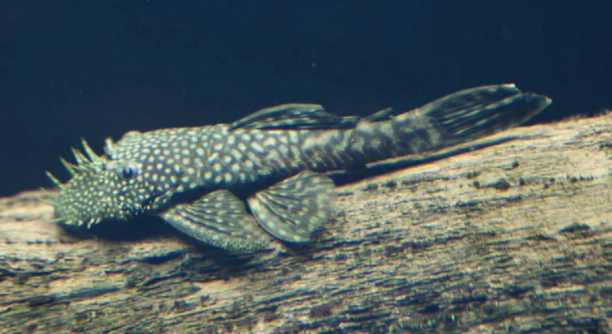
Is your pleco swimming upside down and leaving you puzzled? Observing your fish behaving unusually can be concerning, especially when you are committed to providing a healthy, balanced aquatic environment for your pet.
Upside-down swimming in plecos is most often caused by swim bladder issues, poor water quality, or stress. These factors affect buoyancy and balance, preventing the fish from maintaining a normal orientation in the tank and impacting overall health.
Learning to identify the root cause will help restore your pleco’s comfort and well-being in its aquarium environment.
Common Causes of Upside-Down Swimming
Many plecos swim upside down due to swim bladder disorders. The swim bladder helps regulate buoyancy, and when it malfunctions, your fish cannot maintain proper orientation. Overfeeding or sudden dietary changes can also affect the swim bladder, causing unusual swimming patterns. Stress from overcrowding or sudden changes in water conditions can make it difficult for plecos to stabilize. Poor water quality, including high ammonia, nitrite, or nitrate levels, can weaken their overall health and lead to swimming problems. Occasionally, infections or internal parasites disrupt normal buoyancy, making the fish appear upside down. Observing tank conditions and diet closely can help prevent these issues before they escalate. Plecos also tend to swim oddly if the tank lacks proper hiding spaces or if the lighting is too harsh. Gentle handling and regular monitoring are essential for maintaining a balanced, stable environment for your pleco’s well-being.
Water temperature fluctuations can also stress plecos, affecting their swim patterns. Consistent conditions are key to preventing upside-down swimming.
Noticing early signs of stress or buoyancy problems allows you to intervene quickly. Adjusting feeding habits, checking water parameters, and ensuring clean, well-oxygenated water can improve your pleco’s orientation. Additionally, providing soft surfaces like smooth driftwood or hiding spots helps them feel secure. Avoid sudden changes in diet or tank layout, as plecos respond poorly to rapid adjustments. Treating infections or parasites promptly prevents further complications. Keeping a consistent routine in care, feeding, and cleaning reduces stress, improving overall health. Tracking behavior over time can reveal patterns that indicate early swim bladder or environmental issues. Maintaining proper tank size and minimizing overcrowding also support natural swimming behavior. Observing how your pleco interacts with its environment offers insight into its comfort and safety. Regular water testing and gentle care practices are essential for a stable, healthy aquarium.
Diet and Feeding Adjustments
Overfeeding or inappropriate foods can contribute to swim bladder problems. Plecos thrive on a balanced diet that includes vegetables, algae wafers, and occasional protein.
Feeding smaller portions more frequently helps prevent bloating and digestive issues. Avoid feeding foods that float excessively, as plecos may gulp air.
Monitoring how your pleco eats and adjusting its diet accordingly can correct minor buoyancy issues. Providing fibrous vegetables like zucchini or cucumber supports digestion and reduces swim bladder strain. Occasionally offering sinking wafers ensures they feed naturally along the tank bottom, reducing air intake. Avoid processed or oily foods that may disrupt gut health. Consistent feeding schedules prevent overfeeding and associated problems. If bloating persists, fasting your pleco for a day or two can help regulate digestion. Pair dietary adjustments with clean water and proper tank conditions for the best results. Over time, careful observation of diet and behavior can restore your pleco’s normal swimming pattern, ensuring it remains active and comfortable in its environment.
Water Quality and Tank Conditions
Poor water quality can stress plecos and lead to upside-down swimming. High ammonia, nitrite, or nitrate levels interfere with their buoyancy and overall health, making regular testing essential. Stable temperature and proper filtration support normal swimming patterns.
Maintaining clean water is critical for plecos’ health. Perform regular partial water changes and monitor chemical levels consistently. Tanks should have stable temperatures suited to the species, usually between 74–80°F. Overcrowding increases stress and can worsen buoyancy issues. Proper aeration ensures oxygen reaches all areas, helping plecos maintain balance. Adding hiding spaces and smooth surfaces reduces stress and encourages natural swimming behavior.
Regular maintenance prevents long-term problems. Cleaning substrate, removing uneaten food, and checking filters for blockages help reduce toxins in the water. Monitoring water parameters over time reveals trends that could indicate emerging issues. Even minor fluctuations can affect sensitive plecos, so consistency is key. Tank décor should allow unobstructed swimming paths, and lighting should be balanced to avoid startling your fish. Combining these practices improves overall health and reduces incidents of upside-down swimming.
Stress and Environmental Factors
Sudden changes in the tank environment can trigger stress, affecting buoyancy and swimming orientation. Minimizing disturbances and maintaining a stable routine helps your pleco adapt.
Stress can result from moving decorations, loud noises, or frequent handling. Plecos rely on consistency and secure hiding spots. Fluctuating water parameters or aggressive tank mates add pressure, making them swim awkwardly or remain near the surface. Regular observation allows you to detect early signs of discomfort, such as erratic swimming or refusal to eat. Environmental enrichment, like driftwood and plants, provides comfort and reduces stress-induced behavioral issues.
Creating a calm environment reduces upside-down swimming. Stable temperatures, consistent lighting, and minimal sudden movements help plecos feel secure. Overcrowded tanks can lead to competition for food and territory, increasing stress levels. Providing appropriate hiding spots and maintaining a clean, stable tank environment are essential for normal behavior. Slow adjustments to water changes, decorations, or tankmates prevent shock and promote recovery from stress. Observing behavior regularly allows for quick interventions when unusual swimming occurs, ensuring your pleco remains healthy and comfortable in its habitat.
Tank Size and Space
Small or overcrowded tanks can limit your pleco’s movement, contributing to upside-down swimming. Adequate space allows natural swimming patterns and reduces stress, helping your fish maintain balance and orientation in the water.
A larger tank with sufficient hiding spots and smooth surfaces encourages natural behavior. Proper spacing prevents competition and allows plecos to feed and rest comfortably.
Handling and Interaction
Frequent handling or sudden contact can stress plecos, affecting buoyancy. Minimizing direct interaction helps maintain their stability and overall health.
Signs of Illness
Swim bladder issues are not the only reason for upside-down swimming. Internal infections, parasites, or bloating can also cause abnormal behavior. Identifying illness early ensures proper treatment.
Observing Behavior
Monitoring daily activity and feeding patterns helps detect problems early. Changes in swimming, appetite, or interaction with the environment may indicate underlying health or environmental issues that require attention.
FAQ
Why is my pleco swimming upside down all the time?
Persistent upside-down swimming usually points to swim bladder problems, stress, or poor water quality. Overfeeding or a sudden diet change can disrupt digestion, leading to buoyancy issues. Consistent water parameters, balanced feeding, and stress reduction help your pleco regain normal swimming orientation over time.
Can water temperature affect my pleco’s swimming?
Yes, plecos are sensitive to temperature fluctuations. Sudden drops or rises can stress them, impacting balance and appetite. Keeping the water within their ideal range, typically 74–80°F, helps maintain normal buoyancy and reduces the risk of upside-down swimming caused by environmental stress.
How do I know if it’s a swim bladder issue?
Swim bladder problems often manifest as difficulty maintaining position, floating sideways, or swimming upside down intermittently. Other signs include bloating or abnormal resting positions. Observing these behaviors along with diet and water conditions can help identify the problem early.
Can diet alone cause this behavior?
Yes, overfeeding or inappropriate food types can contribute. Plecos need a mix of vegetables, algae wafers, and occasional protein. Floating foods or large meals may lead to air ingestion or digestive issues, affecting buoyancy. Smaller, frequent feedings are usually more effective.
Are tank mates affecting my pleco?
Aggressive or territorial tank mates can stress plecos, leading to unusual swimming. If your pleco is consistently avoiding certain areas or hiding, consider rearranging the tank or providing more hiding spaces. Stress from other fish is often overlooked but can significantly impact behavior.
What role does tank cleanliness play?
Dirty water with high ammonia, nitrites, or nitrates can weaken plecos, affecting balance. Regular partial water changes, substrate cleaning, and filter maintenance maintain a healthy environment. Stable water parameters help reduce stress and prevent upside-down swimming caused by poor conditions.
Should I fast my pleco if it swims upside down?
Fasting for a day or two can help relieve digestive-related buoyancy issues. This allows the swim bladder to return to normal function, especially if overfeeding or diet imbalance caused the problem. Always resume feeding gradually with appropriate foods.
When should I seek veterinary help?
If your pleco continues to swim upside down despite water, diet, and environmental adjustments, or shows signs of bloating, lethargy, or abnormal skin, consulting an aquatic veterinarian is recommended. Early intervention improves chances of recovery and prevents long-term health issues.
Can stress from lighting affect swimming behavior?
Excessive or sudden lighting changes can startle plecos and impact buoyancy. Consistent lighting schedules and shaded areas help them feel secure, allowing normal swimming and reducing stress-induced upside-down behavior.
Are there long-term effects if this behavior continues?
Chronic upside-down swimming may lead to reduced feeding efficiency, weaker immune response, and increased susceptibility to disease. Identifying the cause and correcting diet, water quality, or stress factors promptly is crucial for maintaining your pleco’s overall health.
How do hiding spots help my pleco?
Providing caves, driftwood, or plants allows plecos to rest securely and feel safe. Reduced stress supports normal swimming patterns, improves feeding behavior, and helps prevent frequent upside-down swimming caused by anxiety or territorial pressure.
Can water flow impact my pleco’s swimming?
Strong or uneven currents may make it harder for plecos to maintain balance. Adjusting flow to moderate levels and offering calm areas in the tank can help your pleco swim naturally without struggling to stabilize.
Is this behavior common in all plecos?
While many plecos may occasionally swim upside down due to minor stress or digestion, persistent upside-down swimming is uncommon and usually indicates an underlying issue that should be addressed promptly.
What maintenance routine supports proper swimming?
Regular water testing, partial water changes, cleaning substrate, and filter checks create a stable environment. Combined with proper diet, hiding spots, and gentle handling, this routine significantly reduces the likelihood of upside-down swimming caused by environmental or stress factors.
How long does it take for a pleco to recover?
Recovery depends on the cause. Minor digestive or environmental issues may resolve within days, while swim bladder infections or stress-related problems could take weeks. Continuous monitoring and careful adjustments to diet, tank conditions, and stress factors support faster recovery.
Can supplements help my pleco?
Occasionally, supplements like spirulina or vegetable-based additions can aid digestion and reduce swim bladder strain. These should complement, not replace, a balanced diet and proper tank maintenance to effectively address upside-down swimming.
Are certain species more prone to this behavior?
Some pleco species are slightly more sensitive to diet and water quality changes. Observing your specific species’ needs and maintaining a stable, well-monitored environment helps prevent chronic swimming issues.
Does tank size influence recovery?
A larger, properly structured tank reduces stress, allows natural swimming, and minimizes competition for food. Sufficient space and appropriate décor support recovery from upside-down swimming caused by environmental or social stress.
Can temperature shocks during water changes cause this?
Yes, sudden temperature changes during water replacement can stress plecos, affecting buoyancy. Always match new water closely to existing tank conditions to prevent additional stress and support normal swimming behavior.
How do I prevent future incidents?
Consistent feeding, clean water, stable temperature, appropriate tank mates, and secure hiding spots create a supportive environment. Monitoring behavior regularly allows early detection of issues, helping your pleco maintain healthy, normal swimming patterns.
This FAQ section provides guidance on causes, prevention, and recovery methods for upside-down swimming in plecos, focusing on diet, environment, and stress management.
Final Thoughts
Observing your pleco swimming upside down can be concerning, but it is often a sign that something in its environment or care routine needs attention. Swim bladder issues, diet imbalances, stress, or water quality problems are the most common factors. Addressing these areas promptly usually resolves the problem and helps prevent long-term health complications. Maintaining a clean, stable tank with consistent temperature and water parameters is essential. Regular partial water changes and monitoring ammonia, nitrite, and nitrate levels ensure that the environment remains safe and supportive for your pleco. Overcrowding should be avoided, and proper hiding spaces or décor can help reduce stress while allowing natural behaviors. Even small changes, like adjusting feeding habits or providing fibrous vegetables, can make a noticeable difference in buoyancy and swimming orientation. By being attentive to your pleco’s behavior, you can catch early signs of discomfort and take corrective actions before minor issues develop into serious health problems.
Diet plays a central role in preventing upside-down swimming. Plecos need a balance of vegetables, algae wafers, and occasional protein. Overfeeding or offering inappropriate foods can lead to bloating, air ingestion, or digestive problems that directly impact swim bladder function. Feeding smaller portions more frequently helps maintain steady digestion and reduces strain on the swim bladder. Observing how your pleco eats can also provide insight into overall health and comfort. Foods that float excessively should be avoided to prevent swallowing air, and occasional fasting can help regulate digestion if issues arise. Pairing proper diet with clean water, appropriate tank size, and a stable environment supports both buoyancy and long-term health. Stress management is equally important; aggressive tank mates, sudden changes in decorations, or fluctuating lighting can create stress that leads to abnormal swimming behavior. A calm and consistent environment allows plecos to feel secure and move naturally.
Regular observation is the key to maintaining a healthy pleco. Noticing changes in swimming patterns, appetite, or interaction with the environment provides critical information about their well-being. Early intervention, whether through dietary adjustments, environmental improvements, or veterinary consultation, improves the likelihood of recovery from swim bladder or stress-related issues. Patience and consistency are essential, as recovery may take days or even weeks depending on the severity of the problem. Providing a stable, clean, and appropriately structured tank helps prevent recurring upside-down swimming, ensuring your pleco remains active, comfortable, and healthy. Understanding the factors that affect buoyancy and behavior allows you to create a supportive environment where your pleco can thrive and display natural swimming patterns without strain or discomfort. Consistently applying these practices ensures long-term health and reduces the risk of future complications.

Hello,
If you enjoy the content that we create, please consider saying a "Thank You!" by leaving a tip.
Every little bit helps us continue crafting quality advice that supports the health, happiness, and well-being of pets around the world, for pets of all shapes, sizes, and species.
We really appreciate the kindness and support that you show us!