
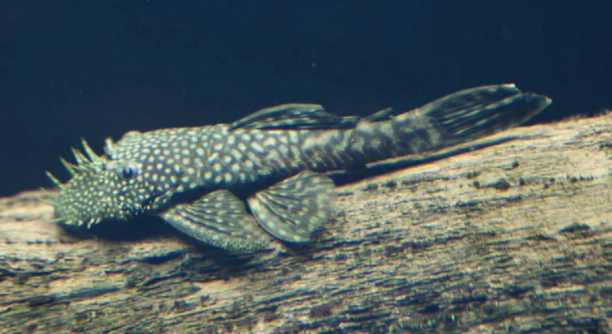
Keeping a pleco active in a home aquarium can sometimes feel challenging. Many aquarists notice their fish hiding or remaining inactive despite a well-maintained tank. Observing natural behaviors can reveal how environmental factors influence their activity levels.
Pleco activity increases when their tank conditions mimic natural habitats, including proper water temperature, consistent filtration, sufficient hiding spaces, varied diet, correct lighting, gentle water flow, and regular tank maintenance. Optimizing these factors promotes exploration, feeding, and overall well-being.
Understanding how subtle changes affect plecos can transform a stagnant tank into a lively environment. Small adjustments often have a significant impact on their behavior and health.
Proper Water Temperature
Maintaining the right water temperature is essential for pleco activity. Plecos thrive in temperatures between 74°F and 80°F. Water that is too cold can make them sluggish, while excessively warm water can stress them and reduce appetite. I noticed my pleco became much more active when I stabilized the heater and monitored fluctuations carefully. Using a reliable thermometer and checking it daily ensures a consistent environment. Small changes in temperature can affect metabolism, feeding behavior, and overall movement. Alongside temperature, regular partial water changes help maintain water quality, which supports energy levels. Plecos prefer a gradual adjustment if the tank temperature needs modification. A sudden shift can cause stress or illness. Observing natural behavior, such as grazing on algae and exploring hiding spots, often indicates that the water conditions are comfortable. Consistent temperature management also reduces the risk of fungal and bacterial issues, creating a stable and supportive environment for your pleco.
Plecos become noticeably more active with stable temperatures. Consistency ensures they eat well and explore the tank regularly.
Small steps in maintaining temperature, paired with proper filtration, create a healthier environment. Monitoring daily helps prevent surprises and keeps your pleco energetic and curious.
Hiding Spaces and Tank Layout
Plecos are nocturnal and enjoy having hiding spots. Driftwood, caves, and dense plants offer them shelter during the day. Providing multiple locations encourages exploration and reduces stress. I rearranged my tank slightly and noticed my pleco moving more frequently at night.
Creating these shelters improves mental stimulation and encourages natural behaviors.
A thoughtfully arranged tank allows plecos to explore without feeling exposed. Driftwood is especially beneficial, as plecos use it for grazing and resting. Caves or ceramic structures offer security, preventing them from hiding in corners or becoming inactive. Plants provide soft surfaces and additional cover, creating a layered environment that feels natural. By observing preferred hiding spots, I adjusted placement to ensure easy access while keeping open swimming areas. Rotation of decor can also keep their environment engaging, stimulating activity. Combining hiding spaces with proper water flow, lighting, and temperature encourages plecos to stay active and reduces signs of stress. Small adjustments in layout significantly impact behavior, turning a quiet tank into one where your pleco moves, grazes, and interacts with the surroundings regularly.
Gentle Water Flow
Plecos prefer a gentle water current that mimics rivers and streams. Strong currents can tire them out, while still water may leave them inactive. Adjusting the filter output or adding flow deflectors can create ideal conditions for movement and grazing.
I noticed my pleco became far more energetic after reducing the filter’s flow. It started exploring open areas more confidently and spent more time grazing on algae and driftwood surfaces. Gentle water movement stimulates natural behaviors like foraging without causing stress. Ensuring pockets of calm alongside areas with moderate flow provides variety and encourages activity throughout the tank. Observing where your pleco spends most of its time helps determine the right balance, and small adjustments can significantly improve engagement and overall well-being.
Consistent monitoring of water flow and tank layout is important. Too much current can cause hiding, while moderate flow encourages daily activity and healthy behavior.
Varied Diet
Offering a varied diet keeps plecos healthy and active. In addition to algae wafers, supplement with fresh vegetables like zucchini, cucumber, and spinach. Protein sources such as shrimp pellets or occasional bloodworms add nutritional balance.
Introducing different foods stimulates interest in feeding and encourages movement around the tank. I started rotating vegetables and protein weekly, and my pleco began exploring all corners of the aquarium rather than staying in one hiding spot. Variety prevents boredom and ensures proper growth, energy, and digestion. It also supports natural foraging behaviors, as plecos graze on different surfaces. Observing which foods they prefer can guide meal planning, while keeping some items in different spots of the tank encourages activity. Combining fresh and prepared foods ensures a well-rounded diet, boosting energy levels and promoting consistent movement.
Rotating diet items and providing fresh foods regularly helps plecos remain engaged. Balanced nutrition directly influences activity, metabolism, and overall vitality.
Consistent Lighting
Plecos benefit from a consistent light cycle. About 10–12 hours of light per day helps regulate activity and rest. Using a timer ensures stability without daily adjustments.
I keep my tank on a regular schedule. My pleco is more active during lights-on periods and rests naturally when the lights go off.
Regular Tank Maintenance
Keeping the tank clean supports pleco health and activity. Removing excess debris, vacuuming substrate, and changing water regularly prevents harmful buildup and maintains water quality. A clean environment encourages movement and foraging throughout the tank, reducing stress and promoting consistent activity levels.
Soft Substrate
Plecos prefer soft substrates like sand or smooth gravel. Hard surfaces can irritate their bellies and fins. Choosing an appropriate substrate prevents injury and encourages natural grazing and movement.
FAQ
How often should I feed my pleco?
Plecos generally eat once a day, though frequency depends on their size and age. Juveniles need more frequent feedings, while adults can thrive on one daily portion. I feed my pleco in the evening when it is most active. Fresh vegetables and algae wafers keep it engaged, and I rotate protein sources a few times per week. Overfeeding can cause water quality issues, so I monitor how much it consumes and remove uneaten food after a few hours. Observing their feeding habits helps adjust portions appropriately.
What types of vegetables are best for plecos?
Plecos enjoy zucchini, cucumber, spinach, and peas. I slice vegetables thinly so they sink and are easy to graze on. Boiling or blanching harder vegetables softens them, preventing digestive strain. Occasionally, I also add leafy greens for variety. Rotating vegetables ensures balanced nutrition and encourages natural grazing behavior. Avoid starchy vegetables like potatoes, which can upset their digestion. Freshness matters—lettuce or greens that are old or wilted often get ignored. Observing preferences allows me to adjust the diet while keeping feeding interesting and promoting activity throughout the tank.
Can plecos share a tank with other fish?
Plecos are generally peaceful but territorial with other bottom dwellers. I keep mine with mid- to top-level swimming species to reduce conflict. Providing multiple hiding spots helps minimize stress. Observing interactions is important, as some aggressive species may intimidate or chase the pleco. A balanced layout with open swimming areas and secure shelters ensures coexistence. Plecos rarely initiate conflict but may defend a favorite spot if space is limited. Proper planning and monitoring keep the community tank peaceful while allowing the pleco to remain active and comfortable.
How do I know if my pleco is healthy?
Healthy plecos are active at night, have smooth skin, clear eyes, and a good appetite. I watch for consistent grazing and swimming patterns. Signs of stress include lethargy, torn fins, or unusual hiding. Maintaining water quality, proper diet, and consistent tank conditions helps prevent illness. Regular observation of behavior and appearance makes it easier to detect subtle changes. If I notice abnormal behavior or discoloration, I test water parameters and adjust conditions immediately. Preventive care is the best way to keep my pleco active and healthy over time.
Do plecos need hiding places during the day?
Yes, hiding places reduce stress and promote natural behavior. My pleco uses driftwood, caves, and dense plants as daytime shelters. Multiple options allow choice and exploration. Without secure hiding spots, plecos may remain inactive or hide in corners. I arrange the tank to create pockets of safety while keeping open swimming areas. Rotating décor occasionally keeps the environment stimulating. Hiding spots mimic natural conditions, improving activity levels and overall well-being, especially for nocturnal species like plecos that rest during daylight hours.
How much water movement is ideal for plecos?
Plecos prefer gentle to moderate water flow. I adjust my filter output to avoid strong currents that tire them. Small eddies and calm pockets encourage exploration and grazing without stress. Observing their preferred areas helps determine the right balance. Strong currents can lead to hiding or sluggish behavior, while still water may reduce activity. I ensure varied flow in the tank, combining gentle areas with moderate movement, which mimics natural river conditions and stimulates energy levels. Proper water flow also improves oxygenation and supports overall health.
Is it necessary to provide driftwood for plecos?
Driftwood is highly beneficial. Plecos use it for grazing, resting, and shelter. I place multiple pieces throughout the tank. Driftwood also helps maintain pH balance and supports digestive health when ingested in small amounts. Observing my pleco, it frequently scratches and rests on driftwood, showing clear preference. Providing natural textures encourages natural behavior and enhances activity. Without driftwood, plecos may become bored or inactive. Different types and placements of wood increase environmental enrichment, keeping the tank engaging and stimulating for long-term activity and health.
Can plecos live in cold water?
Plecos are tropical fish and prefer temperatures between 74°F and 80°F. Colder water slows metabolism, reduces feeding, and may lead to illness. I use a reliable heater and thermometer to maintain consistent warmth. Sudden temperature drops are particularly harmful. Gradual adjustments are safer if needed. Maintaining stable, suitable temperatures supports regular activity, feeding, and natural behavior. Proper heating is essential, especially in colder climates, to keep the pleco energetic and prevent stress-related health issues.
How often should I change the water?
Regular water changes are vital. I change about 20–25% weekly to remove waste and maintain quality. This prevents harmful buildup and keeps the pleco active. Partial changes are better than full changes, which can shock the fish. I monitor water parameters, including ammonia, nitrite, nitrate, and pH, before and after changes. Keeping the tank clean supports metabolism, grazing, and exploration. Consistency in water maintenance is more effective than occasional large changes, ensuring the pleco remains healthy, energetic, and responsive to its environment over time.
Do plecos require supplemental lighting?
Plecos do not need bright lights but benefit from a stable light cycle of 10–12 hours. I use a timer for consistency. Soft lighting allows algae growth and maintains natural day-night rhythms. Sudden changes in light intensity can stress the pleco. Proper lighting supports activity, feeding, and overall well-being. Regular light exposure combined with consistent darkness ensures the pleco rests appropriately during the day and becomes active at night, maintaining healthy behavior patterns without unnecessary stress.
What is the best tank size for a pleco?
Tank size depends on species, but most common plecos require at least 30–50 gallons. I upgraded my tank to give ample swimming space and hiding areas. Larger tanks reduce territorial stress and encourage exploration. Proper space ensures growth, activity, and social comfort if housed with compatible tankmates. A spacious environment prevents overcrowding, promotes grazing, and allows placement of multiple hiding spots. Sufficient room supports natural behavior and prevents lethargy caused by confined spaces. Observing movement patterns helps determine if the tank size meets the pleco’s needs effectively.
Can plecos thrive without live plants?
Plecos can survive without live plants but benefit from them. I include hardy species like Java fern and Anubias to provide cover and grazing surfaces. Plants help maintain water quality and reduce stress by offering shaded areas. While not essential, live plants create a more natural environment that encourages activity and exploration. Artificial plants can be used as alternatives, but live plants enhance the ecosystem and provide enrichment, supporting consistent activity levels and overall well-being. Proper placement ensures accessibility without crowding swimming areas.
How do I prevent my pleco from hiding too much?
Providing multiple hiding spaces, stable water conditions, and gentle flow encourages activity. I rotate décor occasionally and ensure food variety to stimulate movement. Stress, poor water quality, or lack of environmental enrichment can lead to excessive hiding. Observing preferences helps adjust the tank layout.
Can plecos recognize their owners?
Plecos may respond to feeding routines or movement near the tank. My pleco swims toward areas where I typically place food. While not interactive like some fish, they can associate human presence with feeding. Regular, gentle interaction encourages familiar behaviors without causing stress.
What is the ideal pH for plecos?
Plecos prefer a slightly acidic to neutral pH between 6.5 and 7.5. I monitor with a reliable test kit. Sudden shifts can stress them, reducing activity and feeding. Maintaining stable pH alongside temperature and water quality keeps my pleco energetic and healthy, supporting natural behaviors and growth.
Final Thoughts
Creating an environment that encourages pleco activity requires attention to multiple factors, from water temperature to tank layout. Plecos respond best when their habitat mimics natural conditions, providing comfort and safety. Consistency is key: sudden changes in temperature, lighting, or water flow can stress them and reduce movement. Observing your pleco regularly helps identify patterns in behavior, such as preferred hiding spots or grazing areas. These observations allow small adjustments that can have a significant impact on their daily activity. Over time, maintaining stable conditions fosters confidence, allowing plecos to explore the tank more freely and interact naturally with the environment. By keeping the tank clean, maintaining gentle water flow, and providing appropriate substrates and hiding spots, you create a balanced ecosystem that encourages active and healthy behavior. Small, consistent efforts often result in noticeable improvements in activity levels, feeding, and overall vitality.
Diet is another crucial element in promoting pleco activity. A varied diet that combines vegetables, algae wafers, and occasional protein supplements keeps your pleco engaged and energized. Plecos enjoy grazing on different surfaces, and rotating foods encourages exploration throughout the tank. Providing fresh vegetables like zucchini, cucumber, and leafy greens supports digestive health and natural foraging behavior. Protein additions, such as shrimp pellets or occasional bloodworms, supply essential nutrients and maintain energy levels. Observing which foods your pleco prefers helps fine-tune meal plans, ensuring it receives the proper balance without overfeeding. A thoughtful feeding routine, paired with an enriched environment, helps prevent lethargy and keeps your pleco active at different times of the day. Combined with consistent lighting, water flow, and maintenance, diet supports not only physical health but also behavioral engagement, which is an essential part of creating a lively and stimulating aquarium.
Finally, patience and regular observation are important when aiming to boost pleco activity. Plecos are naturally nocturnal and may be less visible during daylight hours, but that does not mean they are inactive. Providing multiple hiding places, gentle water flow, and consistent tank conditions ensures they remain comfortable and secure, which encourages exploration and movement. Adjustments in tank layout, substrate, and decor can stimulate curiosity and mental engagement. Maintaining good water quality, stable pH, and appropriate temperature contributes to their overall health and energy levels. By addressing all these factors in combination, you create a supportive environment where plecos can display natural behaviors, graze, explore, and remain energetic. Observing and learning from their habits allows you to fine-tune care and make small, impactful changes. Over time, these efforts result in a lively, healthy pleco that thrives in a home aquarium, making their activity and behavior more predictable and rewarding to watch.

Hello,
If you enjoy the content that we create, please consider saying a "Thank You!" by leaving a tip.
Every little bit helps us continue crafting quality advice that supports the health, happiness, and well-being of pets around the world, for pets of all shapes, sizes, and species.
We really appreciate the kindness and support that you show us!