
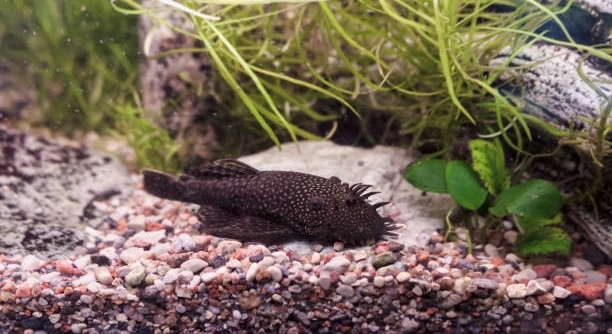
Are your plecos hiding more than usual, refusing to swim in the open, or appearing less active than normal? Bright tanks can stress these nocturnal fish, impacting their natural behaviors and overall well-being in subtle ways.
Excessive light in a pleco tank can cause stress, disrupt natural activity patterns, and reduce hiding behavior. Prolonged exposure to brightness may negatively affect health, feeding, and growth, making it essential to monitor and adjust lighting levels appropriately.
Understanding these warning signs will help ensure your pleco feels secure and comfortable, maintaining a healthier and more natural environment in your aquarium.
Signs of Stress in Bright Tanks
When a pleco tank is too bright, the fish often show clear signs of stress. They may hide constantly, cling to surfaces more than usual, or avoid swimming in open areas. Stress can also manifest as unusual color changes, fading patterns, or slower movements. Over time, these behaviors affect feeding habits, making them less likely to eat at regular intervals. Bright light can interfere with their natural nocturnal rhythm, causing them to be active during the day and restless at night. Excessive exposure may even lead to weakened immune systems, leaving them more vulnerable to disease. Providing shaded areas, dense plants, and caves can help balance the lighting. Observing these behaviors early allows you to make small adjustments before long-term health issues occur. Maintaining proper lighting levels is essential for their overall comfort and well-being.
Bright lighting disrupts natural rhythms, often causing plecos to become withdrawn and inactive.
Stress signs include hiding more, reduced feeding, and visible color fading, signaling the need for lighting adjustments.
Effects on Feeding and Growth
Plecos exposed to too much light often eat less. Reduced feeding can slow growth and make them more prone to illness. Overly bright tanks can alter their metabolism, affecting digestion and energy levels. Juvenile plecos are particularly sensitive, as they require consistent feeding to develop properly. Light stress may cause them to avoid preferred hiding spots, leaving them more exposed and uneasy, which also affects appetite. Additionally, excessive brightness can increase aggression in some species, leading to competition for shaded areas or food. Adjusting lighting to mimic natural day-night cycles encourages normal feeding patterns and helps maintain healthy growth. Simple steps like dimming overhead lights, using floating plants, or creating shaded zones can make a significant difference. Monitoring behavior and appetite daily ensures that your pleco remains active and healthy, with growth proceeding at a natural pace. Over time, these adjustments promote a calmer, more balanced tank environment.
Proper feeding is directly tied to lighting. Observing eating habits ensures healthy development.
Unusual Hiding Behavior
Plecos may hide excessively when the tank is too bright, preferring shaded corners, under driftwood, or behind decorations. This behavior is a direct response to stress and an attempt to feel safe in a constantly illuminated environment.
Excessive hiding can limit their movement and prevent normal exploration. In bright tanks, plecos often avoid open areas, staying in covered spots for longer periods than usual. This can interfere with feeding if they do not feel safe approaching food. Over time, limited activity may affect muscle tone and overall health. Creating shaded zones and providing caves encourages natural movement and reduces stress, helping plecos feel secure while still allowing them to interact with their environment.
Hiding in bright conditions can also reduce social interactions among tank mates. Plecos may become territorial in shaded areas, sometimes leading to minor conflicts or tension. Adjusting lighting gradually helps them regain confidence to swim openly while maintaining their natural nocturnal tendencies.
Impact on Sleep Cycles
Bright lighting can disturb plecos’ nocturnal habits, making them less active during their natural night hours. Altered sleep cycles can affect overall health, behavior, and stress levels.
Disrupted sleep may lead to restlessness, unusual swimming patterns, or fatigue during the day. When plecos cannot find dark, quiet spaces, they struggle to rest properly. Long-term exposure to bright conditions can weaken immune systems, reduce appetite, and slow growth. Replicating natural light cycles with dimming periods or shaded zones helps maintain normal sleep patterns, ensuring plecos are active at appropriate times and conserving energy for feeding and growth. Gradual adjustments prevent shock and allow adaptation without additional stress.
Maintaining a proper night-day rhythm is crucial for plecos’ mental and physical health. Providing consistent dark periods improves behavior, reduces hiding, and encourages natural feeding cycles. Regular observation of activity patterns allows you to notice changes early, ensuring the tank environment supports healthy sleep and overall well-being.
Fading Colors
Plecos often lose vibrancy when exposed to overly bright lighting. Colors may appear dull, making the fish look less healthy and more stressed.
Reduced coloration can indicate prolonged discomfort. Bright tanks force plecos to retreat constantly, which affects their natural appearance and overall well-being.
Increased Aggression
Some plecos become aggressive when the tank is too bright. Competition for shaded areas or hiding spots can lead to chasing and minor injuries. Bright lighting disrupts their sense of security, causing territorial behavior that is not typical under normal conditions. Monitoring interactions and adjusting lighting can reduce aggression and restore calm in the tank.
Erratic Swimming
Plecos may swim erratically or dart suddenly in response to bright lighting. This behavior is often a stress response and can indicate discomfort in the tank environment.
Reduced Appetite
Bright lighting can make plecos less willing to eat. Limited feeding impacts growth, energy levels, and overall health if not addressed promptly.
FAQ
How do I know if my pleco tank is too bright?
Excessive brightness often shows through behavior changes. If your pleco hides constantly, avoids swimming in open areas, displays faded colors, or shows irregular feeding patterns, these are strong indicators. Observing daily habits and comparing them to natural nocturnal activity helps determine if lighting adjustments are needed.
What is the ideal lighting for plecos?
Plecos thrive under low to moderate lighting. Using dimmers, floating plants, or shaded caves creates a balanced environment. Mimicking natural light cycles with 10–12 hours of light followed by darkness supports nocturnal behaviors and reduces stress. Gradual adjustments prevent shock and allow the fish to acclimate comfortably.
Can too much light affect my pleco’s health?
Yes. Prolonged exposure to bright light can cause stress, suppress appetite, weaken immune systems, and slow growth. It may also trigger aggressive behavior or abnormal hiding. Providing shaded areas and monitoring activity ensures they remain healthy, active, and free from chronic stress.
What are common signs of stress from bright lighting?
Stress signs include excessive hiding, erratic swimming, color fading, reduced appetite, and unusual activity patterns. Juvenile plecos are particularly sensitive, but all ages benefit from a controlled light environment. Observing these signs early allows you to adjust lighting before long-term health issues develop.
How can I reduce brightness without harming the tank ecosystem?
Introduce floating plants, tall decorations, or caves to create shaded areas. Adjust overhead lighting gradually rather than abruptly. Using timers and dimmers ensures a consistent day-night cycle, helping plecos adapt naturally while maintaining a healthy environment for other tank inhabitants.
Can plecos adapt to bright tanks over time?
Some plecos may tolerate higher light levels, but it generally causes stress. Even if they appear active, subtle health effects may persist. Maintaining moderate lighting and providing adequate hiding spaces is always safer and supports natural behavior long-term.
Does tank size affect lighting stress?
Yes. Smaller tanks with bright lighting amplify exposure, leaving fewer shaded areas. Larger tanks allow plecos to find refuge more easily. Ensuring adequate hiding spots and proper decor can mitigate stress regardless of tank size.
Should I use a timer for my tank lights?
Absolutely. Timers create consistent day-night cycles, which help plecos maintain natural nocturnal activity. Sudden light changes can startle fish and increase stress. A stable routine supports feeding, sleep, and overall health.
Can pleco species affect light sensitivity?
Yes. Different species vary in tolerance. Common plecos usually need dimmer lighting, while some bristlenose plecos may handle moderate brightness. Observing individual behavior is crucial to ensure the environment suits their specific needs.
What other factors interact with light stress?
Temperature, water quality, and tank layout all influence stress levels. Even moderate light can be harmful if water conditions are poor or hiding spots are limited. Maintaining proper filtration, stable temperature, and shaded areas helps reduce overall stress and promotes well-being.
How quickly should I adjust lighting if it’s too bright?
Gradual changes are best. Slowly dimming lights over several days or adding shaded areas incrementally prevents shock. Sudden darkness can also confuse fish, so balance and patience are key when modifying lighting conditions.
Can plants help regulate lighting for plecos?
Yes. Live or artificial floating plants filter light and provide natural shade. They create retreat areas, reduce glare, and help mimic the natural habitat. Plants also improve water quality and contribute to a healthier environment overall, benefiting plecos and other tank inhabitants.
What’s the easiest way to provide shade in a bright tank?
Adding caves, driftwood, or floating decor is effective. These elements block direct light and give plecos safe zones. Combining multiple options creates a more natural, stress-free environment where fish can choose their preferred level of light exposure.
How long does it take for plecos to recover from light stress?
Recovery depends on severity and individual fish. Mild stress may improve within days with proper shading and adjusted light cycles. Chronic stress may take weeks and requires careful monitoring, consistent feeding, and a stable, dim environment to restore normal behavior and appetite.
Final Thoughts
Maintaining the right lighting in a pleco tank is more important than many fish owners realize. Bright lights can affect plecos in ways that are not immediately obvious, from hiding constantly to showing faded colors or reduced activity. These behaviors are subtle signals that the fish is uncomfortable, and ignoring them can lead to long-term health problems. Plecos are nocturnal by nature, so they rely on dim or moderate lighting to feel secure and to display natural behaviors. Observing their daily activity, feeding habits, and interaction with the tank environment helps identify whether the lighting is appropriate. Small changes, such as adding shaded areas, floating plants, or caves, can make a significant difference. Gradual adjustments prevent sudden stress and help plecos adapt without compromising their comfort. Even minor improvements to light conditions can encourage normal activity, support proper feeding, and enhance the overall well-being of the fish.
Proper lighting not only influences behavior but also affects health and growth. When plecos are exposed to overly bright environments, they may eat less, which can slow growth and reduce energy. Long-term exposure can suppress their immune system, leaving them vulnerable to illness. By contrast, balanced lighting encourages a stable day-night rhythm, ensuring that the fish remain active during appropriate periods and can rest safely when needed. Shade, plants, and decorations provide refuge and give the fish options to regulate their exposure to light. Over time, creating a stable environment with proper lighting reduces stress, fosters natural behavior, and supports healthy development. Careful observation is essential, because each pleco may respond differently depending on species, age, and personality. Adjustments should be made with attention to how the fish reacts rather than relying solely on general recommendations. Consistency and patience are key, as plecos may take time to fully recover from previous exposure to intense lighting.
Ultimately, ensuring that a pleco tank is not too bright contributes to a healthier, calmer, and more natural environment. The fish will display more natural behaviors, such as exploring, feeding regularly, and resting in safe spaces, rather than hiding excessively or showing signs of stress. Simple strategies like dimming lights gradually, adding shaded zones, or using floating plants can create a more comfortable setting without drastic changes. Monitoring daily behavior and responding promptly to signs of discomfort helps prevent long-term problems and promotes overall health. Maintaining proper lighting also improves the aesthetic of the tank, allowing colors to appear vibrant and patterns to remain distinct. A well-lit but carefully controlled environment ensures plecos feel secure, thrive physically, and exhibit their natural nocturnal habits. Making these adjustments demonstrates attention to their needs and fosters a more balanced, harmonious tank where plecos can live comfortably and healthily.

Hello,
If you enjoy the content that we create, please consider saying a "Thank You!" by leaving a tip.
Every little bit helps us continue crafting quality advice that supports the health, happiness, and well-being of pets around the world, for pets of all shapes, sizes, and species.
We really appreciate the kindness and support that you show us!