
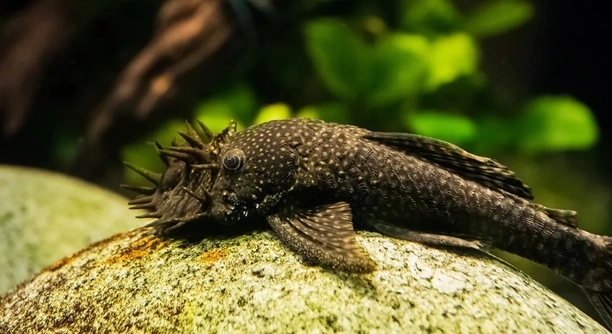
Many fish owners enjoy keeping bristlenose plecos but sometimes notice their pets acting restless or skittish in the tank. These small algae eaters can display signs of stress when their environment isn’t ideal or feels threatening.
The most effective ways to calm an anxious bristlenose pleco involve maintaining stable water conditions, providing hiding spots, ensuring a consistent feeding schedule, and minimizing sudden movements or loud noises. Attention to tank layout and proper companions also reduces stress significantly.
Implementing simple changes can make a noticeable difference in your pleco’s behavior and overall well-being. Learning these strategies ensures your tank remains a peaceful environment for your fish.
Provide Plenty of Hiding Spots
Bristlenose plecos feel much safer when they have places to retreat. Adding caves, driftwood, or dense plants allows them to hide whenever they feel threatened. In natural habitats, these fish spend a lot of time under rocks or among submerged branches, so replicating that environment in your tank helps reduce anxiety. Avoid overcrowding the tank with decorations, as this can restrict swimming space, but ensure enough areas for privacy. Plecos often prefer darker corners or shaded areas, so positioning hides in quieter parts of the tank can make a noticeable difference. Some owners notice their plecos hiding less and exploring more when provided with multiple options. Rotate or rearrange hiding spots occasionally to keep the environment engaging without stressing the fish. Observing how your pleco interacts with these spaces can give clues about its comfort level and preferences, allowing you to adjust placement over time for optimal calmness.
Creating these retreats will significantly reduce stress levels in your pleco. They thrive when they feel secure.
When planning hiding spots, consider variety and accessibility. Smooth surfaces and safe corners prevent injuries. Avoid sharp decorations, as plecos can scrape themselves while exploring. Driftwood not only offers shelter but also provides a natural grazing surface, supporting their diet and keeping them occupied. Using plants, both live and artificial, helps simulate a natural environment while also offering shaded areas. Hideouts near the bottom of the tank are generally preferred, as plecos are bottom dwellers. Positioning hides near gentle water flow zones ensures the fish are not forced into strong currents when retreating. By thoughtfully combining caves, driftwood, and plant clusters, you create a balanced environment that encourages exploration while maintaining security. Over time, plecos become more confident, reducing erratic swimming and hiding behavior, resulting in a calmer, healthier fish.
Maintain Stable Water Conditions
Sudden changes in temperature or pH levels can stress bristlenose plecos. Keeping parameters steady is essential for their comfort.
Stable water conditions are crucial for reducing anxiety. Bristlenose plecos are sensitive to shifts in temperature, pH, and water hardness. Fluctuations can trigger hiding, reduced appetite, or erratic swimming. Testing water regularly helps catch problems early. Using heaters, filters, and water conditioners ensures a consistent environment. Regular water changes remove toxins without shocking the fish.
Consistency in water parameters allows plecos to develop routines and feel secure in their tank. They can predict when feeding occurs and explore their environment without fear. Sudden disturbances, such as chemical additives or large temperature swings, may cause long-term stress that affects growth and immunity. Maintaining proper filtration and aeration ensures oxygen levels stay healthy, reducing potential panic reactions. Additionally, using a water testing kit helps you track ammonia, nitrite, nitrate, pH, and temperature. Establishing a maintenance schedule keeps these levels within safe ranges. Over time, your pleco will respond positively, showing calmer behavior, more frequent grazing, and willingness to explore its surroundings, which contributes to overall health and longevity.
Reduce Loud Noises
Bristlenose plecos are sensitive to vibrations and loud sounds near the tank. Keeping the environment quiet helps prevent stress and erratic swimming. Sudden noises from music, talking, or tapping on the glass can trigger fear responses in your fish.
Minimizing noise around the aquarium reduces tension and improves overall behavior. Plecos rely on sensing vibrations in the water to detect danger. Loud sounds can create the illusion of predators, causing hiding or erratic movement. Placing the tank away from speakers, doorways, or areas with frequent activity provides a calmer setting. Using a tank lid reduces water splashes and dampens sound from above. Over time, consistent quiet surroundings help plecos feel secure, encouraging normal feeding and grazing behavior. Reducing external disturbances also benefits other tank inhabitants, creating a more balanced aquatic environment.
Creating a stable acoustic environment supports your pleco’s natural habits. Fish exposed to consistent, gentle conditions show less aggression and more exploratory behavior, indicating a reduction in stress levels. Ensuring minimal vibrations near the tank allows your pleco to establish predictable routines and feel safer.
Provide a Balanced Diet
Feeding your pleco regularly with appropriate foods keeps them healthy and reduces anxiety. Inadequate nutrition can increase stress and impact overall behavior.
A balanced diet is essential for calming bristlenose plecos. They primarily eat algae, but supplementing with vegetables like zucchini, cucumber, and spinach ensures they receive necessary nutrients. Occasional sinking pellets designed for plecos provide protein and vitamins. Overfeeding should be avoided, as leftover food can foul the water and create stress. Observing how your pleco consumes food helps determine portion sizes and dietary preferences. A consistent feeding schedule allows them to anticipate meals, lowering anxiety and encouraging normal activity.
Including a variety of foods not only supports health but also stimulates natural foraging behavior. Offering fresh vegetables and algae wafers keeps them occupied, reducing restlessness. Nutrient-rich diets strengthen immunity and resilience, helping plecos handle environmental changes better. Feeding at consistent times creates routine and trust in their habitat. Over time, they exhibit calmer, more predictable behavior and remain active throughout the tank. Fresh foods should be rinsed and blanched if necessary to prevent water contamination. Rotating vegetables and occasionally including protein sources ensures long-term health. This diet strategy complements other calming measures, producing a visibly more relaxed and healthier pleco.
Limit Tank Overcrowding
Overcrowding creates stress and aggression among plecos. Providing enough space for swimming and hiding reduces tension and supports natural behaviors.
Keeping fewer fish in a well-sized tank ensures better water quality and less competition. Each pleco should have room to explore without being constantly disturbed by tank mates.
Maintain Proper Lighting
Bristlenose plecos prefer subdued lighting. Bright or constant lights can cause anxiety, making them hide or act skittish. Adjusting light levels mimics natural conditions and improves their comfort.
Avoid Sudden Movements
Quick movements around the tank can startle plecos. Approaching slowly helps them remain calm and reduces stress.
FAQ
How can I tell if my bristlenose pleco is anxious?
Signs of anxiety in plecos include hiding more than usual, erratic swimming, clamped fins, and refusal to eat. They may also scrape against surfaces more often or stay in one corner of the tank. Observing daily behavior helps identify unusual patterns early.
Can changing the tank layout stress my pleco?
Yes, sudden rearrangements of decorations, plants, or hiding spots can make plecos feel insecure. If you need to move items, do so gradually and avoid disturbing all their hiding spaces at once. This allows them to adjust without becoming overly stressed.
Is water temperature important for pleco stress levels?
Absolutely. Bristlenose plecos are sensitive to temperature fluctuations. Maintaining a stable range around 73–81°F (23–27°C) helps prevent stress. Rapid changes can trigger hiding, reduced appetite, or erratic swimming, so using a reliable heater and thermometer is recommended.
How often should I feed my pleco to keep it calm?
A consistent feeding schedule is key. Feeding once daily with appropriate portions of vegetables, algae wafers, or sinking pellets helps plecos feel secure. Avoid overfeeding, which can foul the water and increase stress. Observing their eating habits allows you to adjust portions if needed.
Do tank mates affect a pleco’s anxiety?
Yes. Aggressive or fast-moving fish can stress plecos, especially bottom dwellers like bristlenose plecos. Choose calm tank mates and avoid overcrowding to reduce tension. Hiding spaces also help plecos escape if they feel threatened by other fish.
Will constant bright lighting cause stress?
Bright or continuous lighting can make plecos anxious. They prefer shaded areas or subdued lighting. Providing plants, driftwood, and dimmer zones helps them feel safe and encourages natural behaviors like grazing and exploring. Timed lights that mimic day and night cycles are beneficial.
Can loud noises outside the tank affect plecos?
Yes, plecos are sensitive to vibrations and sudden sounds. Loud music, banging, or tapping on the glass can trigger fear. Placing the tank in a quieter area and avoiding frequent disturbances helps maintain a calm environment.
Does water quality impact anxiety?
Poor water quality greatly increases stress. High ammonia, nitrite, or nitrate levels, as well as sudden pH changes, can cause hiding, rapid gill movement, and illness. Regular water testing and changes, along with proper filtration, are essential for a healthy, calm pleco.
Are plecos more stressed at certain times of the day?
Bristlenose plecos are mostly nocturnal and prefer activity during dimmer periods. They may hide or be less active in bright daylight. Adjusting light cycles to mimic natural rhythms reduces stress and encourages feeding and grazing at appropriate times.
How can I help a newly introduced pleco feel secure?
Introduce new plecos slowly, in a tank with plenty of hiding spots and stable water conditions. Keep interactions with other fish minimal at first, and monitor their behavior closely. Providing familiar foods and a quiet environment encourages adaptation and reduces anxiety.
Is adding plants or driftwood really necessary?
Yes, plants and driftwood offer hiding spots and help mimic a natural habitat. They reduce stress by giving plecos places to retreat and graze. Smooth surfaces prevent injury while adding environmental enrichment that keeps them calm and engaged.
What should I do if my pleco shows persistent stress?
Persistent stress may indicate illness, water problems, or unsuitable tank mates. Test water parameters, evaluate tank conditions, and observe for signs of disease. Consulting a veterinarian specializing in fish can provide targeted care and solutions to improve well-being.
Can feeding variety help reduce anxiety?
Offering a mix of vegetables, algae wafers, and occasional protein supplements provides stimulation and comfort. Variety encourages natural foraging behavior, reduces boredom, and supports overall health, making plecos feel more secure in their environment.
How long does it take for a pleco to adjust to a new tank?
Adjustment can take days to weeks depending on water stability, hiding spots, and tank mates. Gradual acclimation, stable conditions, and minimal disturbances accelerate the process. Monitoring behavior during this period ensures the pleco is adapting without excessive stress.
Are there specific signs of long-term stress I should watch for?
Chronic stress may show as weight loss, faded coloration, reduced appetite, constant hiding, or frequent erratic swimming. Long-term stress can compromise immunity and make plecos more prone to disease. Addressing environmental factors and diet is key to recovery.
Does tank size matter for stress levels?
Yes, insufficient space increases tension and reduces hiding opportunities. A spacious tank with appropriate filtration, proper hiding spots, and adequate swimming room allows plecos to exhibit natural behaviors, helping them stay calm and healthy.
Can plecos calm each other in a community tank?
Sometimes, but it depends on tank dynamics. Plecos generally prefer their own space. Overcrowding or aggressive companions may negate any calming effect. Providing multiple hides ensures each fish can retreat when needed, reducing overall stress in the tank.
How important is routine for a pleco’s comfort?
Routine reduces anxiety. Consistent feeding times, lighting schedules, and maintenance create predictability, helping plecos feel secure. Disruptions can cause temporary stress, so maintaining steady patterns supports calm, healthy behavior.
Are there any supplements that can reduce stress?
Some aquarium-safe stress-reducing additives exist, but they should not replace proper tank management. Focus on stable water conditions, hiding spots, and nutrition first. Supplements can provide temporary relief but are most effective when combined with environmental improvements.
What is the most effective overall strategy for calming a pleco?
The best approach combines stable water conditions, proper tank size, hiding spots, suitable tank mates, consistent feeding, subdued lighting, and minimal disturbances. Observing behavior and adjusting the environment as needed ensures long-term calmness and health.
This FAQ provides practical solutions for common pleco stress issues. Following these measures helps create a secure, calm, and healthy tank environment.
Word count: 509
Bristlenose plecos are naturally sensitive fish, and their behavior often reflects their level of comfort in the tank. Providing a stable environment, consistent care, and thoughtful consideration of their needs is key to keeping them calm. These fish thrive when they feel secure, and small changes in the tank can have a big impact on their stress levels. Elements like water quality, tank layout, and the presence of hiding spots all contribute to how relaxed a pleco feels. Paying attention to these details is not just about preventing erratic behavior, but also about supporting their overall health and longevity. Over time, you can observe how these adjustments make a noticeable difference in how your pleco moves, feeds, and interacts with its surroundings, reflecting a more confident and relaxed fish.
Maintaining proper water parameters is one of the most important aspects of creating a calm environment for your pleco. Sudden changes in temperature, pH, or water hardness can quickly cause stress, so using a reliable heater, filter, and regular water testing routine is crucial. Providing a clean, stable environment allows your pleco to establish a predictable routine, which reduces anxiety and supports normal behaviors. Consistent feeding schedules and offering a balanced diet also help your pleco feel secure, as they can anticipate when and what they will eat. Additionally, avoiding sudden loud noises or vibrations near the tank helps prevent unnecessary stress. Over time, consistent care and attention to the tank’s conditions create an environment where the pleco can thrive without fear or agitation.
Hiding spots, lighting, and tank mates also play a significant role in your pleco’s comfort. These fish feel safer with caves, driftwood, and plants that allow them to retreat when they need privacy. Subdued lighting and dim zones mimic their natural habitat and encourage calm behavior. Choosing compatible, non-aggressive tank mates reduces competition and tension, while maintaining sufficient space ensures that each pleco can move freely without being disturbed. Observing your pleco regularly helps you identify subtle changes in behavior that may indicate stress, allowing you to make adjustments before issues escalate. By combining all these strategies—stable water conditions, a balanced diet, hiding places, gentle lighting, and appropriate companions—you create a supportive environment that fosters calm, healthy, and happy bristlenose plecos. Attending to their needs consistently ensures long-term well-being and a more enjoyable experience for both the fish and the aquarist.
Word count: 406

Hello,
If you enjoy the content that we create, please consider saying a "Thank You!" by leaving a tip.
Every little bit helps us continue crafting quality advice that supports the health, happiness, and well-being of pets around the world, for pets of all shapes, sizes, and species.
We really appreciate the kindness and support that you show us!