
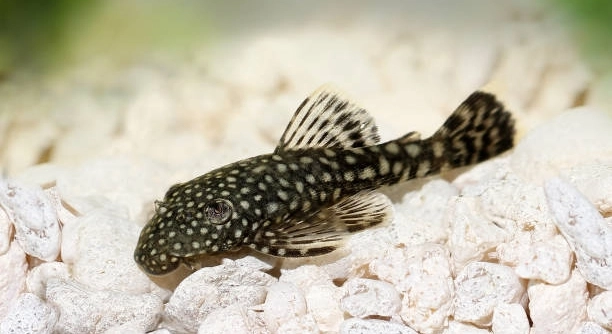
Do you ever find yourself wondering if your pleco might get tired of hiding in the same cave day after day? These quiet, armored fish seem content, but their behavior often leaves owners curious about their true preferences.
Plecos do not typically get bored with their caves, as these structures provide safety and comfort similar to their natural habitats. However, environmental enrichment remains essential. Adding varied decorations, driftwood, and hiding spots encourages natural behaviors and keeps them mentally stimulated.
Creating a balanced aquarium setup helps your pleco thrive, promoting both activity and comfort through subtle environmental changes.
Why Plecos Love Their Caves
Plecos naturally seek out dark, secure spaces where they can rest and feel protected. In the wild, they hide under rocks, driftwood, and submerged roots to avoid predators. Their caves mimic these safe zones, offering a sense of stability that helps them relax and maintain natural behavior patterns. These spaces also play a role in breeding, as male plecos use caves to guard eggs and keep them safe from other fish. The enclosed environment helps regulate stress levels, ensuring your pleco remains calm and healthy. A well-chosen cave can also highlight their territorial instincts, giving them a spot to claim and patrol.
Providing a cave that matches your pleco’s size and personality can make a noticeable difference. Some prefer tight, snug spaces, while others enjoy larger openings that allow easy movement and observation from within.
Caves are not just for hiding; they are essential to your pleco’s overall comfort. When given the right environment, they display natural behaviors, maintain better health, and show more vibrant colors. Watching them interact confidently with their surroundings can be a rewarding experience, proving that small details in tank design can make a big difference in their daily life and long-term well-being.
Signs Your Pleco Might Need More Variety
If your pleco spends excessive time motionless or avoids its cave altogether, it may be signaling boredom or environmental monotony. Inconsistent hiding behavior can indicate that the tank setup lacks stimulation or variation.
Adding visual and textural variety can easily solve this. Introduce driftwood, rock tunnels, or leaf litter to replicate their natural habitat. These items provide new surfaces for grazing and exploration, keeping them engaged throughout the day. Adjusting lighting levels or rearranging decorations occasionally can also encourage curiosity and activity. Plecos are nocturnal, so providing shaded areas and dim lighting during the day helps them feel secure. Maintaining proper water flow and cleanliness ensures they stay comfortable and active. By paying attention to their habits and surroundings, you can create a space that keeps them interested and relaxed, reducing stress and promoting a healthy aquarium environment overall.
How to Keep Your Pleco Engaged
Adding small changes to your pleco’s environment helps maintain its interest and activity. A static tank can make them less responsive, while introducing subtle variations encourages natural exploration and foraging behavior that keeps them both curious and active.
Try rotating decorations or adding new textures such as driftwood, smooth stones, or caves with different shapes. These small adjustments mimic natural conditions and keep their instincts sharp. You can also vary feeding locations or include sinking foods that encourage scavenging. Even simple shifts, like rearranging plants or ornaments, provide fresh spaces to explore. Regular enrichment not only prevents boredom but also supports their physical health, encouraging gentle movement and muscle activity. Observing these behaviors can help you understand what your pleco enjoys most in its surroundings.
Consistency in maintenance also supports engagement. Clean water, balanced lighting, and stable temperatures make your pleco feel secure enough to explore more freely. When conditions feel natural, they respond with confidence, showing livelier patterns and healthier habits. Keeping their space engaging doesn’t require major changes—just attention to detail and gentle variety that respects their quiet yet curious nature.
Best Cave Options for Plecos
Clay, slate, and resin caves are among the best choices, each offering unique benefits. Clay caves maintain steady temperatures, while slate and resin provide durability and easy cleaning without disrupting the tank’s natural appearance.
When selecting a cave, focus on proportion and safety. Choose one large enough for your pleco to enter and turn around comfortably, but not oversized to the point it feels exposed. Smooth edges prevent injury, and dark interiors create a sense of security. Position caves near driftwood or plants to enhance privacy and blend naturally with the tank’s layout. Providing multiple caves in larger tanks can reduce territorial stress among plecos and other bottom dwellers. Ensuring these spaces feel natural and stable will make your pleco more likely to use them regularly, keeping it relaxed and active throughout the day.
Maintaining a Comfortable Environment
Keeping the water clean and stable is essential for your pleco’s comfort. Regular water changes, proper filtration, and consistent temperatures reduce stress and support healthy behavior, encouraging your pleco to remain active and confident within its surroundings.
Balanced lighting and shaded areas help your pleco feel secure throughout the day. Avoid overly bright lights, as plecos prefer dim conditions that mimic their natural habitats. Consistency in these environmental factors plays a key role in keeping them calm and engaged in their space.
Feeding Habits That Encourage Activity
Feeding your pleco a balanced diet supports its energy levels and overall well-being. Offer a mix of algae wafers, fresh vegetables, and occasional protein sources like shrimp pellets. Scatter food around the tank to encourage natural foraging behaviors. This method promotes activity and keeps feeding time interesting. Monitor their eating habits to ensure they receive enough nutrition without overfeeding. A varied diet not only keeps your pleco healthy but also helps maintain good tank conditions by reducing leftover waste. Consistent feeding routines and high-quality foods enhance their coloration, vitality, and overall satisfaction in their environment.
Observing Behavioral Changes
Watching your pleco’s daily habits can reveal much about its comfort. Notice if it spends more time hiding or appears less active than usual. Subtle shifts in movement or appetite often signal environmental or dietary adjustments are needed.
FAQ
Do plecos need multiple caves in a tank?
Plecos benefit from having more than one cave, especially in larger tanks or when keeping multiple fish. Multiple hiding spots reduce territorial stress, give them options for resting, and allow shy individuals to retreat without confrontation. Even a single pleco appreciates variety in its environment, as it mimics natural conditions.
How often should I change or move my pleco’s cave?
You don’t need to move caves frequently. Occasional rearrangement can stimulate exploration, but frequent changes may stress your pleco. Aim for minor adjustments every few weeks rather than daily shifts. Stability combined with subtle variety keeps them comfortable and engaged.
Can plecos get bored if their cave is always empty?
Yes, a bare cave without additional textures or objects may become monotonous. Adding driftwood, smooth stones, or leaf litter inside or near the cave encourages exploration, foraging, and natural behavior. Even small environmental enrichments can make the space more appealing and mentally stimulating.
Do plecos prefer certain types of caves over others?
Most plecos prefer caves with darker interiors and smooth surfaces. Clay and resin caves are popular for their safety and durability, while slate or natural driftwood caves provide a more realistic feel. The key is the sense of security rather than the material itself.
How can I tell if my pleco is happy in its cave?
A content pleco will enter its cave, rest comfortably, and return regularly. They may also explore nearby areas confidently and display normal eating behaviors. Signs of stress include constant hiding, unusual aggression, or lack of movement outside the cave.
Is it necessary to clean pleco caves often?
Yes, cleaning caves occasionally is important to prevent algae buildup and maintain water quality. Remove debris gently during routine maintenance, avoiding harsh chemicals. Cleaning ensures the cave remains safe, hygienic, and inviting for your pleco without disturbing its natural behavior.
Do plecos share caves with other fish?
Some plecos tolerate other bottom-dwellers, but sharing caves can lead to territorial disputes. Multiple caves reduce conflict and allow each fish to establish its own safe space. Observing interactions helps determine whether sharing is feasible in your specific tank setup.
Can plecos use caves for breeding?
Yes, caves play a critical role in pleco breeding. Male plecos often guard eggs inside caves, and females may select secure, dark spaces to lay them. Providing multiple caves of varying sizes encourages natural breeding behavior in healthy pairs.
What size cave is best for my pleco?
Caves should allow your pleco to enter, turn around, and rest comfortably. Too small creates stress, while too large may reduce the sense of security. Measure your pleco’s length and width and choose a cave slightly larger for comfort and flexibility.
Do plecos ever ignore their caves?
Some plecos may spend more time exploring or resting elsewhere, especially if the tank offers abundant hiding spots. Changes in behavior can result from personality, tank layout, or environmental factors. Monitoring activity helps ensure they remain healthy and mentally stimulated.
Can plecos get bored if left alone too much?
While plecos are relatively independent, a completely static environment can lead to reduced activity. Adding enrichment items, occasional rearrangement, and varied feeding techniques helps prevent boredom and promotes natural behaviors.
How important is cave placement in the tank?
Placement near driftwood, plants, or low-flow areas enhances security and encourages use. Avoid strong currents or bright lights near the cave, as plecos prefer calm, dim spaces where they can retreat and rest comfortably.
Are there signs that my pleco wants a new cave?
If your pleco frequently leaves a cave immediately, spends time searching the tank, or avoids resting entirely, it may benefit from additional or differently sized hiding spots. Observing these behaviors can guide adjustments to improve comfort.
Can I use decorations as caves?
Yes, hollow decorations, PVC pipes, or tunnels can serve as caves, provided they are safe, smooth, and large enough. Ensure materials are aquarium-safe and won’t leach chemicals, and always provide stability so your pleco doesn’t get trapped.
Do plecos prefer covered caves or open ones?
Covered caves are generally preferred because they provide a sense of protection and security. Open-top caves may be used occasionally, but plecos feel safest in darker, enclosed areas where they can retreat from perceived threats.
How many caves should I provide for multiple plecos?
Ideally, offer one cave per pleco plus a few extras for flexibility. Multiple hiding spots reduce stress, prevent conflicts, and allow shy individuals to maintain personal space while still interacting with the environment.
Can plecos use caves for resting and sleeping?
Yes, caves are the preferred resting areas for plecos. They sleep inside or near the cave, relying on the shelter for safety during inactive periods. Maintaining quiet and stable conditions around caves supports healthy sleep patterns and overall well-being.
Do plecos decorate or modify their caves?
Some plecos scrape surfaces, move small debris, or adjust substrate around caves, showing natural territorial and environmental interaction. These behaviors indicate mental engagement and comfort with their space, contributing to both activity and enrichment.
Are caves necessary for all pleco species?
While most plecos appreciate caves, requirements vary by species. Some smaller or less territorial species may use caves less frequently, but providing at least one hiding space is generally beneficial for security and stress reduction.
What is the best way to introduce a new cave?
Place the new cave in a quiet, shaded area and allow the pleco to explore at its own pace. Avoid forcing interaction or sudden rearrangements. Gradual introduction encourages acceptance while minimizing stress.
Can plecos get used to artificial caves versus natural ones?
Yes, plecos adapt to artificial caves if the shape, darkness, and safety resemble natural hiding spots. While natural materials may feel more familiar, well-designed artificial caves can provide equivalent security and comfort.
Do plecos need caves even in planted tanks?
Planted tanks offer coverage, but caves remain valuable. Plants provide hiding options, yet enclosed caves give added security, reduce stress, and satisfy natural instincts for retreat and territory establishment.
How do I know if a cave is too stressful?
Signs of stress include avoidance, frantic movements, or refusal to enter. Ensure the cave is appropriately sized, dark inside, stable, and placed in calm areas to encourage usage and comfort.
What are common mistakes with pleco caves?
Mistakes include choosing caves that are too small, sharp-edged, unstable, or placed in high-current areas. Overcrowding a tank without enough caves can increase stress and territorial disputes, impacting health and behavior.
Can plecos coexist with other cave-dwelling fish?
Yes, but monitor interactions closely. Providing multiple hiding spots reduces competition. Adjusting placement and offering separate areas for each species helps maintain harmony and natural behaviors.
Are caves more important for nocturnal plecos?
Nocturnal species rely heavily on caves for daytime resting and security. Providing dark, quiet spaces supports their natural sleep cycles and encourages healthy nocturnal activity during the evening.
Do plecos ever abandon caves permanently?
Occasionally, plecos may explore other tank areas or prefer different hiding spots, but they rarely abandon caves entirely. Environmental changes, tank layout, or personality may influence temporary preferences. Monitoring behavior ensures their needs are met consistently.
Can plecos have favorite caves?
Yes, plecos often show preference for specific caves based on location, size, and security. Observing which caves they use most can help guide future tank design and placement for comfort and enrichment.
How can I safely remove a cave for cleaning?
Gently lift the cave without startling your pleco. Clean it with warm water and a soft brush, avoiding soap or chemicals. Replace it carefully in the same or slightly different position to maintain familiarity.
Do plecos need caves in small tanks?
Even in small tanks, a single suitable cave improves comfort and security. Ensure it does not overcrowd the tank or reduce swimming space, balancing shelter with freedom of movement.
What are signs a cave is well-loved?
Regular use, scraping behavior, resting inside, and returning consistently indicate your pleco feels secure and comfortable. Engaged and relaxed fish show that the cave meets their needs.
Can plecos adjust to multiple caves over time?
Yes, plecos adapt to new or additional caves gradually. They may switch between preferred spots and explore new options, showing flexibility in behavior while maintaining security.
Do caves influence pleco coloration?
Indirectly, yes. A secure environment reduces stress, which supports healthy coloration. Plecos that feel safe inside or near caves often display brighter, more vibrant colors.
Are there risks of having too many caves?
Too many caves can clutter a tank, reduce swimming space, and make maintenance harder. Provide enough to prevent conflict without overwhelming the environment. Observation helps balance enrichment and practicality.
Can plecos use caves for playing?
While not playful in the typical sense, plecos interact with caves through exploration, grazing, and rearranging small objects. These behaviors indicate mental stimulation and engagement with their surroundings.
Do plecos prefer natural light or dim lighting near caves?
Dim lighting or shaded areas is preferred. Bright light can deter usage and cause stress. Caves placed in low-light zones encourage natural resting and hiding behaviors.
How long does it take for a pleco to accept a new cave?
It can vary from a few hours to several days. Patience is key. Allow your pleco to investigate at its own pace without forcing interaction.
Can caves affect pleco health?
Indirectly, yes. Safe, stable, and comfortable caves reduce stress, encourage activity, and support resting habits. Poorly designed or unstable caves can cause injury or anxiety, affecting overall health.
Do plecos decorate their caves with substrate?
Some species move sand, gravel, or small debris near or inside caves. This behavior reflects natural instincts for creating comfortable and secure resting spots.
Are caves important for plecos in community tanks?
Yes, caves provide personal space and reduce stress in shared tanks. Multiple hiding spots prevent territorial disputes and allow plecos to maintain natural behavior despite other fish.
Can plecos adapt if their favorite cave is removed?
They can, but it may take time. Providing alternative caves and a gradual transition helps minimize stress and ensures continued comfort and security.
Do plecos need caves if the tank has dense vegetation?
Dense plants help, but caves still offer additional security. Enclosed spaces give a sense of protection that plants alone may not provide, especially during daytime resting periods.
How often should I check on cave conditions?
Regularly inspect caves during water changes. Look for algae, debris, or sharp edges. Keeping them clean and safe ensures your pleco continues to feel secure and healthy.
Can plecos rearrange their caves?
Some may push small objects or move lightweight decorations near caves. Heavy caves should remain stable to prevent injury, but minor rearrangement can show active engagement.
Do plecos ever prefer open hiding spots?
Occasionally, some may use partially open spaces, but generally, they feel safer in fully enclosed caves. Providing options lets them choose based on comfort and mood.
Are caves necessary for pleco breeding success?
Yes, caves are critical for egg-laying and male guarding behavior. Providing proper caves increases the likelihood of successful reproduction and healthy fry development.
Can plecos use caves differently depending on age?
Juveniles often hide more and need smaller, snug spaces. Adults may explore more but still rely on caves for resting, security, and occasional territorial behavior.
Do plecos interact with each other in caves?
Some interaction occurs if caves are close, but overcrowding leads to stress. Observing behavior helps ensure each pleco has adequate personal space.
Can plecos experience stress from poorly placed caves?
Yes, caves near strong currents, bright lights, or high-traffic areas can cause avoidance or nervous behavior. Proper placement enhances usage and reduces stress.
Do plecos need caves year-round?
Yes, caves provide consistent security, temperature regulation, and resting areas, which are valuable throughout the year regardless of seasonal changes in indoor tanks.
Are caves more important for nocturnal plecos than day-active species?
Yes, nocturnal species rely on caves for daytime rest, while day-active species may use them more flexibly for security or territorial purposes.
Can plecos have multiple favorite caves at once?
Yes, they may rotate between a few preferred caves, depending on comfort, location, and environmental conditions. This behavior supports mental stimulation and natural exploration.
Do plecos prefer caves near the bottom or mid-level of the tank?
Most prefer bottom-level placement, reflecting natural habits of hiding under rocks or roots. Mid-level caves are less commonly used but can provide additional options.
Is cave material important for water quality?
Yes, materials should be non-toxic, smooth, and stable. Clay, resin, or natural driftwood maintain water quality and prevent injury or chemical contamination.
Can plecos adapt to a cave after months without one?
Yes, given a calm environment and gradual introduction. Patience is essential, and offering a secure, shaded space encourages exploration and eventual usage.
How do I choose the right cave size for multiple plecos?
Provide one cave per pleco, slightly larger than each fish, with extras for rotation. Adequate space reduces territorial disputes and supports comfortable resting.
Can plecos ignore a cave if they have plants and driftwood?
Yes, some may prefer alternative hiding spots. However, most still appreciate at least one secure cave for resting, security, and territorial purposes.
Do plecos need caves for nighttime activity?
Caves primarily provide daytime security. At night, plecos often leave caves to forage, graze, and explore, showing active nocturnal behavior.
Can plecos use caves as lookout points?
While primarily for security, some plecos may position themselves near the cave entrance to observe the surroundings safely. This behavior reflects natural vigilance.
Are caves necessary for plecos in planted tanks with plenty of cover?
Yes, even with dense plant cover, caves provide enclosed security, stress reduction, and a designated resting area, complementing vegetation and creating a more complete habitat.
Do plecos have preferences for cave shapes?
Rounded or tubular caves are often preferred, as they allow easy turning and provide comfort. Angular or irregular shapes may deter some individuals.
How do I introduce multiple caves without stressing plecos?
Place them gradually in different tank areas, ensuring stability and low-light conditions. Allow plecos to explore at their own pace to reduce stress and encourage adoption.
Do plecos decorate caves with algae or biofilm?
Yes, grazing on algae or biofilm inside and around caves is natural. This activity provides nutrition and mental stimulation while keeping the cave surfaces clean.
Can plecos use caves for both resting and hiding from other fish?
Yes, caves serve dual purposes. They allow plecos to rest safely during the day and hide from more aggressive or territorial tank mates when needed.
Do plecos ever abandon a cave if it becomes dirty?
Yes, they may avoid unclean caves. Regular maintenance ensures continued usage and prevents stress or avoidance behavior.
Can plecos share caves with tank mates?
Some non-territorial species can share, but monitoring is essential. Providing multiple caves reduces conflicts and ensures each fish has its own secure space.
Do plecos prefer caves with soft substrates or hard floors?
Most prefer smooth surfaces for resting and turning safely. Soft substrates like sand around the cave can add comfort, but the cave interior should remain firm and stable.
Are caves more important in smaller tanks?
Even in small tanks, a single suitable cave provides security, reduces stress, and supports natural behavior, contributing to overall well-being.
Can plecos develop a routine with caves?
Yes, plecos often establish predictable resting patterns, returning to their preferred cave at similar times daily, showing a sense of security and comfort.
Do plecos interact with decorations inside caves?
Yes, moving small debris, grazing, or lightly scraping surfaces is common. These behaviors reflect natural instincts and engagement with their environment.
Can plecos adapt to artificial caves if natural options are unavailable?
Yes, as long as the artificial cave provides darkness, safety, and stability, plecos adjust well and use it for resting and hiding.
Do plecos prefer caves near feeding areas?
Not necessarily. While they may explore near food, caves are primarily for security. Placing caves slightly apart from frequent feeding spots helps maintain their sense of safety.
How often should I monitor cave usage?
Observing usage during daily routines is sufficient. Watch for consistent resting, exploration, and grazing to ensure your pleco is comfortable and engaged with its environment.
Can plecos ignore caves if tank conditions are ideal?
Some may, especially in tanks with abundant plants or driftwood. However, most still appreciate at least one secure cave for resting and hiding.
Do plecos rearrange small objects around caves naturally?
Yes, moving gravel, small stones, or plant debris near caves reflects instinctive behavior for creating comfortable and secure spaces.
Are caves necessary for stress reduction in plecos?
Yes, caves provide essential shelter that reduces stress, supports natural behaviors, and contributes to overall health, making them a crucial part of any pleco habitat.
Do plecos use caves differently depending on species?
Yes, territorial species rely heavily on caves, while less aggressive species may use them primarily for resting. Species-specific needs should guide cave selection and placement.
How can I encourage a pleco to explore a new cave?
Place the cave in a quiet, low-light area and allow gradual exploration. Avoid forcing interaction, letting the pleco approach at its own pace.
Do plecos prefer single or multiple entrances to caves?
Single entrances create a sense of security, while multiple openings may allow easier access and escape routes. Preferences vary by species and personality.
Can plecos hide in caves during illness or stress?
Yes, caves offer essential shelter when a pleco feels unwell or stressed, providing a secure retreat until it recovers or feels safe again.
Do plecos need caves in tanks with smooth substrate only?
Yes, caves provide elevation, privacy, and a secure area that a flat substrate cannot replicate, enhancing their comfort and natural behavior.
How do I know if a cave is safe for my pleco?
Ensure smooth edges, non-toxic materials, stable placement, and enough space for turning. Unsafe caves can cause injury, stress, or avoidance.
Can plecos move objects into caves themselves?
Some plecos manipulate small items like gravel or plant fragments, enhancing comfort and demonstrating natural instincts for environmental interaction.
Are caves useful for nocturnal observation of plecos?
Yes, caves allow plecos to rest safely during the day, ensuring they remain active and healthy at night when they
Final Thoughts
Plecos are fascinating fish that thrive when their environment meets their natural needs. Providing caves is one of the simplest and most effective ways to ensure their comfort, security, and overall well-being. Caves mimic the sheltered spaces they would naturally seek in rivers and streams, giving them a place to rest, hide, and feel protected. Observing a pleco settle into a well-placed cave shows just how much they value these quiet, enclosed spaces. Even minor adjustments, such as adding a new cave or rearranging decorations, can encourage exploration and activity while maintaining a sense of security. When caves are sized appropriately and placed thoughtfully, they become a central part of the pleco’s daily life, helping to reduce stress and support natural behaviors. Over time, plecos will often develop preferences for certain caves, returning to them regularly for rest and safety, demonstrating that these structures are more than just decorative elements in the tank.
Environmental enrichment goes hand in hand with providing caves. While a cave alone can give a pleco comfort, adding driftwood, smooth stones, or leaf litter enhances the overall habitat and keeps the fish engaged. Plecos are not overly active in appearance, but they respond to subtle changes in their environment with natural behaviors such as grazing, exploring, or rearranging small objects. Feeding routines that encourage foraging near or around caves can also promote activity, maintaining both mental stimulation and physical health. Maintaining clean water, balanced lighting, and stable temperatures ensures the pleco feels secure enough to use its caves freely. Even small details, like shaded areas or positioning caves away from strong currents, make a significant difference in encouraging cave use. A thoughtful setup creates a space where plecos can rest, interact, and explore without stress, promoting a healthier and more vibrant fish over time.
Finally, understanding the behavior and preferences of plecos helps build a stronger connection with them. Each pleco has a personality that influences how it uses caves, whether it prefers smaller snug spaces or larger open areas, multiple hiding spots, or one favorite location. Monitoring behavior can indicate when adjustments are needed, such as introducing additional caves, varying decoration placement, or maintaining optimal conditions. Providing multiple options and observing patterns of use allows plecos to feel secure and express their natural instincts. These small but consistent efforts contribute to their long-term health, making caves an essential component of a well-balanced aquarium. With proper care, plecos can enjoy both comfort and enrichment, highlighting the importance of thoughtful tank design and attention to their needs.

Hello,
If you enjoy the content that we create, please consider saying a "Thank You!" by leaving a tip.
Every little bit helps us continue crafting quality advice that supports the health, happiness, and well-being of pets around the world, for pets of all shapes, sizes, and species.
We really appreciate the kindness and support that you show us!