
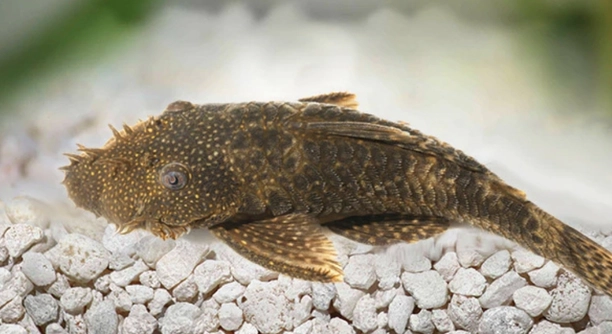
Have you ever noticed your pleco becoming more active once the lights go out, swimming around the tank in quick, constant circles? Their nighttime behavior often catches fish owners by surprise, especially when everything else seems calm and still.
Plecos often swim in circles at night due to their nocturnal nature and instinctual need to search for food, establish territory, or explore their surroundings. Environmental factors such as water quality, lighting, and tank space can also influence this behavior.
Understanding these nightly movements helps ensure your pleco’s comfort and reveals more about its natural instincts and needs in a home aquarium.
Understanding Your Pleco’s Nocturnal Nature
Plecos are naturally nocturnal fish, meaning they are most active when the lights are off and the surroundings are calm. In their natural habitat, they explore at night, searching for food and shelter while avoiding predators. When kept in aquariums, this behavior continues. Many owners notice their plecos resting quietly during the day, then becoming lively once darkness sets in. Swimming in circles is often their way of exploring the tank, checking their territory, or searching for leftover food. It can also be a sign of excitement or stimulation caused by slight changes in lighting or water flow. Observing these patterns helps you understand your pleco’s rhythm and comfort level, ensuring that you are meeting their natural needs even in captivity.
Some plecos may also display circular swimming when they are getting used to a new environment or adjusting to tank mates. This usually fades once they settle in.
If your pleco’s nighttime swimming seems constant or frantic, it may be reacting to stress or discomfort in its surroundings. Factors such as sudden noises, inconsistent lighting, or limited space can cause restlessness. Keeping the aquarium environment steady and calm encourages natural behavior without excessive pacing or circling movements.
Environmental Factors That Influence Behavior
Water quality, lighting, and tank size all play a large role in how your pleco behaves at night. Poor water conditions can cause stress, leading to repetitive movements like circling or darting.
A healthy pleco requires stable water parameters, with proper filtration and consistent cleaning to maintain oxygen levels and temperature. Dim or natural lighting during nighttime hours supports their nocturnal activity without overwhelming their senses. A spacious tank allows room to explore without feeling restricted, which reduces stress-related swimming. Decorations, caves, and driftwood help mimic their natural environment, giving them places to rest and hide. Avoid overfeeding, as leftover food can affect water quality and make plecos restless. Keeping the tank balanced and quiet during the night supports their instincts while maintaining overall health. Observing your pleco’s patterns regularly ensures you can notice early signs of stress or discomfort and adjust the setup before problems arise.
Common Stress Triggers
Stress can cause your pleco to swim in circles more than usual. Sudden changes in water temperature, aggressive tank mates, or bright lighting can make them feel unsafe. Even minor shifts in their environment can disrupt their usual calm and natural behavior.
Poor tank setup is one of the main causes of stress in plecos. If they lack hiding spaces or driftwood to rest on, they may swim aimlessly trying to find security. Strong currents from filters can also make them restless, especially if they struggle to stay in one area. Ensuring stable water temperature and reducing loud noises near the aquarium helps create a sense of safety. Regular water testing, slow adjustments during cleaning, and careful selection of tank mates can all prevent unnecessary stress and promote steady nighttime activity.
When stress is consistent, plecos may also reduce feeding and lose interest in exploring. Prolonged tension affects their health and weakens their immune system. Watching for erratic swimming, frequent hiding, or pale coloring can alert you to a potential problem early. Addressing stress quickly by improving tank comfort, adjusting lighting, or reducing aggression from other fish keeps your pleco calm and encourages normal nocturnal patterns.
Signs of Healthy Nighttime Behavior
A pleco showing steady, calm movements at night is usually in good condition. Gentle gliding, slow exploring, and feeding from tank surfaces are all normal signs of comfort and security.
Healthy nighttime behavior also includes short bursts of activity followed by rest periods. This rhythm reflects a pleco’s natural balance between feeding and conserving energy. When your fish returns to a preferred spot after exploring, it indicates confidence in its territory. You may notice it cleaning surfaces, nibbling algae, or occasionally swimming in wide loops around the tank. All these behaviors suggest contentment and environmental stability. Keeping the water parameters consistent and avoiding unnecessary light exposure supports this natural routine. When your pleco feels secure, its nighttime swimming becomes relaxed and purposeful, showing that your care is helping it thrive.
Tank Space and Layout
A cramped tank can cause a pleco to swim in circles repeatedly. Limited space restricts exploration and can increase stress. Properly spacing decorations and leaving open swimming areas helps them move naturally and reduces unnecessary circling.
Adding caves, driftwood, and plants gives plecos safe resting spots. These structures allow them to hide or rest when needed, which balances their activity. Without such spots, they may pace or circle, appearing restless. Adjusting the layout to provide both open areas and secure hiding places supports healthier nocturnal behavior.
Feeding and Nutrition
Plecos need a balanced diet with algae wafers, vegetables, and occasional protein sources. Inadequate nutrition can lead to increased nighttime activity as they search for missing food. Consistent feeding schedules help them feel secure and reduce aimless swimming. Proper nutrition ensures energy levels match their natural activity cycles.
Water Temperature
Maintaining stable water temperature is crucial. Sudden fluctuations can disrupt plecos’ internal rhythms and cause stress-related circling. Keeping the tank within recommended temperature ranges ensures consistent nighttime behavior and overall health, supporting their nocturnal patterns and comfort.
Observing Behavioral Changes
Monitoring your pleco’s activity helps identify early signs of stress, illness, or environmental issues. Noticing deviations in swimming patterns allows timely adjustments in care, improving their well-being and supporting natural routines.
FAQ
Why does my pleco swim in circles only at night?
Plecos are nocturnal by nature, meaning their activity peaks when the lights are off. Circling at night is often part of their normal exploration, feeding, or territorial behavior. It allows them to check the tank for food or adjust to surroundings without daytime disturbances.
Is it normal for plecos to be restless at night?
Yes, some restlessness is normal. Plecos may move frequently, nibble on surfaces, or swim in loops as part of their natural routine. As long as they return to resting areas and feed normally, occasional nighttime activity is not a concern.
Could circling indicate stress or illness?
Persistent, frantic, or unusual circling can signal stress or health issues. Factors like poor water quality, sudden temperature changes, aggressive tank mates, or lack of hiding spaces can cause discomfort. Illnesses may also trigger repetitive movements. Monitoring their behavior alongside water conditions can help identify problems early.
Does tank size affect nighttime swimming?
Yes, a small or overcrowded tank can cause plecos to swim in circles more frequently. They need space to explore and structures like caves or driftwood to feel secure. Adequate tank layout reduces stress and supports natural nocturnal behavior.
How does lighting impact pleco activity?
Plecos are sensitive to light. Bright or inconsistent lighting can disturb their nocturnal schedule, causing erratic swimming. Providing a dim or gradually darkening environment at night helps them adjust and promotes calm, purposeful movements.
Can diet influence circling behavior?
Improper nutrition may lead to increased searching behavior at night. Plecos need a mix of algae, vegetables, and occasional protein. Skipping meals or feeding inadequate food can make them more active as they look for missing nutrients. Consistent, balanced feeding supports normal activity patterns.
What signs show that circling is unhealthy?
Indicators of problematic circling include constant, frantic movement, reduced feeding, hiding less, or visible health changes such as pale coloration or lethargy. If these appear alongside water issues or aggressive tank mates, intervention may be necessary to reduce stress and support health.
Does water temperature or quality affect swimming patterns?
Absolutely. Sudden temperature fluctuations, high ammonia, or low oxygen levels can trigger restless or circular swimming. Maintaining stable water parameters through filtration, regular testing, and consistent cleaning helps plecos remain calm and exhibit normal nighttime behavior.
Are plecos territorial when they swim in circles?
Sometimes. Circling may be a way of marking or checking their territory. This is more common in larger plecos or tanks with multiple fish. Providing ample space and hiding spots reduces territorial stress while allowing them to move freely.
Can multiple plecos affect each other’s nighttime behavior?
Yes, tankmates influence activity. Aggressive or dominant plecos can make others swim excessively or hide. Ensuring compatibility, providing enough space, and creating multiple hiding spots helps balance their interactions and supports peaceful nighttime routines.
How do I reduce excessive circling?
Focus on stable water conditions, proper tank layout, consistent feeding, and quiet nighttime environments. Avoid sudden changes in lighting, temperature, or tank setup. Observing behavior regularly allows you to adjust before stress or health issues worsen.
When should I contact a vet?
If circling is constant, frantic, or paired with health signs such as weight loss, discoloration, or lack of appetite, a veterinarian experienced with fish should be consulted. Prompt attention prevents worsening conditions and ensures your pleco stays healthy.
This FAQ section addresses the most common concerns about nighttime circling in plecos, providing practical tips and observations to help maintain their health and comfort. Understanding these behaviors allows you to create an environment where your pleco can thrive naturally.
Final Thoughts
Watching a pleco swim in circles at night can seem strange at first, especially if you are new to keeping fish. However, this behavior is often normal and reflects their natural nocturnal instincts. Plecos are designed to be active when the tank lights are off, exploring their environment, searching for food, and checking their territory. Nighttime activity, including circling, is part of how they interact with their surroundings and maintain a sense of comfort in their home. Observing these patterns closely allows you to understand your pleco’s normal behavior and ensures that any unusual activity is noticed early. It is important to remember that even consistent circling is not always a cause for concern as long as it is accompanied by feeding, rest, and normal coloration.
Environmental factors play a significant role in your pleco’s behavior. Proper tank setup, water quality, and lighting can reduce unnecessary stress that might lead to frantic or constant circling. Providing enough space for swimming, hiding spots such as driftwood or caves, and a balanced diet helps plecos feel secure and satisfied. Sudden changes in water temperature, strong currents, or aggressive tank mates can trigger restless behavior. Keeping water parameters stable, arranging the tank thoughtfully, and maintaining a predictable nighttime environment ensures that your pleco exhibits natural, calm activity. Even small adjustments, like dimming the lights gradually or providing additional hiding areas, can make a noticeable difference in how relaxed your fish feels at night.
Understanding your pleco’s nocturnal habits also emphasizes the importance of observation and care. Regularly monitoring behavior, feeding patterns, and environmental conditions allows you to spot early signs of stress or illness. Healthy plecos will swim purposefully, rest in familiar spots, and return to normal feeding routines. Any sudden changes in movement, appearance, or appetite should be addressed promptly. By providing a well-balanced diet, clean water, and a comfortable habitat, you are supporting your pleco’s overall health and natural behavior. Over time, you will notice that nighttime circling is part of their rhythm rather than a problem. Paying attention to these small details ensures a peaceful, healthy life for your pleco while allowing you to appreciate the subtle behaviors that make each fish unique.

Hello,
If you enjoy the content that we create, please consider saying a "Thank You!" by leaving a tip.
Every little bit helps us continue crafting quality advice that supports the health, happiness, and well-being of pets around the world, for pets of all shapes, sizes, and species.
We really appreciate the kindness and support that you show us!