
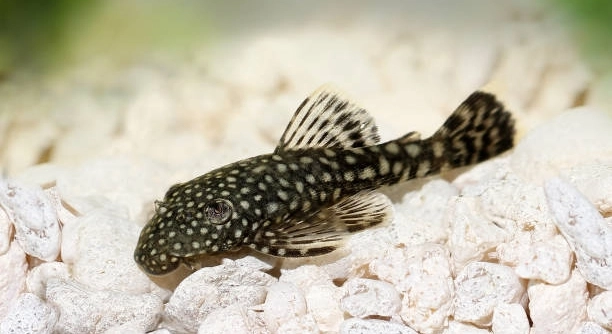
Are your plecos acting restless or hiding more often than usual, leaving you unsure about what could be upsetting them in their tank?
Plecos often experience stress due to improper lighting conditions. Excessive brightness, irregular light cycles, and sudden changes in illumination can disturb their natural rhythms, affecting both their health and behavior. Ensuring a balanced lighting setup helps maintain their calm and comfort.
From unsuitable light duration to harsh glare, several overlooked mistakes can make your plecos uneasy and disrupt their peaceful routines.
Mistake 1: Keeping the Lights On for Too Long
Plecos are nocturnal fish that thrive in dim environments, often hiding during the day and becoming more active at night. When the aquarium light stays on for too long, it interferes with their natural rhythm. Constant brightness can make them anxious, leading to hiding, lack of appetite, and erratic swimming. Long lighting periods also encourage algae growth, which can further stress your plecos by reducing water quality. Ideally, the lights should remain on for about 8 to 10 hours a day. This schedule mimics their natural environment, helping them feel secure and comfortable. Using a timer can help maintain consistency without constant monitoring. A balanced lighting routine not only improves their mood but also enhances the overall health of your aquarium, benefiting both the plecos and other tank inhabitants.
Too much light exposure makes plecos uneasy, disrupting their rest cycles and reducing their overall energy levels over time.
If you notice your plecos hiding excessively, consider adjusting the light schedule gradually. Sudden changes in lighting duration can also cause discomfort. Giving them predictable periods of light and darkness allows their internal clocks to adjust naturally. This small adjustment can create a calmer, healthier atmosphere where your plecos can thrive.
Mistake 2: Using Lights That Are Too Bright
Plecos prefer low-light conditions that mimic shaded riverbeds. Bright aquarium lights can overwhelm their sensitive eyes and create unnecessary stress. Harsh lighting not only affects their comfort but also discourages natural behaviors like grazing on surfaces and exploring the tank.
Overly intense lighting can make plecos retreat constantly, reducing their activity and leading to poor feeding habits. When fish stay hidden most of the time, it’s often a sign they feel unsafe or uncomfortable. To fix this, choose softer lighting or use floating plants to diffuse brightness. Floating plants such as water lettuce or frogbit provide natural shade and give plecos places to hide while still allowing you to enjoy your aquarium’s look. Adjustable LED lights are another practical solution since you can dim them to match the fish’s needs. Remember that every pleco species may respond differently to lighting intensity, so observing their behavior after changes is important. Finding the right balance keeps your plecos stress-free and helps your tank feel more natural.
Mistake 3: Sudden Changes in Light Intensity
Abrupt lighting shifts can startle plecos and trigger stress responses. Turning lights on or off too quickly disrupts their natural adjustment period, causing them to dart or hide suddenly, which can lead to injury or long-term anxiety.
Using gradual lighting transitions helps reduce this stress. A dimmer or sunrise/sunset feature allows light to increase and fade naturally, similar to how daylight changes in the wild. If your lighting system doesn’t have these settings, try turning on a dim room light before the main tank light. This helps plecos adapt smoothly instead of reacting with panic. Over time, maintaining a predictable pattern helps them feel safe and secure in their environment, improving their feeding behavior and overall health.
It’s also important to limit unexpected external light exposure. Bright sunlight entering the room or switching on overhead lights suddenly can startle them. Keeping the aquarium in a stable lighting environment helps plecos remain calm and active without unnecessary stress.
Mistake 4: Inconsistent Lighting Schedule
Plecos rely on consistency to feel secure, and irregular lighting patterns can confuse their internal rhythm. When the lights turn on or off at random times, they struggle to recognize when it’s time to rest or explore, leading to stress and reduced activity levels.
Maintaining a stable lighting routine supports their natural behaviors and helps regulate their energy. Using an automatic timer is one of the simplest ways to achieve this. Set it to provide about 8 to 10 hours of light daily, followed by complete darkness at night. Avoid frequently changing the timing, as even small shifts can unsettle your plecos. A regular schedule keeps them calm and supports healthier feeding habits. It also benefits other tank residents by creating a steady day-night cycle that encourages natural movement and interactions, helping the entire aquarium stay balanced and peaceful.
Mistake 5: Placing the Tank Near Direct Sunlight
Direct sunlight causes unpredictable light intensity and rapid temperature changes that can disturb plecos. It also promotes excessive algae growth, making the tank harder to maintain. Consistent, controlled lighting keeps their environment stable and reduces stress.
Positioning the tank away from windows helps prevent glare and sudden brightness. If sunlight exposure is unavoidable, use blinds or curtains to diffuse the light. This keeps the tank temperature balanced and avoids overstimulation, helping plecos stay calm and active in a comfortable, shaded environment.
Mistake 6: Lack of Hiding Spots with Proper Lighting Balance
Plecos need shaded hiding areas to feel secure, especially during daylight hours. Without proper shelters, bright light can make them feel exposed and stressed. Adding driftwood, rocks, and caves creates darker zones where they can rest comfortably. Proper lighting should highlight the tank while preserving shadowed spots.
A good balance between light and shade mimics their natural habitat and reduces anxiety. When plecos can choose where to stay, they’re more relaxed and display healthier behavior. Ensure your lights don’t directly shine into their hiding spots, and avoid rearranging decor too often, as stability helps maintain their sense of safety and routine.
Mistake 7: Ignoring Light Reflection from Tank Surfaces
Reflections on the glass can confuse plecos, making them think another fish is invading their space. This often causes defensive or skittish behavior, especially in tanks with strong lighting. Adjusting light angles or using background covers can help reduce reflections and maintain a calmer environment.
FAQ
How many hours of light do plecos need each day?
Plecos do best with about 8 to 10 hours of light daily. This amount provides enough brightness for the tank’s ecosystem without overstressing the fish. Their natural habitat consists of shaded rivers and areas with filtered sunlight, so too much exposure can make them uneasy. It’s best to create a predictable cycle by using an automatic timer. This ensures that lights turn on and off at the same time each day. A consistent pattern helps plecos rest properly during dark hours and stay active when it’s light. Avoid extending the light period, as it can cause anxiety, algae growth, and disrupted feeding habits.
Do plecos like complete darkness at night?
Yes, plecos prefer full darkness when it’s time to rest. They are nocturnal fish, meaning they’re most active when the lights go out. Darkness allows them to explore freely and feed without feeling exposed. If the room has other light sources at night, such as lamps or TV screens, try to minimize their effect on the tank. Using a background cover or positioning the aquarium away from bright areas helps. This nighttime darkness plays a key role in maintaining their natural behavior, reducing stress, and encouraging consistent activity patterns.
Can bright lighting cause plecos to stop eating?
Bright lighting can definitely affect their feeding habits. When the tank is too bright, plecos may feel unsafe and refuse to come out for food. Over time, this leads to reduced nutrition and slower growth. To encourage normal feeding, create dimly lit zones using plants, rocks, or driftwood. Floating plants help diffuse the light while keeping the water surface calm. Feeding them after the lights dim or go off can also encourage more natural foraging behavior. A comfortable lighting level ensures they stay healthy and confident during feeding times.
Why does my pleco hide all the time even with proper lighting?
Constant hiding can still happen even if your lighting setup seems right. This behavior may be linked to other stress factors like sudden movements around the tank, strong currents, or poor water quality. Plecos also hide more often when they don’t have enough shaded areas. Adding secure spots such as caves, tunnels, and wood structures encourages them to come out when they feel ready. Observe their behavior for a few days after making small adjustments to lighting or decor. Consistency in their surroundings often helps reduce their anxiety over time.
Are LED lights safe for plecos?
LED lights are safe and effective when used correctly. They provide customizable brightness and energy efficiency, allowing you to simulate natural day and night cycles. The key is to avoid overly intense light and sudden changes in brightness. Choose adjustable LEDs that let you control intensity or include a dimming feature. Some LED systems even offer gradual sunrise and sunset effects, which help plecos adjust smoothly. This kind of lighting mimics the slow transition of daylight and prevents startling reactions. Soft, indirect LED lighting works best for maintaining their comfort and reducing stress levels.
Can I use blue night lights for my plecos?
Blue lights, often called moonlights, can be used carefully for short periods. They help you observe nocturnal activity without disturbing the fish too much. However, leaving them on all night isn’t ideal. Plecos still need full darkness for proper rest and natural rhythm balance. Too much light at night can interrupt their sleep cycle and make them less active during feeding hours. If you enjoy viewing your plecos after dark, limit blue light use to a couple of hours. This way, you can watch them comfortably without affecting their long-term health or routine.
What happens if lighting mistakes continue for too long?
Extended exposure to improper lighting can lead to chronic stress. This may show through dull coloration, hiding, slower growth, or even health issues like weakened immunity. Plecos depend on steady light patterns to feel safe and behave normally. Constant brightness or frequent changes confuse their internal rhythm, leading to long-term anxiety. Over time, stress also affects their appetite and overall vitality. To prevent this, make small, gradual corrections to your lighting setup. Creating a stable, natural light cycle helps your plecos stay healthy, active, and peaceful in their environment.
Final Thoughts
Caring for plecos may seem simple at first, but lighting is one of those small details that can make a big difference. These fish depend heavily on a calm and steady environment to stay healthy. When the light is too bright, inconsistent, or poorly timed, it can easily cause stress. This stress often goes unnoticed until you start to see changes in behavior, like hiding more, refusing to eat, or becoming less active. A balanced lighting setup helps maintain their comfort and allows them to act naturally. By keeping their tank lighting stable and predictable, you help create a safe environment that supports both their physical and mental well-being.
Good lighting isn’t just about visibility—it’s about balance. Plecos thrive in settings that resemble their natural habitats, where shaded areas and gentle light shifts occur throughout the day. Mimicking this rhythm is one of the easiest ways to keep them relaxed. Using a timer, adding plants to create shade, and choosing adjustable lights are small but effective adjustments. Each of these steps works together to reduce stress and promote healthier routines. Once the lighting feels right, you’ll notice your plecos behaving more confidently—exploring, grazing, and displaying their natural patterns. The more stable the lighting conditions, the more peaceful the tank atmosphere becomes.
Many aquarists underestimate how sensitive plecos are to light, but awareness is the first step toward improvement. Once you understand what affects their comfort, it becomes easier to fine-tune your tank to meet their needs. Avoid making sudden changes, whether it’s adjusting the schedule or replacing the light fixture. Instead, introduce new settings gradually so they have time to adapt. Over time, a calm lighting environment can even encourage breeding behavior and longer lifespans. The key is consistency—keeping the light duration steady, ensuring the tank isn’t hit by direct sunlight, and maintaining enough shaded spots. When you give plecos the kind of lighting that aligns with their natural rhythm, they reward you with vibrant colors, steady growth, and relaxed behavior. In the end, proper lighting isn’t just about aesthetics; it’s an essential part of keeping your plecos happy, healthy, and stress-free.

Hello,
If you enjoy the content that we create, please consider saying a "Thank You!" by leaving a tip.
Every little bit helps us continue crafting quality advice that supports the health, happiness, and well-being of pets around the world, for pets of all shapes, sizes, and species.
We really appreciate the kindness and support that you show us!