
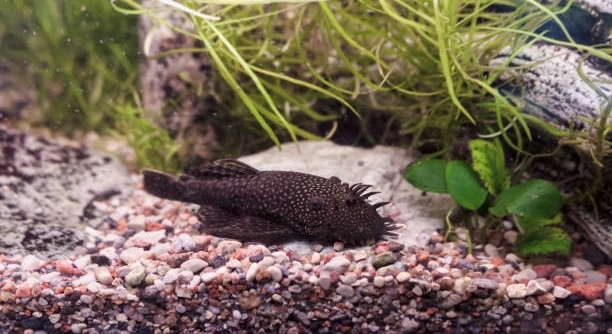
Do you ever find yourself arranging your aquarium, making sure every decoration looks just right, while also thinking about the little plecos swimming around? These bottom-dwelling fish explore everything and can sometimes come into contact with sharp objects.
Plecos can indeed get injured from sharp decor in their tanks. Cuts, scrapes, and fin damage may occur if they brush against jagged edges or rough surfaces. Ensuring smooth decorations and avoiding sharp materials reduces the risk of injury.
Knowing how decorations affect your plecos is important for their well-being and helps maintain a safe and comfortable aquarium environment for them.
Common Aquarium Decorations That Can Cause Harm
Sharp rocks, broken shells, and jagged driftwood are common items in aquariums that may injure plecos. While these decorations often look natural and interesting, they can have edges that scrape or cut fish. Plecos, being bottom dwellers, spend a lot of time exploring the tank floor. When they rub against rough surfaces, their fins, tails, or even bodies can get damaged. Glass or acrylic ornaments with chipped edges can also be risky, especially if they were handled roughly during installation. Some decorations, even plastic ones, may develop cracks over time, creating sharp points. Regular inspection of all items in the tank is essential to prevent injury. Smoother stones, polished driftwood, and rounded ornaments are much safer choices. Not all natural-looking decorations are safe, so careful selection is crucial. Plecos are hardy fish, but even minor cuts can lead to infections or stress, so protecting them should be a priority.
Keeping decorations smooth and rounded helps ensure plecos stay safe and reduces the chance of injury from sharp edges.
Even when decorations seem harmless, small jagged areas can be hidden. Plecos often hide under objects or squeeze between rocks, unknowingly exposing themselves to sharp surfaces. Over time, repeated contact with rough areas may lead to fin tears, abrasions, or open wounds. Once injured, plecos can develop infections, especially if the tank water quality is poor. It is not just the large edges that matter; even tiny splinters or sharp points can cause harm. Observing your plecos’ behavior around certain decorations can reveal which items pose risks. Swapping dangerous pieces for smooth alternatives ensures their environment is safe. Using aquarium-safe silicone to seal rough spots or polishing edges can also help. Regular maintenance, like checking for cracks in rocks or plastic ornaments, keeps the tank safer. A careful setup prevents accidents and keeps your plecos healthy, allowing them to explore confidently without injury.
How to Safely Decorate Your Tank
Selecting safe decorations is key to protecting plecos. Smooth, rounded items are best to prevent cuts and abrasions.
Start by avoiding rough, jagged surfaces that plecos might scrape against. Rocks should be polished or naturally smooth, and driftwood should have no splinters. Avoid glass ornaments with sharp edges or cracks. Plastic decorations must be checked for cracks and sharp corners. Rounded caves and tunnels are ideal, as they allow hiding without risk. Layering sand or fine gravel under decorations can prevent plecos from scraping against edges. Arranging the tank so fish have plenty of open space reduces accidental contact with decorations. Observing how plecos interact with their environment helps identify risky items before injuries occur. Cleaning and inspecting decorations regularly ensures they stay smooth and safe. By combining thoughtful decoration selection with consistent maintenance, the tank becomes a secure habitat. Plecos can freely explore, graze, and rest without worry, improving their overall health and reducing stress. Safe decorations are not only better for your fish, but they also make caring for them easier and more enjoyable.
Recognizing Signs of Injury
Cuts, torn fins, or unusual swimming behavior often indicate pleco injuries. Cloudy patches or red streaks on their bodies can also be signs of scrapes. Prompt attention can prevent further damage and infection.
Plecos may hide more than usual or avoid certain areas if they are hurt. Damaged fins can make swimming awkward or slow. Observing their feeding habits can also reveal issues—injured fish might eat less or struggle to reach food. Sometimes injuries are subtle, like small abrasions on the tail or sides, so a careful inspection during routine tank maintenance is important. Quick identification allows for treatment or changes to the tank that reduce risk. Monitoring water quality helps prevent infections in case of injury, as poor conditions can worsen wounds. Keeping a first-aid plan ready, such as isolating injured fish or using mild antiseptics, ensures plecos recover faster.
Even minor injuries can escalate if left untreated. Continuous rubbing against rough surfaces or aggressive tank mates can worsen cuts. Maintaining a safe environment with smooth decorations and clean water supports healing. Observation combined with preventive measures reduces stress and keeps plecos healthier over time.
Treating and Preventing Injuries
Immediate care is important for plecos with visible wounds. Isolating the injured fish can prevent further harm.
Treating pleco injuries starts with moving the fish to a quarantine tank to reduce stress and prevent infection. Using clean water and adding mild aquarium salt can help wounds heal faster. Observing the fish daily for changes in appearance or behavior ensures timely adjustments to treatment. Preventing injuries means keeping decorations smooth and checking for damage regularly. Rounded rocks and polished wood minimize scraping, and rearranging the tank occasionally can eliminate hidden hazards. Maintaining high water quality reduces the risk of infection, as healthy conditions support natural healing. Adjusting tank layout to allow free swimming and clear hiding spaces lowers the chances of accidental contact with sharp objects. By combining careful decoration choices with prompt care for injuries, plecos remain safe and active.
Safe Materials for Pleco Tanks
Smooth river rocks, polished driftwood, and rounded ceramic caves are ideal for pleco tanks. Avoid jagged edges or broken ornaments that can cause cuts.
Plastic decorations can be safe if inspected regularly. Ensure no cracks or sharp corners exist and rinse thoroughly before placing them in the tank.
Maintaining a Safe Environment
Regular tank cleaning and inspection prevent hazards. Check all decorations for wear, cracks, or sharp spots that could injure plecos. Replace or smooth any risky items immediately. Keep gravel or substrate even to avoid fish scraping against rough surfaces.
Observing Pleco Behavior
Pay attention to changes in swimming patterns or hiding habits. Injured or stressed plecos often behave differently, signaling potential issues in the tank setup.
FAQ
Can plecos heal from minor cuts on their own?
Yes, plecos can recover from small cuts if the water quality is good and there are no infections. Keeping the tank clean, maintaining proper temperature, and ensuring the fish has enough hiding spots helps natural healing. Mild abrasions often heal without intervention in a healthy tank.
Should I isolate an injured pleco?
Isolating a wounded pleco in a quarantine tank is recommended. It reduces stress, prevents other fish from aggravating the injury, and makes it easier to monitor healing. Quarantine tanks also allow for controlled treatment, such as adding aquarium salt or gentle antiseptics.
What signs show a pleco injury is serious?
Serious injuries include deep cuts, torn fins, excessive bleeding, or visible infections. Behavioral changes like constant hiding, refusing food, or erratic swimming also indicate a problem. Prompt attention prevents worsening conditions and reduces the risk of disease.
Can decorations cause repeated injuries?
Yes, rough or sharp decorations may cause repeated scrapes if plecos constantly brush against them. Even minor repeated injuries can weaken fins or skin over time. Regular inspection and smoothing or replacing hazardous items prevents recurring harm.
Is aquarium substrate a risk factor?
Yes, coarse gravel or sharp sand can scrape plecos while they feed or move along the tank floor. Using smooth sand or rounded gravel reduces abrasion risks. Layering fine substrate under rougher decorations also adds a protective barrier.
Are all driftwood types safe for plecos?
Not all driftwood is safe. Splintered or jagged driftwood can injure fish. Properly prepared, sanded, or naturally smooth driftwood is safer. Boiling or soaking driftwood also removes rough edges and reduces the chance of injury.
How can water quality affect injury recovery?
Poor water conditions can slow healing or cause infections. High ammonia or nitrite levels, low oxygen, or dirty tanks increase stress and worsen wounds. Maintaining stable water parameters supports natural recovery and reduces health risks.
Should I use medications for minor injuries?
Minor abrasions may not need medication if the tank is clean and conditions are optimal. For deeper cuts or infected wounds, mild antiseptics or aquarium-safe antibiotics can prevent complications. Observation is key to determine if treatment is necessary.
How often should I inspect decorations?
Decorations should be checked weekly for cracks, sharp edges, or wear. Even smooth items can develop hazards over time. Regular inspection allows early intervention, keeping plecos safe while exploring their environment.
Can plecos injure themselves on each other?
Aggression or territorial disputes can cause injuries, especially among larger plecos. Providing enough hiding spaces, smooth decorations, and adequate space helps reduce physical conflicts. Monitoring interactions ensures minor scrapes don’t turn into serious wounds.
What’s the best way to prevent future injuries?
Select smooth, rounded decorations, maintain water quality, and monitor pleco behavior regularly. Replace or repair any rough items, provide ample hiding spots, and ensure enough swimming space. Consistent observation and care significantly reduce the risk of injuries and stress in your plecos.
How can I tell if a pleco is stressed from injuries?
Signs of stress include reduced appetite, hiding more than usual, erratic swimming, or frequent contact with surfaces. Stress can slow healing and weaken immunity. Addressing tank hazards and improving conditions supports recovery and overall well-being.
Are all tank-safe decorations completely risk-free?
Even decorations labeled safe can pose risks if damaged or poorly maintained. Smooth, intact, and properly placed items are generally safe, but regular checks are still necessary. Observing pleco interactions with objects helps identify hidden dangers before injuries occur.
How do I treat fin tears?
Fin tears often heal naturally if the environment is clean and stress-free. Isolate the fish if the tear is severe to prevent worsening. Adding aquarium salt can reduce infection risk. Observe daily for changes, ensuring the fin gradually regrows without complications.
Can repeated injuries affect pleco growth?
Yes, chronic injuries can stunt growth, weaken the immune system, or lead to infections. Maintaining a safe environment, proper nutrition, and minimal stress supports healthy development and prevents long-term damage from recurring scrapes or cuts.
Is it necessary to remove all sharp decorations?
Not all sharp decorations need removal if plecos do not interact with them. However, removing or smoothing any items that have caused injuries in the past is essential. Preventive measures reduce risk and ensure a safer habitat.
Do plecos ever avoid dangerous areas naturally?
Some plecos learn to avoid certain rough surfaces, but this is not guaranteed. Juveniles or newly added fish may explore aggressively, increasing the risk of injury. Observing behavior helps identify hazards that need attention.
Can stress from injuries affect other fish?
Yes, stressed plecos may behave differently, which can influence the overall tank dynamics. Reduced feeding, hiding, or aggression can indirectly affect other fish. Ensuring a safe environment helps maintain harmony and overall health in the aquarium.
How long does it take for plecos to fully heal?
Healing time depends on injury severity and tank conditions. Minor scrapes may heal within a few days, while deeper cuts or fin tears can take weeks. Consistent care, clean water, and low-stress conditions speed up recovery and prevent complications.
What routine practices keep plecos safe long-term?
Weekly inspection of decorations, smooth substrate, proper water parameters, and ample hiding spaces are essential. Observing behavior, isolating injured fish, and maintaining a safe, stress-free environment ensures plecos remain healthy and minimizes the risk of injury over time.
This FAQ section covers common concerns and practical steps to prevent and treat pleco injuries, ensuring a safer, healthier tank environment.
Final Thoughts
Keeping plecos safe in your aquarium requires a combination of careful decoration choices, regular observation, and good tank maintenance. Sharp or jagged objects can cause injuries that range from small cuts to more serious wounds. Even decorations that seem smooth at first can develop rough edges over time, or break unexpectedly. Paying attention to the materials you place in the tank is essential. Rocks, driftwood, and artificial ornaments should be checked regularly for cracks, splinters, or sharp points. Choosing naturally smooth or polished decorations reduces the risk of scrapes and abrasions, making the environment safer for plecos to explore. Simple steps like sanding rough edges or replacing worn items can prevent injuries before they happen. The tank layout also matters—ensuring there is enough open space and avoiding tightly packed decorations gives plecos room to swim without constantly brushing against risky surfaces.
Water quality is equally important when it comes to preventing and treating injuries. Poor water conditions can slow healing and increase the risk of infections in wounded plecos. Maintaining proper filtration, regular water changes, and stable parameters like pH, ammonia, nitrite, and nitrate levels support natural recovery. Injured plecos are more vulnerable to stress, and stress can affect their appetite, swimming behavior, and overall immune system. Isolating fish with visible injuries in a quarantine tank helps reduce stress and prevents further damage. Adding mild aquarium salt or other gentle treatments can support healing, but clean water and minimal stress are the most effective ways to ensure wounds heal properly. Observing your plecos daily allows you to catch small injuries early and take the necessary steps before they become more serious.
Finally, understanding pleco behavior helps keep them safe in the long term. These fish spend a lot of time near the bottom, exploring, grazing, and hiding. Providing plenty of hiding spaces like smooth caves and tunnels reduces stress and limits the chance of contact with sharp objects. Watching how they interact with decorations can highlight potential hazards, even if the items themselves seem harmless. Regular inspection of all decorations, combined with safe placement and thoughtful tank arrangement, ensures that plecos have both a stimulating and secure environment. When plecos are free from injury and stress, they thrive, showing healthy growth, active behavior, and beautiful fins. Taking these precautions is not difficult, but it makes a significant difference in their long-term health and well-being. Consistent care, attention to detail, and safe decoration choices help create a tank where plecos can live comfortably without the risk of unnecessary injuries.

Hello,
If you enjoy the content that we create, please consider saying a "Thank You!" by leaving a tip.
Every little bit helps us continue crafting quality advice that supports the health, happiness, and well-being of pets around the world, for pets of all shapes, sizes, and species.
We really appreciate the kindness and support that you show us!