
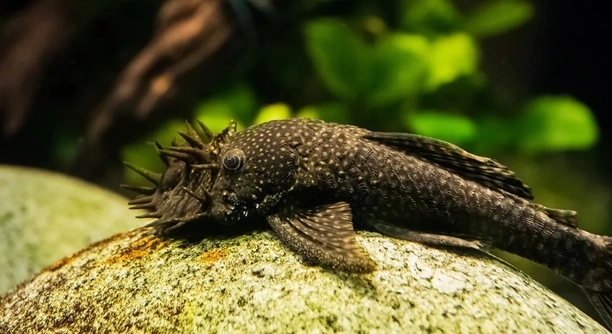
Have you ever noticed your pleco acting differently and started wondering if it might not be eating enough? These peaceful bottom dwellers often hide their health issues until they become more serious.
A pleco is underfed when it shows visible signs such as a sunken belly, reduced activity, and increased scavenging behavior. Weight loss, dull coloration, and frequent algae scraping also indicate insufficient nutrition, requiring immediate dietary adjustments for proper care.
Recognizing these early signs can make a big difference in keeping your pleco healthy and active for years to come.
1. Sunken Belly and Visible Ribs
When your pleco isn’t getting enough food, one of the first signs you might notice is a sunken belly. Their underside should appear slightly rounded, not hollow. If the belly looks thin or concave, it’s usually a sign of underfeeding. You may also see faint rib outlines, especially near the pectoral fins. This can happen when they’re not receiving enough protein or vegetable matter in their diet. It’s important to check that food is actually reaching the bottom of the tank since plecos are bottom feeders. Sometimes, other fish eat everything before your pleco has a chance. Regularly observe your pleco during feeding times and ensure sinking pellets or wafers are provided. Over time, consistent feeding habits will help restore its healthy body shape and energy levels.
A sunken belly not only looks concerning but also signals that your pleco’s nutritional needs aren’t being met consistently enough.
Keeping your pleco’s body shape healthy requires providing sinking algae wafers, blanched vegetables like zucchini, and occasional protein-based treats. Balanced feeding helps them maintain strength and prevent long-term issues. Observing changes in their appearance can help you catch underfeeding early. With steady nutrition, your pleco will regain its natural fullness and vibrant energy.
2. Increased Algae Scraping
If you notice your pleco scraping every surface of the tank more than usual, it might be searching for food. This behavior often happens when it’s not receiving enough from regular feedings. Though plecos naturally graze on algae, excessive scraping means they are compensating for hunger.
A well-fed pleco will graze casually, but one that’s underfed will spend most of its time searching for more. This can lead to overexertion and stress. To prevent this, feed them once or twice daily with foods that sink quickly. You can supplement their diet with algae wafers, cucumber slices, or peas. Make sure there’s always a small amount of leftover food during feeding; this ensures they get their share before it’s gone. Remember, algae in the tank isn’t enough to meet their nutritional needs. Giving your pleco a variety of foods keeps them satisfied, improves their color, and reduces obsessive scraping behavior.
3. Reduced Activity and Hiding More Often
When plecos don’t get enough food, they often become less active and spend most of their time hiding. Their energy levels drop, and you’ll notice them moving less, even during nighttime when they are usually more active.
An underfed pleco may stay motionless under driftwood or behind decorations for long periods. This behavior is caused by a lack of nutrients that fuel their normal routines. Since plecos are naturally nocturnal, it’s easy to miss this change, but watching their activity at night can help. Try adjusting feeding times to when the tank lights are off, as they feel more comfortable eating in the dark. Providing a balanced diet with sinking pellets and vegetables will slowly restore their activity and alertness, helping them return to their usual behavior.
If your pleco’s movement remains low after feeding adjustments, it might need a bit more time to recover its strength. Gradually improving feeding frequency and offering small meals consistently can help it regain energy without overfeeding. Patience and routine are key here. Monitor how often it comes out at night and whether it shows interest in food again. These small improvements are signs that your pleco is on the path to better health and balance.
4. Dull or Faded Coloration
When a pleco isn’t eating enough, its colors often start to fade. Healthy plecos usually display rich, dark tones with clear patterns, but a lack of proper nutrition can cause them to look pale or washed out. This change can happen slowly, so it’s important to pay close attention.
Color fading usually results from vitamin deficiencies and overall stress. Plecos rely on a balanced diet that includes both algae-based foods and protein-rich options to maintain their natural colors. If your pleco’s color looks dull, start by checking if other tankmates are outcompeting it for food. Try feeding after lights go out or offering food in multiple spots to make sure it gets enough. Adding spirulina-based pellets and blanched vegetables can also help restore pigmentation. With steady, proper feeding, your pleco’s natural color should gradually return, showing signs of good health and improved diet.
5. Excessive Scavenging Behavior
If your pleco is constantly rummaging through the substrate or clinging to decorations in search of food, it may not be getting enough. This behavior often increases when other fish eat most of the food before it reaches the bottom.
Frequent scavenging can lead to stress and even health issues if the pleco consumes debris or spoiled food. Feeding sinking pellets directly where your pleco rests helps reduce this behavior. Offering extra vegetable slices or algae wafers can also keep them satisfied and prevent unnecessary searching.
6. Weight Loss Over Time
When a pleco is underfed for an extended period, slow weight loss becomes visible. Its body may appear thinner, and the area around the head can look slightly sunken. This indicates that the fish is not getting the energy it needs to maintain normal function. A consistent feeding schedule is essential to fix this issue. Providing high-quality, nutrient-rich foods helps rebuild lost weight. You can also observe its feeding habits closely for a few weeks to ensure it’s actually eating. Over time, steady nutrition will restore a healthy shape and stronger resistance to illness.
7. Less Waste Production
A noticeable decrease in waste often points to reduced food intake. Plecos that are not eating enough produce smaller or fewer droppings than usual. Keeping an eye on this simple sign can help identify underfeeding early and prevent further health problems.
FAQ
How often should I feed my pleco?
Most plecos should be fed once or twice a day, depending on their size and activity level. Smaller plecos usually do better with two light feedings, while larger ones can be fed once at night. Since plecos are nocturnal, feeding them after the tank lights go out helps ensure they get enough food without competition. It’s important to give them only what they can eat in a few hours to prevent overfeeding and water pollution. Consistency is key—feeding at the same time each day helps them develop a healthy routine.
What is the best food for plecos?
A balanced pleco diet includes algae wafers, sinking pellets, and fresh vegetables. Zucchini, cucumber, spinach, and peas are great choices that provide fiber and nutrients. For protein, you can offer shrimp pellets or occasional bloodworms, especially for species that require more meat in their diet. Make sure to rotate their food sources to prevent boredom and cover all nutritional needs. Avoid feeding them only algae from the tank—it doesn’t contain enough nutrients to sustain them long-term. Variety will keep your pleco healthier and more vibrant.
Can plecos survive only on algae in the tank?
No, plecos cannot live on algae alone. While they enjoy grazing on algae, it doesn’t provide enough protein or essential nutrients. Relying solely on tank algae can cause malnutrition, weight loss, and weakened immunity. You should always provide sinking pellets and vegetables to balance their diet. Algae in the tank should be treated as a supplement, not a main food source. Think of it as a snack between proper meals rather than a complete diet.
Why does my pleco ignore food?
Sometimes plecos ignore food due to stress, changes in water quality, or tank disturbances. If your pleco recently moved to a new tank, it might take a few days to adjust. Check water temperature, pH, and ammonia levels to ensure they’re within safe ranges. Another reason could be that the pleco is eating at night when you can’t see it. Try observing the tank with a dim light in the evening to confirm whether it eats after dark. If your pleco continues to avoid food, it may need a diet adjustment or different feeding times.
How do I make sure my pleco gets food when other fish eat faster?
Feed your pleco after the lights go out, when most other fish are less active. Use sinking wafers that reach the bottom quickly, or drop food near the pleco’s hiding spots. Spreading food in different areas of the tank also helps. You can use vegetables weighted down with clips or skewers so your pleco can eat in peace. Feeding during quiet hours ensures it gets its share before the rest of the fish finish everything.
What vegetables can I safely give my pleco?
Plecos love a variety of vegetables, including zucchini, cucumber, spinach, green beans, lettuce, and sweet potato. Blanching the vegetables—boiling briefly and cooling—softens them, making them easier to eat. Avoid giving onions, garlic, or anything seasoned, as these can harm your pleco. Rotate different vegetables throughout the week to maintain balanced nutrition and encourage natural grazing behavior.
Why is my pleco staying hidden all the time?
While plecos naturally like hiding, constant hiding during feeding times could mean it isn’t getting enough food or feels unsafe. Ensure the tank has calm lighting, proper hiding spaces, and enough food reaching the bottom. Feeding at night or in dim light often encourages them to come out. If they remain hidden for days, check for tank stressors such as aggressive tankmates or poor water conditions.
Can I overfeed my pleco?
Yes, overfeeding is possible and can lead to poor water quality and bloating. Uneaten food quickly decomposes, raising ammonia and nitrate levels. Feed only what your pleco can eat within a few hours. It’s better to feed small portions more frequently than to give too much at once. Consistent, measured feeding keeps both your pleco and the tank environment healthy.
How long can a pleco go without food?
A healthy adult pleco can go a few days without food, but this shouldn’t happen regularly. Young plecos need daily feeding to support growth and energy. Skipping meals too often weakens their immune system and slows metabolism. If you must be away, use automatic feeders or leave algae wafers that release slowly. Planning ahead ensures your pleco stays nourished even during short absences.
Does tank size affect how much a pleco eats?
Yes, tank size influences feeding habits. In larger tanks, plecos expend more energy exploring and may need slightly more food. Smaller tanks limit their movement, so their energy needs are lower. Always observe your pleco’s body shape to decide if you’re feeding enough. A rounded belly and steady activity usually indicate a healthy, well-fed pleco.
Final Thoughts
Caring for a pleco goes beyond just keeping the tank clean and watching it glide along the glass. These peaceful fish have specific needs that are easy to overlook, especially when it comes to their diet. Underfeeding can happen without realizing it, as plecos are often mistaken for fish that live solely on tank algae. In reality, they need a steady and balanced source of nutrition to stay healthy. A mix of algae wafers, fresh vegetables, and occasional protein-based foods keeps them strong, active, and vibrant. Observing their behavior and physical appearance regularly is one of the best ways to catch early signs of underfeeding before it turns into a serious problem.
Feeding time should be consistent and suited to their natural habits. Since most plecos are nocturnal, they prefer to eat after the lights go out. Feeding at night ensures that your pleco has access to food without competition from other fish. Providing food that sinks quickly or placing it near their favorite hiding spots helps, too. If you notice signs like a sunken belly, dull coloration, or excessive scavenging, it’s time to review how much and how often you’re feeding. Adjusting their diet slowly prevents stress and helps restore proper nutrition. Remember that every pleco species may have slightly different preferences, so getting to know yours makes a difference.
Keeping your pleco well-fed is not just about maintaining its appearance; it directly impacts its health and lifespan. A properly fed pleco will show bright colors, steady activity, and a calm temperament. Over time, you’ll notice how much more lively and interactive they become once their diet is balanced. Consistent feeding routines, high-quality food, and careful observation go a long way toward creating a comfortable environment for them. Even small changes—like offering food at different times or adding more variety—can greatly improve their overall well-being. By understanding their subtle signs and taking action early, you help ensure your pleco stays strong and content in its underwater home. Their quiet presence adds character to any aquarium, and giving them the care they need will keep them thriving for years to come.

Hello,
If you enjoy the content that we create, please consider saying a "Thank You!" by leaving a tip.
Every little bit helps us continue crafting quality advice that supports the health, happiness, and well-being of pets around the world, for pets of all shapes, sizes, and species.
We really appreciate the kindness and support that you show us!