
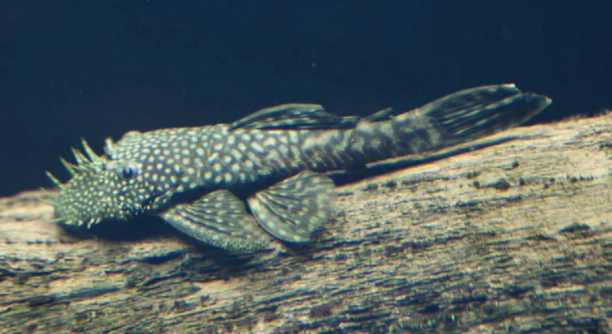
Are your plecos thriving in their tank, or do they seem stressed despite your efforts? Creating an environment that suits their natural behavior can be challenging, but small adjustments make a noticeable difference in their well-being.
Setting up a pleco tank requires attention to water parameters, hiding spots, substrate choice, and plant inclusion. A successful tank combines proper filtration, consistent temperature, and varied decorations to replicate the pleco’s natural habitat and encourage healthy behavior.
Learning how to arrange a pleco tank effectively can improve their health and activity levels. Proper planning ensures your fish feel secure and engaged in their environment.
Natural Driftwood Layout
Using natural driftwood in a pleco tank provides both shelter and surfaces for algae growth. Driftwood also helps maintain slightly acidic water, which many plecos prefer. When arranging driftwood, avoid overcrowding the tank and leave enough open swimming space. Position larger pieces along the tank’s back or sides to create depth and visual interest. Smaller branches or pieces can form hiding spots for shy fish. Ensure all driftwood is properly soaked or boiled to remove tannins that may discolor water. Some plecos enjoy rasping on driftwood, which aids digestion, so placing it in accessible areas benefits their health. Combine driftwood with smooth rocks to create natural caves. Avoid sharp edges that could harm fins or skin. This setup encourages natural behavior, reduces stress, and gives the tank a more organic appearance. The driftwood also serves as a focal point in the tank, enhancing the overall aesthetic while supporting pleco activity.
Driftwood provides shelter, grazing surfaces, and contributes to slightly acidic water preferred by many pleco species.
Including driftwood and rocks in your pleco tank adds natural hiding spots and promotes healthy grazing habits. Proper placement avoids overcrowding, maintains swimming space, and creates visual depth. Smooth surfaces prevent injury, while the combination of textures supports diverse fish behavior. Using driftwood also stabilizes water chemistry and encourages natural scraping activity, which is essential for many pleco species’ digestion and enrichment. Experimenting with varied shapes and sizes can make the tank dynamic without causing stress, allowing plecos to explore and rest as they would in a natural environment. Regular maintenance ensures driftwood does not harbor excess debris or mold, keeping the tank clean and safe. Over time, plecos will adapt to the arrangement and utilize all available surfaces. Adding plants around driftwood enhances hiding spots and contributes to oxygenation and water quality, resulting in a balanced ecosystem that supports long-term pleco health and activity.
Planted Pleco Tank
Adding live plants to a pleco tank improves water quality and creates natural hiding areas. Plants such as Java fern, Anubias, and Amazon swords tolerate plecos’ activity and require low to moderate light. Planted areas offer shaded spots, which reduce stress and mimic natural habitats. When planting, anchor roots securely to prevent uprooting during pleco grazing. Combine taller background plants with low-lying foreground species to provide depth and layers. Avoid delicate plants that plecos may tear or eat. Live plants help absorb excess nutrients, improving water clarity and reducing algae growth. Ensure plants receive adequate nutrients through substrate choice or liquid fertilizers. Including driftwood and rocks alongside plants creates a more natural setup and encourages exploration. A planted pleco tank balances aesthetics and function, supporting both fish health and overall tank stability.
A planted tank enhances water quality while offering plecos shaded hiding spots and grazing areas.
Minimalist Pleco Tank
A minimalist pleco tank uses few decorations and open swimming space. Smooth rocks and a single piece of driftwood provide hiding spots without cluttering the environment. This setup is easy to maintain and keeps water quality stable.
Minimalist tanks reduce stress for plecos by offering wide swimming areas and simple hiding options. Without excessive decorations, water flow remains consistent, and filtration is more effective. Smooth substrates prevent injury while driftwood or a rock cave gives shelter. This approach also highlights the fish, making their colors and patterns more visible. Feeding and maintenance are straightforward, and tank cleaning becomes faster, ensuring a healthier habitat overall.
Minimalist setups can include a few live plants, such as Anubias or Java fern, anchored to driftwood. These plants provide shade and grazing surfaces without overcrowding. Regular trimming keeps the tank tidy. By focusing on essentials, you encourage natural behavior and reduce stress. Minimalist tanks work well for both single plecos and small groups, allowing fish to establish territories comfortably. Proper filtration, regular water changes, and careful monitoring of water parameters ensure long-term success and a visually pleasing, low-maintenance environment.
Cave-Focused Pleco Tank
Cave-focused tanks prioritize hiding spaces using rocks, driftwood, and ceramic caves. Plecos feel secure and exhibit natural nocturnal behavior in these setups. Hiding spots reduce aggression and allow peaceful coexistence.
Cave arrangements improve pleco well-being by replicating natural crevices. Rocks stacked to form tunnels and driftwood caves create multiple layers of shelter. Ceramic caves add uniformity and are easy to clean. Multiple hiding spots prevent territorial disputes among fish. Proper spacing ensures swimming areas remain open while plecos can retreat when stressed. Lighting should be subdued to complement the cave environment, and substrate should be smooth to prevent injury. Regular maintenance includes checking caves for debris and algae buildup to maintain a safe, healthy space.
Combining rocks, driftwood, and ceramic caves encourages exploration while offering security. Plecos use caves for resting, grazing, and spawning, which supports natural behavior. Anchoring driftwood and stabilizing rock stacks prevents collapses. Adding a few hardy plants enhances aesthetics and water quality without obstructing caves. This setup suits various pleco species, particularly those that prefer hiding to open swimming. Regular observation ensures all fish are using spaces appropriately, reducing stress and aggression. Maintaining clean caves and consistent water conditions promotes long-term health, creating a stable, natural-feeling habitat that plecos enjoy and thrive in.
Driftwood-Heavy Pleco Tank
Driftwood-heavy tanks provide multiple surfaces for grazing and natural hiding spots. Plecos enjoy rasping on the wood, which aids digestion. Large pieces create structure, while smaller branches add variety and climbing opportunities.
This setup helps maintain slightly acidic water and encourages natural behavior. Combining driftwood with smooth rocks prevents overcrowding while giving plecos a secure, engaging environment. Properly soaked or boiled driftwood avoids excessive tannins that discolor water.
Brackish Water Pleco Tank
Brackish setups mimic environments with slight salinity, suitable for some pleco species. Salt levels must be carefully monitored, and water changes are essential to maintain stability. This environment enhances pleco coloration and overall health.
Heavily Planted Pleco Tank
A heavily planted tank provides shade, grazing surfaces, and improved water quality. Plants like Amazon swords, Java fern, and Anubias tolerate plecos’ activity and offer multiple hiding spots. Regular maintenance and careful placement prevent uprooting while promoting natural fish behavior.
Open Swimming Pleco Tank
Open swimming tanks focus on wide areas for active movement. Minimal decorations reduce stress and allow plecos to explore freely while still providing a few hiding spots for security.
FAQ
How often should I clean my pleco tank?
Cleaning depends on tank size, filtration, and fish load. Partial water changes of 20–30% weekly help maintain water quality. Remove uneaten food and debris daily. Clean decorations and substrate periodically to prevent algae buildup, but avoid disturbing beneficial bacteria too much.
What type of substrate is best for plecos?
Soft, smooth substrates such as sand or fine gravel are ideal. They prevent injury while plecos search for food along the bottom. Avoid sharp gravel that can damage fins or barbels. Substrate also supports plant roots if you include live plants.
Can plecos live with other fish?
Yes, most plecos are peaceful, but territorial behavior can occur, especially in smaller tanks. Choose tank mates carefully and provide hiding spaces. Avoid aggressive species or fin-nippers to maintain a calm environment. Multiple plecos require sufficient space and caves to prevent conflicts.
Do plecos need driftwood in their tank?
Many species benefit from driftwood, which provides grazing surfaces and helps digestion. It can also slightly lower water pH and create natural hiding spots. Properly soaked or boiled driftwood prevents excessive tannins. Including driftwood improves both health and tank aesthetics.
How big should my pleco tank be?
Tank size depends on species. Smaller plecos can thrive in 30–40 gallons, while larger species may need 75 gallons or more. A bigger tank ensures proper swimming space, reduces stress, and accommodates multiple hiding spots. Always consider adult size when planning a tank.
What should I feed my pleco?
Plecos eat algae, vegetables, and sinking pellets. Offer zucchini, cucumber, spinach, or peas occasionally. Some species require protein, so supplement with bloodworms or shrimp pellets. Feeding once daily is sufficient, removing uneaten food to prevent water quality issues.
How can I encourage natural behavior in plecos?
Provide caves, driftwood, and live plants for shelter and grazing. Include open swimming areas and varied surfaces. Maintain stable water parameters and lighting that mimics their natural cycle. A balanced environment encourages hiding, foraging, and occasional nocturnal activity.
Why is my pleco hiding constantly?
Hiding is normal, especially during the day. Stress, poor water quality, or insufficient hiding spots may increase hiding. Ensure water parameters are stable, and the tank includes caves, driftwood, or plants for security. Observe feeding behavior to confirm health.
Can plecos coexist with shrimp or snails?
Yes, many plecos coexist with shrimp or snails, though larger plecos may eat small snails. Providing plenty of hiding spaces protects invertebrates. Monitor interactions and adjust tank setup if needed to maintain harmony.
How do I maintain water quality for plecos?
Regular water changes, proper filtration, and careful feeding are key. Test pH, ammonia, nitrite, and nitrate levels frequently. Remove uneaten food and decaying plant matter. Avoid overcrowding to prevent stress and maintain a healthy environment. Stable conditions support long-term pleco health.
Do plecos need a heater?
Most plecos prefer tropical temperatures between 74–80°F (23–27°C). A reliable heater ensures stable water temperature, preventing stress or illness. Some species tolerate cooler water, but consistency is more important than exact temperature.
How long do plecos live?
Plecos can live 10–15 years, depending on species, care, and environment. Proper tank setup, balanced diet, and consistent water conditions promote longevity. Regular observation helps detect early signs of illness, contributing to a longer, healthier life.
Is lighting important for plecos?
Plecos are nocturnal and prefer subdued lighting. Bright light can stress them and reduce activity. Dim lighting or shaded areas from plants and driftwood encourages natural behavior while still supporting live plants if included.
Can I breed plecos at home?
Breeding is possible with the right setup: caves, stable water conditions, and suitable diet. Males usually guard eggs in caves. Not all species breed easily in home tanks, and some require specific water chemistry adjustments to trigger spawning.
How do I prevent algae overgrowth in a pleco tank?
Control light exposure, avoid overfeeding, and maintain water quality. Live plants compete for nutrients, reducing algae growth. Plecos help, but do not rely solely on them. Manual removal or algae-eating invertebrates can assist when needed.
What signs indicate my pleco is unhealthy?
Watch for clamped fins, loss of appetite, unusual swimming, or discoloration. Excess mucus or lesions may indicate illness. Check water parameters and adjust feeding. Prompt attention and treatment prevent disease from worsening.
Can plecos live in a community tank?
Yes, with proper size, hiding spots, and compatible species. Avoid aggressive fish. Provide caves and driftwood for shelter, ensuring plecos feel secure and can display natural behaviors without stress. Community tanks can work well if setup is carefully planned.
Do plecos need supplements or vitamins?
A balanced diet usually provides necessary nutrients. Occasional vegetables, algae wafers, or protein sources support health. Avoid over-supplementing, which can lead to water quality issues. Observation of growth, coloration, and activity indicates dietary adequacy.
How do I introduce a new pleco to my tank?
Quarantine new fish to prevent disease introduction. Slowly acclimate to temperature and water parameters. Add hiding spots to reduce stress and territorial disputes. Observe interactions during the first few days to ensure compatibility and a smooth transition.
Are plecos nocturnal or active during the day?
Plecos are primarily nocturnal, becoming more active at night. They may forage and explore in dim lighting or shaded areas. Adjust lighting and provide hiding spaces to support natural rhythms while still allowing observation during the day.
How do I handle a pleco safely?
Handle only when necessary, using wet hands or a soft net. Avoid sudden movements, which can stress the fish. Support the body gently and minimize contact with fins or barbels to prevent injury. Handling should be rare to maintain health and reduce stress.
What is the best way to arrange decorations in a pleco tank?
Use a combination of driftwood, rocks, caves, and plants to create hiding spots and grazing surfaces. Leave open swimming space and avoid overcrowding. Ensure stable placement to prevent collapses. A balanced arrangement promotes natural behavior and reduces stress.
Can plecos survive in tap water?
Yes, if properly treated to remove chlorine or chloramines. Adjust pH and hardness according to species needs. Regular monitoring ensures water remains safe and stable. Conditioning tap water is essential to prevent stress and support pleco health.
How do I encourage plecos to eat vegetables?
Blanch vegetables like zucchini, cucumber, or spinach to soften them. Offer during feeding times and observe interest. Some plecos prefer sinking pellets, but rotating diet with vegetables encourages grazing and supports digestion. Placement near hiding spots can increase acceptance.
What should I do if my pleco is aggressive?
Check tank size, hiding spots, and population density. Aggression may occur due to territorial disputes. Adding caves or rearranging decorations can reduce conflicts. Avoid overcrowding and monitor behavior, separating fish if necessary. Consistent water conditions also reduce stress-induced aggression.
Are plecos suitable for beginners?
Many pleco species are hardy and adapt well to home aquariums. Basic knowledge of tank setup, diet, and water parameters is essential. Proper care, observation, and maintenance ensure a healthy environment, making them a manageable choice for new fishkeepers.
How do I stop plecos from uprooting plants?
Anchor plants to driftwood or rocks and choose hardy species like Java fern or Anubias. Avoid delicate, loose-rooted plants. Regular trimming and careful placement minimize disturbances while providing necessary hiding and grazing areas.
Can plecos tolerate cold water?
Most tropical plecos require stable warm water. Sudden drops can cause stress or illness. Some species tolerate slightly cooler temperatures, but consistency and species-specific requirements are key to survival. Use a heater for reliable temperature control.
How often should I feed my pleco?
Once daily is usually sufficient. Overfeeding can foul water and cause health issues. Supplement with vegetables and sinking pellets to provide a balanced diet. Observe fish appetite and adjust quantity accordingly.
What is the ideal pH for plecos?
Most plecos thrive in slightly acidic to neutral water, around 6.5–7.5 pH. Some species have specific preferences. Maintaining stable pH through regular testing and appropriate substrate or driftwood helps support health and natural behavior.
How do I deal with algae in the tank?
Plecos help control algae, but additional measures may be needed. Limit light exposure, avoid overfeeding, and use live plants. Manual removal or introducing algae-eating invertebrates can keep growth manageable. Consistent water maintenance prevents excessive buildup.
Can plecos live alone?
Yes, many species are solitary. They still need hiding spots, proper tank size, and enrichment. Some plecos tolerate companions, but individual tanks reduce competition and stress, providing a calm, secure environment for natural behavior.
How do I monitor pleco health?
Observe feeding, coloration, activity, and fin condition daily. Check water parameters regularly. Early detection of changes allows prompt action, preventing illness. Regular maintenance and careful observation are essential for long-term health and well-being.
Are there special considerations for large pleco species?
Large species need more space, stronger filtration, and sturdier decorations. Overcrowding or weak setups can lead to stress and disease. Monitor growth and provide multiple hiding spots, driftwood, and open swimming areas to accommodate adult size comfortably.
Do plecos need a specific water hardness?
Water hardness varies by species. Most tolerate soft to moderately hard water. Consistent hardness supports health, while abrupt changes can stress fish. Research species-specific needs and adjust substrate or additives as needed.
How do I prevent disease in plecos?
Maintain water quality, feed a balanced diet, and avoid overcrowding. Quarantine new fish and remove decaying matter promptly. Monitor for signs of illness and treat early. Stable conditions reduce stress, which lowers susceptibility to disease.
Can plecos coexist with goldfish or koi?
Compatibility depends on size, tank, and water conditions. Goldfish and koi produce high waste, requiring strong filtration. Plecos may tolerate these species but monitor interactions and maintain water quality. Adequate space and hiding areas are essential.
Do plecos need a night light?
Plecos are nocturnal, and low lighting at night is optional. They can navigate in dim or dark conditions. Night lights are mainly for observation or aquarium aesthetics, not fish health. Avoid bright lighting that disrupts natural behavior.
How do I know when my pleco is ready to spawn?
Males develop brighter coloration and defend caves. Females become rounder with eggs. Providing proper water conditions, hiding spots, and a nutritious diet increases the likelihood of spawning. Observing behavior around caves indicates readiness.
Are there common mistakes to avoid with plecos?
Overcrowding, overfeeding, lack of hiding spots, poor water quality, and unsuitable tank mates are frequent issues. Avoid sudden parameter changes and improper handling. Proper planning, observation, and maintenance prevent most problems and support healthy fish.
Can plecos eat algae wafers exclusively?
Algae wafers can form part of the diet but should not be the sole food. Vegetables, occasional protein, and variety ensure proper nutrition and support digestion, growth, and overall health.
How do I reduce stress in plecos?
Provide caves, driftwood, plants, stable water conditions, and proper tank mates. Avoid sudden changes in light, temperature, or water parameters. Regular feeding and minimal handling reduce stress while promoting natural activity and health.
Is it okay to keep multiple plecos together?
Yes, if the tank is large enough with sufficient hiding spaces. Monitor interactions for territorial behavior. Adequate space and resources reduce aggression and stress, ensuring harmony among multiple fish.
What should I do if my pleco stops eating?
Check water quality, temperature, and stress factors. Offer a variety of foods like vegetables or sinking pellets. Observe behavior for signs of illness. Prompt intervention prevents malnutrition and supports recovery.
Do plecos need special filtration?
Strong filtration is necessary due to plecos’ size, activity, and waste production. Canister filters or powerful hang-on-back filters maintain clean, oxygenated water. Adequate flow and filtration prevent health issues and support long-term stability.
Can plecos adapt to different water types?
Many plecos adapt to a range of conditions, but stability is key. Gradual acclimation helps fish adjust to changes in hardness, pH, or temperature. Sudden shifts can cause stress or illness.
How do I know if my pleco is happy?
Active foraging, normal coloration, healthy fins, and using hiding spots indicate a comfortable environment. Regular observation and stable tank conditions ensure fish remain healthy and display natural behavior.
What plants work best with plecos?
Hardy plants like Anubias, Java fern, and Amazon swords tolerate grazing and movement. These species provide hiding spots, improve water quality, and survive pleco activity without frequent replacement.
How do I set up a breeding cave?
Use a small ceramic, rock, or driftwood cave. Ensure stability, proper water parameters, and nutrition. Provide dim lighting and minimal disturbance. Monitor for egg-laying and protect the site from other fish.
Can plecos live without caves?
Some species survive without caves but benefit from hiding spots for stress reduction and natural behavior. Providing at least one secure area improves health, activity, and overall well-being.
Are plecos suitable for planted tanks?
Yes, with hardy plants and careful placement. Plecos graze and move decorations, so plants must withstand activity. Anchoring and choosing resilient species ensure both fish and plants thrive.
How long can plecos go without food?
Adult plecos can survive a few days without food, but regular feeding is essential. Fasting occasionally is safe, but prolonged periods affect health and digestion. Monitor fish for signs of stress or malnutrition.
Do plecos need water movement?
Moderate water flow is beneficial, replicating natural rivers and streams. Strong currents may stress some species, so adjust according to pleco type and tank setup. Proper circulation supports oxygenation and waste removal.
How do I acclimate a new pleco?
Float the bag to match tank temperature, gradually mix tank water, and release slowly. Observe for stress or signs of disease. Quarantine is recommended to prevent introducing pathogens.
Can plecos live in brackish water?
Some species tolerate low salinity. Careful monitoring and gradual adjustment are necessary. Research species-specific requirements before adding salt to avoid stress or health problems.
Are plecos compatible with community tanks?
Many species coexist with peaceful fish. Provide hiding spots, monitor territorial behavior, and ensure adequate space. Avoid aggressive or fin-nipping species to maintain a balanced community environment.
Do plecos need special lighting?
Plecos prefer subdued lighting. Bright lights can stress them. Dimmed or shaded areas, often from plants or driftwood, support natural nocturnal behavior while maintaining visibility for observation.
How do I know the right number of plecos for my tank?
Consider tank size, species, and hiding spots. Overcrowding leads to stress and territorial disputes. Generally, one pleco per 30–40 gallons is safe for smaller species, while larger plecos require more space.
What maintenance tasks are essential for pleco health?
Regular water changes, substrate cleaning, filtration checks, and monitoring water parameters are critical. Inspect decorations, remove uneaten food, and observe fish behavior to catch early signs of illness. Consistent care ensures a stable, healthy environment.
Can plecos tolerate tap water directly?
No, treat tap water to remove chlorine or chloramines. Adjust pH and hardness as needed. Conditioning water prevents stress and supports long-term health.
How do I prevent aggression in plecos?
Provide multiple hiding spots, sufficient swimming space, and monitor tank population. Territorial disputes reduce when decorations and caves are well distributed. Separate individuals if aggressive behavior persists.
Are plecos hardy fish?
Most plecos are hardy with proper care, stable water conditions, and adequate diet. Attention to tank setup, water quality, and observation ensures longevity and healthy behavior.
What are common health issues in plecos?
Issues include fin rot, skin lesions, parasites, and digestive problems. Poor water quality, overfeeding, and stress increase susceptibility. Regular maintenance and careful observation prevent most problems.
How do I introduce plecos to a new tank?
Quarantine first, acclimate slowly, and provide hiding spaces. Monitor for stress or aggression during initial days. Stable water conditions and careful placement support a smooth transition.
Do plecos need extra calcium or supplements?
Most plecos get enough minerals from diet and water. Occasional vegetables or fortified pellets provide adequate nutrients. Excess supplementation can negatively affect water quality.
Can plecos survive in small tanks?
Smaller species can, but space must allow swimming and hiding. Overcrowding increases stress and aggression. Larger species require more substantial tanks for long-term health.
How do I manage pleco territorial behavior?
Provide caves, driftwood, and visual barriers. Ensure adequate space and multiple hiding spots. Rearrange decorations if disputes persist, and monitor interactions to maintain peace.
Are plecos compatible with other bottom-dwellers?
Generally yes, but watch for competition over hiding spots and food. Provide multiple shelters and sufficient substrate area to reduce conflicts. Choose species with similar temperament and activity levels.
Can plecos tolerate fluctuating temperatures?
Sudden changes stress plecos. Maintain consistent tropical temperatures, using a heater if necessary. Gradual acclimation is important when adjusting water parameters.
How do I know if my pleco is stressed?
Signs include hiding excessively, reduced appetite, clamped fins, or erratic swimming. Check water quality, tank setup, and social environment. Prompt adjustments reduce stress and improve health.
Do plecos require special tanks for breeding?
Yes, breeding often needs caves, stable water, proper diet, and minimal disturbance. Some species require temperature or pH adjustments. Observing behavior and providing secure sites encourages successful spawning.
Can plecos adapt to new tank mates?
Yes, with proper introduction and hiding spaces. Monitor interactions initially to prevent aggression. Compatibility depends on species and tank conditions. Gradual acclimation supports harmony.
How do I prevent overfeeding in plecos?
Feed once daily and remove uneaten food. Supplement with vegetables and pellets as needed. Observe appetite to avoid waste accumulation and water quality issues. Controlled feeding maintains health and tank stability.
Are plecos suitable for planted tanks with delicate plants?
Delicate plants may be uprooted or damaged. Choose hardy species or anchor plants to decorations. Proper placement protects plants while supporting pleco grazing and hiding
Final Thoughts
Creating a successful pleco tank takes planning, attention to detail, and understanding the natural habits of your fish. Plecos are bottom dwellers that need hiding spaces, grazing surfaces, and stable water conditions to thrive. Each species has slightly different preferences, but common elements like driftwood, caves, smooth substrate, and live plants provide shelter and encourage natural behavior. Providing open swimming areas alongside these features ensures plecos can explore and move freely without feeling crowded. A well-balanced tank reduces stress, supports digestion, and improves overall health, making the environment enjoyable for both the fish and the caretaker. Regular observation of behavior, appetite, and physical appearance helps detect any issues early, allowing for timely intervention before they escalate into serious problems.
Feeding plecos a varied diet is essential for long-term health. While many species graze on algae, they also benefit from vegetables like zucchini, cucumber, or spinach, and occasional protein sources such as bloodworms or shrimp pellets. Sinking pellets designed for bottom dwellers can supplement natural grazing. Overfeeding should be avoided, as leftover food can quickly degrade water quality. Maintaining proper filtration, performing regular water changes, and monitoring pH, hardness, and temperature help keep the tank stable. Driftwood not only provides hiding and grazing areas but also slightly acidifies water, which many plecos prefer. Combined with live plants, the tank can maintain a natural balance that supports the fish while minimizing algae overgrowth and nutrient spikes. Consistency and routine care make a significant difference in keeping plecos healthy over the years.
Tank design and decoration play an important role in pleco well-being. Arranging driftwood, rocks, caves, and plants thoughtfully provides shelter, grazing areas, and visual interest. Avoid overcrowding to ensure open swimming space and reduce territorial disputes among fish. Different setups, whether minimalist, planted, or cave-focused, cater to various species’ needs and behavioral tendencies. Including multiple hiding spots encourages natural behavior and helps shy or nocturnal fish feel secure. Large tanks accommodate multiple plecos comfortably, while smaller species can thrive in more modest setups if space and enrichment are adequate. By paying attention to diet, water quality, and environment, you can create a healthy and sustainable home for plecos. Proper care encourages activity, natural behaviors, and long-term health, allowing plecos to thrive and enhancing the enjoyment of maintaining their tank.

Hello,
If you enjoy the content that we create, please consider saying a "Thank You!" by leaving a tip.
Every little bit helps us continue crafting quality advice that supports the health, happiness, and well-being of pets around the world, for pets of all shapes, sizes, and species.
We really appreciate the kindness and support that you show us!