
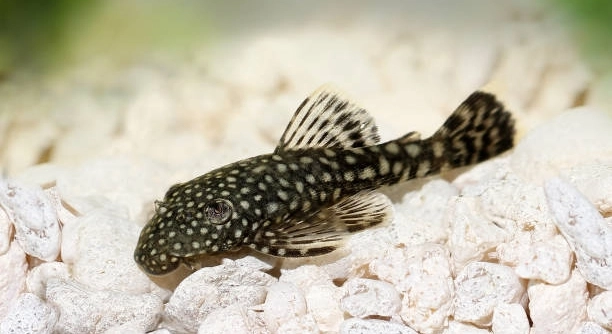
Do you ever notice your pleco acting aggressively or hiding when you add new fish to its tank? Many owners struggle to understand why their pleco refuses to share space, even in a well-maintained aquarium.
Plecos are naturally territorial and may perceive other fish as competitors for food or shelter. Environmental stress, inadequate hiding spots, and aggressive tankmates can exacerbate this behavior, making it difficult for plecos to coexist peacefully in a shared aquarium.
Learning the main reasons behind your pleco’s behavior can help you create a calmer and healthier tank environment. These insights will guide you in managing both your pleco and its tankmates effectively.
Territorial Instincts
Plecos are naturally territorial fish, especially as they grow older. In a shared tank, they may claim certain areas as their own and defend them aggressively. Rocks, driftwood, and cave-like structures are often preferred spots where plecos feel safe and secure. When another fish enters this territory, your pleco may chase or intimidate it. This behavior can be more pronounced in smaller tanks where space is limited. It is important to recognize that this is not unusual or a sign of poor care. Plecos need a stable environment with clearly defined hiding spots. Adding extra decorations or rearranging the tank occasionally can help reduce stress and territorial disputes. Observing your pleco’s movements and preferred resting areas will give you a better understanding of its behavior. Creating zones within the aquarium allows all fish to coexist more peacefully while ensuring your pleco feels safe. Over time, these adjustments can lead to a calmer tank environment.
Territorial behavior is strongest in smaller tanks or among plecos of similar size, making space and hiding areas critical for harmony.
Providing multiple hiding spots and careful tank planning can reduce conflict. By respecting these natural instincts, you allow plecos and tankmates to coexist with less stress.
Feeding Competition
Plecos are bottom feeders and can become possessive over food, particularly if other fish compete for the same resources. Inadequate feeding routines or inconsistent portions often lead to increased aggression during meal times.
When plecos feel that their food supply is threatened, they may chase other fish or guard their preferred feeding area. Ensuring sufficient food and spreading it throughout the tank can minimize disputes. Some owners find that offering food at different times or locations helps all fish eat comfortably. Additionally, plecos may prefer sinking pellets, vegetables, or algae wafers, which should be distributed evenly. Feeding habits and competition often reveal more about their personalities than health alone. Observing how your pleco reacts during feeding can indicate whether aggression is due to hunger or territorial instinct. Maintaining a consistent feeding schedule reduces stress for all fish. Over time, careful feeding management allows plecos to focus on eating rather than chasing tankmates. This approach promotes a calmer tank environment and helps prevent injury or stress-related illness in other fish.
Stress from Overcrowding
Plecos need space to move freely. Too many fish in one tank can increase stress and lead to aggression or hiding. Overcrowding limits hiding spots, making plecos feel insecure and defensive.
When tanks are overcrowded, plecos struggle to find their preferred resting or feeding areas. Limited space forces interactions that plecos naturally try to avoid, resulting in chasing, nipping, or stubborn hiding. Stress from overcrowding also weakens their immune system, increasing susceptibility to disease. Carefully monitoring tank population and ensuring adequate space per fish is essential. Adding decorations or creating distinct zones can give plecos and other fish personal areas, reducing tension. Observing behavior changes during peak activity times can help identify overcrowding issues. Adjusting stocking levels or using larger tanks helps plecos feel secure, minimizing aggressive or antisocial behavior. Maintaining water quality is also easier in a properly stocked tank, preventing stress-related complications.
Plecos are less likely to act aggressively when given adequate space and a structured environment, allowing all fish to coexist more peacefully.
Water Quality Issues
Poor water conditions can make plecos irritable and withdrawn. Ammonia, nitrite spikes, or incorrect pH can directly affect their health and behavior. Maintaining clean water is crucial for a peaceful tank.
Water quality directly impacts pleco activity and overall temperament. High ammonia or nitrite levels irritate gills, reduce oxygen intake, and cause lethargy. Sudden pH swings can stress plecos, leading to hiding or aggression. Regular testing, partial water changes, and filtration maintenance help stabilize conditions. Plecos are more tolerant than some species but still require consistent monitoring to prevent chronic stress. Tank decorations can trap waste, so cleaning under driftwood or rocks is necessary. Uneaten food should be removed to prevent water contamination. Temperature fluctuations can also add stress, so keeping the tank within the optimal range for plecos ensures comfort. A stable environment encourages natural behaviors like grazing on algae rather than defensive or antisocial actions. Consistent care and observation are essential to maintain both water quality and pleco well-being.
Mismatched Tankmates
Plecos often struggle when paired with overly active or aggressive fish. Species like cichlids or barbs can provoke stress by invading the pleco’s space. Peaceful, slow-moving tankmates usually create a calmer environment and reduce the risk of constant conflict.
Choosing tankmates similar in temperament is essential. Avoid pairing plecos with species that compete for the same food or hiding spots. Instead, select fish that occupy different levels of the tank. This separation helps each species coexist comfortably without unnecessary territorial disputes or aggression.
Breeding Behavior
During breeding periods, plecos can become protective and territorial. Males often guard their chosen cave or nesting area, chasing away any fish that approach. This behavior is natural but can appear aggressive to other tank inhabitants.
Providing multiple caves or separate breeding tanks can prevent conflict and stress during this time. Once breeding ends, plecos usually return to calmer behavior. Monitoring their actions helps identify whether aggression is temporary or ongoing. Ensuring plenty of space and hiding areas supports both their natural instincts and overall harmony within the aquarium.
Lack of Hiding Spots
Without enough hiding places, plecos feel exposed and defensive. They rely on caves, driftwood, or plants to retreat when threatened. Adding more shelters reduces stress and allows plecos to rest peacefully without disturbing other fish.
FAQ
Why is my pleco attacking other fish?
Plecos may attack other fish due to territorial instincts, competition for food, or lack of hiding spots. When plecos feel that their area or resources are being invaded, they become defensive. This behavior often appears in smaller tanks or when tankmates swim too close to the pleco’s preferred territory. Ensuring each fish has enough space, providing additional shelters, and maintaining consistent feeding routines can reduce aggression. Rearranging tank decorations can also help break established territories and encourage more balanced interactions between species.
Can plecos live with other plecos?
Keeping multiple plecos in the same tank can be challenging, especially if they are of similar size or species. Plecos often compete for space, caves, and food, leading to territorial disputes. In larger tanks with plenty of hiding spots and separate feeding zones, it is sometimes possible to keep more than one pleco peacefully. However, mixing different species, such as bristlenose and common plecos, requires careful observation. Each species has its own space and environmental needs, so ensuring enough room for all is crucial to avoid stress or fighting.
Why does my pleco hide all the time?
Constant hiding can be a sign of stress, poor water conditions, or overcrowding. Plecos are nocturnal by nature, so it’s normal for them to stay hidden during the day. However, if hiding becomes excessive, it might indicate discomfort or illness. Check water parameters, ensure proper filtration, and provide calm surroundings. Adding driftwood, plants, and caves can help your pleco feel more secure. Sometimes, new plecos simply need time to adjust to their environment before becoming more active and visible, especially in tanks with bright lighting or active fish.
How big of a tank does a pleco need?
The ideal tank size depends on the type of pleco you have. Common plecos can grow over a foot long and require at least a 75-gallon tank, while smaller species like bristlenose plecos do well in tanks around 30 gallons. A larger tank offers more room to explore and reduces territorial conflict. It also helps maintain water quality, as plecos produce significant waste. When in doubt, always choose a larger tank than you think is necessary. This ensures your pleco remains comfortable, active, and healthy throughout its life.
What do plecos eat, and how often should they be fed?
Plecos are primarily algae eaters but also enjoy a variety of vegetables and sinking wafers. Offer foods like zucchini, cucumber, spinach, and algae wafers several times a week. A well-fed pleco is less likely to become territorial or aggressive. Feeding at night, when they are most active, ensures they get their share without competition from faster fish. Avoid overfeeding, as leftover food can pollute the water and affect tank health. Consistent feeding routines and balanced nutrition help maintain calm and healthy behavior in plecos.
Can water temperature affect my pleco’s behavior?
Yes, temperature plays an important role in pleco activity and mood. Most plecos prefer water between 72°F and 82°F. Temperatures outside this range can cause stress, sluggishness, or aggression. Sudden fluctuations are especially harmful and can weaken the immune system. Using a reliable heater and thermometer ensures stable conditions. Regularly check the temperature during seasonal changes or maintenance. A consistent environment helps plecos stay healthy, active, and peaceful around other tankmates.
How can I tell if my pleco is stressed?
Signs of stress include excessive hiding, loss of appetite, faded coloration, erratic swimming, or aggression. Stress can come from poor water quality, lack of space, or incompatible tankmates. Testing the water regularly and maintaining stable conditions can help relieve stress. Adding plants, caves, and shaded areas provides security. Plecos often calm down once they have familiar places to retreat to. Observing behavior daily allows early detection of issues before they affect overall health or lead to aggression.
Is it normal for my pleco to stay on the glass?
Yes, this behavior is completely normal. Plecos use their suction mouths to attach to glass surfaces while feeding on algae or resting. It’s a natural part of their behavior and helps keep the tank cleaner. However, if your pleco spends all its time on the glass and ignores food, it could indicate a lack of hiding spots or nutritional imbalance. Make sure to provide both natural surfaces like driftwood and a proper diet to keep your pleco healthy and active.
Can plecos live in a community tank peacefully?
Plecos can live peacefully in community tanks if the setup meets their needs. The key factors are adequate space, proper water conditions, and compatible tankmates. Peaceful, mid-level swimmers such as tetras or mollies often coexist well with plecos. Avoid aggressive or fin-nipping species. Providing enough hiding places and consistent feeding schedules further reduces tension. A balanced environment ensures your pleco feels secure and comfortable, helping maintain harmony in a community setting.
Why does my pleco act differently at night?
Plecos are nocturnal, meaning they are most active after lights go out. They use nighttime to explore, feed, and clean algae from surfaces. This behavior is normal and doesn’t indicate a problem. If you rarely see your pleco during the day, try observing the tank after dark using dim lighting. Nighttime feeding also supports their natural rhythm. Understanding this pattern helps you manage feeding and tank maintenance more effectively, ensuring your pleco stays healthy and stress-free in its preferred routine.
Final Thoughts
Keeping a pleco happy and peaceful in a shared tank takes patience and awareness. These fish are unique, and their behavior often reflects their surroundings. When they act aggressively or hide for long periods, it usually means something in the tank is off. Factors like territory, food competition, tank size, and water conditions all influence how your pleco interacts with other fish. Understanding these needs helps prevent many of the problems that lead to stress or aggression. Plecos are hardy, but they still depend on stability and comfort to thrive. A calm and balanced environment allows them to show their best behavior and live longer, healthier lives.
Creating the right tank setup is one of the most important steps in keeping plecos content. Space and structure matter greatly to these fish. A tank with plenty of caves, plants, and shaded areas provides security and reduces the urge to fight or hide. Consistent water quality and temperature also make a big difference in their behavior. Plecos respond best to stable environments where changes happen gradually. Careful feeding routines, proper tankmate selection, and regular cleaning all contribute to harmony within the aquarium. Each pleco has its own temperament, so observing daily behavior helps you spot small changes early. When cared for properly, plecos become fascinating and peaceful additions to a tank rather than territorial troublemakers.
At the end of the day, understanding your pleco is about balance. They are naturally protective, but with enough space, food, and comfort, they can live peacefully with other species. Problems usually arise from overcrowding or unmet needs, not from bad temper alone. Paying attention to small details like hiding spots, feeding schedules, and water tests can transform how your pleco behaves. Over time, you’ll learn to recognize patterns and understand what keeps your fish calm and active. A well-planned tank not only prevents conflict but also highlights the pleco’s true nature as a gentle cleaner and interesting bottom-dweller. With the right care, your pleco will not only share the tank peacefully but also help maintain a balanced and beautiful aquatic environment for years to come.

Hello,
If you enjoy the content that we create, please consider saying a "Thank You!" by leaving a tip.
Every little bit helps us continue crafting quality advice that supports the health, happiness, and well-being of pets around the world, for pets of all shapes, sizes, and species.
We really appreciate the kindness and support that you show us!