
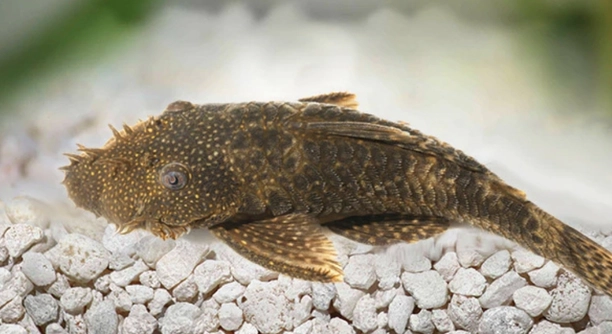
Do your plecos swim away the moment you turn on the tank light, hiding under decorations or behind plants until the room goes dark?
The most effective way to get plecos used to tank lights is through gradual acclimation. By slowly increasing light exposure over time, their stress levels decrease, allowing them to adapt naturally without disrupting their nocturnal habits or feeding routines.
Helping plecos feel at ease under bright conditions takes patience, but with the right approach, they can learn to enjoy their environment more confidently.
Start with Dim Lighting
When trying to get plecos used to tank lights, it’s best to start slow. These fish are naturally shy and prefer dim, shaded spaces. Sudden brightness can stress them out, causing them to hide or stop eating. Begin by keeping the light at a low intensity for only a few hours a day. Over the course of several days, increase the brightness and duration slightly. This helps plecos understand that the light does not signal danger. Use floating plants or caves to provide shaded areas where they can retreat whenever they feel uneasy. With consistency, plecos will start to swim out more often, even when the lights are on. Gradual exposure makes the process easier on them and prevents erratic behavior caused by abrupt light changes.
Patience is important here. Plecos will adapt in their own time, and gentle light adjustments can make the transition feel more natural.
Once they become comfortable under softer lighting, you can extend the exposure time a bit more. Maintaining a steady routine helps them develop trust in their environment, and soon they’ll begin exploring during lit hours without hesitation. A calm setting and predictable light schedule encourage steady growth and more natural behaviors in your plecos.
Use Consistent Light Schedules
Plecos adjust best when their environment follows a steady rhythm. Irregular lighting can confuse them and lead to unnecessary stress. Keeping the light schedule consistent helps them feel secure and develop stable feeding and resting habits.
A daily light cycle of around eight to ten hours is ideal for most plecos. Using a timer for the aquarium light ensures regularity, preventing accidental overexposure or missed dark periods. Consistent lighting mimics their natural habitat, where day and night follow predictable patterns. Too much light can cause algae growth, while too little may limit their activity. A routine helps them anticipate when to rest and when to explore. You can also align the light schedule with your room’s ambient lighting for smoother transitions. For example, turning on the aquarium light shortly after sunrise and switching it off at dusk maintains balance. Over time, this regularity teaches plecos that light is simply part of their daily environment, not something to fear.
Add Floating Plants for Shade
Floating plants are a gentle way to help plecos feel secure when tank lights are on. They reduce direct brightness and create soft, filtered light that resembles their natural river environments. This comfort encourages plecos to explore the tank more freely.
Adding plants like Amazon frogbit, water lettuce, or duckweed provides cover without blocking oxygen exchange. These plants grow quickly and can be easily trimmed to control coverage. The dappled light they create softens visibility, making plecos feel safer while still exposing them to gentle brightness. You’ll often notice them resting beneath the leaves, calmly observing their surroundings. Over time, this method helps them associate the light with safety rather than stress. Floating plants also support better water quality by absorbing extra nutrients, which helps prevent algae buildup caused by excessive light exposure.
A well-balanced combination of open and shaded areas gives plecos control over their comfort level. As they gain confidence, they’ll begin moving into brighter spaces naturally, showing less hesitation during the daytime. Maintaining healthy plant growth ensures that shade remains consistent, helping your plecos adapt without fear.
Adjust Light Intensity Gradually
Plecos respond better when brightness levels are adjusted slowly. Abrupt changes can startle them, but steady dimming or brightening allows their eyes to adapt comfortably. Using a light with adjustable intensity helps control this process smoothly.
Begin by setting the light to a low level for short periods each day. Gradually increase brightness over several weeks until the desired level is reached. Modern aquarium lights often include dimmers or programmable settings, making gradual changes simple to manage. Avoid making adjustments in large jumps, as plecos need time to understand that brighter conditions are safe. Observing their reactions helps determine whether you’re moving too fast. If they hide for long periods, slow down the adjustment rate. Creating a stable, well-lit environment without shocking them builds lasting trust. With patience, they’ll start feeling comfortable under the full tank light, even during peak hours.
Offer Hiding Spots
Plecos need places to retreat when the light feels too strong. Adding driftwood, caves, or rock structures gives them security. These hiding spots mimic their natural habitats, allowing them to relax and adjust gradually to brighter surroundings.
When plecos know they have safe spaces to hide, they feel more confident exploring. Over time, they’ll spend less time tucked away and more time in visible areas. A mix of open and covered zones helps them adapt without stress or fear.
Feed Them During Light Hours
Feeding plecos while the lights are on helps them connect brightness with something positive. Start by offering small amounts of food at their usual feeding time, then slowly shift the schedule to daylight hours. This encourages them to associate the light with comfort and nourishment, reducing their instinct to hide.
Keep the Tank Calm
Avoid sudden movements or tapping near the tank when the lights are on. Calm surroundings help plecos feel safe, making it easier for them to stay out in the open during bright periods.
FAQ
Why do plecos hide when the tank lights are on?
Plecos are nocturnal fish, meaning they’re naturally more active at night. Bright light can make them feel exposed or unsafe, especially if they come from shaded riverbeds or murky waters. When the tank light turns on, they may instinctively seek cover to avoid perceived threats. In an aquarium, hiding under decorations or driftwood is their way of feeling secure. This behavior is completely normal, especially if they’re newly introduced to the tank. Over time, as they become familiar with the environment and realize there’s no danger, they’ll begin to explore more often during the day.
Can plecos get used to bright light over time?
Yes, plecos can adapt to brighter conditions, but the process takes patience and consistency. Gradual exposure is essential. If you suddenly turn on a high-intensity light, it can stress or shock them, causing them to hide even more. Start with dim lighting for short periods and increase the brightness over a few weeks. Adding floating plants or providing shaded areas allows them to adjust at their own pace. It’s important to remember that some pleco species remain more sensitive to light than others. Even when fully adjusted, they’ll still prefer having darker corners or hiding spots to rest during the day.
How long does it take for plecos to get used to tank lights?
The time frame varies depending on the fish’s temperament, age, and environment. In most cases, it can take anywhere from two weeks to a few months for plecos to feel comfortable with regular lighting. Consistency is the key factor. Keeping the light schedule predictable and avoiding sudden changes helps build their confidence. If your pleco continues hiding for long periods, review the tank setup—too much brightness, lack of shade, or frequent movement near the tank can delay their adjustment. Once the surroundings feel stable, plecos usually start venturing out more during lit hours.
Do plecos need light to stay healthy?
While plecos don’t rely on light for survival, a balanced light cycle supports their overall well-being. Light helps maintain a natural rhythm in the aquarium, which affects feeding and rest patterns. It also benefits the growth of algae and plants that plecos may graze on. However, they do not require intense light. Moderate, steady illumination combined with shaded areas is ideal. Excessive brightness can cause stress and lead to hiding behavior or poor appetite. The best setup offers both light exposure and dark zones, allowing plecos to choose their comfort level throughout the day.
Can plecos live in total darkness?
Keeping plecos in constant darkness is not recommended. Even though they prefer dim environments, they still need light exposure to maintain a healthy daily cycle. Without any light, it becomes difficult to regulate feeding schedules and plant growth, which affects tank balance. A mix of dark resting periods and moderate light hours keeps their behavior stable. It also helps maintain water clarity and prevents overgrowth of bacteria that thrive in unlit conditions. A consistent light routine supports both the pleco’s comfort and the tank’s ecosystem.
What lighting schedule works best for plecos?
A schedule of eight to ten hours of light per day is ideal for most plecos. This length mimics natural daylight cycles and allows enough time for feeding and exploration. Using a timer makes it easier to maintain consistency. Avoid turning lights on and off randomly, as sudden changes can startle them. Keeping the timing predictable helps them understand when it’s safe to come out. Try aligning your tank light with the natural light in the room to reduce abrupt transitions. Smooth adjustments, such as dimming the light before turning it off completely, can also reduce stress.
Will plecos behave differently under different light colors?
Yes, the color or tone of the light can affect how plecos behave. Warm, soft lighting tends to make them feel more relaxed, while cool white or blue lights can appear harsher and cause them to hide. Many aquarists find success using adjustable LED lights that allow color customization. Starting with a warmer tone and gradually introducing brighter, whiter light can help plecos adapt without fear. Red or subdued blue lights are also helpful for observing them during nighttime without disturbing their natural behavior.
Can I use moonlight or night lights for plecos?
Using a gentle night light or moonlight can be beneficial. It provides low visibility for nighttime observation without disturbing the pleco’s rest. Soft blue or dim white lighting works well because it mimics natural moonlight. This subtle illumination helps reduce the shock when switching between light and dark periods. Just make sure the light is not too bright, as plecos still need a proper dark phase for rest. Using a timer or dimmer helps maintain balance and prevents overstimulation during the night.
Why is my pleco still hiding even after weeks of adjustment?
If your pleco continues to hide, it might be due to ongoing stressors rather than the light itself. Factors like strong water flow, tank mates that nip or chase, or lack of proper hiding spots can cause anxiety. Check that the tank parameters—such as temperature, pH, and cleanliness—are stable. A noisy environment or frequent activity near the tank can also make them uneasy. Providing more shaded areas, adjusting feeding times, and maintaining a calm atmosphere can help. Once your pleco feels completely safe, it will naturally begin to appear more often during the day.
Final Thoughts
Getting plecos used to tank lights takes patience and careful observation. These fish are naturally nocturnal and prefer dim environments, so it’s normal for them to hide when the lights are first turned on. Forcing bright light on them suddenly can cause stress, which may lead to hiding, loss of appetite, or unusual behavior. Gradual exposure is key. Start with dim lighting for short periods each day and slowly increase the brightness and duration. This gives plecos time to adapt to the change and feel comfortable in their surroundings. Adding floating plants, driftwood, and caves can provide shaded areas, allowing them to retreat whenever they feel uneasy. Over time, they learn that the light is not a threat and begin to explore more freely.
Consistency plays a major role in helping plecos adjust. Maintaining a steady light schedule ensures they understand when it is safe to be active and when it is time to rest. A timer can be very helpful to create a predictable routine, which reduces stress and supports natural behavior. Feeding them during the lit hours encourages them to associate light with positive experiences, making the adjustment process smoother. Observing how plecos respond to changes in lighting is important. If they seem stressed or hide for long periods, slowing down the process or providing additional hiding spots can make a significant difference. It’s also important to remember that different species and individual fish may have varying levels of tolerance to light, so patience and adaptability are essential.
Finally, creating a calm and balanced tank environment supports plecos’ overall well-being. Avoid sudden movements or loud noises near the aquarium, as this can frighten them and undo progress. Providing a mix of shaded areas and open spaces allows them to choose where they feel comfortable, helping them build confidence under the lights. Over time, with gradual adjustment, consistent schedules, and a safe environment, plecos can learn to tolerate and even enjoy tank lighting. This not only improves their health and behavior but also makes them easier to observe and appreciate. Being patient and attentive ensures that plecos thrive while maintaining their natural behaviors, making your aquarium a healthier and more harmonious environment for all its inhabitants.

Hello,
If you enjoy the content that we create, please consider saying a "Thank You!" by leaving a tip.
Every little bit helps us continue crafting quality advice that supports the health, happiness, and well-being of pets around the world, for pets of all shapes, sizes, and species.
We really appreciate the kindness and support that you show us!