
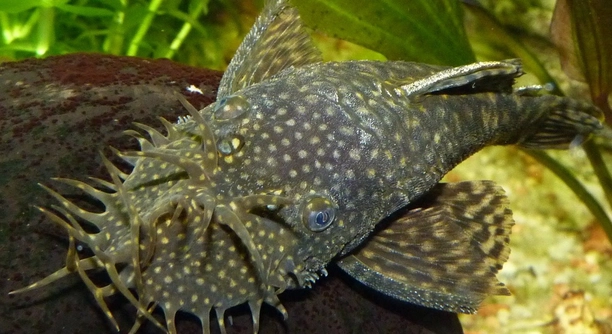
Do you ever rearrange your pleco’s tank but notice it seems completely uninterested in the new decorations? Adding new rocks, plants, or hiding spots often doesn’t grab their attention right away. Observing their reactions can be puzzling.
Plecos often ignore new decor because they rely heavily on established territories and familiar environments. Sudden changes may create stress or confusion, making them cautious. Gradual introductions and allowing time for adaptation are key strategies to encourage interaction with new tank items.
Understanding their cautious nature helps improve tank design and ensures your pleco feels secure while gradually exploring new surroundings. Small adjustments can make a big difference in their behavior.
Understanding Pleco Behavior
Plecos are naturally shy and territorial fish that prefer stability in their environment. They often find comfort in familiar hiding spots and routines, which makes sudden changes unsettling for them. When new decor is added, it can disrupt their sense of safety. Instead of rushing to explore, many plecos retreat until they feel secure again. Their reaction is not a sign of dislike but rather a cautious adjustment period. Each pleco has its own personality, so while one may explore right away, another may take days to adapt. Providing consistent lighting, water parameters, and quiet surroundings helps them feel more at ease.
When a pleco ignores decor, patience is essential. They slowly test new objects once they sense no threat. Over time, curiosity replaces hesitation, and you’ll notice them grazing or resting on new surfaces more often. This gradual acceptance is completely normal.
To make their adjustment smoother, avoid rearranging everything at once. Keep some old decorations in place so the environment still feels familiar. Mixing old and new items helps them connect comfort with curiosity, encouraging them to explore safely. By respecting their pace, you’ll create a calm, stable tank where your pleco feels confident enough to investigate new additions naturally.
Encouraging Exploration
Introducing new decor should be done gradually, allowing the pleco to become comfortable with small changes first. Placing new items near familiar areas gives them a sense of security.
Encouraging exploration often involves subtle techniques that respect your pleco’s instincts. Begin by adding one new item at a time instead of completely changing the tank setup. Allow them to observe from a distance. Once they approach, avoid startling movements around the aquarium. Plecos are sensitive to light, so dim lighting during introduction periods can reduce stress and promote natural curiosity. You can also add mild current or algae to new surfaces to attract their attention, as grazing is a big part of their behavior. Providing stable water quality and regular feeding schedules keeps them calm and open to change. Over time, they’ll associate new items with comfort rather than disruption, making your aquarium both engaging and peaceful.
Creating a Comfortable Environment
A comfortable environment helps your pleco feel safe enough to explore. Keep the water clean, maintain a steady temperature, and avoid loud noises or sudden lighting changes that can make them hide for long periods. Stability encourages natural and relaxed behavior.
Plecos thrive when their tanks resemble their natural habitats. Adding driftwood, smooth stones, and caves provides both comfort and shelter. These elements give them hiding spots and surfaces for grazing, which is essential to their feeding habits. Avoid sharp decorations that may injure them as they move around the tank. Consistent maintenance, like regular water changes and checking the filter, helps maintain balance. When your pleco feels secure in its surroundings, it’s more likely to explore new items at its own pace. Keep in mind that calmness and familiarity play a major role in how quickly they adjust to changes.
To support their comfort further, create low-stress lighting. Soft, dim lights simulate natural conditions and reduce anxiety. Avoid bright bulbs or constant illumination, as plecos are nocturnal and prefer darker spaces. Gradually changing light intensity helps them adapt to a new setting without shock. A calm, dim environment encourages exploration, allowing your pleco to investigate new decorations comfortably and with growing confidence over time.
Choosing the Right Decor
Selecting decor that suits your pleco’s habits is important for both safety and interest. Avoid small gaps where they can get stuck and choose natural textures that support their grazing needs. Safe materials prevent harm and make the aquarium more inviting.
Plecos tend to interact most with items that mimic their natural environment. Driftwood is one of the best options because many species graze on its surface for fiber. Smooth stones, clay caves, and sturdy plants offer excellent hiding spots and surfaces to rest on. Avoid plastic items that may release harmful chemicals or rough edges that could damage their bodies. Size also matters—choose pieces large enough to support your pleco’s weight and movement. Mixing textures keeps their environment interesting without overwhelming them. When decor feels both safe and familiar, plecos become more active and confident, gradually exploring each new piece at their own pace.
Monitoring Behavior Changes
Watching your pleco’s behavior helps you understand how it reacts to new additions. If it stays hidden more than usual, it may still be adjusting. Give it time and avoid changing the setup again until it seems more comfortable.
Subtle signs like increased movement at night or grazing on new surfaces show growing confidence. These small behaviors mean your pleco is becoming familiar with the new decor. Observing patiently allows you to notice progress without stressing your fish with unnecessary interference.
Avoiding Common Mistakes
Many aquarists make the mistake of adding too many decorations at once or completely rearranging the tank. This can overwhelm a pleco and cause it to hide for days. Gradual changes, introduced slowly, maintain a sense of security. Avoid frequent redecorating, as it can disrupt their established territory and comfort zone.
Maintaining Consistency
Consistency in care builds trust and reduces stress for your pleco. Regular feeding, steady water conditions, and predictable lighting patterns help it feel safe enough to explore. A stable environment allows natural behaviors to develop and keeps your fish calm even when small changes occur.
FAQ
Why is my pleco hiding all the time after adding new decor?
Plecos often hide when they feel unsafe or stressed by sudden changes. Adding new decorations can make them cautious, especially if the items are large, bright, or unfamiliar. Their behavior is natural and temporary. Give your pleco time to adjust, and avoid rearranging the tank again too soon. Maintaining consistent lighting and a calm environment helps them regain confidence. Once they feel secure, they’ll begin exploring the new decor on their own, often at night when they feel most comfortable.
How long does it take for a pleco to get used to new decorations?
Adjustment time varies depending on the individual fish, but most plecos need anywhere from a few days to two weeks. During this period, they may hide more than usual or avoid the new objects completely. It’s important not to rush them. Keeping the tank stable and avoiding other changes, such as shifting lighting or feeding times, will make the transition smoother. Once your pleco becomes familiar with the scent and presence of the new decor, it will gradually return to normal behavior and start exploring.
Should I clean new decorations before placing them in the tank?
Yes, always rinse new decorations thoroughly before adding them. Even items labeled as “aquarium safe” can have dust or residue from packaging. Use warm water and a soft brush—never soap or chemicals, as these can harm your fish. If using natural decor like driftwood or rocks, boil them or soak them to remove potential parasites or bacteria. Clean, safe decorations keep the tank environment healthy and reduce the risk of irritation or illness for your pleco.
Can new decorations affect my pleco’s health?
They can if not chosen or cleaned properly. Sharp edges may cause physical injury, while poor-quality materials might release toxins into the water. Brightly colored plastics and painted items are often unsafe. Always choose natural or aquarium-rated decor that won’t alter water chemistry. Unsafe materials can stress your pleco, lower immunity, and even lead to fin damage. Monitoring their behavior after adding new decor helps ensure nothing is causing discomfort.
Why does my pleco seem more active at night?
Plecos are nocturnal, meaning they naturally prefer darkness. During the day, they rest or stay hidden to avoid light exposure. Once the lights go off, they become active, exploring the tank and grazing on algae or surfaces. This behavior is completely normal. If you rarely see your pleco during the day, try using a dim night light to observe its nighttime activities without disturbing it. Providing plenty of hiding spots also makes them feel secure enough to move around during the evening.
Should I rearrange the decor regularly to keep my pleco entertained?
Frequent rearranging is not recommended. Plecos value consistency and can become stressed when their environment changes too often. Instead, introduce new items slowly and keep their main hiding places intact. You can occasionally add small objects or plants near familiar areas to spark curiosity. This keeps the environment interesting without overwhelming them. Stability is more comforting than constant change for plecos.
What types of decor do plecos prefer?
They enjoy natural materials like driftwood, smooth stones, and caves. Driftwood is particularly important, as many species nibble on it for fiber. Caves provide essential hiding spaces where they can rest and feel protected. Avoid decor with sharp edges, fake plants with hard plastic leaves, or bright ornaments. Plecos prefer simple, safe, and earthy environments. Mimicking riverbeds with soft substrates and low lighting helps them behave naturally and remain stress-free.
Why won’t my pleco eat algae off new decorations?
It takes time for algae to develop on new surfaces. Your pleco won’t graze on them until they feel familiar and have a natural coating of biofilm or algae. You can encourage this by allowing the new decor to remain in the tank for a while before expecting interest. Avoid scrubbing it too clean after placing it. Once some growth appears, your pleco will start feeding on it, which also helps them explore the new area naturally.
Can lighting changes make my pleco ignore new decor?
Yes, plecos are sensitive to light intensity. Bright lighting can discourage them from leaving their hiding spots, especially when combined with new objects in the tank. Keeping the lights dim or using floating plants to create shaded areas helps reduce stress. Gradual light transitions are also helpful. Avoid switching lights on or off suddenly; instead, give your pleco time to adjust. Proper lighting supports exploration and keeps them calm while they adapt to new surroundings.
How can I tell if my pleco is comfortable after adding new decor?
Signs of comfort include relaxed swimming, regular grazing, and occasional resting on new items. If your pleco resumes normal eating habits and explores different areas of the tank, it’s adapting well. Hiding less often and showing activity at night are also good indicators. A stressed pleco, on the other hand, might stay hidden constantly or appear pale. Watching their patterns and giving them space to adjust is the best way to ensure their comfort and happiness.
Final Thoughts
Caring for a pleco involves more than feeding and cleaning the tank; it requires patience, observation, and understanding their nature. Plecos are creatures of habit. They grow attached to familiar surroundings and find comfort in routine. When new decorations appear, what may look exciting to you can feel uncertain to them. Their reaction is not rejection but a quiet adjustment to something unfamiliar. Every pleco has its own pace, and rushing that process can create unnecessary stress. With time, they begin to see new decor as part of their home, exploring it cautiously before fully accepting it. Creating a calm, consistent environment helps them feel safe enough to adapt naturally. Stability and patience are the keys to helping them thrive.
Understanding their behavior makes it easier to support them through changes. Plecos are naturally cautious and territorial, so sudden rearrangements can disturb their sense of security. Keeping their favorite hiding spots intact while introducing new items gradually shows respect for their boundaries. This balance between comfort and curiosity encourages healthy exploration without overwhelming them. It’s important to remember that your pleco’s comfort always comes before aesthetic changes. Their wellbeing depends on predictable conditions, clean water, and low stress. Even when they seem uninterested in new decor, they are quietly assessing it, using their senses to determine safety. Eventually, once they feel confident, they’ll explore, rest, or graze on those new surfaces. This slow adjustment is a sign of a healthy, cautious fish, not an unhappy one.
Caring for any aquatic creature means building trust through consistency, and plecos are no exception. Observing their reactions teaches you how to maintain a space that supports both beauty and balance. Adding new decor can make your tank more visually appealing, but it should always align with your pleco’s needs. The right environment not only makes them feel at home but also brings out their natural behaviors, which are rewarding to watch. Seeing your pleco explore a once-ignored decoration is a small but meaningful sign that you’ve built a safe and stable home for them. When you take the time to understand their habits and respect their rhythm, your pleco will respond with calmness and curiosity. In the end, what matters most is that your aquarium remains a peaceful, steady space where your pleco feels secure enough to thrive and explore comfortably at its own pace.

Hello,
If you enjoy the content that we create, please consider saying a "Thank You!" by leaving a tip.
Every little bit helps us continue crafting quality advice that supports the health, happiness, and well-being of pets around the world, for pets of all shapes, sizes, and species.
We really appreciate the kindness and support that you show us!