
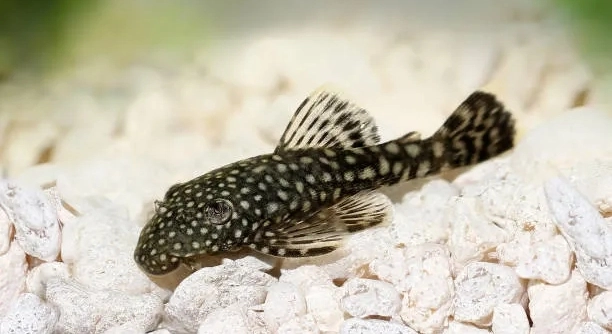
Are your plecos constantly stirring up the gravel at the bottom of their tank, leaving trails of displaced substrate behind? This behavior can seem puzzling at first, especially when you are trying to maintain a calm, tidy aquarium environment.
Plecos kick up substrate primarily as a natural feeding and territorial behavior. They sift through the gravel searching for leftover food, algae, and detritus. Additionally, some species exhibit digging instincts to establish hiding spots or mark territory within the aquarium.
Understanding these behaviors can help you create a healthier habitat for your pleco. Proper tank setup and substrate management can reduce excessive stirring and keep your aquarium balanced.
Understanding Substrate Kicking
Plecos often kick up substrate as part of their natural instincts. In the wild, they sift through riverbeds to find food, removing small particles of sand, gravel, and detritus in the process. In home aquariums, this behavior continues, even if the tank is well-fed. Gravel and sand provide a medium for plecos to explore, search for leftover food, and maintain territory. Certain species, like the Bristlenose Pleco, are more active diggers, moving more substrate than others. Substrate type can also affect the frequency of this behavior; fine sand is easily displaced, while larger gravel requires more effort. Plecos also rearrange their surroundings to create hiding spots, such as under rocks or driftwood. Observing this behavior helps aquarists ensure that the fish are healthy and stimulated. Providing a balanced diet and environmental enrichment can reduce excessive substrate disturbance.
This activity is normal and often indicates a healthy, curious pleco adjusting to its environment.
Plecos use substrate interaction to manage stress and explore their space. By arranging gravel and sand, they reinforce their territory, simulate natural riverbed behavior, and prevent boredom. Tank decorations, driftwood, and hiding spaces complement this activity, allowing plecos to feel secure. Monitoring the tank’s cleanliness and substrate distribution ensures a balanced ecosystem, as displaced gravel can affect filtration and water flow. Understanding the reasons behind substrate kicking can make it easier to accept it as a natural habit rather than a problem.
Adjusting Tank Conditions
Small changes in tank setup can help manage substrate disturbance.
Adjusting substrate depth, adding heavier gravel, or incorporating plants can reduce excessive kicking. Observing pleco behavior and tailoring the environment improves comfort and promotes natural activity.
Proper tank conditions support pleco health and limit unnecessary substrate movement. The substrate depth should suit the species; shallow layers may cause the fish to stir excessively, while deep layers allow natural digging without over-displacement. Adding larger rocks or driftwood provides anchor points and hiding spots, which plecos use to feel secure. Live plants not only enhance aesthetics but also give the fish areas to explore and reduce stress. Regular cleaning and monitoring prevent detritus buildup while keeping water quality high. Offering a varied diet ensures that plecos are not digging out of hunger, and incorporating occasional treats like algae wafers or vegetables can satisfy natural foraging instincts. A well-planned tank setup balances natural behaviors with practical maintenance, ensuring plecos remain active, healthy, and minimally disruptive to the substrate.
Common Triggers for Substrate Kicking
Stress, hunger, and environmental changes often trigger substrate kicking. Sudden movements near the tank, water parameter shifts, or limited hiding spots can make plecos more active in rearranging their surroundings.
Plecos react to stress by digging and moving substrate, which helps them feel in control of their environment. Hunger can also increase this activity; even well-fed plecos may sift through gravel searching for missed food particles. Changes in water temperature, pH, or ammonia levels may heighten digging behavior as the fish attempt to explore and adjust to new conditions. Limited hiding spaces or decorations can make plecos restless, leading them to create their own shelters. Observing patterns in substrate movement can indicate underlying stressors or unmet environmental needs.
Certain species are more prone to substrate movement than others. Factors like age, size, and individual temperament also influence how much a pleco interacts with the tank floor. Ensuring stable water parameters, proper feeding, and adequate enrichment can reduce excessive substrate activity.
Managing Substrate Disturbance
Weighting substrate with larger gravel or adding decorations can limit excessive kicking without restricting natural behavior.
Providing anchoring points like rocks, driftwood, or dense plants allows plecos to explore without displacing too much substrate. Dense vegetation not only reduces substrate movement but also creates natural hiding spots and visual barriers, which help plecos feel secure. Live or artificial plants serve as enrichment and help maintain water quality by absorbing nutrients. Careful tank layout encourages natural behaviors like grazing and shelter building while keeping gravel in place. Monitoring how plecos interact with these additions can guide adjustments to substrate depth or decoration placement, ensuring a balanced, stable aquarium environment that supports healthy activity patterns.
Feeding Habits and Substrate Movement
Plecos often move substrate while searching for food. Even after feeding, they may continue sifting gravel to find leftover particles.
Uneaten vegetables, algae wafers, or flakes can trigger repeated substrate disturbance. Providing appropriate portions reduces constant digging.
Choosing the Right Substrate
Soft sand or smooth gravel is ideal for plecos, preventing injury while allowing natural digging behaviors. Avoid sharp or rough materials that can damage fins or barbels. A substrate suited to the species promotes health and reduces stress-related digging, keeping both fish and tank safe.
Monitoring Water Quality
Regular testing of pH, ammonia, and nitrate levels ensures plecos remain healthy.
FAQ
Why is my pleco kicking up so much substrate?
Plecos kick up substrate as part of their natural behavior. They search for leftover food, algae, or detritus while exploring the tank. Some species are naturally more active diggers, and individual temperament can influence how much gravel or sand they move. Stress, hunger, or changes in the environment may also increase this activity.
Is substrate kicking harmful to my pleco?
Generally, substrate kicking is not harmful if the substrate is smooth and the tank is properly maintained. Problems can arise with sharp gravel, which may injure barbels or fins, or if displaced substrate interferes with filtration or water flow. Keeping a clean, safe substrate prevents injuries and tank issues.
How can I reduce substrate disturbance?
Adding decorations like rocks, driftwood, and dense plants can anchor substrate and create hiding spots. Adjusting gravel size or using heavier materials helps minimize excessive digging. Providing proper feeding and enrichment reduces restless behavior while allowing plecos to explore naturally.
Does the type of pleco affect substrate behavior?
Yes, some species, like Bristlenose Plecos, are more prone to moving substrate than others. Larger species may move more gravel, while smaller species tend to sift sand. Understanding your pleco’s natural habits helps you anticipate and manage substrate activity.
Will feeding less reduce substrate kicking?
Reducing feeding portions can lower substrate digging if plecos are constantly searching for uneaten food. However, underfeeding can cause stress and health issues. Focus on balanced feeding with occasional treats to satisfy natural foraging instincts without overloading the substrate with leftovers.
Can substrate kicking indicate stress?
Yes, substrate movement can reflect stress. Sudden environmental changes, aggressive tank mates, poor water quality, or insufficient hiding spots may trigger excessive digging. Observing the pattern of movement helps identify potential stressors and guides adjustments to the tank setup.
How often should I clean the substrate?
Regular cleaning helps maintain water quality and reduces excess detritus. Use a gravel vacuum or siphon during water changes, paying attention to areas disturbed by plecos. Cleaning prevents buildup of uneaten food and waste that may prompt more substrate kicking.
Will adding more plants stop substrate kicking?
Plants can help reduce excessive substrate movement by providing hiding spots and enrichment. Dense vegetation allows plecos to explore and feel secure without constantly rearranging gravel. Live plants also improve water quality, which contributes to overall fish health and calmer behavior.
Can water parameters affect substrate behavior?
Yes, plecos respond to water quality changes. Fluctuations in pH, temperature, or ammonia levels can increase activity and substrate disturbance. Maintaining stable water conditions reduces stress and keeps plecos’ natural digging within normal levels. Regular testing is important to catch any issues early.
Is it okay to let my pleco move substrate freely?
Allowing substrate movement is natural and healthy if the tank is safe. Plecos use digging for exploration, feeding, and stress management. Focus on providing suitable substrate, hiding spots, and stable water conditions. Controlled substrate movement benefits the fish while keeping the aquarium functional.
This FAQ addresses common concerns about pleco substrate behavior, offering practical solutions and insights to create a balanced, healthy tank environment.
Final Thoughts
Observing a pleco moving substrate can seem messy, but it is usually a sign of normal, healthy behavior. Plecos are naturally active and curious fish that explore their environment by digging and sifting through gravel or sand. This activity helps them find leftover food, algae, and detritus, which mimics the foraging behavior they would perform in the wild. While it may look disruptive, it is an important part of their daily routine. Understanding that substrate movement is instinctive allows aquarists to approach it with patience and practical adjustments rather than frustration. Recognizing the species-specific habits of your pleco is also helpful. Some types, like the Bristlenose Pleco, are more prone to frequent substrate movement, while others may do so less often. Knowing what to expect helps in planning tank setup, substrate choice, and environmental enrichment.
Providing a proper tank environment can reduce excessive substrate disturbance without suppressing natural behaviors. Using smooth gravel or fine sand is safest for plecos, preventing injuries to barbels and fins while allowing digging and sifting. Adding decorations, driftwood, and dense plants gives them secure spaces to explore and hide, satisfying their need for territory and shelter. Ensuring a stable water environment, with regular monitoring of pH, ammonia, and nitrate levels, keeps plecos healthy and less prone to stress-driven substrate activity. Feeding habits also play a role. Providing appropriate portions and supplementing with vegetables or algae wafers satisfies their foraging instincts, reducing the need for constant digging. Paying attention to the layout and depth of substrate can help manage movement while preserving natural behaviors, balancing functionality with the pleco’s well-being.
Accepting some level of substrate movement as part of pleco behavior is essential for a successful aquarium. Instead of trying to eliminate it entirely, the goal should be creating conditions that support health and natural activity while keeping the tank manageable. Regular maintenance, careful observation, and environmental adjustments allow plecos to thrive. Understanding the reasons behind substrate kicking, from feeding and exploration to stress responses, gives aquarists the knowledge to make thoughtful decisions for their tank. By balancing substrate type, decorations, feeding, and water quality, you create a supportive habitat that meets the pleco’s needs and minimizes disruption. This approach ensures the fish remain active, healthy, and comfortable in their environment, while keeping the aquarium clean and enjoyable to maintain.

Hello,
If you enjoy the content that we create, please consider saying a "Thank You!" by leaving a tip.
Every little bit helps us continue crafting quality advice that supports the health, happiness, and well-being of pets around the world, for pets of all shapes, sizes, and species.
We really appreciate the kindness and support that you show us!