
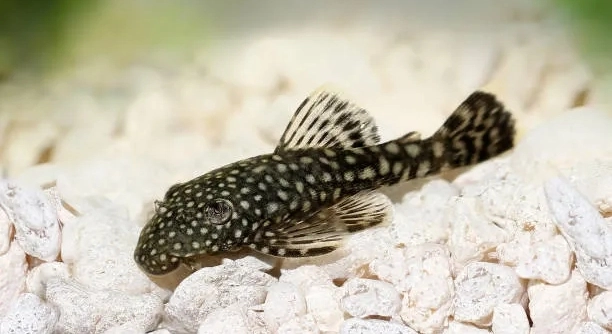
Do bristlenose plecos are popular freshwater fish known for their algae-eating habits and unique appearance. Many aquarium enthusiasts enjoy keeping them, but questions often arise about the type of tank environment they thrive in. Their care requirements vary depending on water depth and tank setup.
Bristlenose plecos do not require excessively deep tanks, but they benefit from moderate depth that allows swimming and hiding. Optimal tank depth supports stable water parameters, adequate oxygenation, and a comfortable environment for their natural behaviors.
Providing the right tank conditions can improve pleco health and longevity. Understanding depth preferences will help aquarists create a suitable and safe habitat for these fish.
Understanding Bristlenose Plecos’ Natural Habitat
Bristlenose plecos are native to South American rivers, where water levels fluctuate and hiding spots are abundant. In their natural habitat, they experience moderate depths, gentle currents, and plenty of driftwood or rocks to explore. These fish rely on their environment for feeding, shelter, and protection from predators. Shallow areas provide access to algae, while deeper sections allow them to rest safely. Maintaining a tank that reflects this balance helps reduce stress and encourages natural behavior. When selecting a tank, consider both vertical space and floor area. Substrate type also matters, as plecos prefer smooth gravel or sand that won’t harm their fins. Driftwood is essential because it aids digestion and provides hiding spots, mimicking river conditions. Plants can be added but should be sturdy, as plecos may dig or nibble. Proper filtration ensures water remains clean without creating excessively strong currents, maintaining comfort and stability for the fish.
Moderate depth is sufficient for plecos, but the tank should include hiding spots and surfaces for grazing on algae.
Depth alone does not determine well-being; structure, water quality, and available surfaces contribute significantly. Providing caves, driftwood, and gentle currents allows plecos to feed, rest, and feel secure. Observing their behavior helps identify if tank conditions are suitable or if adjustments are needed. A balanced setup reduces stress and promotes growth, health, and natural activity patterns. Plecos use vertical and horizontal space, so a combination of depth and floor area ensures comfort.
Tank Design Tips for Bristlenose Plecos
Choose a tank that provides enough space for swimming and exploration, not just depth. A 20-gallon tank or larger is usually recommended for one pleco. Proper filtration and aeration are necessary to maintain clean water and stable oxygen levels. Driftwood and rocks help create hiding spots, while smooth substrate prevents injury. Avoid overcrowding, as plecos need room to graze and establish territories. Consistent temperature and pH mimic river conditions and reduce stress. Lighting should be moderate; too bright can make plecos retreat excessively. Incorporating plants is optional but beneficial if they are sturdy and well-anchored. Regular maintenance, such as water changes and substrate cleaning, ensures the environment remains healthy. Observation of your pleco’s behavior helps you identify whether the tank design meets its needs.
A proper tank setup balances depth, hiding areas, and water quality, creating a safe, comfortable space for plecos.
Considering size, structure, and environmental enrichment is key. Depth alone is not enough; plecos thrive when they can explore, rest, and feed comfortably. Driftwood serves multiple purposes, from grazing surfaces to hiding spots, while smooth substrate prevents injury during bottom foraging. Plants should be chosen for durability, ensuring they survive nibbling or digging activity. Maintaining consistent water parameters, including temperature, pH, and oxygen levels, supports overall health. Proper filtration prevents waste accumulation and maintains clarity, which is crucial for fish well-being. Avoid overcrowding, as too many fish can lead to stress and territorial disputes. Observation is vital: watch for grazing behavior, hiding patterns, and overall activity to ensure the environment is suitable. Adjustments to tank layout or décor may be needed as plecos grow or as their behavior changes. A well-designed tank promotes long-term health and natural activity, providing a thriving environment that plecos can enjoy safely.
Feeding and Foraging Behavior
Bristlenose plecos spend much of their time grazing on algae, biofilm, and detritus. They use their specialized mouths to scrape surfaces, including driftwood, rocks, and tank walls. Supplementing their diet with vegetables and sinking pellets supports growth and overall health.
Regular feeding requires observation to avoid overfeeding. Plecos often graze throughout the day, but supplemental vegetables like zucchini, cucumber, and spinach provide essential nutrients. Sinking algae wafers ensure they can access food at the bottom of the tank. Removing uneaten food prevents water quality issues, which can stress the fish. Monitoring their feeding patterns allows adjustments in quantity and variety, keeping the diet balanced and supporting natural foraging behavior.
Bristlenose plecos also interact with their environment while feeding. They may rearrange small decorations or explore crevices to access algae. This behavior is natural and indicates a comfortable tank environment. Providing multiple surfaces for grazing encourages activity, reduces boredom, and mimics river conditions. Driftwood serves as both a hiding spot and a feeding surface, while plants and rocks add variety. Regular observation ensures they are feeding well and interacting safely with tank mates, preventing territorial stress. Adjustments to tank décor can improve their feeding opportunities and overall well-being.
Water Parameters and Depth
Maintaining stable water parameters is crucial, as plecos are sensitive to fluctuations. Temperature, pH, and hardness must be monitored regularly to ensure a healthy environment.
Ideal temperature ranges from 73°F to 81°F, with pH between 6.5 and 7.5. Moderate water hardness supports digestion and overall health. Filtration should provide gentle currents, as strong flows can stress plecos. Frequent water changes maintain cleanliness and reduce toxin buildup. Depth is less critical than stability, but a moderate tank depth allows comfortable swimming, hiding, and grazing behavior. Consistency in water quality is key to preventing stress and disease.
Bristlenose plecos thrive when their environment replicates river conditions. They prefer stable water, moderate depths, and plenty of hiding spots. Sudden changes in temperature or pH can cause stress and impact feeding or activity. Using test kits regularly helps monitor parameters. Driftwood, smooth substrate, and rocks create a secure habitat while supporting natural grazing. Filtration and aeration should provide clean water without excessive currents. Monitoring water quality and observing behavior ensures adjustments can be made before issues develop. A balanced environment supports growth, health, and comfort.
Tank Depth Considerations
Bristlenose plecos do not require extremely deep tanks. Moderate depth allows them to swim freely, graze on surfaces, and find hiding spots comfortably. Depth should balance vertical space with floor area to mimic natural habitats and reduce stress.
A tank that is too shallow can limit swimming and reduce available hiding places. Ensuring sufficient depth and space improves activity levels and supports natural behaviors. Adding driftwood, rocks, and plants enhances the environment, giving plecos areas to explore and rest safely. Proper balance of depth and layout promotes overall well-being.
Choosing the Right Substrate
Smooth gravel or sand is ideal for bristlenose plecos. Rough or sharp substrates can damage fins and interfere with bottom foraging.
Lighting Preferences
Plecos prefer dim to moderate lighting. Bright light may cause them to hide excessively and reduce grazing activity.
Hiding Spots and Decorations
Providing caves, driftwood, and rocks gives plecos secure areas to rest and reduces territorial stress. These elements also serve as grazing surfaces, supporting natural feeding behavior and overall comfort.
FAQ
Do bristlenose plecos need very deep tanks?
No, bristlenose plecos do not need extremely deep tanks. Moderate depth is sufficient to allow swimming, grazing, and hiding. What matters most is having enough floor space and vertical structure for natural behaviors. Depth should complement driftwood, rocks, and plants to create a secure environment.
How deep should a tank for a single pleco be?
For a single adult bristlenose pleco, a tank around 20 gallons with moderate depth is suitable. The tank should have enough space to accommodate hiding spots and grazing surfaces. Depth alone is not critical, but a stable and well-structured tank ensures comfort and natural activity.
Can plecos live in shallow tanks?
Yes, plecos can live in shallow tanks as long as there is adequate horizontal space, hiding areas, and proper water conditions. Shallow tanks may require careful attention to water quality, temperature, and oxygen levels to maintain a stable environment for the fish.
What substrate is best for bristlenose plecos?
Smooth gravel or sand is ideal. Rough or sharp substrates can damage their fins and interfere with bottom feeding. Substrate should allow plecos to forage naturally without injury, and it also helps anchor plants or decorations that create hiding spots.
Do plecos need driftwood?
Yes, driftwood is important. It provides a natural surface for grazing and helps with digestion. Driftwood also serves as a hiding spot and adds to the tank’s natural environment. Choosing pieces that are smooth and untreated ensures safety for the fish.
How important are hiding spots in the tank?
Hiding spots are crucial for reducing stress and territorial disputes. Caves, driftwood, and rocks allow plecos to rest, retreat, and feel secure. Multiple hiding areas ensure that all fish in the tank have safe spaces and mimic their natural river habitat.
Can plecos tolerate bright lighting?
Plecos prefer dim to moderate lighting. Bright light may cause them to hide excessively, reducing grazing and activity. Adjusting lighting or providing shaded areas ensures they can feed comfortably and remain active during the day.
What water parameters support pleco health?
Bristlenose plecos thrive in water between 73°F and 81°F, with a pH of 6.5 to 7.5. Moderate hardness is ideal. Consistent water conditions and gentle filtration reduce stress and prevent disease. Regular monitoring is key to maintaining a healthy environment.
How often should pleco tanks be cleaned?
Regular cleaning is necessary, including partial water changes and substrate vacuuming. Uneaten food and waste should be removed to prevent ammonia buildup. Cleaning frequency depends on tank size, number of fish, and filtration, but maintaining water quality is essential for long-term health.
Do plecos interact with other fish?
Bristlenose plecos are generally peaceful but can be territorial over hiding spots. Providing multiple shelters reduces conflict. They often ignore other fish while grazing, but proper tank size and décor help maintain harmony and prevent stress-related behavior.
Can plecos live with small shrimp or snails?
Yes, they usually coexist with small shrimp and snails, as long as there is enough space and hiding areas. Plecos focus on algae and detritus, so they rarely harm other tank inhabitants when properly fed. Observation is recommended to ensure safety.
How do I know if my pleco is stressed?
Signs of stress include hiding excessively, reduced grazing, clamped fins, or unusual swimming patterns. Maintaining stable water parameters, sufficient hiding spots, and a balanced diet helps reduce stress and promotes natural behavior. Observing daily activity allows early intervention if problems arise.
What should I feed plecos besides algae?
Supplemental foods include vegetables like zucchini, cucumber, spinach, and sinking algae wafers or pellets. A varied diet supports growth, digestion, and overall health. Removing uneaten food prevents water quality issues, which can otherwise stress the fish.
Can plecos adapt to different tank depths?
Yes, they are adaptable to varying depths as long as the tank offers enough floor space, hiding spots, and stable water conditions. Depth affects swimming space, but environmental enrichment is more important for comfort and natural activity.
Do plecos need live plants?
Live plants are optional but beneficial. They provide grazing surfaces, hiding spots, and contribute to water quality. Sturdy plants should be chosen to withstand nibbling or digging. A mix of driftwood, rocks, and plants creates a more natural and secure environment.
How large should a pleco tank be for multiple fish?
A larger tank, typically 40 gallons or more, is recommended for multiple plecos. Providing sufficient depth, floor area, and hiding spots prevents territorial disputes. Adequate space ensures each fish can graze, rest, and move comfortably, supporting long-term health.
Can plecos live in tanks with strong currents?
Plecos prefer gentle to moderate currents. Strong currents can stress them and reduce grazing behavior. Filtration should maintain water clarity without creating excessive flow, allowing plecos to navigate, rest, and feed naturally.
How long do bristlenose plecos live?
With proper care, they can live 5 to 10 years or more. Maintaining clean water, a balanced diet, appropriate hiding spots, and stable environmental conditions supports longevity and overall well-being.
Is tank depth the main factor for pleco health?
Depth alone is not the main factor. Water quality, hiding spots, substrate, and environmental enrichment are equally, if not more, important. A balanced tank layout ensures natural behavior, reduces stress, and promotes long-term health.
Can plecos breed in a home aquarium?
Yes, breeding occurs in well-maintained tanks with suitable caves for spawning. Stable water parameters, adequate diet, and safe hiding spots increase the likelihood of successful breeding. Observation and care during this period are essential for fry survival.
Final Thoughts
Bristlenose plecos are resilient and adaptable fish that can thrive in a variety of tank conditions. While tank depth is a consideration, it is not the most critical factor for their health and comfort. Moderate depth, combined with sufficient floor space, allows them to swim, forage, and explore naturally. Plecos spend much of their time grazing on algae and detritus, so having multiple surfaces to feed on is essential. Driftwood, rocks, and smooth substrate support these behaviors while also offering secure hiding spots. Providing this balance of depth and structure ensures they remain active, healthy, and stress-free. Observing your pleco’s behavior can help determine if the tank conditions meet its needs. If you notice reduced activity or excessive hiding, adjustments to the tank layout or décor may be necessary. These small changes can make a significant difference in the well-being of your fish.
Water quality remains one of the most important factors in pleco care. Maintaining stable temperature, pH, and hardness ensures that your pleco stays healthy and can thrive for many years. Partial water changes and careful monitoring prevent the accumulation of toxins like ammonia or nitrites. Filtration and gentle water flow help create a comfortable environment without stressing the fish. Adding plants, driftwood, or rocks not only provides hiding spots but also encourages natural grazing behaviors. While lighting preferences are moderate, ensuring shaded areas in the tank can reduce stress and promote more active feeding. A well-maintained tank allows plecos to exhibit their natural behavior, which contributes to overall health and longevity. Regular observation of water parameters and the fish itself allows for early detection of potential problems, making adjustments easier and more effective.
Diet is another key aspect of maintaining healthy bristlenose plecos. While they naturally graze on algae and biofilm, supplemental vegetables and sinking pellets provide essential nutrients that support growth and digestion. Offering variety ensures they remain active and interested in their environment. Overfeeding should be avoided, as leftover food can compromise water quality and lead to stress or illness. Providing multiple grazing surfaces, such as driftwood and rocks, also keeps them engaged and helps mimic their natural feeding habits. Overall, caring for bristlenose plecos requires attention to tank depth, structure, water quality, and diet. With consistent care and a thoughtfully designed environment, these fish can live long, healthy lives and remain a fascinating addition to any freshwater aquarium.

Hello,
If you enjoy the content that we create, please consider saying a "Thank You!" by leaving a tip.
Every little bit helps us continue crafting quality advice that supports the health, happiness, and well-being of pets around the world, for pets of all shapes, sizes, and species.
We really appreciate the kindness and support that you show us!