
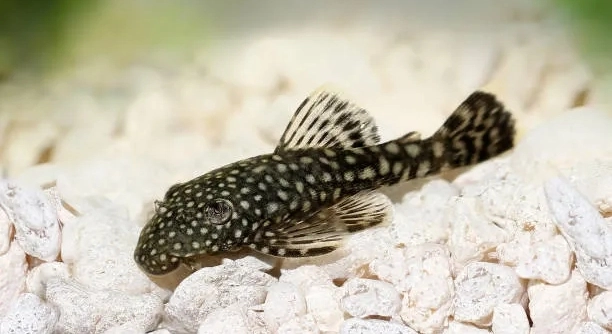
Plecos are fascinating fish, often admired for their calm presence and interesting behavior. They are naturally territorial and develop specific habits to establish their space in aquariums and natural habitats. Observing these behaviors can be insightful.
Plecos use a combination of visual displays, fin flaring, body posturing, substrate marking, chemical signals, movement patterns, and vocalizations to claim and defend a territory. Each cue serves to communicate ownership clearly to other fish and reduce unnecessary conflict.
Understanding these cues can help aquarists manage tank dynamics more effectively and maintain a peaceful environment for multiple fish species. Observing them closely reveals how plecos interact with their surroundings.
Visual Displays
Plecos often rely on visual displays to mark their territory. This includes changes in color, body posture, and specific movements that signal dominance. In aquariums, these displays are easier to notice, as plecos will flare their fins or press their bodies against surfaces. These signals are not random; they are carefully used to communicate ownership to other fish. Observing how a pleco positions itself near rocks, wood, or hiding spots can reveal which areas it considers important. The intensity of the display can vary depending on the size of the tank, the number of fish present, and the individual personality of the pleco. Even subtle changes, like a slight fin extension or a brief shift in body angle, can indicate that the fish is establishing boundaries. Over time, these visual cues create an invisible map within the tank, allowing each pleco to navigate its territory without frequent confrontation, contributing to a more stable environment for all aquatic inhabitants.
These displays are a clear method of communication. They signal ownership and dominance without direct confrontation, reducing conflicts between plecos in the same tank.
By paying attention to these visual behaviors, aquarists can predict which areas a pleco favors. Recognizing these signals early allows for proper placement of decorations, hiding spots, and feeding stations. Over time, a pleco’s routine visual displays can inform tank setup adjustments. This understanding also helps when introducing new fish, as it prevents unnecessary stress. Additionally, visual cues often correlate with other territorial behaviors, like fin flaring or substrate scraping. Observing these patterns helps maintain a balanced aquarium, ensuring each pleco feels secure. For anyone keeping plecos, noting visual displays offers insight into their preferences, stress levels, and interactions. It becomes easier to provide a comfortable habitat that respects each fish’s natural instincts. Paying attention to the subtleties of these behaviors strengthens your ability to manage an aquarium calmly and effectively.
Fin Flaring
Fin flaring is a common territorial signal in plecos. They extend their fins fully to appear larger and assert control over an area.
When a pleco flares its fins, it communicates both confidence and readiness to defend its chosen space. Other fish typically respond by keeping their distance. This behavior is most noticeable around preferred hiding spots or feeding areas. Fin flaring is also a subtle warning system, helping avoid unnecessary fights while maintaining clear boundaries. Over time, aquarists can learn to interpret the intensity and frequency of these displays, offering insight into each pleco’s comfort level and territorial claims. By arranging the tank to allow visual space for flaring, you support the fish’s natural behavior while minimizing stress and conflict. Observing these moments provides a window into how plecos balance asserting dominance with coexistence in shared environments.
Fin flaring is just one of several strategies plecos use to claim territory, but it is among the most visible and informative.
Plecos often combine fin flaring with other signals to reinforce their presence. They may flare while pressing their bodies against tank surfaces or during slow circling movements near preferred areas. This layered approach ensures that other fish recognize boundaries without triggering full-scale aggression. Fin flaring intensity can vary with the individual fish’s personality, health, and confidence. In smaller tanks, this behavior may appear more frequently due to limited space, while larger tanks allow plecos to establish separate zones with less direct confrontation. Aquarists can use fin flaring as an indicator to rearrange decorations or provide extra hiding spots, reducing stress for both territorial and newly introduced fish. Over time, observing these interactions helps maintain harmony in the tank, providing plecos the opportunity to express natural behaviors while keeping the environment stable for all species present.
Body Posturing
Body posturing helps plecos assert dominance. They angle their bodies, raise dorsal fins, or press against surfaces to make themselves appear larger and more intimidating to intruders.
This behavior is often combined with other territorial cues like fin flaring and substrate scraping. Plecos adjust their posture based on the size and confidence of nearby fish. A pleco may flatten against a surface when cautious, or fully arch its body to display strength. These movements are deliberate, not random. Body posturing communicates ownership clearly, allowing plecos to maintain territory boundaries without constant physical confrontation. Watching these cues provides insight into which areas of the tank are most valued.
Over time, body posturing establishes a visual hierarchy among tank mates. Fish that respect these displays are less likely to intrude, while those that ignore them may face escalated defense behaviors. This strategy reduces stress and injury, creating a more peaceful aquarium. Body posturing also varies with environmental conditions. In cramped tanks, plecos may exaggerate postures more frequently, while larger tanks allow subtler movements. Observing these signals helps aquarists predict conflicts and arrange decorations to support natural behavior, ensuring plecos feel secure and confident in their surroundings.
Substrate Marking
Plecos mark surfaces with their mouths or fins to signal territory. Scraping or rubbing leaves chemical traces that other fish detect.
Marking substrates communicates ownership silently. This behavior is common near caves, rocks, and driftwood where plecos spend most of their time.
Substrate marking combines chemical signals with physical presence to reinforce territorial boundaries. Plecos often scrape surfaces lightly or deposit mucus along edges of preferred spots. These markings serve as a deterrent, letting other fish know the area is occupied without direct confrontation. The behavior is influenced by tank conditions, population density, and individual personality. Frequent substrate marking usually indicates a high-value area, such as a hiding spot or feeding zone. Watching where and how often plecos mark surfaces allows aquarists to understand fish preferences and manage space efficiently. Additionally, this behavior reflects stress levels, health, and confidence, offering a non-intrusive way to monitor well-being. Observing substrate marking patterns can also guide adjustments in tank setup, such as adding new hiding places or redistributing decorations to minimize conflict and support natural behavior.
Chemical Signals
Plecos release chemicals into the water to communicate territory ownership. These invisible markers inform other fish which areas are claimed and help reduce direct confrontations.
Chemical signaling works alongside physical behaviors. Fish detect these substances and adjust their movements, avoiding areas marked by more dominant plecos.
Movement Patterns
Plecos patrol their territory regularly, swimming along borders and around hiding spots. These repeated movements reinforce ownership and help them monitor intruders. They may circle rocks, driftwood, or the substrate, ensuring every corner of their claimed space is familiar and defended. Patrolling also allows plecos to locate food while maintaining territorial boundaries.
Vocalizations
Plecos produce low-frequency sounds to signal presence and warn intruders. These vocalizations are subtle but effective in maintaining territory boundaries and avoiding conflicts.
How can I tell if my pleco is establishing a territory?
You can usually tell by observing a combination of behaviors. Look for fin flaring, body posturing, substrate scraping, and repeated movement patterns. These actions often happen around caves, driftwood, or favorite hiding spots. Visual displays, chemical signals, and even low-frequency vocalizations may also accompany these behaviors. Fish that repeatedly patrol specific areas, mark surfaces with mucus, or adjust their body to appear larger are signaling ownership. Over time, the same areas of the tank become more clearly associated with individual plecos, reducing conflicts and helping them feel secure.
Is it normal for plecos to become aggressive when claiming territory?
Yes, some aggression is natural, especially when new tank mates are introduced. Territorial displays like fin flaring and body posturing serve as warnings before physical conflict occurs. Most aggressive behavior is brief and does not result in injury if the tank has enough space. Conflicts usually happen near high-value areas like hiding spots or feeding zones. Providing multiple caves and driftwood pieces helps reduce aggression by allowing each fish its own space. Understanding these behaviors can prevent unnecessary stress and allows you to manage the tank effectively.
Can substrate marking affect other fish in the tank?
Yes, chemical signals from substrate marking communicate ownership to other fish, influencing their behavior. Fish may avoid marked areas, reducing direct confrontations. This helps establish a hierarchy without physical fights. Over time, you may notice other fish respecting these boundaries or adjusting their own territory patterns. Substrate marking is a natural behavior, and observing where your pleco deposits mucus or scrapes surfaces gives insight into its preferred areas. Adjusting tank layout based on these observations can promote harmony among multiple species.
How often do plecos use vocalizations to defend territory?
Vocalizations are subtle and used mostly when other behaviors are insufficient. These low-frequency sounds serve as warnings or alerts to intruders. You may not hear them above water, but they are effective in communicating presence. Combined with fin flaring, body posturing, and chemical signals, vocalizations help plecos maintain their territory without escalating to physical fights. Consistently observing these sounds can reveal stress levels or the presence of territorial disputes.
What environmental factors influence territorial behavior in plecos?
Tank size, number of hiding spots, water conditions, and population density all influence how strongly plecos defend territory. Smaller tanks or overcrowded setups often increase displays like fin flaring, substrate scraping, and patrol movements. Proper decoration with caves, driftwood, and plants allows plecos to establish separate zones, reducing stress and conflicts. Water quality also impacts behavior—plecos in clean, stable water are less prone to excessive aggression. Understanding environmental influence allows you to create a stable habitat where natural territorial behaviors occur without endangering other fish.
Can plecos share territory peacefully?
Some plecos tolerate others if there is enough space and resources. Territorial overlap is possible when multiple hiding spots exist and food is plentiful. Subtle cues like chemical signals and body posturing help establish boundaries without frequent fights. Observation is key—watch for repeated signs of stress or aggressive encounters. Adjusting tank layout by adding decorations or rearranging structures can help reduce territorial disputes and promote coexistence. Sharing is easier in larger aquariums where plecos can maintain personal zones and avoid constant confrontations.
Does diet affect territorial behavior in plecos?
Yes, nutrition can impact energy levels and aggression. Well-fed plecos may be less likely to escalate disputes, while underfed or competitive fish may defend territories more aggressively. Providing a balanced diet, including algae wafers, vegetables, and occasional protein, ensures plecos have enough energy to patrol and maintain territory without becoming overly aggressive. Observing feeding interactions can also reveal dominant fish and preferred areas within the tank. Ensuring proper nutrition supports both health and behavioral stability.
How do new plecos impact established territories?
Introducing new plecos can temporarily disrupt established boundaries. Existing fish may increase displays like fin flaring, body posturing, and substrate marking to reinforce ownership. Providing extra hiding spots, rearranging decorations, and monitoring interactions helps minimize stress. Over time, most plecos adapt and establish their own territories, while avoiding conflicts through visual, chemical, and movement cues. Careful observation during introductions ensures smooth adaptation and prevents unnecessary injury.
Are territorial behaviors the same in all pleco species?
Territorial tendencies vary between species. Some plecos, like common plecos, are more relaxed, while others, like bristlenose plecos, are more protective of their space. Size, temperament, and environmental needs influence how territory is defended. Observing species-specific behaviors allows you to adjust tank setup and management accordingly. Understanding differences ensures each species has space to express natural instincts without conflict.
Can stress influence territorial displays?
Yes, stressed plecos often exaggerate territorial behaviors. Fin flaring, frequent patrolling, or aggressive substrate marking may increase. Stress can result from overcrowding, poor water quality, or lack of hiding spots. Monitoring behavior alongside environmental factors allows early intervention. Reducing stress by improving tank conditions helps plecos maintain normal territorial behavior while supporting overall health.
Territorial behavior in plecos is a natural and important part of their daily life. Each pleco uses a combination of visual displays, fin flaring, body posturing, substrate marking, chemical signals, movement patterns, and vocalizations to communicate ownership. Observing these behaviors can tell you a lot about a fish’s comfort level and preferences within the tank. Even subtle actions, like a slight tilt of the body or a brief flare of the fins, are meaningful signals. Understanding these cues helps aquarists create a more peaceful environment, as each pleco can establish and maintain its own space without constant confrontation. By recognizing preferred areas and patterns of behavior, you can place hiding spots, driftwood, and decorations to support these natural instincts, reducing stress and conflict among fish. Watching how plecos patrol their territory or mark substrates also provides insight into their daily routines and priorities.
It is also important to remember that environmental factors greatly influence territorial behavior. Tank size, population density, number of hiding spots, and water quality all play a role in how strongly plecos defend their space. In smaller or crowded tanks, displays like fin flaring and patrolling may occur more frequently as fish work harder to maintain boundaries. Providing multiple caves, driftwood, or plants allows plecos to create distinct zones, lowering stress and minimizing aggressive interactions. Nutrition and health also affect behavior. Well-fed and healthy plecos are less likely to escalate disputes, while underfed or stressed fish may display stronger territorial responses. By combining careful observation with thoughtful tank management, you can ensure each pleco feels secure and has enough space to exhibit natural behaviors.
Finally, understanding pleco territory is useful not only for reducing aggression but also for improving overall tank management. Recognizing how each fish communicates and maintains its area helps you introduce new tank mates more smoothly, arrange decorations to avoid conflicts, and monitor health indicators through behavior. Territorial cues are subtle yet effective signals that contribute to the balance of the aquarium ecosystem. When aquarists pay attention to these behaviors, they can provide an environment that respects each pleco’s instincts while supporting harmony among multiple species. This knowledge allows fish to coexist with less stress and gives aquarists confidence in maintaining a healthy, stable tank. Observing and responding to territorial behavior ensures plecos can live comfortably, express natural behaviors, and thrive in a well-managed environment.

Hello,
If you enjoy the content that we create, please consider saying a "Thank You!" by leaving a tip.
Every little bit helps us continue crafting quality advice that supports the health, happiness, and well-being of pets around the world, for pets of all shapes, sizes, and species.
We really appreciate the kindness and support that you show us!