
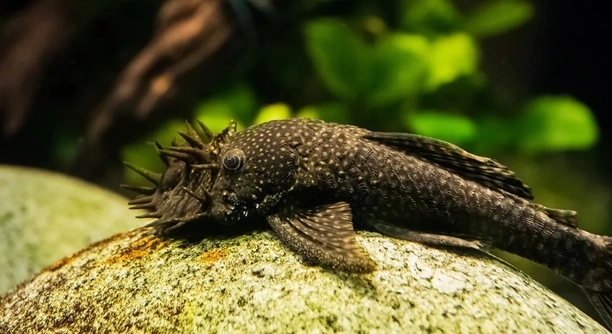
Your pleco may seem picky, avoiding the same food day after day. This behavior is normal and part of their natural feeding instincts, which are shaped by their environment and biological needs, ensuring they get a varied diet.
Plecos avoid eating the same food daily because their digestive systems and nutritional requirements demand variety. Offering different foods prevents deficiencies, supports healthy growth, and mimics the natural diversity of their diet in the wild, promoting overall well-being.
Learning how to offer a balanced selection of foods can improve your pleco’s health and keep mealtimes more engaging for your aquatic pet.
Understanding Pleco Feeding Habits
Plecos are naturally selective eaters, and their feeding habits are influenced by instincts and environment. In the wild, they encounter a variety of foods such as algae, plant matter, and small invertebrates. This variety ensures they receive essential nutrients for growth and health. When kept in aquariums, they may reject the same food repeatedly because their bodies recognize the need for balance. Offering a single type of food daily can lead to nutritional gaps, affecting digestion and energy. Observing their behavior can help identify preferences and ensure a more balanced diet. Plecos also respond to freshness, texture, and presentation, which can make a familiar food less appealing over time. Changing feeding routines, rotating food types, and providing natural sources like algae wafers or vegetables helps meet their dietary needs while maintaining their interest. Paying attention to their responses can improve overall well-being.
Variety is essential for plecos to stay healthy, preventing boredom and nutritional deficiencies.
Introducing different foods gradually allows plecos to adjust without stress. Slowly rotating vegetables, algae wafers, and occasional protein treats encourages natural feeding patterns. This method also lets you monitor which foods are best accepted, ensuring a balanced and enjoyable diet for your pleco. Consistent observation and small adjustments can improve feeding success.
Signs Your Pleco Needs Food Variety
A pleco that consistently avoids certain foods may show subtle signs of dissatisfaction or nutritional imbalance. These signs can include slower movement, reduced appetite, or changes in appearance.
Ensuring your pleco receives a varied diet helps maintain digestive health, supports growth, and prevents long-term deficiencies. Introducing different textures and nutrients replicates their natural environment. Feeding strategies such as offering leafy greens, algae, and protein supplements at different times can keep meals interesting and nutritionally complete. Regularly observing your pleco during feeding helps identify preferences and detect issues early. Adjusting portions, alternating foods, and noting changes in activity or health can inform better feeding practices. Using natural foods alongside commercial options can also improve acceptance. This approach not only keeps your pleco engaged but supports overall vitality, immunity, and lifespan. Providing variety ensures your aquarium remains balanced, reducing the risk of overfeeding one type of food while neglecting other essential nutrients. Over time, this careful attention promotes a healthier, more active pleco.
Common Foods Plecos Enjoy
Plecos enjoy a mix of vegetables, algae wafers, and occasional protein treats. Leafy greens like spinach or zucchini are often preferred. Offering variety keeps them interested and ensures they get essential nutrients. Avoid overfeeding a single food type to maintain balanced nutrition.
Vegetables such as cucumber, lettuce, and peas can be lightly blanched to soften them, making them easier for plecos to eat. Algae wafers are convenient for supplementing natural grazing habits, providing minerals and fiber. Some plecos also benefit from occasional protein sources like shrimp pellets or bloodworms. Rotating these foods throughout the week helps prevent dietary boredom while ensuring all nutritional needs are met. Paying attention to which foods are eaten first can guide future feeding choices and help maintain a healthy diet routine.
Texture and presentation matter. Plecos often prefer firm vegetables or wafers placed near their hiding spots. Slowly introducing new foods allows them to adapt without stress. Over time, you’ll notice which combinations they favor, helping create a well-rounded diet that keeps them active, healthy, and less likely to reject meals.
Timing and Feeding Frequency
Plecos thrive on consistent feeding schedules, usually once or twice a day. Maintaining a routine encourages regular eating and helps monitor appetite and health.
Spacing meals prevents overfeeding and digestive problems. Smaller, frequent portions allow plecos to graze naturally, similar to their habits in the wild. Feeding at the same times each day reinforces a predictable routine, reducing stress. Observing activity before feeding helps determine appetite, while removing uneaten food prevents water quality issues. Timing adjustments may be needed for different species or tank conditions. Combining varied foods at each feeding encourages balanced nutrition, ensures proper digestion, and keeps plecos engaged. Tracking their response over several days can guide portion size and meal frequency, promoting long-term health and vitality.
Avoiding Food Fatigue
Rotating foods prevents plecos from getting bored with their diet. Even small changes in vegetables or wafers can keep meals interesting.
Introducing new textures occasionally encourages natural foraging behavior. Plecos respond well to subtle changes, which supports overall health and appetite.
Observing Preferences
Monitoring which foods your pleco consistently eats first can reveal preferences and nutritional needs. Noting these patterns helps in planning balanced meals. Regular observation ensures dietary adjustments match their habits, preventing nutrient gaps. Tracking changes over weeks also identifies potential health issues early. By responding to preferences, feeding becomes more effective.
Seasonal Changes in Appetite
Plecos may eat less during cooler months or when water conditions shift. Adjusting food types and portions helps maintain proper nutrition during these periods.
FAQ
Why does my pleco refuse the same food every day?
Plecos naturally need variety in their diet. Their digestive systems rely on different nutrients found in vegetables, algae, and occasional protein sources. Feeding the same food daily can cause boredom or nutrient gaps. Rotating foods keeps them engaged and supports overall health. Observing what they eat first helps identify their preferences.
Can I feed my pleco only algae wafers?
Algae wafers alone do not provide complete nutrition. While they are a convenient source of fiber and minerals, plecos also need vegetables like zucchini or spinach and occasional protein for balanced growth. Combining wafers with fresh or blanched veggies ensures all essential nutrients are covered.
How often should I feed my pleco?
Most plecos do well with one or two feedings per day. Smaller, consistent portions mimic their natural grazing habits. Observing their activity before feeding helps determine appetite. Uneaten food should be removed to maintain water quality, and timing can be adjusted depending on the species or tank conditions.
What vegetables are best for plecos?
Leafy greens and firm vegetables work well. Zucchini, cucumber, spinach, and peas are easy to digest and provide essential vitamins. Lightly blanching harder vegetables softens them, making them easier to eat. Rotating vegetables ensures a wider range of nutrients and prevents dietary boredom.
Do plecos need protein?
Yes, plecos benefit from occasional protein sources. Shrimp pellets, bloodworms, or other commercial protein treats support growth and vitality. Protein should be offered in moderation, as too much can upset their digestive system or reduce interest in other nutritious foods.
How can I tell if my pleco is eating enough?
Monitor activity, appearance, and leftover food. Active plecos that finish most meals and maintain a healthy body are likely getting enough nutrition. Signs of inadequate intake include weight loss, dull coloration, and reduced movement. Adjust feeding amounts or food types if these signs appear.
Should I change my pleco’s diet gradually?
Yes, sudden changes can stress plecos and cause them to reject food. Introducing new vegetables, wafers, or protein treats slowly over several days helps them adapt. Observing their reaction allows adjustments to ensure they accept and benefit from new foods.
Can water quality affect eating habits?
Absolutely. Poor water conditions can reduce appetite or cause stress. Maintaining stable temperature, pH, and cleanliness encourages regular feeding. Removing uneaten food promptly and performing routine water changes supports both health and feeding interest.
Is it normal for a pleco to skip meals sometimes?
Yes, occasional skipped meals are normal. Plecos may eat less during cooler water periods, after a change in environment, or when digesting a large previous meal. Consistent monitoring ensures skipped meals do not indicate a health problem.
How do I prevent my pleco from being picky?
Offering a variety of foods and rotating them regularly reduces pickiness. Providing fresh vegetables, algae wafers, and occasional protein treats keeps meals interesting. Paying attention to preferences and adjusting presentation, texture, and location of food also encourages consistent eating.
Can supplements help my pleco’s diet?
Supplements can be useful if your pleco’s diet lacks certain nutrients. Mineral blocks or vitamin-enriched wafers provide additional support. However, a varied diet of vegetables, wafers, and protein is usually sufficient if well-balanced. Over-supplementing can cause health issues, so moderation is key.
How long can a pleco go without eating?
Healthy adult plecos can survive several days without food, especially if they have algae in the tank. Juveniles or stressed plecos need more regular feeding. Observing behavior and body condition helps ensure they are not experiencing long-term dietary issues.
What’s the best way to introduce new foods?
Place small portions of new vegetables or protein near hiding spots where plecos feel safe. Offer alongside familiar foods, gradually increasing the new food portion as they begin to accept it. Patience and observation are important to ensure a smooth transition.
Do plecos need fiber in their diet?
Yes, fiber is essential for digestion. Algae, leafy greens, and certain vegetables provide necessary fiber that keeps their digestive system functioning properly. Lack of fiber can lead to constipation or poor nutrient absorption. Including a mix of foods ensures sufficient fiber intake.
Can I feed my pleco too much?
Overfeeding can cause water quality issues and digestive problems. Smaller, frequent portions are better than large amounts at once. Observing leftover food and adjusting amounts prevents waste, reduces stress on the tank ecosystem, and keeps your pleco healthy.
How do seasonal changes affect feeding?
Plecos may eat less in cooler water or during seasonal adjustments. Reducing food amounts slightly while maintaining variety helps prevent overfeeding. Observing behavior and adjusting meal size ensures proper nutrition without causing digestive stress.
What signs indicate my pleco likes a particular food?
Quick consumption, consistent interest, and increased activity around feeding time show preference. Foods eaten first or entirely indicate higher appeal. Observing these patterns helps tailor a diet that meets nutritional needs while keeping meals engaging.
How can I make feeding time more effective?
Feed at consistent times, provide a variety of textures and nutrients, and monitor consumption. Removing uneaten food promptly prevents water issues. Observing preferences and adjusting portions improves acceptance and ensures a balanced, healthy diet over time.
Are there foods I should avoid for plecos?
Avoid foods high in fat, salt, or artificial additives. Certain vegetables like potatoes or raw beans can be harmful. Stick to safe vegetables, algae wafers, and moderate protein sources. This ensures digestive safety and maintains overall health.
What is the best overall strategy for feeding plecos?
Provide a balanced, varied diet of vegetables, algae wafers, and occasional protein. Rotate foods regularly, monitor preferences, maintain water quality, and feed at consistent times. Observing behavior and adjusting portions ensures a healthy, engaged, and well-nourished pleco.
This FAQ covers the essential points of feeding plecos, addressing common concerns while giving practical guidance to maintain health and interest in their diet.
Final Thoughts
Maintaining a healthy diet for your pleco is an important part of keeping them active and thriving. Plecos naturally prefer variety, and providing different types of foods ensures they receive the nutrients they need. Vegetables, algae wafers, and occasional protein sources all play a role in a balanced diet. Focusing on variety helps prevent boredom and supports their digestive system. It is important to pay attention to the foods they consistently eat first, as this can give insight into their preferences and nutritional needs. Rotating vegetables, changing textures, and offering fresh options regularly keeps meals engaging and encourages them to eat consistently.
Feeding routines and timing also play a major role in your pleco’s health. Establishing a consistent schedule, usually one or two feedings per day, helps regulate appetite and digestion. Smaller portions spread across the day better mimic natural grazing habits, which reduces stress and prevents overeating. Observing your pleco during feeding times can help identify when they are most active and responsive. Removing uneaten food promptly is necessary to maintain water quality, as leftover food can lead to bacterial growth and affect overall tank conditions. Adjusting meal portions and types based on season, water temperature, and individual behavior ensures that your pleco is receiving adequate nutrition year-round.
Monitoring your pleco’s behavior and physical condition is key to maintaining long-term health. Signs such as consistent appetite, vibrant coloration, and active movement indicate proper nutrition, while changes may suggest dietary adjustments are needed. Introducing new foods gradually allows them to adapt without stress and prevents sudden rejection of meals. Avoid overfeeding and provide fiber-rich foods to support digestion. By observing, adjusting, and maintaining variety in diet, you create a stable and healthy feeding environment for your pleco. Consistency, attention to preferences, and a focus on balanced nutrition will help your pleco remain active, healthy, and well-nourished throughout its life.

Hello,
If you enjoy the content that we create, please consider saying a "Thank You!" by leaving a tip.
Every little bit helps us continue crafting quality advice that supports the health, happiness, and well-being of pets around the world, for pets of all shapes, sizes, and species.
We really appreciate the kindness and support that you show us!