
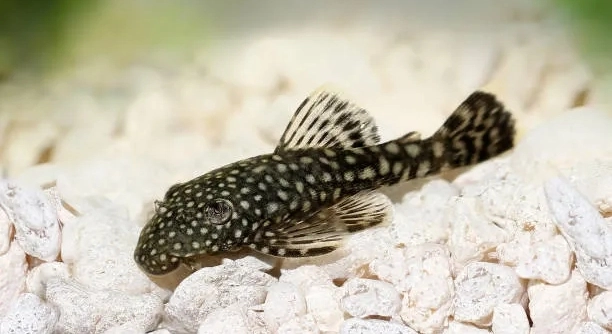
Plecos are fascinating fish with quiet, mysterious behaviors that often go unnoticed. Observing them carefully can reveal subtle signs of their mood and well-being. Many aquarists miss these gentle cues in everyday tank interactions.
Plecos communicate their mood through body movements, fin displays, color changes, and interaction with their environment. Each subtle behavior provides insight into stress levels, comfort, or aggression, allowing aquarists to respond appropriately and maintain a healthy habitat for their fish.
Recognizing these small signals can improve your connection with plecos and help maintain a calm, thriving aquarium environment. Understanding their behavior brings both clarity and satisfaction to fish care.
Fin Flicks and Tail Movements
Plecos often use their fins and tails to express mood. A relaxed pleco may gently fan its fins while resting on a smooth surface, indicating comfort and low stress. Conversely, rapid or erratic flicks often signal agitation or fear. These movements can be subtle and require careful observation, as plecos are naturally quiet and reserved. You might notice a pleco slowly sweeping its tail along the substrate, a behavior associated with exploration or minor irritation. Watching how a pleco positions itself in the tank can also indicate confidence or insecurity. Plecos may press against decorations or corners when stressed, contrasting with open swimming when content. Recognizing these signals early allows aquarists to adjust water quality, tank layout, or social conditions to support the fish’s well-being. Over time, observing tail and fin patterns builds a deeper understanding of your pleco’s typical behavior, making unusual signs easier to spot and address.
Tail flicks can indicate agitation, comfort, or exploration depending on speed, angle, and frequency of the movement.
Subtle differences in fin movements provide a clear picture of your pleco’s state. Rapid, sharp flicks often accompany stress, while slow, even fanning suggests relaxation. Paying attention to these details helps maintain a peaceful tank and prevents long-term behavioral issues.
Color Changes
Plecos use body coloration to express mood, and shifts in hue can reflect stress, excitement, or illness. A darkened pleco may be stressed due to poor water conditions, tank overcrowding, or aggressive tank mates. Lighter, vibrant colors typically indicate contentment and good health. These changes are gradual and require careful monitoring, as plecos often hide during the day and show their true colors mainly at night or during feeding times. Environmental factors like lighting and substrate color can also influence appearance, making it important to maintain consistent tank conditions. Monitoring your pleco’s colors over time helps identify subtle shifts that may precede behavioral changes or health concerns. Some plecos exhibit localized changes, such as darker patches on fins or body segments, which can indicate mood shifts or minor irritation. By noting these color variations and correlating them with daily tank events, you can respond quickly to improve their environment. Understanding pleco coloration patterns is an essential skill for maintaining both happiness and health in your aquarium.
Color changes in plecos signal mood and stress, making regular observation vital for a healthy tank environment.
Hiding Spots and Shelter Use
Plecos use hiding spots to communicate comfort and stress. A fish that frequently hides may feel insecure, while one that explores openly signals confidence and relaxation in its environment.
Frequent use of caves, driftwood, or dense plants can indicate that a pleco is stressed or wary. Changes in hiding behavior, such as suddenly spending more time out in the open, often show increased comfort or curiosity. Plecos naturally seek shelter to feel safe, but abrupt avoidance of favorite spots may reflect tank disturbances, aggressive neighbors, or water quality issues. Observing their pattern of movement between open areas and hiding places helps you understand their mood and adjust conditions for a more secure, balanced habitat.
Providing multiple hiding options encourages natural behavior and reduces stress in the aquarium. By monitoring shelter use, aquarists can interpret subtle signals of comfort or discomfort. Consistency in placement and type of hiding spots is key to maintaining stable behavior.
Sucker Mouth and Substrate Interaction
Plecos often use their sucker mouths to communicate mood through interaction with surfaces. Constant scraping or excessive suction can indicate irritation, hunger, or territorial behavior.
When a pleco rubs against rocks, decorations, or glass, it may signal mild discomfort or the need to remove parasites from its body. Calm, slow movements along surfaces typically show relaxed exploration. Rapid, repeated scraping can suggest stress, poor water conditions, or aggressive tankmates, and should be monitored carefully. Substrate type also affects behavior—rough textures encourage natural scraping, while smooth surfaces may limit expression. Watching how a pleco interacts with the tank floor and objects reveals patterns that reflect mood and well-being, providing important cues to adjust care routines.
Plecos using their mouths to explore surfaces demonstrate a range of moods from comfort to mild agitation. Proper tank setup supports healthy interaction and reduces behavioral stress, keeping plecos active and balanced.
Breathing Patterns
Plecos change their breathing to show mood. Fast or heavy gill movement often signals stress or poor water quality, while slow, steady breathing usually shows relaxation and comfort.
Occasional deep breaths or pauses in gill movement can also indicate calmness. Monitoring breathing helps track overall health and mood in subtle ways.
Interaction with Tank Mates
Plecos communicate mood through social behavior. Aggressive displays like charging or flaring fins show territorial stress, while peaceful cohabitation indicates comfort. Observing interactions helps identify stressors or compatibility issues within the aquarium, allowing adjustments to maintain a balanced environment.
Nighttime Activity
Plecos are more active at night. Increased movement during dark hours usually signals contentment, while hiding or inactivity can indicate stress or discomfort in the tank environment.
FAQ
How can I tell if my pleco is stressed?
Stress in plecos is often shown through behavior and subtle physical cues. Rapid fin flicks, erratic swimming, or hiding more than usual are common signs. Color changes, especially darkening, can also indicate stress. Poor water quality or aggressive tank mates are typical triggers. Regular observation of these behaviors helps you respond before health issues arise.
Why does my pleco hide so much?
Hiding is a natural behavior for plecos, providing a sense of security. Excessive hiding may suggest discomfort from water conditions, insufficient hiding spaces, or tank mates that cause stress. Plecos also hide during the day since they are nocturnal, so it’s normal to see them rest in shelters during daylight hours.
What does tail flicking mean in plecos?
Tail flicks are a form of communication. Slow, gentle flicks often show contentment or exploration, while fast, repeated flicks can indicate agitation or stress. Paying attention to the frequency and context of tail movements gives insight into their current mood.
How do plecos show they are comfortable?
Relaxed fin positions, normal breathing patterns, and open swimming without constant hiding are clear indicators of comfort. Bright coloration and gentle substrate interaction also suggest that the pleco feels secure and content in its environment.
Can color changes indicate illness?
Yes, sudden or unusual changes in color can signal stress or illness. Darkening often reflects stress, while pale or blotchy patterns may indicate disease or poor water conditions. Observing these shifts alongside other behaviors helps determine whether intervention is needed.
Why does my pleco scrape surfaces?
Surface scraping is normal, driven by natural behavior like feeding or cleaning the body. Excessive scraping, especially along rough areas or decorations, can indicate irritation, parasites, or water quality issues. Monitoring substrate types and cleaning routines supports healthy behavior.
Do plecos interact with tank mates?
Plecos can be territorial, especially around hiding spots. Aggressive displays like fin flaring or chasing indicate territorial stress. Peaceful cohabitation and shared spaces without conflict suggest a comfortable social environment. Observing interactions helps manage aggression and prevent long-term stress.
How important is nighttime behavior?
Plecos are nocturnal, so activity levels at night reflect their mood. Increased exploration and feeding during dark hours indicate contentment. Conversely, inactivity or hiding during night hours can signal stress, discomfort, or illness, warranting adjustments in tank conditions.
Can tank setup affect pleco mood?
Absolutely. Adequate hiding spots, proper substrate, consistent lighting, and water quality all influence mood. Poor conditions can increase stress behaviors like hiding, rapid tail flicking, or aggressive interactions. Adjusting these factors ensures a more secure and balanced environment.
How do I respond to subtle mood changes?
Observe patterns in fin movement, color, breathing, and shelter use. Adjust water parameters, provide multiple hiding areas, and ensure compatible tank mates. Small environmental improvements can significantly reduce stress and encourage healthy, natural behaviors.
What is normal pleco behavior to expect?
Plecos are mostly calm, nocturnal, and gentle. Expect slow exploration, substrate scraping, occasional hiding, and steady breathing. Awareness of individual personality differences helps distinguish between typical behavior and signs of stress or illness, allowing timely care and intervention.
Can I improve my pleco’s comfort at any time?
Yes. Maintaining clean water, stable temperatures, adequate hiding spots, and compatible tank mates creates a secure environment. Observing their subtle signals and responding consistently improves mood and overall health. Regular monitoring fosters a thriving aquarium and a more predictable behavior pattern.
Do plecos show affection or recognition?
While plecos are not social in the traditional sense, they can show comfort and trust by exploring near owners or interacting calmly with tank mates. Recognizing these subtle signs helps understand their mood and fosters a healthy, stress-free habitat.
What signs indicate serious problems?
Persistent rapid breathing, extreme color changes, refusal to eat, or prolonged hiding may indicate illness or severe stress. Immediate attention to water quality, tank conditions, and possible medical intervention is crucial to prevent long-term harm.
How can observation improve care?
Consistent monitoring of tail movements, fin position, color, shelter use, and interactions provides real insight into mood and health. Small changes often precede visible illness, allowing proactive care and ensuring a more balanced, content pleco in your aquarium.
Can mood signals vary between pleco species?
Yes. Different species have unique behaviors, coloration patterns, and activity levels. Understanding the specific species in your tank helps interpret mood cues accurately. Observing consistent patterns over time is the best way to identify normal versus abnormal behavior.
Is it necessary to track behavior daily?
Daily observation is highly beneficial. Noting subtle shifts in activity, color, or shelter use helps detect stress or illness early. Routine tracking allows aquarists to maintain optimal conditions and respond promptly to environmental or social changes.
What role does diet play in mood?
A balanced diet supports energy levels, coloration, and overall health. Poor nutrition can lead to lethargy, color fading, or unusual behavior. Providing a varied diet that meets species-specific needs encourages natural activity and contributes to a stable, positive mood.
How do plecos react to water changes?
Gradual, consistent water changes are generally accepted calmly. Sudden shifts in temperature, pH, or hardness can trigger stress behaviors like rapid tail flicking, hiding, or color darkening. Monitoring reactions during maintenance ensures minimal disruption to mood and well-being.
Can enrichment improve pleco behavior?
Yes. Introducing driftwood, plants, and varied substrates encourages natural exploration and scraping behaviors. Enrichment reduces boredom, supports physical health, and can help plecos express natural moods more openly, resulting in a more active and content aquarium environment.
How long does it take to notice mood patterns?
Observing consistently for several weeks reveals individual personality traits and typical behavior patterns. Tracking movements, color, breathing, and shelter use over time helps distinguish normal variations from stress-related changes, enabling more accurate responses to your pleco’s needs.
What is the most important tip for understanding pleco mood?
Patience and careful observation are key. Paying attention to small, consistent signals such as fin movements, color shifts, shelter use, and interactions allows you to understand mood and maintain a stable, healthy environment for your pleco.
Can multiple plecos in one tank complicate mood signals?
Yes. Social dynamics can mask or amplify individual moods. Aggression, competition for hiding spots, and territorial disputes may alter normal behavior. Monitoring each pleco separately and providing sufficient space reduces stress and clarifies mood indicators.
How do I record observations effectively?
Keeping a simple journal or log of daily behaviors, feeding patterns, color changes, and shelter use helps track trends over time. Documenting subtle changes ensures timely intervention and supports consistent, informed care for each pleco in your aquarium.
Can plecos adapt to human presence?
Over time, plecos may become accustomed to routine human interaction, especially during feeding. Calm movements and predictable care can reduce stress, encourage exploration near the front of the tank, and provide insight into their mood through proximity and activity.
How do environmental changes affect mood?
Shifts in light cycles, temperature, tank layout, or decorations can influence stress levels. Sudden changes often trigger hiding, rapid tail flicks, or color darkening. Gradual, deliberate adjustments help plecos adapt while maintaining stable behavior and promoting comfort.
What behaviors indicate contentment most clearly?
Relaxed swimming, open exploration, gentle substrate scraping, steady breathing, and vibrant coloration are strong indicators of a content pleco. Observing these behaviors alongside minimal hiding and calm social interactions signals a healthy, comfortable fish.
How often should I review pleco behavior?
Weekly or daily reviews are effective. Noting subtle shifts in activity, color, or interactions allows for early detection of stress or illness. Consistent monitoring helps maintain a stable environment and encourages natural, relaxed behavior patterns.
Does tank size influence mood?
Yes. Limited space increases stress and can lead to territorial disputes. Adequate room for hiding, swimming, and exploration supports positive behavior, reducing aggression and fostering overall well-being for plecos in the aquarium.
Are plecos sensitive to noise or vibrations?
Plecos respond to sudden loud sounds or vibrations, often hiding or exhibiting rapid tail flicks. Maintaining a calm environment with minimal external disturbances helps reduce stress and allows plecos to express natural behaviors more freely.
How do I know if my pleco is happy?
A happy pleco shows steady breathing, vibrant coloration, calm fin movements, substrate interaction, and comfortable exploration without excessive hiding. Observing consistent, relaxed patterns over time confirms contentment and indicates that the aquarium environment is supportive and secure.
Can pleco mood affect health?
Yes. Chronic stress or discomfort can weaken the immune system, affect feeding, and trigger illness. Recognizing mood cues early helps prevent health problems and supports long-term well-being in the aquarium environment.
What is the easiest way to start monitoring mood?
Begin with daily observation of basic behaviors: breathing, fin and tail movements, color, shelter use, and social interactions. Simple notes over a few weeks provide a baseline, allowing you to detect deviations that may indicate stress or health concerns.
Do plecos react differently to feeding times?
Yes. Increased activity, exploration, and substrate interaction during feeding suggest contentment and engagement. Reduced appetite or hiding during feeding may indicate stress, illness, or dissatisfaction with tank conditions, signaling that adjustments may be needed.
How do water parameters specifically impact mood?
pH, temperature, hardness, and ammonia levels directly influence stress and behavior. Deviations from optimal ranges often trigger hiding, rapid movements, color darkening, or reduced activity. Regular testing and adjustments maintain a stable environment that supports natural behavior.
Is it necessary to separate plecos if aggression occurs?
In cases of repeated territorial disputes or stress-related aggression, separation may be necessary. Providing adequate hiding spots and space can reduce conflicts, but observing individual behavior ensures interventions are appropriate and effective.
Can plecos communicate discomfort without moving?
Yes. Subtle signals like fin clamping, color shifts, or slower breathing indicate discomfort even when the fish remains still. Awareness of these small cues allows for timely environmental adjustments and better care.
How do I encourage natural behavior?
Provide varied substrate, driftwood, plants, and multiple hiding spots. Maintain stable water conditions, compatible tank mates, and a predictable routine. These measures allow plecos to express natural behaviors, reducing stress and revealing authentic mood signals.
Do plecos ever display curiosity?
Plecos show curiosity through gentle exploration, substrate interaction, and observing new objects or movements. Calm, investigative behavior near decorations or owners often reflects comfort and engagement in a stable, secure environment.
Can lighting affect mood?
Yes. Proper light cycles support natural nocturnal behavior. Excessive or sudden lighting changes can trigger hiding, stress, or inactivity. Consistent lighting encourages natural rhythms and stable mood patterns.
What should I do if I notice unusual behavior?
Check water quality, tank conditions, diet, and tank mate interactions. Correcting environmental or social stressors usually resolves most behavior issues. Persistent or severe changes may require consultation with an aquatic veterinarian.
How long does it take to see results from adjustments?
Changes in mood and behavior can appear within hours to days, depending on the adjustment. Gradual improvements in activity, fin movement, breathing, and color indicate that the pleco is responding positively to the environment.
Are plecos affected by seasonal changes?
Yes. Temperature and light variations may alter activity, feeding, and color. Maintaining consistent conditions indoors minimizes seasonal stress, supporting stable behavior and mood year-round.
Can multiple cues be combined for accurate mood reading?
Observing color, fin movement, tail flicks, shelter use, substrate interaction, and breathing together provides the most accurate understanding. Single cues may be misleading, but combined observations offer a reliable picture of the pleco’s emotional state.
Is it normal for plecos to change behavior over time?
Yes. Growth, age, tank changes, or shifts in social dynamics can modify behavior. Tracking patterns over time helps distinguish natural changes from stress-induced or health-related alterations.
What is the most important daily practice for monitoring plecos?
Daily observation of movement, fin and tail activity, shelter use, and breathing patterns ensures early detection of stress or illness. Keeping a simple record provides insight into mood and helps maintain a healthy, comfortable environment.
How do plecos express discomfort during feeding?
Refusing food, hiding, or erratic substrate scraping during feeding can indicate discomfort. Observing feeding behavior helps detect stress or illness early and guides adjustments to diet, environment, or tank conditions.
Can mood signals vary between individual plecos?
Yes. Each pleco has unique behavior patterns. Understanding individual baselines allows more accurate recognition of stress, contentment, or health concerns, making care more effective.
How important is consistency in tank care?
Consistent water quality, feeding schedules, lighting, and hiding spots reduce stress and encourage natural behavior. Stability allows plecos to display normal mood signals clearly and supports long-term health and comfort.
Are plecos sensitive to human handling?
Handling is generally stressful for plecos. Minimal physical contact is recommended. Observing behavior from outside the tank provides better insight into mood and prevents unnecessary stress.
Can observing pleco mood improve tank management?
Yes. Monitoring subtle behavioral cues helps identify stressors, improve water quality, adjust tank mates, and refine feeding practices. Understanding mood leads to a healthier, more balanced aquarium.
What are the long-term benefits of mood observation?
Consistent monitoring prevents illness, reduces stress, and enhances the quality of life for plecos. Recognizing subtle cues ensures proactive care, leading to happier, healthier fish and a more stable, harmonious tank environment.
How do I balance multiple plecos’ moods?
Provide adequate space, multiple hiding spots, and compatible tank mates. Observe individual behaviors and intervene when stress or aggression arises. Balancing the environment supports harmonious cohabitation and reduces tension.
Can plecos become accustomed to their owners?
Yes. Repeated calm interaction, especially during feeding, can reduce stress and encourage exploration near the front of the tank. This familiarity indicates comfort and allows observation of authentic mood behaviors.
Is it necessary to track every subtle behavior?
Not every movement needs documentation. Focus on key indicators: tail and fin movement, color, shelter use, substrate interaction, breathing, and social behavior. These provide sufficient insight into mood and health for effective care.
Do plecos react to sudden changes in the tank environment?
Yes. Rapid alterations in lighting, decorations, or water conditions can trigger hiding, color darkening, or erratic movements. Gradual, careful adjustments minimize stress and support stable mood patterns.
How do I interpret conflicting signals?
Look at the context and combination of cues. For example, tail flicking with calm breathing may indicate curiosity, while the same movement with darkened color and hiding signals stress. Multiple observations ensure accurate interpretation of mood.
Can enrichment reduce stress?
Yes. Driftwood, plants, varied substrates, and hiding spaces encourage natural exploration and reduce boredom. Enrichment promotes comfort, decreases aggression, and supports positive mood expression in plecos.
How can I make small adjustments to improve comfort?
Adjust water parameters gradually, provide extra hiding spots, ensure compatible tank mates, and maintain stable feeding schedules. Small, consistent improvements have a significant impact on mood and overall well-being.
Does water temperature affect behavior?
Yes. Temperatures outside the ideal range can increase stress, reduce activity, or trigger color changes. Maintaining appropriate water temperature supports natural behaviors and positive mood expression.
Can plecos show signs of happiness?
Yes. Calm exploration, vibrant coloration, steady breathing, substrate interaction, and relaxed social behavior indicate contentment. Recognizing these signs helps ensure the tank environment meets their needs and promotes well-being.
How do I address aggressive pleco behavior?
Identify the source—territorial disputes, overcrowding, or competition for hiding spots. Rearrange the tank, add shelters, or separate individuals if necessary. Observing post-adjustment behavior ensures aggression is minimized and comfort is restored.
Can observing pleco mood prevent health issues?
Yes. Early detection of stress or unusual behaviors allows corrective action before illness develops. Consistent monitoring of mood and subtle behavioral cues is an effective preventive care strategy.
What is the single best way to understand pleco mood?
Patience and careful observation. Watching fin movements, tail flicks, color changes, shelter use, substrate interaction, and social behavior over time provides the clearest understanding of a pleco’s emotional state.
Are plecos sensitive to water chemistry changes?
Yes. Even slight shifts in pH, hardness, or ammonia levels can trigger stress behaviors. Regular testing and gradual adjustments help maintain stable conditions and promote healthy, relaxed behavior.
How do I respond to subtle changes without stressing the pleco?
Implement gradual environmental improvements, such as adjusting water parameters, adding hiding spots, or modifying lighting. Avoid sudden interventions, allowing the pleco to acclimate comfortably while supporting positive mood signals.
Is it normal for plecos to show variation in mood daily?
Yes. Minor daily fluctuations in activity, color, or fin movement are natural. Patterns over weeks, rather than single observations, provide the most accurate insight into long-term mood and well-being.
What is the role of observation in long-term care?
Regular, attentive monitoring helps detect stress, illness, and environmental issues early. Consistent observation ensures proactive adjustments, leading to a stable, healthy aquarium and improving the quality of life for plecos.
Can diet, environment, and social factors be managed together?
Yes. Balanced nutrition, proper water parameters, adequate hiding spots, and compatible tank mates work together to support natural behavior. Managing these factors holistically enhances comfort, reduces stress, and encourages authentic mood expression.
How can I tell if changes are temporary or serious?
Monitor multiple behaviors over several days. Temporary changes often resolve with minor adjustments, while persistent deviations in color, breathing, or activity suggest a more serious issue requiring intervention.
What is the most practical daily routine for mood monitoring?
Observe fin and tail movements, color, breathing, shelter use, and interactions. Note significant changes and respond appropriately. This routine ensures consistent awareness of your pleco’s mood and helps maintain a healthy environment.
Do plecos react differently to multiple observers?
Yes. Plecos may show heightened stress with frequent movement around the tank. Minimal, calm observation reduces stress and allows more accurate reading of natural behavior and mood.
How can I encourage confident behavior?
Provide consistent hiding spots, compatible tank mates, stable water conditions, and gradual environmental enrichment. Confidence is reflected in open exploration, relaxed fin movements, and gentle substrate interaction.
Are mood patterns consistent across time of day?
Plecos are nocturnal, so activity and behavior vary between day and night. Observing patterns relative to lighting cycles ensures accurate interpretation of mood.
Final Thoughts
Observing plecos closely reveals much about their mood and well-being. They communicate primarily through subtle behaviors like fin movements, tail flicks, color changes, and interaction with their environment. Unlike more expressive fish, plecos are naturally quiet and reserved, so small changes in behavior often carry important meaning. Understanding these cues helps aquarists respond appropriately to their needs. For instance, noticing increased hiding, rapid tail flicking, or unusual color shifts can indicate stress or discomfort, prompting adjustments in water quality, tank layout, or social dynamics. Conversely, relaxed swimming, gentle fin fanning, and vibrant colors suggest comfort and security. By learning to interpret these subtle signals, you gain insight into the emotional state of your pleco, which can guide care decisions and improve the overall health of the fish.
Providing a well-structured environment supports pleco behavior and mood. Multiple hiding spots, varied substrates, driftwood, and consistent lighting create a sense of safety and encourage natural activity. Tank size and layout are also critical; insufficient space can lead to territorial disputes, stress, or increased hiding. Observing how plecos interact with these elements allows you to gauge their comfort. Adjustments such as adding additional shelters, rearranging decorations, or ensuring compatibility with tank mates can reduce stress and encourage healthy behavior. Water parameters are equally important—stable temperature, pH, and hardness levels are essential to maintain both physical health and mood stability. Minor changes in water quality can affect breathing, fin movements, and color, so regular testing and maintenance are necessary. Attending to these environmental factors ensures your pleco has a secure, balanced habitat where it can display natural behaviors comfortably.
Consistent observation is key to understanding pleco moods over time. Monitoring behaviors daily, such as fin and tail movement, substrate interaction, color variations, and social interactions, builds a clear picture of each fish’s personality and typical patterns. This practice allows you to identify deviations that may indicate stress, illness, or environmental issues. Recognizing subtle signs early enables timely interventions, which prevents more serious health problems. In addition, understanding mood patterns enhances the overall enjoyment of caring for plecos, as you can respond thoughtfully to their needs. By providing stable conditions, monitoring behavior carefully, and making gradual adjustments when necessary, you create an environment where plecos can thrive. Attentive care and understanding of these subtle communication methods lead to happier, healthier fish and a more harmonious aquarium overall.

Hello,
If you enjoy the content that we create, please consider saying a "Thank You!" by leaving a tip.
Every little bit helps us continue crafting quality advice that supports the health, happiness, and well-being of pets around the world, for pets of all shapes, sizes, and species.
We really appreciate the kindness and support that you show us!