
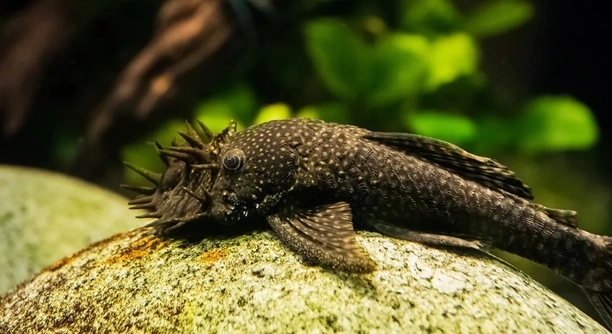
Have you ever set up a tank for your pleco and wondered which substrate would suit it best? Choosing the right bottom layer can affect both your fish’s comfort and the overall tank environment.
Plecos generally prefer sand over gravel because it is softer on their delicate undersides and easier for them to sift through while foraging. Sand also reduces the risk of injury and supports natural behaviors more effectively than gravel.
Knowing how substrate affects pleco behavior and health can make a big difference in maintaining a happy, thriving aquarium.
Why Sand Works Better for Plecos
Sand is gentle on plecos’ sensitive undersides. Unlike gravel, which can have sharp edges, sand allows them to glide across the bottom without scratching or harming their skin. Many plecos spend time sifting through the substrate, searching for leftover food or natural detritus. Sand provides a soft, forgiving surface that supports this natural behavior while also reducing stress. Fine sand particles prevent debris from getting trapped in crevices, making cleaning easier and maintaining better water quality. Additionally, sand helps mimic the plecos’ natural habitat in rivers and streams, which often have soft, sandy bottoms rather than rocky surfaces. Over time, plecos may even create small paths or depressions in sand as they move around, something they cannot do on gravel. Using sand contributes not only to their physical well-being but also encourages their instincts and activity levels, resulting in healthier and more active fish.
Sand also allows for simpler tank maintenance, keeping the water cleaner and clearer over time.
When choosing sand, it is important to select fine-grain, smooth sand that will not compact excessively or create anaerobic pockets. Avoid coarse or sharp sand types, which can injure your fish. Rinsing sand thoroughly before adding it to the tank is crucial to remove dust and particles that could cloud the water. Over the long term, sand may need occasional stirring to prevent compacted areas, especially if you have a heavily stocked tank. Incorporating plants and hiding spots into a sand substrate works well, as roots can anchor easily, and plecos can burrow or rest naturally. This setup supports both the aesthetic of your aquarium and the behavioral needs of your pleco, creating a healthier environment that encourages normal movement, foraging, and interaction with the tank’s features.
Considerations When Using Gravel
Gravel is harder on plecos’ undersides and may trap leftover food and waste.
Gravel is available in many colors and sizes, but it can be rough on plecos’ bellies. Sharp edges may cause scratches or irritation, especially for larger species. Waste and leftover food can settle between gravel pieces, making it harder to maintain a clean environment. While gravel may look attractive and support certain plants, plecos often avoid digging or foraging in it. They can become stressed if the substrate does not allow natural behaviors like sifting. For aquarists with gravel, it may be necessary to combine it with other cleaning tools or select very smooth, rounded stones to minimize harm. Ultimately, sand provides a safer and more comfortable option, but gravel can still be used with careful planning and attention to the fish’s behavior and tank hygiene.
Gravel requires more frequent cleaning to avoid trapped debris that may affect water quality.
When using gravel, it is essential to choose pieces that are smooth and rounded. Avoid sharp or jagged gravel that can injure plecos when they move or rest on it. Rinsing gravel thoroughly before adding it to the tank reduces dust and small particles that cloud water. Many aquarists use siphons to remove food and waste that settles between stones, helping maintain water clarity and fish health. While gravel does not allow the same natural sifting behavior as sand, it can work in tanks where larger fish or plant roots need stable anchoring. Careful observation of pleco behavior can indicate whether the gravel is causing discomfort or stress. Adjustments such as mixing finer substrate, adding flat stones, or increasing cleaning frequency can mitigate some issues. Choosing the right substrate ultimately depends on balancing aesthetics, tank maintenance, and the pleco’s comfort and natural behavior.
Cleaning and Maintenance of Sand
Sand is easier to clean than gravel, but it still requires attention to avoid compaction and debris buildup. Lightly stirring the sand helps prevent anaerobic pockets and keeps the substrate healthy for plecos. Regular siphoning removes leftover food without disturbing the entire tank.
Proper sand maintenance involves monitoring for trapped debris, especially near decorations or plants. Using a gentle siphon technique ensures that plecos are not stressed during cleaning. Stirring the sand occasionally prevents hard spots where waste can accumulate, which could affect water quality. Fine sand can compact over time, so creating small depressions or moving it gently during cleaning is helpful. Observing pleco behavior also indicates whether the substrate is comfortable and clean enough. Consistent maintenance promotes a healthier environment, supporting the fish’s natural foraging and resting habits.
Choosing the right cleaning tools is essential. Avoid sharp or large siphon tips that can disturb the sand violently. Gentle stirring and vacuuming keep the tank clean without harming plecos. Supplementing with regular water changes ensures that any debris stirred into the water does not negatively impact water chemistry. Maintaining sand properly supports not only the fish’s health but also the visual clarity of the tank. Over time, this creates a balanced environment where plecos can thrive naturally while the aquarium remains attractive and low-stress.
Gravel Maintenance Tips
Gravel traps debris more easily, making regular cleaning essential to maintain water quality. Siphoning between stones helps remove uneaten food and waste that can otherwise decompose.
Maintaining gravel requires more effort than sand due to its structure. Food particles and fish waste can settle in gaps, leading to bacterial buildup or cloudy water. Frequent vacuuming between the gravel pieces is necessary to avoid these issues. Smooth, rounded gravel reduces risk of injuring plecos but still requires careful monitoring for trapped debris. Gravel near plants or decorations often collects waste faster, so focusing cleaning efforts on these areas is effective. Observing pleco behavior during cleaning ensures they are not stressed or harmed.
To manage gravel effectively, it is helpful to combine vacuuming with partial water changes. Siphoning should reach into the spaces between stones without displacing too much substrate. Smooth gravel reduces the risk of scratches, but regular inspection is still necessary to ensure plecos are comfortable. For planted tanks, gravel provides stable anchoring for roots, but extra attention is needed to prevent trapped debris from causing water quality issues. Maintaining gravel properly balances aesthetics with fish health, ensuring a safer and cleaner environment that supports pleco activity and natural behavior.
Substrate and Pleco Behavior
Plecos interact differently with sand and gravel. Sand encourages natural foraging and sifting, while gravel can limit movement and exploration. Watching how your pleco moves across the substrate reveals preferences and helps you adjust the tank setup for their comfort.
Plecos may dig, rest, or create small trails in sand. Gravel limits these behaviors and may cause them to avoid certain areas. Choosing a substrate that supports natural activity contributes to healthier, less stressed fish. Observing these habits gives insight into how well the environment meets their needs.
Planting and Substrate
Sand allows easier planting of rooted plants without risk of injury. Gravel can hold plants in place but may require careful positioning to avoid gaps where plecos might get stuck.
Mixed Substrate Approaches
Some aquarists use a combination of sand and gravel to balance aesthetics and pleco comfort. Sand areas give plecos soft foraging zones, while gravel provides stability for decorations and plants. This setup can reduce cleaning challenges while maintaining natural behavior opportunities for the fish.
Monitoring Water Quality
Substrate choice directly affects water parameters. Sand is less likely to trap debris, while gravel may accumulate waste, requiring more frequent checks. Maintaining proper filtration ensures plecos stay healthy and stress-free.
FAQ
Do plecos need sand to thrive?
Plecos do not strictly require sand to survive, but sand is highly beneficial for their comfort and natural behavior. Their undersides are soft and sensitive, so a smooth substrate prevents injury. Sand also allows them to sift and forage naturally, which keeps them active and reduces stress.
Can plecos live on gravel?
Yes, plecos can live on gravel, but it is less ideal. Gravel can be rough and may scratch their undersides if not smooth. Food and waste can accumulate between stones, increasing maintenance needs. Smooth, rounded gravel and frequent cleaning can make gravel a workable option for plecos.
Is it okay to mix sand and gravel?
Mixing sand and gravel is a practical approach. Sand areas give plecos a soft zone for foraging, while gravel areas provide stability for decorations and plants. This combination can balance the fish’s comfort and the tank’s visual appeal, although regular cleaning is still necessary to maintain water quality.
How often should I clean sand for plecos?
Sand should be lightly stirred during routine maintenance to prevent compaction. Siphoning leftover food and waste regularly helps maintain water clarity and reduces harmful bacteria buildup. Occasional partial water changes support overall cleanliness and keep the sand healthy for plecos.
Does gravel make cleaning harder?
Gravel traps more debris than sand, requiring more attention. Siphoning between the stones is necessary to remove uneaten food and waste. Rounded gravel reduces injury risk, but the trapped debris can still affect water quality. Frequent maintenance is key to keeping the tank safe and healthy.
Can substrate affect pleco health?
Yes, substrate can significantly impact pleco health. Rough or sharp gravel may cause scratches or infections. Sand supports natural behavior and prevents injury, promoting physical well-being. Choosing the right substrate helps reduce stress, encourages activity, and supports a stable environment for healthy plecos.
Are certain pleco species more sensitive to substrate?
Some species with very soft undersides, like the Bristlenose pleco, are more sensitive to rough substrates. Larger species may be more robust but still benefit from sand or smooth gravel. Observing your pleco’s behavior can indicate whether the substrate is suitable or causing discomfort.
Does substrate influence water parameters?
Substrate type can impact water chemistry and clarity. Sand allows debris to sit on top, making removal easier, while gravel can trap waste and lead to higher nutrient levels in hidden pockets. Proper filtration and regular cleaning reduce potential water quality issues regardless of substrate type.
Should I consider substrate depth?
Depth matters for pleco comfort. A thin layer of sand may shift too easily, while too deep a layer may compact and trap anaerobic pockets. About one to two inches of sand is usually sufficient for most plecos to forage and move comfortably.
Can plecos damage plants in sand?
Plecos may occasionally disturb plants while foraging, but sand is generally safer for roots than gravel. Using heavier plant anchors or placing delicate plants in areas plecos avoid can reduce potential disruption. Monitoring their activity ensures both fish and plants thrive.
How can I observe if my pleco prefers sand or gravel?
Watch where your pleco spends most of its time. If it frequently digs, rests, or sifts in sand areas, it indicates a preference. Limited interaction with gravel may show discomfort. Adjusting substrate based on observed behavior helps create a healthier, more natural environment for the fish.
Is switching substrates safe for plecos?
Switching substrates is safe if done gradually. Removing old substrate in stages and introducing new sand slowly helps plecos adjust. Sudden changes may cause stress or disrupt water parameters, so careful transition and monitoring are important.
How does substrate affect tank aesthetics?
Substrate type impacts both visual appeal and fish activity. Sand creates a natural, soft look and allows plecos to display natural behaviors. Gravel can add color and texture but requires more maintenance. Balancing appearance and pleco comfort is key to a harmonious aquarium setup.
Are there special tools for cleaning sand or gravel?
Yes, siphons designed for sand and gravel make cleaning easier. For sand, gentle stirring and vacuuming prevent compaction. For gravel, reaching between stones removes trapped debris. Using the right tools ensures the substrate stays healthy without stressing your pleco.
Can substrate choice reduce stress in plecos?
A suitable substrate can lower stress by providing comfort and supporting natural behaviors. Sand is generally best for minimizing stress, while gravel may cause avoidance or discomfort if too rough. Observing behavior and adjusting substrate as needed helps maintain a calm, healthy fish.
Do plecos rearrange sand naturally?
Yes, plecos may move sand while foraging or resting, creating small depressions or trails. This behavior is normal and indicates comfort. Gravel does not allow the same level of natural interaction, which can limit activity and expression of natural instincts.
Is sand better for nocturnal activity?
Sand is easier to navigate at night, supporting plecos’ nocturnal behavior. They can forage safely and create paths without injury. Gravel may limit movement or hide debris that could be harmful, making sand the safer option for nighttime activity.
Can substrate affect breeding behavior?
Substrate choice influences breeding for some pleco species. Sand offers a safe surface for nesting or hiding eggs. Gravel may not provide the same comfort or security, which can impact spawning success. Observing species-specific behavior helps determine the best substrate for reproduction.
How does substrate impact tank cleaning frequency?
Sand generally requires less frequent deep cleaning since debris sits on top. Gravel traps waste between stones, demanding more frequent siphoning. Regular monitoring and cleaning schedules prevent water quality issues and ensure plecos remain healthy in either substrate type.
Are there alternatives to sand and gravel?
Some aquarists use specialized substrates like fine crushed coral or aquarium soil for specific setups. While these can be safe, it’s important to ensure they are smooth, non-toxic, and compatible with pleco species. Observation and gradual introduction are key when trying alternatives.
Can substrate affect algae growth?
Yes, substrate type can influence algae buildup. Gravel traps nutrients that may fuel algae, while sand keeps debris more accessible for removal. Regular maintenance and cleaning reduce algae growth, supporting a healthier tank environment and clearer water for plecos.
Do plecos ingest substrate accidentally?
Plecos may ingest small amounts while foraging, especially with fine sand, which is safer if smooth. Coarse or sharp gravel increases the risk of injury or digestive problems. Selecting soft, uniform sand minimizes this risk and supports natural feeding behavior.
How do I choose the right substrate for my pleco?
Consider species, size, behavior, and tank setup. Sand is generally safer and encourages natural activity. Smooth gravel can work if maintenance is consistent. Observing your pleco’s interactions with the substrate helps determine which option best meets their comfort and health needs.
What signs indicate substrate problems?
Scratches, avoidance, limited movement, or unusual stress behaviors may indicate substrate issues. Cloudy water or trapped debris suggests cleaning challenges. Adjusting substrate type or maintenance routines addresses these problems and promotes a safer, more comfortable environment for plecos.
Does substrate affect tank filtration?
Yes, sand and gravel impact how debris settles and how efficiently filters work. Sand allows waste to remain accessible for removal, while gravel can hide debris in crevices. Proper filtration combined with regular substrate cleaning ensures healthy water conditions for plecos.
Can substrate impact water pH?
Certain substrates, like crushed coral, may raise pH levels, affecting plecos. Sand and standard aquarium gravel are mostly neutral. Monitoring water chemistry helps maintain a stable environment, ensuring plecos remain healthy and comfortable.
How important is substrate depth for plecos?
Adequate depth allows natural digging and foraging. One to two inches of sand is usually sufficient. Too shallow prevents normal behavior, while too deep can compact and trap waste. Observing pleco activity helps determine the ideal substrate depth for comfort and natural movement.
Does substrate affect tank temperature?
Substrate type itself has little direct effect on temperature, but thicker layers can slightly influence heat distribution. Sand and gravel both allow proper water flow if not overly compacted. Maintaining stable temperature is more dependent on heater placement and water circulation.
How does substrate affect filtration efficiency?
Sand and gravel influence debris settlement. Sand keeps waste accessible on the surface, while gravel may hide particles between stones, potentially challenging filters. Regular siphoning and proper filtration settings ensure efficient cleaning and healthy water conditions for plecos.
Are there risks of compacted sand?
Yes, compacted sand can create anaerobic pockets that release harmful gases. Stirring occasionally prevents hard spots. Observing pleco activity helps identify compacted areas, ensuring the substrate remains safe, healthy, and suitable for natural behaviors.
Can plecos adapt to a new substrate?
Plecos can adapt gradually. Introducing a new substrate slowly and monitoring behavior helps prevent stress. Rapid changes may disrupt water quality and cause discomfort, so careful adjustment is key to a smooth transition.
Does substrate influence fish compatibility?
Substrate can affect how multiple species interact. Sand reduces risk of injury and stress, while rough gravel may increase territorial disputes or avoidance. Choosing a substrate that supports natural behavior helps maintain harmony in community tanks.
Is sand better for juvenile plecos?
Juveniles have more sensitive undersides, making sand safer for foraging and resting. Gravel may be rough or sharp, increasing injury risk. Sand supports growth, natural behaviors, and reduces stress for young plecos, contributing to healthier development.
How often should gravel be stirred?
Gravel should be siphoned and lightly stirred weekly to prevent trapped debris from accumulating. Heavy gravel may require more attention near decorations or plant bases. Consistent maintenance ensures plecos remain healthy and water quality is preserved.
Are there specific brands recommended for plecos?
Many aquarium stores offer fine sand or smooth gravel suitable for plecos. Look for products labeled safe for freshwater fish, non-toxic, and dust-free. Reading reviews and observing pleco behavior helps identify the best substrate for your tank setup.
Do plecos prefer darker or lighter substrate?
Plecos often feel more secure on darker substrates, which mimic their natural habitat. Lighter substrates can work but may influence stress levels and resting behavior. Observing how your fish interacts with the tank helps determine their preference.
Can substrate affect oxygen levels?
Compacted sand or trapped debris can reduce oxygen availability in substrate layers. Occasional stirring and proper water circulation prevent low oxygen zones, ensuring plecos remain healthy and active.
Is substrate type important for pleco longevity?
Yes, a comfortable substrate supports natural behaviors, reduces injury risk, and lowers stress. Sand generally promotes longer, healthier lives for plecos compared to rough or sharp gravel. Observing their behavior and adjusting substrate as needed contributes to their overall well-being.
Does substrate choice influence tank cleaning frequency?
Yes, sand typically requires less frequent deep cleaning than gravel. Gravel traps debris, demanding more maintenance. Proper observation and routine care maintain water quality and ensure plecos remain healthy in either substrate type.
How do I prevent substrate from harming plecos?
Choose smooth, soft sand or rounded gravel. Rinse thoroughly before adding to the tank and monitor pleco behavior for signs of stress or injury. Gentle cleaning and observation prevent harm while supporting natural activity and foraging behavior.
Can substrate impact tank lighting effects?
Sand reflects light differently than gravel, affecting how plants and fish appear. Lighter sand brightens the tank, while darker gravel or sand creates a more natural, subdued environment. Substrate choice can enhance aesthetics and influence pleco comfort under lighting.
Are there seasonal considerations for substrate?
Temperature and humidity changes may slightly affect substrate moisture and compaction in open tanks. Regular stirring and monitoring prevent hard spots or trapped debris. Seasonal maintenance ensures plecos remain comfortable year-round.
Does substrate influence the tank’s microfauna?
Yes, sand and gravel provide surfaces for beneficial bacteria. Sand has a more uniform surface for bacterial colonization, while gravel offers hidden pockets. Both support biofiltration, but monitoring cleaning and substrate condition ensures a balanced ecosystem for plecos.
Can substrate affect ammonia buildup?
Gravel traps waste, increasing potential ammonia buildup if not cleaned. Sand allows easier debris removal. Regular siphoning, water changes, and monitoring ammonia levels prevent harmful accumulation, keeping plecos healthy and safe.
How do I know if substrate is too rough?
Check for scratches or redness on pleco undersides. Avoid substrates with sharp edges or jagged pieces. Smooth sand or rounded gravel is safer and encourages natural behaviors without injury risk.
Are certain sand types harmful?
Yes, coarse, sharp, or chemically treated sands can injure plecos or alter water chemistry. Choose fine, inert sand specifically labeled safe for freshwater fish to ensure safety and comfort.
Can plecos move substrate around?
Plecos often shift sand while foraging or resting. Gravel may limit this behavior. Allowing substrate movement supports natural instincts and provides enrichment for the fish.
Does substrate affect hiding spots?
Sand allows easy burrowing or creating small depressions, enhancing hiding opportunities. Gravel offers stable surfaces but limits digging. Proper substrate supports natural sheltering behaviors, reducing stress for plecos.
How does substrate affect tank smell?
Trapped waste in gravel can cause odor if not cleaned regularly. Sand reduces hidden debris and helps maintain a fresher-smelling tank. Routine maintenance keeps both substrate types odor-free for plecos and tank viewers.
Is sand better for nocturnal plecos?
Yes, sand supports safe nighttime foraging and movement. Gravel may hide debris or limit activity, making sand a safer option for nocturnal behavior. Observing pleco activity at night helps confirm substrate suitability.
Can substrate prevent diseases?
Proper substrate reduces injuries and stress, which lowers disease risk. Sand minimizes scratches, and regular cleaning prevents harmful bacterial buildup. Healthy substrate contributes to stronger immunity and overall pleco well-being.
Does substrate impact pleco feeding behavior?
Sand allows natural sifting and foraging. Gravel may limit these behaviors and require supplemental feeding. Supporting natural feeding patterns helps plecos remain active, healthy, and stress-free in the tank.
Are there long-term considerations for substrate?
Over time, sand may compact and gravel may trap more debris. Monitoring substrate condition, cleaning regularly, and adjusting as needed ensures a safe, comfortable, and stable environment for plecos. Proper care supports longevity and natural behavior.
Can plecos become stressed by the wrong substrate?
Yes, rough, sharp, or compacted substrates can cause stress, reduce activity, and lead to health issues. Choosing soft sand or smooth gravel and observing behavior helps maintain a calm and comfortable environment for plecos.
Is sand suitable for all tank sizes?
Yes, sand works in small or large tanks, providing a consistent, safe substrate for plecos. Proper depth and maintenance are important to avoid compaction or debris accumulation, ensuring fish comfort in any setup.
Does substrate choice influence tank decorations?
Sand allows flexible placement and slight rearrangement without instability. Gravel provides firm anchoring but may limit certain setups. Balancing substrate and decorations ensures plecos can forage, rest, and interact naturally while maintaining aesthetic appeal.
Can substrate affect breeding success?
Soft sand is preferable for species that lay eggs or hide fry. Gravel may reduce suitable nesting areas. Observing species-specific behavior helps determine the most supportive substrate for reproduction.
Are there differences between fine and coarse sand?
Fine sand is safer for plecos and easier to clean. Coarse sand may trap debris or be uncomfortable for foraging. Selecting uniform, soft grains ensures both health and natural behavior.
Can substrate alter tank water flow?
Sand and gravel slightly affect circulation near the bottom. Sand allows even flow over the surface, while gravel may create pockets of stagnant water if compacted. Maintaining proper filtration ensures consistent water movement.
Does substrate choice affect algae eating by plecos?
Sand allows plecos to access algae naturally growing on the surface. Gravel may hide algae in crevices, making it harder for plecos to reach. Supporting natural grazing behavior improves feeding and reduces algae growth.
Can substrate influence fish hierarchy?
Substrate impacts territory and comfort. Sand allows even space for foraging and resting, reducing disputes. Rough gravel may limit preferred areas, potentially increasing competition or stress among tank mates.
How can I transition my pleco to a new substrate?
Introduce the new substrate gradually while maintaining water quality. Monitor behavior for stress signs and adjust slowly to ensure comfort. Combining old and new substrate temporarily helps plecos adapt without sudden changes.
Are there recommended sand depths for different pleco sizes?
Small plecos need a thinner layer, around one inch, for safe movement. Larger species benefit from one to two inches for digging and resting. Observing activity helps determine optimal depth for comfort and natural behavior.
Does substrate affect tank odor?
Debris trapped in gravel can cause unpleasant smells if not cleaned. Sand reduces hidden waste, making odor management easier. Regular maintenance prevents tank odor and ensures a healthy environment for plecos.
Is it safe to use decorative gravel with plecos?
Only if it is smooth, non-toxic, and free from sharp edges. Decorative gravel may look appealing but can harm plecos if rough or chemically treated. Monitoring behavior ensures safety.
How do I know if my pleco prefers sand or gravel?
Observe where the fish spends most of its time, digging, resting, or foraging. Frequent activity on sand indicates preference, while avoidance of gravel shows discomfort. Adjusting substrate based on behavior supports well-being and natural instincts.
Can substrate choice affect overall tank maintenance?
Yes, sand generally simplifies cleaning, while gravel may require more frequent siphoning and attention to debris accumulation. Choosing the right substrate reduces stress for both plecos and the aquarist, creating a healthier, easier-to-manage tank.
Are there health risks with the wrong substrate?
Rough or sharp substrates can cause cuts, infections, or stress-related illness. Compacted sand or trapped debris can impact water quality. Selecting smooth, safe substrate and maintaining it prevents these risks, supporting pleco health.
Does substrate affect oxygen availability?
Compacted sand or trapped waste in gravel can reduce oxygen levels in lower layers. Light stirring, proper cleaning, and good water circulation prevent low oxygen zones, ensuring plecos remain healthy and active.
How does substrate impact fish behavior long-term?
Soft, natural substrates promote foraging, resting, and hiding. Harsh or restrictive substrates can limit activity and increase stress. Observing behavior over time indicates whether the environment meets the pleco’s needs and encourages normal, healthy habits.
Can substrate choice influence stress levels?
Yes, comfortable substrates reduce injury risk and support natural behavior, lowering stress. Sand is generally preferable, while rough gravel may increase anxiety or avoidance behaviors. Proper substrate selection promotes calm, healthy plecos.
Does substrate impact algae control in the tank?
Sand allows easy grazing for plecos and prevents algae buildup in hidden crevices. Gravel can trap nutrients that feed algae, requiring more maintenance. Supporting natural cleaning behavior reduces algae issues.
**Can ple
Choosing the right substrate for your pleco is more important than many aquarists realize. Plecos spend most of their time at the bottom of the tank, interacting directly with whatever surface you provide. Sand is generally the best option because it is soft and gentle on their delicate undersides. It allows them to sift through for food, rest comfortably, and move naturally without risk of injury. While gravel can work, it often comes with drawbacks such as rough edges and trapped debris. Over time, these issues can cause stress or even small injuries to your pleco. Observing your fish’s behavior on different substrates will give you a clear idea of what works best. If your pleco seems to avoid certain areas or shows signs of discomfort, it may be a signal that the substrate is not suitable.
Maintenance is another factor that makes substrate choice crucial. Sand tends to be easier to clean because debris remains on the surface, making it simple to remove with a siphon. Gravel, on the other hand, can trap leftover food and waste between the stones, requiring more frequent attention and careful cleaning. Proper cleaning is not just about appearance—it directly affects water quality, fish health, and overall tank stability. Even with sand, occasional stirring is needed to prevent compacted areas that could harm the tank’s ecosystem or create low-oxygen spots. By keeping the substrate clean and monitoring your pleco’s interaction with it, you create an environment where the fish can behave naturally, stay healthy, and thrive over the long term.
Ultimately, selecting and maintaining the right substrate is about balancing comfort, natural behavior, and tank cleanliness. Sand allows plecos to engage in foraging, digging, and resting behaviors that gravel often restricts. A mix of sand and gravel may be useful in certain setups to balance aesthetics and practicality, but the fish’s well-being should always be the priority. Observing how your pleco interacts with its environment will help you make informed decisions and adjust the tank as needed. A thoughtful approach to substrate choice and maintenance contributes to a stable, low-stress habitat. When your pleco has a soft, safe surface to explore, feed, and rest on, it can remain healthy and active, showing more natural behaviors and staying comfortable in the tank for years. By focusing on these details, you ensure a safe and supportive environment that encourages your pleco to thrive.

Hello,
If you enjoy the content that we create, please consider saying a "Thank You!" by leaving a tip.
Every little bit helps us continue crafting quality advice that supports the health, happiness, and well-being of pets around the world, for pets of all shapes, sizes, and species.
We really appreciate the kindness and support that you show us!