
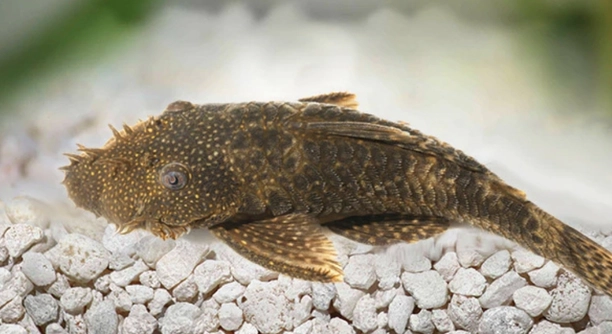
Plecos are interesting fish that spend most of their time in the aquarium. They can get bored if their environment is too plain or lacks stimulation. Entertaining them helps them stay active and healthy in captivity.
Providing a variety of activities, hiding spots, and interactive objects is essential for plecos’ mental and physical well-being. Enriching their environment with natural decorations, feeding toys, and safe play structures encourages exploration and reduces stress-related behaviors.
Learning how to keep plecos engaged can improve their overall behavior and health. Simple additions and changes to their tank can make a noticeable difference in their daily activity.
Add Hiding Spots
Plecos enjoy having places to hide and explore in their tanks. Providing caves, driftwood, or PVC pipes can give them comfort and reduce stress. They naturally seek out shaded areas and crevices where they feel safe. Changing the locations of these hiding spots occasionally encourages movement and curiosity. Using natural materials like smooth stones or wood helps mimic their natural habitat. Even simple additions, such as small plants or rocks, can make a big difference in their activity levels. Observing which areas they prefer can guide future adjustments. Some plecos like tall, vertical spaces, while others prefer low, secluded spots. Creating multiple options ensures that every fish in the tank can find a space it enjoys. These areas also help them rest without being disturbed by other tank inhabitants. Regular cleaning of hiding spots prevents buildup of algae or debris, keeping the tank environment healthy. A well-planned layout balances safety, stimulation, and easy access for the plecos to move freely.
Providing hiding spots improves plecos’ comfort and reduces stress while keeping them more active and engaged in their tank environment.
Adding a variety of structures encourages exploration and can lead to observing new behaviors. Plecos may spend time investigating each spot, climbing driftwood, or resting in shaded areas, which makes the tank more dynamic and interesting to watch.
Introduce Feeding Toys
Feeding toys encourage plecos to forage and stay mentally active. They can slowly release food, which keeps the fish engaged.
Using feeding toys stimulates natural behaviors like grazing and exploring. These toys can be as simple as floating vegetable holders or small puzzle feeders that release food when moved. When plecos work to access food, they burn more energy and develop stronger problem-solving skills. Different textures and shapes keep them interested, preventing boredom. Incorporating a variety of foods, like zucchini, cucumber, or algae wafers, ensures nutritional balance while encouraging interaction with the toys. Watching how each pleco interacts with the feeder can help identify preferences and tailor feeding strategies. Consistent use of these toys can also reduce aggressive competition among tank mates, as the fish are focused on retrieving food. Feeding toys are not only beneficial for mental stimulation but also for physical activity, as plecos move around the tank more frequently. Over time, these simple tools can improve both their behavior and overall health, making them more lively and responsive.
Provide Driftwood and Plants
Driftwood and live plants offer plecos surfaces to graze on and explore. They provide texture, shelter, and natural hiding areas, helping to keep plecos engaged and comfortable in their tank environment.
Driftwood is not only decorative but also functional. Plecos enjoy scraping algae and biofilm from its surface, which helps maintain their natural feeding habits. Adding live plants creates shaded areas and additional surfaces for grazing. Plants like Java fern or Anubias are low-maintenance and can withstand pleco activity. The combination of driftwood and plants enriches the tank by offering multiple layers and textures. Plecos can rest beneath leaves, climb on branches, or hide behind stems. This variety prevents boredom and encourages natural behavior, which is important for their mental and physical health. Observing how plecos interact with these additions can help determine which arrangements they prefer.
Over time, driftwood also slowly releases tannins into the water, slightly lowering pH, which can mimic their natural river habitats. Pairing it with live plants ensures a dynamic and stimulating environment. Plecos benefit from constant exploration and grazing opportunities, which reduces inactivity and promotes overall well-being. By arranging driftwood and plants thoughtfully, you can create a more natural and engaging tank setup. Plecos will often spend hours navigating these areas, improving both their comfort and activity levels.
Rotate Tank Decorations
Changing the layout of tank decorations encourages plecos to explore new areas and remain active. Different arrangements spark curiosity and prevent them from becoming too familiar with their environment.
Rotating decorations gives plecos new surfaces to investigate and different hiding spots to discover. Small changes, like moving rocks, adding a new cave, or rearranging plants, can make the tank feel fresh. Plecos are naturally curious, so these changes prompt them to investigate and interact with their surroundings. This activity helps maintain their physical health as they swim, climb, and scrape surfaces. It also supports mental stimulation by presenting new challenges. Even subtle changes, like altering the position of driftwood, can influence how they navigate the tank. Observing their behavior after rearranging can guide future changes. Over time, this practice reduces boredom-related behaviors, such as excessive resting or aggression.
Rotating decorations can be combined with feeding routines to further encourage exploration. Placing food near new structures motivates plecos to investigate and interact with different areas of the tank. Changing the layout regularly creates a dynamic environment that keeps plecos engaged, active, and mentally stimulated. This simple practice enhances their natural instincts while improving overall tank harmony. Regular updates also give you the chance to monitor how each pleco adapts, providing insight into their preferences and behavior.
Offer Variety in Food
Providing different types of food keeps plecos interested and encourages natural foraging. Rotating vegetables, algae wafers, and occasional protein sources helps maintain their health and prevents boredom.
Offering variety also ensures they receive balanced nutrition. Plecos may lose interest if fed the same food repeatedly, so mixing textures and flavors supports both mental and physical stimulation.
Add Floating or Hanging Plants
Floating and hanging plants create shaded areas and new surfaces for plecos to explore. They offer extra cover, grazing surfaces, and a sense of security in the tank.
Use Mirror Play Occasionally
Placing a mirror outside the tank briefly can encourage plecos to interact with their reflection. This activity sparks curiosity and physical activity, helping them remain alert and engaged.
FAQ
How often should I change hiding spots for my plecos?
It’s a good idea to rearrange hiding spots every few weeks. Plecos enjoy exploring new spaces, and moving caves, driftwood, or plants keeps them active. Small, gradual changes are best so they feel secure while still being encouraged to investigate.
Can plecos eat all types of vegetables?
Not all vegetables are suitable. Zucchini, cucumber, and spinach are safe, while starchy or overly tough vegetables may be hard to digest. Always wash vegetables and remove uneaten portions to prevent water quality issues. Rotating vegetables ensures proper nutrition and keeps them interested.
Will my plecos interact with other fish during feeding?
Yes, but interactions depend on species and tank size. Plecos may compete for food, especially if space is limited. Using multiple feeding zones or feeding toys can reduce stress and allow each fish to access food without aggression.
Are live plants necessary for plecos?
Live plants are beneficial but not strictly necessary. They provide grazing surfaces, shaded hiding spots, and can improve water quality. Hardy plants like Java fern or Anubias work well. Fake plants can offer some stimulation, but live plants are better for mental and physical activity.
How do I know if my plecos are bored?
Signs of boredom include excessive resting, scraping tank glass, or ignoring food. They may also become more territorial or show repetitive movements. Introducing hiding spots, feeding toys, and changing decorations can reduce these behaviors and keep them engaged.
Can plecos share hiding spots?
It depends on the species and tank size. Some plecos tolerate shared spaces, while others prefer individual areas. Providing multiple hiding spots ensures each pleco has a place to retreat, reducing stress and potential conflicts.
How long should feeding toy sessions last?
Short sessions of 10–20 minutes are enough. Plecos will engage with the toy without overfeeding. Remove leftover food afterward to maintain water quality. Regular use encourages natural foraging behavior while keeping the fish active.
Do plecos need driftwood in their tank?
Yes, driftwood is highly recommended. It provides grazing surfaces for algae, promotes natural scraping behavior, and can slightly lower pH, mimicking their natural habitat. Different textures of wood increase exploration and overall stimulation.
Can plecos recognize their owners?
Plecos may notice movement and activity outside the tank but do not form attachments like mammals. They may respond to regular feeding routines and familiar activity, showing increased alertness during predictable times.
Is it okay to use mirrors for stimulation?
Occasionally, yes. Brief mirror exposure can trigger curiosity and activity. Do not leave mirrors in the tank for long periods, as it may cause stress or territorial behavior. Rotate this stimulation with other activities to keep them balanced and engaged.
How do I ensure a safe environment when rotating decorations?
Move items slowly and observe plecos’ reactions. Ensure decorations are stable, with no sharp edges. Avoid drastic changes that could trap or scare them. Small rotations keep their environment interesting without causing stress.
What is the best way to combine decorations and feeding?
Place food near new structures or under driftwood to encourage exploration. Mixing hiding spots, plants, and feeding locations promotes natural foraging, keeps plecos active, and helps them explore all areas of the tank safely.
How can I tell if a pleco prefers a specific type of hiding spot?
Watch their resting behavior. Some plecos spend more time under plants, others in caves or behind driftwood. Observing their preferences allows you to provide more of the structures they naturally choose, enhancing comfort and reducing stress.
Are there risks with too many enrichment items?
Yes, overcrowding can limit swimming space and increase stress. Balance enrichment with open areas for free movement. Rotate items periodically instead of adding too many at once to maintain an engaging yet safe environment.
How often should I clean enrichment items?
Regular cleaning is important. Driftwood, caves, and feeding toys should be rinsed or scrubbed periodically to remove algae and debris. Avoid harsh chemicals; warm water or soft brushes are sufficient. Clean items help maintain water quality and keep plecos healthy.
Can plecos get bored with the same feeding toy?
Yes, using the same toy repeatedly can lead to disinterest. Rotating toys or varying their complexity keeps mental stimulation high. Even small changes in placement or design can renew curiosity and encourage activity.
How does tank size affect pleco entertainment?
Larger tanks provide more space to explore, hide, and graze. Small tanks can limit enrichment effectiveness and increase stress. Ensure decorations and enrichment items are scaled to the tank size, allowing free swimming and interaction.
Do plecos need social interaction?
Plecos are generally solitary but may coexist with other fish peacefully if space is sufficient. Multiple plecos in the same tank require enough hiding spots and territory boundaries to prevent aggression. Social enrichment is less critical than environmental stimulation.
Can I use artificial plants for stimulation?
Artificial plants provide hiding spots and climbing surfaces but do not offer grazing benefits. Combining them with driftwood or feeding toys ensures plecos still have enrichment that supports natural behavior while maintaining aesthetic appeal.
How do I monitor the effectiveness of enrichment?
Observe activity levels, feeding behavior, and interaction with objects. Healthy, curious plecos are indicators of effective enrichment. If they remain inactive or ignore toys and decorations, consider changing the setup or rotating items to renew interest.
What precautions should I take with live plants?
Ensure plants are non-toxic and can withstand pleco grazing. Monitor for damaged leaves or decay. Remove dead material promptly to avoid water quality issues. Hardy species like Anubias and Java fern are recommended for long-term enrichment.
Is it okay to combine multiple stimulation methods at once?
Yes, combining hiding spots, driftwood, plants, and feeding toys creates a diverse environment. Introduce items gradually to prevent stress. This combination encourages both physical activity and mental engagement, supporting overall pleco well-being.
How do I prevent stress while rotating decorations or using toys?
Move items slowly, avoid sudden changes, and observe plecos’ reactions. Limit mirror exposure and do not overcrowd the tank. Balancing novelty with familiarity ensures stimulation without causing anxiety or territorial behavior.
Can enrichment improve pleco lifespan?
Indirectly, yes. Mental and physical stimulation reduces stress, encourages natural behaviors, and supports overall health. Engaged plecos are more active, eat properly, and show fewer signs of illness, which can contribute to a longer, healthier life.
What is the simplest way to start pleco enrichment?
Begin with one or two hiding spots, a piece of driftwood, and occasional feeding toys. Observe preferences, rotate items gradually, and introduce live plants if possible. Simple changes can make a significant difference in activity and overall well-being.
Final Thoughts
Keeping plecos entertained is an important part of providing a healthy tank environment. These fish are naturally curious and need stimulation to stay active. Without variety in their surroundings, plecos can become bored, less active, or show stress-related behaviors. Simple steps like adding hiding spots, driftwood, and plants help mimic their natural environment. Even small changes can encourage exploration and grazing, which supports both physical and mental health. Observing how plecos interact with their surroundings is essential, as it helps determine which additions they prefer and which areas they spend the most time in. Adjusting decorations, feeding tools, and other enrichment items regularly ensures the tank remains interesting while still maintaining a safe and comfortable space.
Providing feeding toys and rotating decorations are effective ways to keep plecos engaged. Toys that release food slowly or require manipulation encourage natural foraging behavior, keeping the fish active and mentally stimulated. Rotating tank decorations, whether it is driftwood, plants, or caves, adds novelty and encourages exploration. Even minor changes, like moving a plant or shifting a rock, can renew interest and keep plecos curious about their environment. Combining feeding enrichment with these changes creates a dynamic tank where plecos can explore, graze, and rest in areas they enjoy. This approach balances activity with comfort, allowing plecos to feel safe while still being mentally challenged. Over time, these practices can improve overall behavior, reduce stress, and promote healthier interactions with other tank inhabitants.
Pleco care is not only about water quality and diet but also about creating an environment that encourages natural behavior. Adding variety through hiding spots, driftwood, live or artificial plants, feeding toys, and gentle environmental changes helps them remain active and engaged. Monitoring their behavior and making gradual adjustments ensures their needs are met without causing stress. Entertainment and enrichment are essential for long-term well-being, contributing to both happiness and health. When plecos have opportunities to explore, graze, and interact with their surroundings, they are more likely to thrive. A thoughtfully arranged tank that prioritizes both comfort and stimulation benefits not only the plecos but also the overall balance of the aquarium. These practices are simple to implement and can make a noticeable difference in how plecos behave and interact with their environment, helping them lead a more fulfilling and enriched life.

Hello,
If you enjoy the content that we create, please consider saying a "Thank You!" by leaving a tip.
Every little bit helps us continue crafting quality advice that supports the health, happiness, and well-being of pets around the world, for pets of all shapes, sizes, and species.
We really appreciate the kindness and support that you show us!