
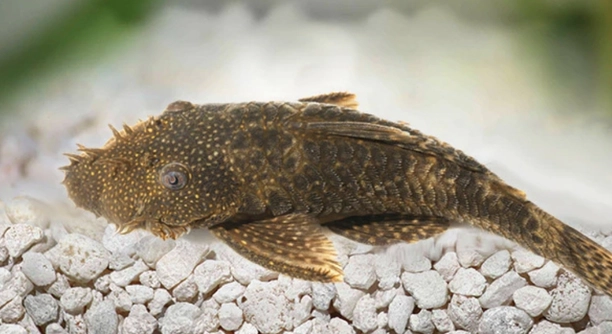
Have you ever wondered if your peaceful aquarium can support both plecos and gouramis without stress? These fish are popular choices, and many aquarists hope they can coexist harmoniously in the same tank environment.
Plecos and gouramis can live together peacefully under the right conditions. Ensuring adequate space, hiding spots, and proper feeding routines reduces competition and stress, allowing both species to thrive while minimizing aggressive or territorial behavior in a shared aquarium.
Understanding tank setup, feeding habits, and fish personalities will help maintain a calm and balanced aquatic environment for both species.
Tank Size and Environment
A spacious tank is essential when keeping plecos and gouramis together. Plecos can grow quite large, and gouramis need room to swim freely without feeling threatened. Providing at least a 30-gallon tank for small plecos and medium gouramis is recommended, with larger tanks being even better. Hiding spots like driftwood, caves, and plants help plecos feel secure during the day since they are mostly nocturnal. Floating plants can also give gouramis some cover and reduce stress. Water conditions need careful monitoring as both species prefer slightly different parameters, though a stable range around neutral pH and moderate temperature works well. Gentle filtration is ideal to prevent strong currents that can stress gouramis. Maintaining clean water reduces aggression and promotes healthier behavior. Regular observation of interactions helps identify potential conflicts early, allowing adjustments before serious issues arise. Overcrowding is a common problem and can increase stress, making careful planning of tank size and stocking levels crucial.
Proper tank setup ensures both species feel secure and reduces the risk of conflicts in their shared habitat.
A well-planned environment combines plenty of open swimming areas with hiding spots. Plecos use caves and driftwood to rest and graze, while gouramis explore the upper and middle water levels. Aquatic plants act as natural barriers and provide a sense of safety. By balancing open space with shelters, both species can coexist with minimal stress, and their natural behaviors can flourish.
Feeding and Diet
Feeding routines affect harmony between plecos and gouramis.
Plecos are mostly algae eaters but benefit from vegetables like zucchini or cucumber, while gouramis prefer flake foods, pellets, and occasional protein treats. Feeding in separate areas helps reduce competition, ensuring each fish gets enough nutrition. Overfeeding can lead to poor water quality, increasing stress and aggression, so careful portioning is necessary. A consistent schedule encourages calm behavior. Observing their feeding patterns lets you adjust diet types and quantities for optimal health. Variety in food also supports overall wellbeing. Both species can be picky, so patience and consistency are key to maintaining a peaceful tank. Additionally, removing uneaten food promptly prevents decay and keeps the environment clean. Feeding should feel like a gentle routine rather than a rush, helping both plecos and gouramis feel comfortable in the shared space.
Balanced feeding habits, proper placement, and observation promote peaceful coexistence.
Plecos and gouramis thrive when their nutritional needs are met separately yet within the same tank. Plecos graze along the bottom, scraping algae and nibbling on vegetables, while gouramis swim through the mid-water, picking flakes or pellets. Providing a variety of food types and monitoring intake prevents competition and ensures both species remain healthy. Over time, this reduces stress-related behaviors, such as chasing or hiding, which can harm either species. Thoughtful feeding routines also create a stable environment where each fish knows where and when to eat, fostering a calm aquarium atmosphere that supports their natural habits.
Compatibility and Temperament
Plecos are mostly peaceful but can become territorial with other bottom dwellers. Gouramis are generally calm but may show mild aggression if stressed or crowded. Understanding each species’ temperament helps prevent conflicts and keeps the tank atmosphere stable.
Plecos spend most of their time at the bottom of the tank, grazing on algae or resting in caves. Gouramis occupy the middle and upper levels, which naturally reduces direct competition for space. Conflicts are rare when hiding spots and swimming areas are balanced. Observing their behavior during feeding and daily activity ensures both species remain comfortable, and adjustments to tank setup or stocking can be made if stress signs appear. Stress can show through hiding, fin nipping, or chasing, and early action prevents long-term aggression. Providing multiple shelters and territories allows plecos to retreat safely and gouramis to explore freely.
Both species respond well to stable conditions. Plecos avoid overly bright light and strong currents, while gouramis prefer calm waters and floating plants for cover. By catering to these preferences, you minimize stress and encourage natural behaviors. Regular monitoring of tank interactions, especially when adding new fish, helps maintain harmony. Territorial disputes are usually brief if each fish has enough space and hiding options. A balanced setup ensures that plecos can graze undisturbed while gouramis swim comfortably, reducing the chances of aggression or stress-related health issues.
Tank Maintenance and Water Quality
Clean water is crucial for plecos and gouramis to coexist.
Regular water changes help maintain stable parameters and reduce waste buildup. Both species are sensitive to ammonia and nitrite spikes, so testing water frequently is important. Proper filtration and gentle water flow keep the environment healthy without stressing the fish. Avoid overcrowding to prevent oxygen depletion and maintain water clarity.
Maintaining stable temperature, pH, and hardness levels is essential. Plecos prefer slightly cooler temperatures than gouramis, but both thrive around 75–78°F. Neutral pH with minimal fluctuations supports overall health. Filter media should be cleaned periodically without disturbing beneficial bacteria. Removing uneaten food promptly prevents decay and keeps nitrate levels low. A consistent maintenance routine reduces stress and aggression, supporting peaceful coexistence. Monitoring water quality daily and addressing any issues early prevents long-term health problems and helps both plecos and gouramis flourish in a shared tank.
Common Signs of Stress
Hiding constantly, loss of appetite, and fin damage are clear signs that plecos or gouramis are stressed. Early detection helps prevent long-term health issues.
Frequent chasing, unusual aggression, or lethargy may indicate that the tank setup or social dynamics need adjustment. Observing behavior daily is essential to maintain a peaceful environment.
Adjusting Tank Layout
Adding more plants, caves, and decorations can reduce territorial disputes. Open swimming areas combined with plenty of hiding spots create a balanced space. A thoughtful arrangement lets plecos and gouramis occupy different levels comfortably, reducing stress and promoting natural behaviors.
Selecting Compatible Species
When adding new fish, choose species with similar temperament and water requirements. Avoid overly aggressive tankmates that could disturb plecos or gouramis. Compatibility is key to long-term harmony and reduces stress in the aquarium.
FAQ
Can plecos and gouramis live in the same tank long-term?
Yes, plecos and gouramis can coexist long-term if the tank is properly sized, offers enough hiding spots, and water parameters are stable. Both species are generally peaceful, but stress or overcrowding can lead to aggression, so monitoring behavior is important.
How big should the tank be for both species?
A minimum of 30 gallons is recommended for small plecos and medium gouramis, but larger tanks are better. Adequate swimming space and separate areas for resting and grazing reduce territorial disputes and help maintain harmony.
Do plecos bother gouramis?
Plecos are mostly bottom dwellers and focus on grazing algae, so they rarely disturb gouramis. Aggression usually occurs only if hiding spots are limited or if the pleco is particularly large. Ensuring enough shelters and territories prevents most conflicts.
What type of diet works for both?
Plecos need algae, vegetables like zucchini or cucumber, and occasional protein supplements. Gouramis prefer flakes, pellets, and occasional live or frozen foods. Feeding in separate areas helps ensure both species get the nutrition they need without competing.
Are there specific water conditions needed?
Both species prefer stable water with neutral pH, moderate hardness, and a temperature around 75–78°F. Gentle filtration and minimal current are important to reduce stress, and regular water changes maintain cleanliness and overall health.
Can they share the same hiding spots?
It’s best to provide multiple hiding places so plecos and gouramis don’t compete. Plecos use caves and driftwood, while gouramis enjoy floating plants and mid-level shelters. Separate shelters reduce stress and allow each species to feel secure.
How do I prevent aggression?
Maintain a spacious tank, provide adequate hiding spots, and feed both species properly. Observe their interactions and adjust decorations or territories if necessary. Overcrowding is a common cause of aggression, so stocking should be done carefully.
How often should I feed them?
Plecos and gouramis both thrive with consistent feeding routines. Feeding once or twice daily in measured amounts prevents overfeeding and reduces waste buildup, keeping water quality stable. Uneaten food should be removed promptly.
Can tank mates affect their behavior?
Yes, adding aggressive or highly active species can stress plecos and gouramis. Compatible tank mates are peaceful, similar-sized fish that occupy different levels, allowing each species to maintain its natural behavior without conflict.
What are early signs of problems?
Hiding constantly, loss of appetite, fin damage, and unusual aggression are key indicators. Detecting these signs early lets you adjust tank setup, feeding, or water conditions to restore balance and maintain a peaceful environment.
Do plecos and gouramis breed in the same tank?
Breeding is possible but rare in a shared tank, especially if conditions aren’t ideal. Gouramis may require isolated spawning areas, while plecos often need caves for egg-laying. If breeding is the goal, separate tanks may be necessary to ensure success.
Is special lighting needed?
Normal aquarium lighting is sufficient. Plecos prefer dimmer areas, while gouramis like moderate light and floating plants for cover. Avoid overly bright or direct light, which can stress both species and trigger hiding or erratic behavior.
How do I clean the tank without stressing the fish?
Perform regular water changes using gentle siphoning, clean filter media without disturbing beneficial bacteria, and avoid sudden changes in temperature or water chemistry. Moving decorations carefully and maintaining routine helps reduce stress for both species.
Can I mix different pleco species with gouramis?
Some pleco species grow large or are more territorial. Small to medium plecos are generally safer with gouramis. Research each pleco species’ behavior and size before introducing them to avoid long-term conflicts in the tank.
How do I handle aggression if it occurs?
Identify the source—overcrowding, lack of hiding spots, or feeding issues—and make adjustments. Rearranging decorations, adding shelters, or separating aggressive fish temporarily can restore calm and prevent injuries.
Do water changes affect their behavior?
Sudden large water changes can stress both species. Gradual, consistent water changes maintain stability, which supports peaceful interactions and reduces aggression. Tracking water parameters helps ensure a stable environment.
Are plecos and gouramis sensitive to medications?
Both species are sensitive to certain chemicals. Always check compatibility of any treatments and use doses carefully. Quarantining sick fish when possible prevents stress or harm to healthy tank mates.
Can plecos and gouramis live with shrimp or snails?
Yes, peaceful invertebrates like shrimp and snails usually coexist well. Plecos may nibble on soft-bodied species, but armored snails and hardy shrimp are generally safe. Ensure hiding spots to protect smaller invertebrates.
How do I maintain a peaceful tank long-term?
Consistent maintenance, monitoring behavior, proper feeding, and balanced tank design are key. Adjusting tank size, decorations, and water parameters as needed keeps plecos and gouramis comfortable and reduces stress over time.
Is it okay to keep multiple gouramis with plecos?
Yes, multiple gouramis can coexist if the tank is large enough and hiding spots are sufficient. Watch for territorial disputes among gouramis, especially males, and separate individuals if aggression persists.
What’s the best way to introduce new fish?
Acclimate slowly to prevent shock and stress. Quarantine new fish before adding them to the main tank, and ensure they are compatible in size, temperament, and water requirements to maintain a peaceful environment.
How do I encourage natural behavior?
Provide proper hiding spots, varied diet, and different swimming levels. Plecos will graze and rest in caves, while gouramis explore the mid and upper areas. Supporting these behaviors reduces stress and promotes a healthy, harmonious aquarium.
Can stress affect their health long-term?
Yes, prolonged stress can lead to weakened immune systems, stunted growth, or disease. Preventing stress through proper tank setup, feeding, and monitoring is essential for the long-term health of both plecos and gouramis.
Are plecos and gouramis noisy?
Plecos are mostly silent, though some scrape surfaces at night. Gouramis can produce soft noises, especially when courting. Both are generally quiet and suitable for a calm aquarium setting.
What decorations are best for peace?
Caves, driftwood, and dense plants create natural barriers and hiding spaces. Floating plants and tall decor help gouramis feel secure, while plecos benefit from bottom-level shelters. Proper decoration reduces stress and encourages natural activity.
Do plecos and gouramis need separate filtration zones?
Not necessarily, but ensure gentle water flow. Strong currents stress gouramis, while plecos prefer areas they can graze undisturbed. A well-designed filter with calm circulation works for both species.
How often should I observe behavior?
Daily observation is ideal. Quick checks during feeding and at different times of day reveal stress, aggression, or health issues, allowing prompt adjustments to maintain a peaceful tank.
Are there signs of compatibility issues despite proper setup?
Occasional chasing, hiding, or fin nipping can indicate minor stress or incompatibility. Adjusting decorations, feeding routines, or separating individuals temporarily often resolves these issues before they escalate.
Can lighting changes affect their mood?
Yes, sudden bright lights can stress both species. Gradual light changes, dimmed areas for plecos, and floating plants for cover help maintain a calm environment and support natural activity levels.
How do I prevent overpopulation?
Monitor breeding potential, particularly for gouramis. Isolate breeding pairs if necessary and remove excess fry to prevent overcrowding. Overpopulation increases stress and competition for food and space.
Is it necessary to monitor water chemistry continuously?
Regular testing is important. pH, ammonia, nitrites, and nitrates should be checked frequently. Stable water chemistry reduces stress and promotes healthy coexistence between plecos and gouramis.
Can plecos and gouramis live together in a planted tank?
Yes, planted tanks work well. Plants provide hiding spots, reduce stress, and support natural behaviors. Plecos graze on algae, while gouramis use plants for cover and exploration, creating a balanced ecosystem.
What’s the most common mistake aquarists make?
Overcrowding and insufficient hiding spots are the main issues. Even peaceful species like plecos and gouramis need space and security to coexist without stress or aggression. Proper planning prevents long-term problems and keeps the tank harmonious.
How do I reintroduce a separated fish safely?
Acclimate slowly and monitor interactions closely. Reintroduce in stages or with visual barriers initially to reduce aggression. Proper observation ensures the tank remains peaceful after reintroduction.
Do plecos and gouramis need the same water temperature?
They tolerate similar ranges, around 75–78°F. Slight differences are acceptable, but rapid fluctuations can stress one or both species. Consistent temperature supports health and reduces behavioral issues.
How long does it take for harmony to develop?
A few days to a couple of weeks, depending on tank setup, species size, and personality. Proper space, hiding spots, and stable conditions speed up the adjustment period and reduce conflicts.
Are there signs they are thriving together?
Active swimming, regular feeding, grazing by plecos, and calm interactions indicate both species are comfortable. Bright colors, healthy fins, and natural behavior show the tank is well-balanced and stress-free.
Can plecos climb out of the tank?
Yes, some plecos can climb or jump. Secure lids are necessary to prevent escape, especially at night when plecos are more active.
Do gouramis bully smaller fish?
Males can show mild aggression if competing for territory or mates. Providing multiple hiding spots and monitoring behavior prevents bullying and keeps the tank peaceful.
How do I maintain a healthy balance long-term?
Regular maintenance, monitoring water quality, providing hiding spots, feeding properly, and observing behavior consistently keeps plecos and gouramis thriving together over time.
Can stress cause disease outbreaks?
Yes, stressed fish are more prone to infections, parasites, and fin rot. Maintaining stable conditions, proper feeding, and a peaceful environment reduces the risk of disease and supports long-term health.
Are there signs of overfeeding?
Uneaten food, cloudy water, and algae spikes indicate overfeeding. Adjusting portions and removing excess prevents water quality issues and keeps plecos and gouramis healthy.
Do plecos need driftwood for health?
Certain plecos benefit from driftwood for digestion and grazing. Providing driftwood supports natural behavior and contributes to a balanced diet, especially for herbivorous species.
Can gouramis and plecos adapt to new tankmates?
Yes, if introduced gradually and the tank remains spacious and well-decorated. Compatibility and personality influence how smoothly adaptation occurs, and careful observation helps ensure peace.
How do I handle fin nipping?
Check for stress, overcrowding, or aggression. Adjust tank layout, provide additional hiding spots, or separate aggressive fish temporarily. Prompt action prevents injury and restores calm.
Do plecos and gouramis need UV sterilizers?
Not required for general health but can help reduce algae and parasites. Regular cleaning and water changes are usually sufficient for a healthy tank.
Can plecos survive without algae in the tank?
They need alternative foods if algae is scarce, such as vegetables or specialized pleco wafers. Providing enough grazing material prevents malnutrition and supports natural behavior.
Are floating plants helpful for gouramis?
Yes, they offer cover, reduce stress, and allow gouramis to explore safely near the water surface. Floating plants also improve water quality and aesthetics.
How important is observation during feeding?
Watching fish eat helps ensure all get enough food, reduces competition, and allows you to spot early signs of stress or illness. Regular observation maintains a harmonious tank environment.
What’s the best way to introduce new decorations?
Add them gradually and ensure multiple hiding spots for each species. Avoid overcrowding or sudden layout changes, which can stress plecos and gouramis.
Do plecos and gouramis recognize each other over time?
They learn to coexist and respect territories, especially in stable tanks with enough space. Proper arrangement and routine feeding help them establish a calm, predictable environment.
Can sudden noise or vibrations stress them?
Yes, loud noises, tapping, or vibrations can frighten both species. Minimizing disturbances supports peaceful behavior and overall health.
Are there signs of boredom in plecos or gouramis?
Lethargy, repeated pacing, or excessive hiding may indicate lack of stimulation. Providing varied environments, decorations, and enrichment supports natural behavior and reduces stress.
How do I know if a fish is compatible before purchase?
Research species size, temperament, and water requirements. Observe them in-store for aggression or stress. Proper planning prevents future conflicts and maintains a peaceful tank.
Can plecos and gouramis share the same substrate?
Yes, but softer substrates like sand are better for plecos to avoid injuries while grazing. Gouramis are less affected but benefit from smooth, plant-friendly substrates as well.
How often should I replace filter media?
Clean or replace according to manufacturer instructions, balancing bacterial health and water clarity. Proper filtration prevents ammonia spikes and maintains a stable, stress-free environment.
Do plecos need nighttime feeding?
They are mostly nocturnal but usually graze on algae. Supplemental feeding at night isn’t always necessary but can be provided if natural algae is insufficient.
Can gouramis and plecos live in brackish water?
Most prefer freshwater. Some gouramis tolerate slightly brackish conditions, but plecos generally do not. Maintaining freshwater ensures health and long-term coexistence.
Is tank lighting more important than hiding spots?
Hiding spots are more critical. Lighting should support plants and viewing but provide shaded areas for plecos to reduce stress. Proper shelter is essential for peaceful coexistence.
Do plecos need companion fish?
No, they are generally solitary and thrive with minimal interaction. Gouramis are fine as tankmates, but plecos do not require socialization for health or behavior.
Can stress cause color changes?
Yes, both species may appear duller when stressed. Maintaining stable water, proper diet, and minimal aggression helps keep colors vibrant and fish healthy.
Are tank decorations enough to prevent stress?
Decorations help but cannot replace proper tank size, water quality, and feeding routines. A holistic approach is necessary for a calm, healthy aquarium.
How do I deal with sudden aggression?
Separate aggressive fish temporarily, adjust hiding spots, and observe interactions. Aggression usually decreases once territory and space issues are resolved.
Do plecos and gouramis need the same pH?
Both tolerate neutral pH around 6.5–7.5. Slight variations are acceptable, but stability is key to reducing stress and maintaining health.
Can plecos and gouramis live with bettas?
Some bettas may be aggressive. Careful observation is required, and sufficient hiding spots are essential. Avoid combining highly territorial males with either species.
Are plecos and gouramis sensitive to chemicals in tap water?
Yes, always treat tap water with dechlorinator and ensure parameters are safe before adding fish. Sudden changes in water chemistry can cause stress and illness.
How do I encourage plecos to graze naturally?
Provide algae-covered surfaces, driftwood, and occasional vegetables. This supports natural feeding behavior and reduces boredom or aggression.
Do gouramis need oxygenation in addition to plants?
Yes, while they breathe air from the surface, proper water oxygenation supports overall health and prevents stress, especially in crowded or heavily stocked tanks.
Can plecos damage plants?
Some plecos may uproot soft plants while grazing. Using sturdy or anchored plants prevents damage while still providing natural behavior opportunities.
Are certain gourami species more compatible with plecos?
Dwarf and medium-sized gouramis are usually best. Larger or highly aggressive species may stress plecos or compete for territory. Research species before introduction.
Can plecos and gouramis adapt to different lighting schedules?
Yes, gradual changes help them adjust. Consistent day-night cycles reduce stress and support natural behavior for both species.
How often should I trim plants?
Regular trimming prevents overcrowding, maintains hiding spots, and allows swimming space. Proper plant care reduces stress and promotes a healthy environment.
Do plecos need driftwood for grazing?
Yes, many species rely on driftwood for fiber and natural feeding behavior. Providing driftwood enhances their health and reduces stress.
Can stress affect reproduction?
Yes, stressed fish may avoid breeding or produce fewer eggs. Stable conditions, proper diet, and peaceful tankmates improve reproductive success.
Are plecos and gouramis noisy at night?
Plecos may scrape surfaces quietly, and gouramis occasionally make soft noises. Generally, they are quiet and suitable for calm tanks.
Do plecos and gouramis benefit from water conditioners?
Yes, conditioners remove chlorine, chloramine, and heavy metals. Using them supports health, reduces stress, and maintains water quality.
Can plecos and gouramis survive sudden temperature drops?
Sudden drops can shock both species. Gradual adjustments and consistent heating maintain comfort and reduce stress-related health issues.
How do I prevent algae overgrowth while keeping plecos happy?
Control lighting, feed sparingly, and remove excess nutrients. Plecos can help manage algae naturally, but balanced tank management prevents excessive growth.
Are plecos territorial with other bottom dwellers?
Yes, especially as they grow. Providing multiple hiding spots and enough space minimizes territorial disputes with other bottom fish.
Can gouramis coexist with multiple plecos?
Yes, if the tank is large and hiding spots are abundant. Overcrowding increases stress and aggression, so careful planning is necessary.
Do plecos need sand or gravel substrate?
Soft substrates like sand are preferred to protect delicate fins while grazing. Gouramis are less affected but also benefit from smooth substrates.
Can plecos and gouramis live in community tanks?
Yes, with compatible, peaceful species and careful tank management. Proper space, hiding spots, and feeding routines are essential to maintain harmony.
Is frequent observation necessary for long-term peace?
Yes, daily checks allow early detection of stress, aggression, or illness. Prompt adjustments keep plecos and gouramis comfortable and healthy.
Do plecos and gouramis prefer slow or fast water flow?
Slow to moderate flow is best. Plecos graze more easily, and gouramis prefer calm waters for comfortable swimming and reduced stress.
Can plecos survive without driftwood entirely?
Some species can survive, but many benefit from driftwood for grazing and digestion. Providing it enhances natural behavior and health.
Are gouramis aggressive during breeding?
Males may become territorial around spawning sites. Providing separate breeding areas reduces stress and protects other tank inhabitants.
Do plecos hide during the day?
Yes, they are mostly
Keeping plecos and gouramis together in the same tank can be a rewarding experience if done correctly. These two species generally have peaceful temperaments and occupy different areas of the aquarium, which naturally reduces competition. Plecos are bottom dwellers, grazing on algae and resting in caves or around driftwood, while gouramis prefer the middle and upper levels, swimming among plants and exploring open water. By understanding and respecting their natural behaviors, it is possible to maintain a calm and balanced environment where both species can thrive. Space is one of the most important factors. Providing a sufficiently large tank, with multiple hiding spots and open swimming areas, helps prevent stress and aggression. Overcrowding is a common problem that can lead to fin nipping, chasing, or excessive hiding. A thoughtfully arranged tank, with caves, driftwood, and floating plants, allows plecos to graze undisturbed while gouramis feel secure and free to explore.
Feeding habits also play a critical role in maintaining harmony. Plecos primarily eat algae, vegetables, and occasional protein supplements, while gouramis prefer flakes, pellets, and occasional live or frozen foods. Feeding in different areas of the tank helps prevent competition and ensures that both species receive proper nutrition. Overfeeding should be avoided because it can lead to poor water quality, which increases stress and aggression. Maintaining a regular feeding routine and removing uneaten food promptly supports a stable environment and promotes healthy behavior. Observation during feeding and throughout the day allows you to notice any signs of stress or potential conflicts early. Stress can manifest as hiding, lethargy, loss of appetite, or aggression, and acting quickly can prevent long-term health issues.
Water quality and tank maintenance are equally important. Both plecos and gouramis are sensitive to changes in water chemistry, so regular testing and consistent water changes are essential. Stable temperature, pH, and hardness levels support health and reduce stress, while proper filtration ensures clean water without strong currents that could disturb gouramis. Adding plants and decorations improves the tank’s structure and provides both species with places to retreat or explore. A well-maintained tank, combined with thoughtful feeding, proper space, and attention to behavior, allows plecos and gouramis to live together peacefully for years. By paying attention to their needs and adjusting the environment as necessary, aquarists can create a harmonious tank where both species display their natural behaviors and remain healthy, vibrant, and calm.

Hello,
If you enjoy the content that we create, please consider saying a "Thank You!" by leaving a tip.
Every little bit helps us continue crafting quality advice that supports the health, happiness, and well-being of pets around the world, for pets of all shapes, sizes, and species.
We really appreciate the kindness and support that you show us!