
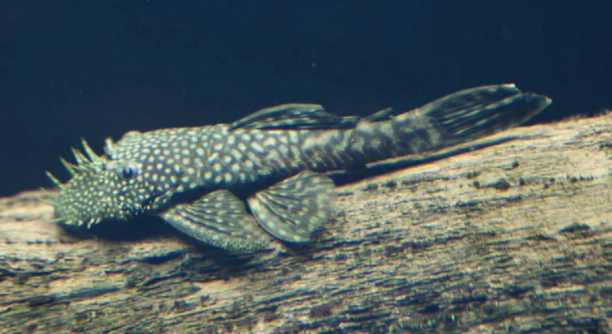
Do you ever find yourself watching your bristlenose pleco glide along the tank walls, silently munching on algae? Many aquarium owners wonder if these little fish truly need a daily supply to stay healthy. Their calm, curious presence makes them easy to enjoy.
Bristlenose plecos do not require algae every single day. While algae can be a part of their diet, they also benefit from a varied diet including vegetables and prepared sinking foods. Overreliance on algae alone can lead to nutritional imbalance.
Understanding the right balance for your pleco’s diet can improve both its health and longevity in your tank. Proper feeding habits create a happier, more active fish.
How Often Bristlenose Plecos Need Algae
Bristlenose plecos enjoy grazing on algae, but daily consumption is not mandatory. In my experience keeping aquariums, they often nibble on tank surfaces occasionally, supplementing their diet with other foods. Algae provide fiber and some nutrients, but relying solely on it may leave them deficient in essential vitamins. Many aquarists notice plecos happily exploring vegetables like zucchini, cucumber, and spinach, which they often prefer over algae when offered. Offering a variety of foods encourages a healthy appetite and proper growth. Sinking pellets or wafers designed for plecos also meet nutritional needs while keeping them active. Observing feeding behavior helps you determine if the pleco is getting enough. Younger plecos tend to be more active and need more protein, while adults can thrive with moderate algae and vegetables. Rotating foods keeps their diet balanced and prevents boredom, which can improve their overall health and lifespan.
Bristlenose plecos should have access to algae a few times a week but not necessarily every day. Variety is key.
Supplementing algae with vegetables and sinking foods ensures balanced nutrition. Plecos will graze naturally, but intentional feeding keeps them healthy. Observing their behavior can guide portion sizes and frequency. Overfeeding algae alone can cause nutrient gaps, so combining foods supports proper growth. Adults are less demanding than juveniles and often eat more plant matter. Feeding routines can adjust with age, tank size, and water conditions. A consistent yet varied diet improves immunity, reduces stress, and promotes natural activity levels. Healthy plecos display strong fins, bright coloring, and frequent tank exploration. Maintaining this approach also helps prevent algae overgrowth from excess uneaten food. The small effort of offering different foods ensures long-term well-being and a thriving aquarium ecosystem. Keeping track of preferences allows you to optimize feeding, ensuring each pleco receives the right nutrients without wasting food.
Signs Your Pleco Is Getting Enough
Watch your pleco’s behavior and appearance for clues about its diet. Healthy bristlenose plecos are active and have smooth, unblemished fins. They often graze during the day, leaving behind clean surfaces without overfeeding. Dull color, lethargy, or reduced appetite may indicate a lack of proper nutrition, requiring dietary adjustments.
If your pleco seems undernourished, try adding more vegetables or high-quality sinking wafers. Algae alone may not meet all dietary needs. Providing a mix of foods ensures proper growth and strengthens the immune system. Observation is key: note which foods your pleco prefers and adjust portions accordingly. Some plecos eat more actively at night, so offering food in the evening can help. Regularly checking the tank for leftover food prevents water quality issues. Over time, you’ll see stronger, more vibrant fish that explore the aquarium confidently. A balanced diet also supports natural breeding behaviors and reduces stress-related problems. Ultimately, consistent monitoring and varied feeding keep your bristlenose pleco thriving and energetic in a healthy environment.
Preparing Algae for Your Pleco
Algae can come from the tank or as prepared sheets and wafers. Always rinse collected algae to remove debris or chemicals. Avoid algae with pesticides or heavy contaminants, as these can harm your pleco. Proper preparation ensures safe feeding.
Many aquarists prefer supplementing tank algae with store-bought wafers or dried sheets. These provide controlled nutrients and reduce the risk of contamination from wild sources. Fresh vegetables can also be blanched and placed near algae to encourage grazing. Observing your pleco’s eating patterns helps determine how much algae to offer. Younger plecos may need more frequent feeding, while adults often eat less. Maintaining clean water prevents algae from carrying harmful bacteria, which could affect fish health. Feeding in moderation while offering variety keeps your pleco healthy and active.
Algae should be placed where your pleco can easily reach it. Floating algae may not work well for bottom dwellers. Sinking wafers, lightly attached to surfaces, make feeding more natural. Combining algae with vegetables or wafers ensures balanced nutrition. Monitor how quickly the pleco consumes each portion and adjust amounts to prevent leftover food from polluting the tank. Consistent observation lets you fine-tune feeding routines. By rotating algae types and pairing them with fresh produce, you can maintain a healthy diet. Your pleco will graze steadily, stay active, and benefit from nutrients without overfeeding, promoting long-term well-being.
Monitoring Your Pleco’s Algae Intake
Track how much algae your pleco eats daily to prevent overfeeding or deficiencies. Note the amount consumed and any leftovers after each feeding session. Adjust portions based on appetite and size.
Observing feeding behavior is essential to maintaining proper nutrition. If your pleco leaves large amounts of algae uneaten, reduce the next portion to prevent water quality issues. Conversely, if the algae disappears quickly, consider offering slightly more or adding vegetables to supplement nutrients. Age and size affect consumption, with younger fish needing more frequent feeding and adults requiring less. Temperature and tank activity also influence appetite, so monitoring regularly helps maintain balance. Maintaining a feeding log or simple notes can reveal patterns, helping you adjust routines for optimal health. Consistency in observation ensures your pleco receives proper nutrition without risking overfeeding or nutrient gaps.
Common Mistakes When Feeding Algae
Offering too much algae at once can foul the water and stress your pleco. Uneaten algae may decay quickly, reducing water quality. Feeding small, controlled amounts prevents these problems and keeps your tank cleaner.
Relying solely on algae limits your pleco’s nutrient intake. Including vegetables or sinking wafers ensures a balanced diet. Overfeeding one type of food can also lead to obesity or reduced activity. Observing consumption and adjusting portions helps maintain health.
Using Vegetables Alongside Algae
Vegetables like zucchini, cucumber, and spinach provide fiber and essential nutrients. They complement algae by filling dietary gaps. Offering a mix of vegetables with algae ensures your pleco receives a complete, healthy diet.
Adjusting Feeding Based on Age
Juvenile plecos eat more frequently than adults due to higher energy needs. Adjust feeding portions and frequency accordingly to support growth and activity levels.
FAQ
Do bristlenose plecos need algae every day?
Bristlenose plecos do not require daily algae. While algae are part of their natural diet, they also need vegetables and sinking wafers for balanced nutrition. Offering algae a few times a week is enough, especially if you supplement with other foods. Observing their eating habits helps determine the right frequency.
Can plecos survive on vegetables alone?
Yes, plecos can survive on vegetables, but variety is important. Vegetables like zucchini, cucumber, and spinach provide essential nutrients, but combining them with algae or wafers ensures they get fiber, protein, and vitamins. A varied diet keeps them active, healthy, and less prone to nutritional deficiencies.
How much algae should I give at one time?
Small portions work best. A few flakes or a thin sheet is enough for one feeding. Overfeeding can pollute the tank and stress the fish. Start with a small amount, observe consumption, and adjust gradually. This method ensures your pleco eats without creating leftover waste.
Can bristlenose plecos eat algae from other tanks?
It’s not recommended. Algae from other tanks may carry diseases, parasites, or chemicals. It’s safer to offer algae from your own tank or store-bought wafers. Preparing algae by rinsing and removing debris reduces risks. Safety is more important than free food.
Do plecos prefer live or dried algae?
Many plecos enjoy both, but preferences vary. Live algae can encourage natural grazing behavior, while dried wafers provide consistent nutrients. Offering a combination allows plecos to explore different textures while maintaining a balanced diet. Observing your pleco’s preference helps fine-tune feeding.
What vegetables are best for plecos?
Zucchini, cucumber, spinach, and peas are excellent choices. Blanch vegetables briefly to soften them, making them easier to eat. Avoid heavily treated or pesticide-covered produce. Rotating vegetables prevents boredom and ensures a range of nutrients. Plecos respond well to fresh, soft foods that sink naturally.
How do I know if my pleco is getting enough algae?
Monitor behavior and appearance. Healthy plecos are active, have bright coloration, and show interest in food. If algae disappears quickly, the portion may be too small. Leftover algae or disinterest may indicate overfeeding or dietary imbalance. Adjust quantities based on observation.
Can overfeeding algae harm my pleco?
Yes. Too much algae can lead to nutritional imbalance, obesity, and poor water quality. Overfeeding increases waste, which can affect tank conditions and stress your pleco. Controlled portions combined with vegetables or wafers prevent these issues and maintain a healthy environment.
Is algae a replacement for sinking wafers?
No. While algae provide fiber and some nutrients, they do not fully replace commercial sinking wafers. Wafers are formulated to meet protein, vitamin, and mineral needs. Using both ensures a well-rounded diet and supports proper growth and activity.
How often should I observe feeding habits?
Daily observation is ideal. Watching how much your pleco eats and how it behaves after feeding helps adjust portions and detect potential health issues early. Noting trends over time improves long-term feeding practices. Small adjustments make a big difference in keeping plecos healthy.
Can plecos survive without algae at all?
Yes, but they thrive better with it included in their diet. Algae provide natural grazing activity and fiber that complements other foods. Completely eliminating algae is possible if other foods are varied and nutritious, but occasional algae improves overall health.
Do water conditions affect algae consumption?
Yes. Poor water quality or high nitrate levels can reduce algae growth and your pleco’s appetite. Maintaining clean, balanced water supports natural grazing and feeding behavior. Healthy water conditions encourage eating and improve digestion, keeping plecos energetic and vibrant.
How do I balance algae with other foods?
Offer algae a few times a week alongside vegetables and wafers. Adjust portions based on age, size, and activity level. Observing your pleco’s behavior ensures it receives enough without overfeeding. Rotating foods prevents nutrient gaps and maintains interest in feeding.
Can I use frozen or canned vegetables instead of fresh?
Yes, but choose options without added salts or sauces. Blanch frozen vegetables to soften them before feeding. Canned vegetables should be thoroughly rinsed to remove preservatives. Fresh foods are ideal, but prepared vegetables can be a convenient alternative while still providing essential nutrients.
What’s the best feeding schedule for bristlenose plecos?
Feed small portions once or twice daily. Include algae a few times a week, vegetables regularly, and wafers as a protein supplement. Adjust based on age and tank activity. Consistency helps establish a routine, prevents overfeeding, and keeps plecos active and healthy.
How do I introduce new foods to plecos?
Introduce one food at a time, placing it near algae or familiar foods. Observe whether your pleco accepts it. Gradually mix new foods into the diet to prevent refusal. Patience is key, as plecos may take time to explore unfamiliar tastes and textures.
Do plecos require supplements in addition to algae?
If the diet is balanced with vegetables and high-quality wafers, supplements are usually unnecessary. In rare cases of nutrient deficiency, specialized vitamins or minerals can be added. Monitoring health and behavior helps determine if supplements are needed.
Can algae wafers replace natural algae?
They can partially replace natural algae but may not stimulate natural grazing behavior as live or tank-grown algae do. Using wafers alongside fresh algae or vegetables ensures both proper nutrition and engagement with feeding behavior.
How do seasonal changes affect feeding?
Plecos may eat less in cooler water and more in warmer conditions. Adjust feeding accordingly. Seasonal changes can also influence algae growth in the tank. Observation helps maintain balance, ensuring plecos get enough nutrients year-round without overfeeding.
How can I tell if my pleco prefers certain algae types?
Offer different types in small amounts and observe which disappears first. Preferences may include texture, flavor, or color. Rotating options prevents boredom and ensures your pleco receives a range of nutrients. Personal observation is the best guide for feeding choices.
Is it okay to skip algae on busy days?
Yes, occasional skipping is fine if other foods are provided. Plecos can graze naturally on vegetables or wafers. Consistency is ideal, but missing a feeding now and then won’t harm a healthy adult pleco. Adjust future feedings to maintain balance.
How important is texture in algae feeding?
Texture affects consumption. Soft sheets or lightly attached wafers are easier for plecos to eat, encouraging steady grazing. Hard or floating algae may be ignored. Observing how your pleco handles different textures helps optimize feeding for better intake and nutrition.
What is the best way to store algae wafers?
Keep wafers in a cool, dry place, sealed to prevent moisture. Exposure to air can make them soft or moldy. Proper storage maintains freshness and nutrient content, ensuring your pleco receives the intended benefits from each feeding.
Can bristlenose plecos eat algae meant for other species?
It depends on the ingredients. Avoid algae products with additives harmful to plecos. Stick to wafers or sheets labeled safe for plecos. Observing reactions and consulting product labels ensures your fish receives safe, nutritious food.
How long can plecos go without algae?
Healthy adult plecos can go several days without algae if other foods meet nutritional needs. Juveniles require more frequent feeding. Using algae as part of a varied diet promotes long-term health and supports natural grazing behavior, keeping them active and vibrant.
How do I encourage plecos to eat algae if they refuse?
Place algae near vegetables or wafers your pleco already eats. Slightly moving it around or attaching it to surfaces can stimulate natural grazing behavior. Gradual introduction and observation help them adapt, ensuring they receive necessary nutrients.
Are all tank-grown algae safe for plecos?
No. Avoid algae exposed to chemicals, treatments, or contaminated water. Even tank-grown algae may carry pathogens if not monitored. Only provide algae from a clean, controlled environment or use prepared wafers to guarantee safety.
Can plecos get bored with algae?
Yes, they may ignore algae if it’s the only food offered. Rotating vegetables, wafers, and different algae types maintains interest and encourages natural grazing. Variety supports both nutrition and mental stimulation.
How can I prevent algae overgrowth in the tank?
Feed in controlled amounts and remove uneaten portions. Balance lighting and water quality to limit excessive algae growth. Proper maintenance ensures your pleco has access to safe algae without damaging the tank environment.
Do plecos eat algae at night or during the day?
Bristlenose plecos are mostly nocturnal but may graze during the day if comfortable. Observing their behavior helps schedule feeding and ensures algae is offered when they are most likely to eat. Some plecos are more active in dim light.
Can overfeeding algae affect water chemistry?
Yes. Excess algae increases waste and decaying matter, raising ammonia and nitrate levels. Poor water chemistry stresses plecos and can lead to illness. Monitoring portions and tank cleanliness prevents water-related issues, supporting a healthy environment.
What is the ideal portion of algae for multiple plecos?
Divide small amounts based on the number of fish. Avoid giving one large sheet that only a few consume. Observing interactions ensures all plecos get food without overfeeding and keeps the tank clean. Rotate with vegetables for balance.
Are frozen algae sheets as good as fresh?
Frozen sheets are convenient and retain nutrients if stored properly. Thaw or rinse them before feeding. Fresh or tank-grown algae may encourage more natural grazing, but frozen sheets are a safe, nutritious alternative when needed.
How can I tell if my pleco is underfed?
Signs include lethargy, weight loss, faded colors, and reduced activity. Regular observation and consistent feeding prevent deficiencies. Adjust portions and diet variety to restore energy, appetite, and overall health.
Can plecos overeat algae?
Yes. Overeating can cause nutrient imbalance and water issues. Providing controlled portions and supplementing with vegetables and wafers keeps diet balanced. Observation and adjustment are key to preventing overfeeding problems.
How does age affect algae needs?
Juveniles need more frequent feedings for growth, while adults require less. Adjust portions based on size, activity, and overall health. Monitoring and gradual adjustments ensure both age groups get proper nutrition.
Is it necessary to remove leftover algae?
Yes. Uneaten algae decomposes quickly, affecting water quality. Removing leftovers prevents ammonia buildup, keeps the tank clean, and protects pleco health. Proper feeding portions minimize waste.
Can plecos eat algae meant for snails or other invertebrates?
Some may, but check ingredients for suitability. Algae for other species can contain additives harmful to plecos. Stick to products labeled safe for plecos to ensure proper nutrition and safety.
Do bristlenose plecos need more algae in planted tanks?
Not necessarily. Planted tanks may provide natural grazing surfaces, but vegetables and wafers are still needed for balanced nutrition. Observing consumption ensures they receive enough nutrients without overfeeding.
How long can I store fresh algae from my tank?
Freshly collected algae can be stored briefly in clean, aerated water. Avoid storing for long periods, as it may decay or carry harmful bacteria. Use promptly for safe feeding.
Can algae help improve pleco color?
Algae provide fiber and some nutrients, but vegetables and wafers contribute more to coloration. A varied diet enhances vibrancy, with algae adding natural grazing activity rather than being the sole color booster.
Should I change algae types regularly?
Yes. Rotating algae types maintains interest, prevents boredom, and ensures a range of nutrients. Combined with vegetables and wafers, variety supports long-term health and feeding satisfaction.
Do plecos eat algae differently in community tanks?
Yes. Competition may affect grazing, with dominant fish eating first. Monitor consumption and provide separate portions if needed to ensure all plecos get enough without overfeeding or stress.
Is algae more important than vegetables for plecos?
No. Vegetables provide essential nutrients lacking in algae. Algae offer fiber and grazing activity but should complement a balanced diet including vegetables and wafers.
Can plecos survive solely on sinking wafers?
Technically yes, if wafers are nutritionally complete. However, including vegetables and occasional algae encourages natural grazing and provides additional nutrients, supporting healthier, more active fish.
How do I clean algae before feeding?
Rinse gently in clean water to remove debris and contaminants. Avoid soaps or chemicals. Proper cleaning ensures safe consumption without introducing toxins or bacteria.
Do plecos need algae if the tank has live plants?
Live plants provide surfaces for grazing but may not supply all nutrients. Supplement with vegetables and wafers to maintain a balanced diet and prevent nutrient deficiencies.
How long should a pleco spend grazing on algae?
Grazing varies with age and activity. Generally, 10–20 minutes per feeding is sufficient. Observe behavior to ensure they eat without leaving excessive leftovers. Adjust as needed to prevent overfeeding.
Can plecos share algae with other species?
Yes, if other fish are compatible and portions are adequate. Ensure all species can access food and monitor for aggressive behavior or competition. Adjust feeding to meet all needs.
Is algae feeding different in freshwater versus brackish tanks?
Bristlenose plecos are freshwater fish. Algae feeding principles remain the same in freshwater tanks. Brackish conditions are not recommended for this species, and diet should remain balanced with vegetables and wafers.
Do plecos eat algae off decorations or glass better than floating algae?
Yes, bottom surfaces or attached algae encourage natural grazing. Floating algae may be ignored. Positioning algae on surfaces or sinking wafers ensures consistent feeding and supports natural behavior.
Can plecos become aggressive over algae?
Occasionally, dominant plecos may guard algae or wafers. Provide multiple feeding spots and rotate portions to reduce competition and ensure all fish access food.
Does tank size affect algae feeding?
Yes. Larger tanks may require more algae or additional feeding spots. Smaller tanks need careful portion control to prevent water quality issues. Observing consumption helps adjust feeding for the specific tank size.
Can plecos be picky about algae?
Yes. Some plecos prefer certain types or textures. Offering variety and observing preferences ensures they consume enough nutrients without wasting food. Rotate algae types to maintain interest and health.
Do plecos need more algae during breeding?
Breeding plecos may require additional nutrients, including algae, vegetables, and protein-rich wafers. Providing varied foods supports energy, egg development, and overall health during reproductive periods.
Is algae feeding affected by water temperature?
Yes. Cooler water can slow metabolism, reducing appetite, while warmer water may increase feeding. Adjust portion size and frequency to match activity and temperature.
Can plecos eat algae supplements?
Yes, as long as supplements are safe for their digestive system. They can be used to fill nutritional gaps or provide added vitamins but should not replace fresh or natural foods entirely.
Do plecos need algae if they are already eating vegetables and wafers?
Algae is not strictly necessary but adds natural grazing activity and fiber. Including it occasionally supports overall health and mimics natural behavior, enhancing quality of life.
How often should I rotate algae types?
Rotate weekly or biweekly to maintain interest and provide a range of nutrients. Pair with vegetables and wafers for a balanced feeding plan that keeps plecos active and engaged.
Can plecos eat too little algae?
Yes, insufficient algae may limit fiber intake and natural grazing activity. Supplement with vegetables and wafers to maintain a balanced diet and prevent deficiencies.
Do plecos prefer algae at certain times of day?
Many are more active in low-light periods or at night. Observing their grazing patterns helps schedule feedings when they are most likely to eat, ensuring consistent nutrient intake.
Is algae feeding different for male and female plecos?
Dietary needs are similar, but females may require slightly more nutrients during breeding or egg development. Providing a varied diet supports both sexes without overfeeding.
Can plecos eat algae past their expiration date?
No. Expired or moldy algae wafers may cause illness. Always check dates and store properly to ensure safety and nutritional quality.
How do I combine algae with vegetables for feeding?
Place small portions together so plecos can graze naturally. Alternate types to maintain interest and ensure balanced intake. Observation allows adjustment based on preferences and consumption.
Does algae feeding prevent disease?
Indirectly. A balanced diet including algae supports immune function and reduces stress, which lowers disease risk. Alone, algae do not prevent illness; overall nutrition and tank care matter most.
Can plecos get addicted to algae?
Not literally, but they may prefer it over other foods. Rotating vegetables and wafers ensures balanced nutrition and prevents over-reliance on one food type.
How do I know if my pleco likes a new algae type?
Offer a small portion and watch consumption. Eaten quickly indicates preference, while ignored portions suggest dislike. Gradually introducing new types helps adapt their diet.
Can algae feeding affect growth rate?
Yes, inadequate or excessive algae can influence growth. Balanced feeding with vegetables and wafers supports healthy development, especially in juveniles. Monitoring intake ensures proper growth without overfeeding.
Do plecos need algae if they are fed protein-rich wafers?
Algae is still beneficial for fiber and grazing activity. Protein wafers provide essential nutrients, but combining them with algae supports digestion, prevents boredom, and encourages natural behavior.
Is algae feeding different in community tanks?
Competition may require multiple feeding spots or adjusted portions. Observe behavior to ensure all plecos get enough without overfeeding. Combining algae with vegetables and wafers helps meet nutritional needs.
Can plecos eat algae from aquaponic systems?
Yes, if the water is clean and free from chemicals. Ensure algae are safe and supplement with vegetables and wafers to provide a complete diet. Monitoring consumption prevents overfeeding and maintains water quality.
Do plecos eat algae faster when hungry?
Yes. Appetite affects feeding speed. Observing how quickly algae disappear can help adjust portion sizes and feeding frequency, ensuring plecos receive enough without wasting food.
How long should I wait between algae feedings?
Several days is sufficient if other foods are provided. Monitor behavior and leftovers to determine ideal intervals. Feeding too often can cause water quality issues or nutrient imbalance.
Can plecos survive only on algae wafers for months?
Technically yes, if wafers are complete, but variety is recommended. Supplementing with vegetables or occasional live algae ensures proper nutrition, keeps plecos active, and supports natural grazing behavior.
Do plecos need algae if tank has natural biofilm?
Biofilm provides some grazing material, but it may not meet all dietary needs. Supplement with vegetables or wafers for complete
Bristlenose plecos are hardy, easygoing fish that adapt well to most freshwater aquariums. While they naturally graze on algae, they do not need it every single day to stay healthy. Observing their behavior and providing a mix of foods is more important than simply offering algae constantly. Vegetables like zucchini, cucumber, and spinach provide essential vitamins and fiber, while sinking wafers ensure protein and minerals are included in their diet. By combining these foods with occasional algae, you create a balanced feeding plan that supports both growth and long-term health. In my experience, plecos that receive a varied diet are more active, show brighter coloration, and explore their tank more confidently, compared to those that are fed only one type of food.
Feeding should be done in controlled portions to prevent overfeeding and maintain water quality. Excess uneaten algae or vegetables can quickly decay, raising ammonia and nitrate levels, which stress your fish and harm beneficial bacteria. I have found that offering small amounts multiple times a week works best, rather than a single large feeding. Watching how much your pleco consumes and adjusting portions accordingly helps prevent waste and ensures every fish in the tank gets access to food. This approach also encourages natural grazing behavior and keeps plecos mentally engaged, which is important for their overall well-being. Age and activity level influence feeding needs: juvenile plecos eat more frequently, while adults can thrive on moderate portions. Observing these patterns makes it easier to maintain a feeding routine that supports each fish’s individual needs.
Consistency and variety are the keys to maintaining healthy bristlenose plecos. Algae provide fiber and a natural grazing opportunity, but vegetables and wafers complete the nutritional picture. Rotating foods keeps your plecos interested and ensures they receive a wide range of nutrients. Maintaining a clean tank, monitoring feeding habits, and adjusting portions as needed helps prevent common issues like nutrient deficiencies or poor water quality. Over time, you will notice stronger fins, brighter colors, and more active fish. While algae are a valuable part of their diet, they should not be relied upon exclusively. Combining careful observation, varied feeding, and proper tank maintenance ensures that your bristlenose plecos live a long, healthy, and active life.

Hello,
If you enjoy the content that we create, please consider saying a "Thank You!" by leaving a tip.
Every little bit helps us continue crafting quality advice that supports the health, happiness, and well-being of pets around the world, for pets of all shapes, sizes, and species.
We really appreciate the kindness and support that you show us!