
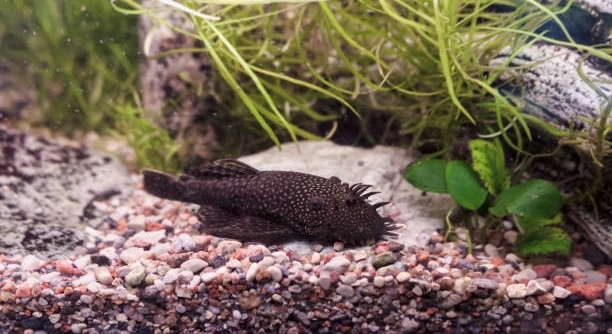
Have you ever noticed that some plecos in your tank look slightly different from others? Even among the same species, males and females often display distinct features that can be subtle but telling. Observing them closely can be interesting.
Male and female plecos differ in body shape, fin size, head structure, and behavior. Males typically have longer odontodes, broader heads, and more aggressive tendencies, while females are generally rounder, less ornamented, and exhibit calmer behaviors. These differences are consistent across most species.
Recognizing these distinctions can make caring for your plecos easier and help maintain harmony in your aquarium environment. Observing these traits ensures you meet their needs properly.
Body Size Differences
Male plecos are generally larger than females, especially as they reach adulthood. While juveniles may appear similar, over time, males develop broader bodies and longer tails. Females tend to remain slightly smaller and rounder, particularly around the abdomen, which becomes noticeable when they are carrying eggs. These differences are subtle in younger fish, but become clear as plecos mature. Size can influence tank dynamics, with larger males often asserting dominance in shared spaces. Monitoring growth helps you identify males early and plan tank arrangements effectively. Ensuring both males and females have enough space reduces stress and supports healthy behavior. Observing body size also gives insight into overall health, as growth can reflect diet and water quality. Proper feeding and environment are essential to maintain natural growth patterns. Size differences are a reliable starting point for distinguishing male and female plecos, alongside other physical and behavioral traits.
Body size is one of the most noticeable differences, with males generally larger and broader than females, particularly in the head and tail regions.
Noticing size differences is useful when pairing plecos or designing a tank setup. Larger males may require more territory, and understanding these distinctions supports a balanced and healthy aquarium environment.
Odontode Development
Males develop more prominent odontodes, which are hair-like structures along the head, cheeks, and pectoral fins. These are less pronounced or absent in females, giving males a rougher texture and more defined appearance. Odontodes can become especially visible during breeding periods, reflecting sexual maturity and readiness to mate. In some species, these structures serve as a defense mechanism, helping males establish dominance and deter rivals. Females, on the other hand, maintain smoother skin and fewer protrusions, which allows for a less aggressive presence in the tank. Observing these structures closely helps in identifying gender without relying solely on body size or coloration. Maintaining good water quality and nutrition supports healthy odontode growth, as malnutrition or poor conditions can stunt development. While it may seem minor, odontodes are a key visual indicator that complements other traits like body shape, fin size, and behavior. By paying attention to these details, you can more confidently distinguish males from females.
Odontodes are more developed in males, aiding identification and indicating sexual maturity.
Understanding odontode differences is crucial for breeding and tank management. Males use them in displays of dominance, which can impact tank dynamics. Females with minimal odontodes typically avoid confrontations, creating a calmer environment. Observing the size, number, and placement of these structures provides reliable information about gender, even before reproductive behaviors appear. In practice, this allows aquarists to separate males for breeding programs or to monitor aggression levels in community tanks. Additionally, proper nutrition and clean water enhance odontode development, ensuring males display natural characteristics. Recognizing these traits early helps maintain healthy interactions, as males with well-developed odontodes may compete for territory or mates. While odontodes are most obvious in adult fish, juveniles may show small hints, allowing for gradual gender identification. Combined with size, body shape, and fin characteristics, odontodes form a comprehensive set of indicators. Observing them closely can improve care, breeding success, and overall tank harmony.
Fin Shape and Size
Males typically have longer and more pointed dorsal and pectoral fins, giving them a sharper, more angular look. Females’ fins are usually shorter and rounder, contributing to a softer overall appearance in comparison to males.
Longer fins in males serve multiple purposes, including attracting mates and asserting dominance. These fins can also help males during territorial displays, making them appear larger and more intimidating to rivals. Female plecos, with their shorter and rounded fins, are less aggressive and more focused on grazing and egg-carrying activities. Observing fin shape early can help differentiate genders before other traits fully develop. Proper care, including adequate tank space, ensures fins remain healthy and intact, avoiding damage from aggression or tight environments.
Fin differences are easy to notice when fish are side by side. Watching how males use their elongated fins in displays compared to females grazing calmly can make gender identification clearer. Regular observation also helps monitor any fin wear or damage, which is important for health and breeding readiness.
Head Shape
Male plecos often have broader and more pronounced heads, especially around the cheeks and snout. Females’ heads are narrower and less angular, giving them a softer profile.
A broad head in males is associated with territorial behavior and dominance. It allows males to push or defend against rivals and can serve as a display trait to attract females. The head size difference is usually subtle in juveniles but becomes more noticeable as fish mature. Female plecos’ narrower heads are more streamlined, suitable for feeding and movement within the tank without aggression. This physical distinction complements other traits like body size, odontodes, and fin length to provide a clear gender identification method. Monitoring head shape can be particularly helpful in breeding setups, ensuring males and females are paired correctly without conflict.
Understanding head shape differences is useful when selecting fish for breeding or community tanks. Males with wider heads may require extra space to reduce aggression, while females remain less confrontational. Observing head proportions alongside other physical markers ensures accurate gender recognition and supports healthier, more stable tank dynamics. Consistent observation over time allows you to anticipate behavioral patterns and make informed decisions about tank arrangements and breeding strategies.
Belly Shape
Female plecos generally have rounder and fuller bellies, especially when carrying eggs. Males tend to have flatter, narrower abdomens that reflect their leaner build.
Observing the belly shape is one of the simplest ways to distinguish genders. Round bellies indicate females, while slimmer profiles usually signal males.
Coloration Differences
Male plecos often display darker and more intense colors, sometimes with more distinct patterns on their bodies and fins. Females usually have softer, lighter tones with less pronounced markings. Color differences can be subtle depending on species but are more noticeable in adults. Maintaining good water quality and nutrition helps enhance natural coloration, making it easier to identify gender visually. These distinctions can be especially useful when pairing fish for breeding, as males’ vibrant tones can indicate health and readiness to mate, while females’ gentler hues signal calm and reproductive potential. Observing color alongside size, fins, and odontodes provides a reliable gender assessment.
Behavior Patterns
Males are more territorial and active, often patrolling their space or defending hiding spots. Females are calmer, spending more time grazing and resting.
FAQ
How can I tell a male pleco from a female without waiting for breeding?
The easiest way is to look at physical traits. Males usually have longer and sharper fins, broader heads, and more prominent odontodes on their cheeks and pectoral fins. Females have rounder bellies, smaller fins, and smoother skin. Observing body size can also help, as males tend to be larger than females. Watching them over time makes differences clearer, especially as they reach adulthood.
Do all pleco species show the same gender differences?
Most species display similar traits, but the extent varies. In some species, males develop very long fins or large odontodes, while in others, the differences are subtle. Belly shape and head width are usually reliable across species, but color differences can depend on the specific type of pleco you have.
Can pleco behavior indicate gender?
Yes. Males are often more territorial, patrolling their area, guarding caves, or showing aggression toward other males. Females are calmer, focusing on grazing and exploring without asserting dominance. These behavioral patterns, combined with physical traits, provide a strong indication of gender.
Do males always have darker colors than females?
Not always, but in many species, males display richer colors and more defined patterns, particularly when healthy and mature. Females tend to have softer, lighter tones. Diet and water conditions affect coloration, so ensure proper nutrition and clean water to observe these differences clearly.
How early can I identify gender in plecos?
Juveniles show limited differences, but subtle hints like head shape and fin size can be observed in some species after a few months. Most traits become clear when fish are approaching sexual maturity, usually around six months to a year, depending on species and growth conditions.
Do environmental factors affect gender traits?
Yes. Poor water quality, inadequate diet, or crowded tanks can hinder development of physical traits like odontodes, fin length, or body size. Stress can also affect behavior, making males less territorial and females less active. Keeping a stable, healthy environment ensures traits are expressed naturally.
Is it necessary to separate males and females in a community tank?
Not always, but it can help reduce aggression. Males may compete for territory, especially during breeding periods. Females are less aggressive, so separating dominant males or providing plenty of hiding spots maintains harmony and reduces stress in the tank.
Can I rely on one trait alone to identify gender?
No. Traits like fin size, odontodes, or belly shape are easier to misinterpret alone. The most accurate approach combines multiple factors: body size, head shape, fin length, odontode development, coloration, and behavior. Observing all together increases confidence in identifying males and females correctly.
Do females’ bellies always indicate they are carrying eggs?
A rounder belly is often a female trait, but it does not always mean eggs are present. Some females naturally have fuller bodies, especially well-fed ones. Observing behavior and overall condition alongside belly shape gives a more accurate assessment of reproductive status.
Will plecos change appearance over time?
Yes. As plecos grow, males typically develop longer fins, larger heads, and more pronounced odontodes. Color patterns may deepen, and body proportions become clearer. Females’ features remain rounder and smoother. Regular observation over months allows for better gender identification as traits become more defined.
Are there exceptions to these gender differences?
Yes, especially in hybrid species or less-studied varieties. Some males may display minimal odontodes, or females may appear darker due to diet or lighting. Combining multiple observations—size, shape, behavior, and coloration—remains the most reliable method to accurately distinguish genders.
How can I safely monitor plecos for gender differences?
Provide a spacious tank with proper hiding spots and observe behavior from a distance. Avoid frequent handling, which stresses the fish. Regular water checks and consistent feeding ensure healthy development, allowing physical traits to show naturally. Taking notes or photos over time can help track changes clearly.
Can knowing gender help with breeding success?
Absolutely. Recognizing males and females ensures proper pairing, reduces aggression, and increases the likelihood of successful spawning. Understanding traits like odontodes, belly shape, and behavior helps select healthy, compatible fish, making breeding more predictable and less stressful for all plecos involved.
Final Thoughts
Understanding the differences between male and female plecos is important for anyone keeping these fish in an aquarium. Observing traits like body size, head shape, fin length, odontodes, coloration, and behavior can make identifying gender much easier. Males are generally larger, with broader heads, longer fins, and more prominent odontodes, while females tend to have rounder bellies, smoother skin, and shorter fins. These physical characteristics, combined with differences in behavior, create a reliable set of markers to distinguish males from females. Paying attention to these traits not only helps with gender identification but also supports healthier tank management, ensuring each pleco has enough space and resources. Watching how they interact with each other and noting subtle differences over time can help aquarists make informed decisions about tank arrangements and breeding setups.
Proper care is essential for plecos to display their natural characteristics. Water quality, diet, and tank space all affect growth, coloration, and behavior. Poor conditions can stunt development, hide important traits, or increase aggression between males. Providing a stable and healthy environment allows males to grow larger and show prominent features like odontodes, while females maintain their natural rounded shape. A balanced diet supports vibrant colors and overall health, making gender differences easier to observe. By monitoring plecos regularly and keeping conditions consistent, you can track their development and make adjustments as needed. This attention to care helps prevent stress, reduces conflicts in community tanks, and ensures both males and females thrive. Knowing how environmental factors influence physical and behavioral traits makes it easier to manage your aquarium and support the long-term well-being of your fish.
Identifying gender in plecos can also improve breeding success and overall tank harmony. Males are more territorial and may compete for space, while females are calmer and more focused on feeding and egg-laying. By recognizing these patterns, you can provide separate areas for males or adjust the tank layout to minimize stress. Correctly pairing males and females ensures a higher likelihood of successful spawning and reduces conflict. Observing traits over time, including fin shape, coloration, body size, and odontode development, gives a clearer understanding of gender and readiness for breeding. Taking note of these differences allows you to create a balanced and peaceful environment, supporting the health of all plecos in the tank. Ultimately, knowing the key distinctions between males and females helps aquarists provide better care, maintain stability in the aquarium, and enjoy watching their plecos thrive.

Hello,
If you enjoy the content that we create, please consider saying a "Thank You!" by leaving a tip.
Every little bit helps us continue crafting quality advice that supports the health, happiness, and well-being of pets around the world, for pets of all shapes, sizes, and species.
We really appreciate the kindness and support that you show us!