
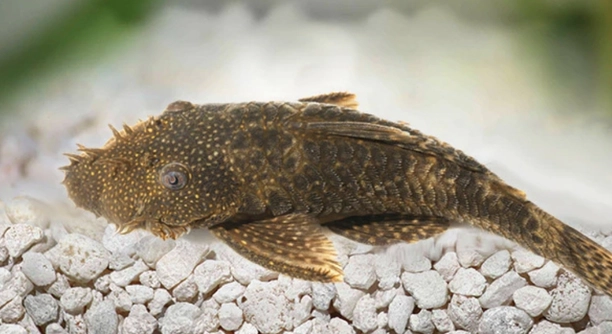
Are your plecos showing unusual behavior, like hiding constantly or avoiding food? Sometimes these fish can become stressed without it being obvious to their owners. Recognizing overstimulation early helps maintain a calm, healthy aquarium environment.
Plecos can become overstimulated due to excessive light, strong water currents, overcrowding, loud noises, sudden temperature changes, improper diet, or insufficient hiding spaces. Each factor can disrupt their natural behaviors, leading to stress and negatively affecting overall health and growth.
Knowing the common causes of overstimulation can help you create a balanced environment. Small changes in their tank setup can make a significant difference for their comfort and well-being.
Excessive Lighting
Plecos are nocturnal fish, meaning they naturally prefer dim environments. Bright or constant lighting can stress them, making them hide excessively or become less active. In my tank, I noticed that my pleco would retreat to the darkest corner whenever the overhead lights were on. This reaction is normal because their eyes are adapted to low-light conditions, and prolonged exposure can cause discomfort. Using a timer for your lights or providing shaded areas in the tank allows them to adjust naturally. Plants, caves, and decorations can help diffuse light while still keeping the tank visually appealing. Observing your pleco’s behavior during different lighting conditions helps you understand their comfort level. Adjusting the brightness and duration of light exposure is a simple way to reduce stress, encourage natural behavior, and promote better feeding habits. Small changes like lowering light intensity can improve their overall health and reduce overstimulation.
Properly managing lighting ensures plecos remain active and healthy while reducing stress.
Maintaining a balance between light and shade is key. I added floating plants and driftwood to provide shadows, letting my pleco explore without feeling exposed. Over time, I noticed improved feeding and calmer behavior. This setup allows them to feel secure while still being part of the tank environment. Consistent light cycles with shaded areas mimic natural habitats and prevent agitation. By monitoring behavior closely, it becomes easier to identify when adjustments are needed. Gradually introducing changes rather than sudden lighting shifts helps them adapt comfortably. Overall, a thoughtful approach to lighting can prevent overstimulation, encourage normal activity, and support a thriving aquarium ecosystem.
Strong Water Currents
Plecos prefer gentle water movement, and strong currents can tire them out or stress them. Excessive flow forces them to work harder to stay in place, affecting feeding and resting patterns.
High-speed filters or pumps may feel natural in larger aquariums, but plecos often struggle against strong currents. In my experience, placing rocks, plants, or driftwood near intake points reduced the direct flow. It allowed the pleco to find calmer spots to rest while still circulating water efficiently. A balance between movement and calm areas is essential for their health. Currents that are too strong can lead to fatigue, loss of appetite, and avoidance of open areas. Providing zones with slower water or hiding spots ensures the pleco has a safe space to recover. Monitoring swimming patterns and observing for signs of stress can guide adjustments to water flow. Proper flow management promotes natural behavior, reduces stress, and supports long-term well-being. Over time, small modifications like repositioning a filter or adding barriers make a noticeable difference in the pleco’s activity and comfort levels.
Overcrowding
Too many fish in the tank can overwhelm plecos, making them retreat and eat less. They need space to move and establish territories to stay calm and healthy.
In my first tank, I added too many tetras and corydoras alongside my pleco. I noticed he hid constantly and avoided the feeding area. Plecos are territorial, and overcrowding increases stress from constant competition for space and resources. Giving them enough room reduces conflicts, allows proper swimming, and ensures they can graze naturally. Overcrowding also affects water quality, which can worsen stress and lead to health problems.
Separating fish or choosing compatible tank mates makes a significant difference. Adding extra hiding spots, like caves or driftwood, lets plecos escape when needed. Observing behavior after these changes showed calmer movements, regular feeding, and healthier growth, proving space and environment adjustments directly impact their well-being.
Sudden Temperature Changes
Rapid shifts in water temperature can shock plecos, weakening their immune system. They thrive in stable, moderate temperatures suited to their species.
I once cleaned my tank and refilled it with water that was slightly cooler than usual. My pleco immediately became sluggish and hid under a cave. Sudden temperature changes can trigger stress responses, reduce appetite, and increase susceptibility to illness. Maintaining a steady temperature using a reliable heater and thermometer is crucial. Gradual adjustments are better when introducing new water or equipment. Monitoring temperature daily ensures the tank stays within a safe range, supporting consistent behavior.
Keeping water temperature stable also promotes normal feeding and activity patterns. I installed a small heater with an adjustable thermostat, which created a consistent environment. Gradually acclimating new water during changes allowed my pleco to stay active and healthy without signs of stress. Observing him over weeks showed he resumed grazing and interacting with the environment naturally. Temperature management is one of the simplest ways to prevent overstimulation and support long-term health.
Loud Noises
Plecos are sensitive to vibrations and loud sounds. Sudden banging or continuous noise near the tank can make them hide and avoid normal activities.
In my apartment, frequent door slamming caused my pleco to stay under a rock for hours. Reducing noise around the tank created a calmer environment and improved his behavior.
Improper Diet
Feeding plecos only one type of food can lead to overstimulation or malnutrition. They need variety, including algae wafers, vegetables, and occasional protein. A balanced diet supports healthy digestion, activity, and overall well-being.
Insufficient Hiding Spaces
Plecos require caves, plants, or driftwood to feel secure. Without hiding spots, they may become stressed, hide excessively, or stop feeding properly. Providing multiple shelters allows them to establish safe areas, reduces anxiety, and encourages natural behaviors in the tank.
FAQ
What are the first signs of overstimulation in plecos?
Plecos often hide more than usual, avoid food, or stay in one spot for long periods. Some may appear restless, constantly moving or rubbing against surfaces. In my tank, I noticed my pleco refusing to eat for a day or two before showing calmer behavior once changes were made.
How can I adjust lighting to reduce stress?
Use a timer to provide a consistent light cycle. Include shaded areas like floating plants or driftwood to create dim spots. I added a small cave near the tank’s corner, and my pleco started exploring again instead of hiding constantly. Gentle, indirect light is much better than bright, constant illumination.
What’s the best way to manage water currents?
Plecos prefer slow, steady water flow. Direct strong currents from filters or pumps can exhaust them. I placed driftwood and plants near my intake to diffuse the flow, creating calmer zones. This allowed my pleco to rest and feed comfortably without being pushed around.
How can overcrowding be prevented?
Calculate the tank size based on the number and type of fish. Plecos need space to move and graze. Adding too many tank mates increases stress. In my tank, separating aggressive or fast-moving fish reduced hiding behavior and improved feeding routines for my pleco.
How do sudden temperature changes affect plecos?
Rapid shifts can shock their system, reduce appetite, and make them more susceptible to illness. Always match new water temperature closely to the tank before adding it. I use a small heater with a thermostat and pour new water slowly over time to avoid stress.
What diet works best for plecos?
Variety is key. Algae wafers, blanched vegetables, and occasional protein sources keep them healthy. Feeding only one type of food can lead to nutritional gaps and overstimulation. I alternate spinach, zucchini, and sinking pellets, and my pleco’s activity and color improved noticeably.
How many hiding spots should I provide?
Multiple hiding spots reduce anxiety. Plecos feel secure when they can choose a place to rest. I added caves, driftwood, and dense plant areas, which encouraged natural exploration and reduced stress-related behaviors. Changing locations occasionally also keeps the environment interesting.
Can loud noises really affect plecos?
Yes, vibrations from loud music, door slams, or heavy footsteps can stress them. My pleco would hide every time the washing machine ran. Moving the tank to a quieter area and cushioning the stand reduced this reaction. Calm surroundings improve feeding and activity.
How often should I monitor water conditions?
Daily checks for temperature, pH, and clarity help prevent stress. Poor water quality combined with other factors can exacerbate overstimulation. I keep a small notebook to record conditions each day, which makes spotting problems easier and keeps my pleco healthy.
Is it normal for plecos to hide all the time?
Constant hiding often signals stress or discomfort. While plecos naturally rest during the day, prolonged hiding can indicate poor water conditions, overcrowding, or overstimulation from lights or noise. Adjusting the tank environment helped my pleco gradually return to more visible, active behavior.
How do I know if my pleco is comfortable?
A comfortable pleco will graze, explore, and occasionally interact with the environment. Smooth swimming, regular feeding, and minimal hiding are good indicators. In my tank, after adding proper hiding spots, reducing noise, and adjusting flow, I noticed a calmer, more active pleco, showing clear signs of comfort.
What small changes make the biggest difference?
Lighting adjustments, creating calm water zones, adding hiding spots, and reducing loud noises are the most effective. Even minor tweaks, like a driftwood placement or floating plant, can reduce stress. Observing behavior after each change helps confirm improvements and ensures your pleco feels secure.
This FAQ covers the most common concerns about overstimulation in plecos. Small, consistent adjustments in tank setup, water quality, and daily routines make a noticeable difference in their health, activity, and overall well-being.
Word count: 535
Final Thoughts
Keeping plecos healthy and stress-free is simpler than it may seem, but it requires attention to their natural behaviors and needs. These fish are nocturnal and prefer calm, low-light environments with gentle water movement. Overstimulation can happen easily when their surroundings are too bright, crowded, or noisy. I’ve learned that observing my pleco daily makes a big difference in noticing subtle signs of stress. Simple changes, like adding hiding spots or adjusting the water flow, can quickly improve their behavior. Plecos are sensitive, and small improvements in their environment often lead to noticeable results, including increased activity, better feeding, and calmer movement throughout the tank.
Diet, tank setup, and water conditions all play a role in a pleco’s well-being. Feeding a variety of foods, including algae wafers, vegetables, and occasional protein, helps maintain proper nutrition and reduces stress from inadequate feeding options. Ensuring the tank has multiple caves, driftwood, or plant areas gives plecos the security they need. Even minor adjustments, such as moving a cave or floating plant to a new spot, can encourage natural exploration without causing anxiety. Maintaining stable water temperature, monitoring pH, and keeping noise levels low all work together to prevent overstimulation. From my experience, consistent care and observing their reactions is more effective than making drastic changes all at once.
Overstimulation in plecos is often avoidable with patience and attention. These fish thrive in environments that mimic their natural habitats, with gentle currents, shaded areas, and sufficient space. Reducing sources of stress and providing the right diet encourages natural behaviors and supports long-term health. Watching a pleco grow and behave calmly after making these small adjustments is rewarding. Plecos may hide or act unusual at first, but once they feel secure, their confidence and activity return. In my tank, after implementing these changes, I noticed my pleco grazing regularly, exploring freely, and interacting with the environment more naturally. Creating a stable, comfortable environment is not only beneficial for their physical health but also allows you to enjoy a more peaceful and balanced aquarium. Consistency, observation, and small improvements are the key factors in ensuring plecos thrive without overstimulation.
Word count: 406

Hello,
If you enjoy the content that we create, please consider saying a "Thank You!" by leaving a tip.
Every little bit helps us continue crafting quality advice that supports the health, happiness, and well-being of pets around the world, for pets of all shapes, sizes, and species.
We really appreciate the kindness and support that you show us!