
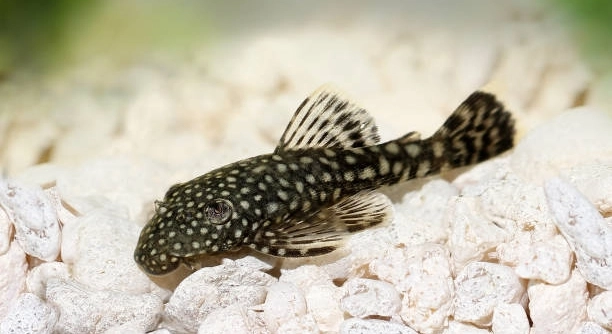
Raising pleco fry can be a delicate task, requiring attention to detail and consistency. Many new aquarists find it challenging to ensure the tiny fish thrive during their early stages of life. Proper care can make a noticeable difference.
Providing the right environment, maintaining clean water, offering suitable nutrition, and monitoring growth are critical for raising pleco fry successfully. Consistency in these practices ensures healthy development, reduces mortality, and promotes a strong start for juvenile plecos.
Understanding these essentials will improve your fry’s survival and growth. Applying these practices carefully creates a solid foundation for their long-term health.
Setting Up the Perfect Tank
Creating a suitable tank for pleco fry starts with selecting an appropriate size. A small tank works initially, but space must allow them to grow comfortably. Temperature control is essential, keeping water between 78 and 82 degrees Fahrenheit. Filtration should be gentle to prevent fry from being sucked in. Avoid strong currents and provide hiding spots using smooth decorations or plants. Substrate choice matters too; fine sand or smooth gravel prevents injury. Regular partial water changes help maintain stable conditions. Monitoring water parameters like pH and ammonia ensures a safe environment. Light should be moderate, avoiding sudden brightness that can stress the fry. Observing the fry daily allows early detection of illness or behavioral changes. Small adjustments over time, rather than drastic changes, create a stable habitat. A well-set tank lays the foundation for healthy growth. Consistency in these factors is key to raising strong pleco fry.
Providing hiding spots reduces stress and encourages natural behavior, keeping fry calmer and healthier.
Proper tank setup ensures fry feel secure, supporting growth and reducing mortality. Attention to temperature, filtration, and space helps create the best start for their development. Monitoring water consistently allows early intervention when needed. Gradual adjustments to their environment prevent shock and support long-term health. The tank’s structure, substrate, and decorations all influence comfort and feeding patterns. Fry are sensitive to sudden changes, so stability is vital. Smooth hiding areas prevent injury, and moderate lighting reduces stress. Observing their behavior daily helps identify issues quickly. Clean water is critical, as small ammonia or nitrite spikes can harm fry. A carefully prepared tank makes it easier to maintain good conditions over time, ensuring plecos thrive and grow properly. Proper setup is the foundation for successful pleco rearing, giving the fry the best chance to develop strong and healthy bodies.
Feeding Pleco Fry
Providing suitable nutrition is essential for fry growth. They need a mix of protein-rich and plant-based foods.
Pleco fry benefit from finely crushed algae wafers, blanched vegetables, and occasional protein supplements. Feeding small portions multiple times a day ensures proper digestion and growth.
A balanced diet supports strong development and reduces mortality. Begin with very fine food that fry can easily consume. As they grow, gradually introduce larger particles. Fresh vegetables like zucchini or spinach provide essential nutrients and encourage natural grazing behavior. Occasional protein sources, such as baby brine shrimp, promote rapid growth without overwhelming their digestive system. Consistency in feeding times helps regulate appetite and reduces stress. Uneaten food should be removed promptly to maintain water quality. Observing fry while feeding helps ensure all individuals get proper nutrition. Adjust portions as fry grow, preventing overfeeding while still supporting healthy growth. Maintaining a balanced diet over time fosters strong immune systems, better coloration, and more active, healthy plecos. Attention to these feeding practices is critical for long-term success in raising fry.
Water Quality Management
Keeping water clean is critical for pleco fry survival. Frequent testing and partial water changes prevent harmful spikes in ammonia and nitrites.
Monitoring temperature, pH, and hardness ensures fry remain in stable conditions. Even small fluctuations can stress young fish and slow growth. Consistency is essential. Using gentle filtration reduces debris without harming fry. Removing uneaten food quickly prevents contamination and maintains healthy water. Observing fry behavior can indicate subtle water issues. Maintaining clean water supports strong immune systems and promotes active swimming and feeding. Gradual changes avoid shock and help fry adapt smoothly. Daily attention ensures the tank environment remains safe, promoting healthy growth and reducing disease risk. Proper water quality management is non-negotiable for raising strong, healthy pleco fry.
Regular water testing allows early detection of potential problems, reducing the risk of sudden mortality.
Stable water conditions are key for healthy fry. Maintaining cleanliness and monitoring parameters ensures growth and overall vitality.
Tank Decorations and Hiding Spots
Hiding spots help fry feel secure and reduce stress. Smooth caves, driftwood, or plants provide safe areas for rest.
Pleco fry are naturally shy and rely on secure hiding places to grow properly. Adding driftwood or smooth rocks allows them to explore without fear. Plants offer cover and help maintain water quality by absorbing excess nutrients. Arranging decorations carefully prevents sharp edges that could injure delicate fry. Multiple hiding spots ensure that all individuals have space, reducing competition and stress. Fry can retreat when feeling threatened or when feeding, promoting more natural behaviors. Observing their use of hiding spots helps assess comfort levels. Proper placement supports healthy swimming and encourages normal feeding patterns. Stable and thoughtful decoration fosters an environment where fry can thrive safely while developing their natural instincts.
Providing several hiding areas prevents overcrowding and stress, helping fry grow calmly and steadily.
Monitoring Growth and Health
Observing pleco fry daily helps track growth and detect early signs of illness. Changes in activity, color, or appetite can indicate stress or disease.
Regularly measuring fry and noting development ensures they are growing at a healthy rate. Quick intervention prevents minor issues from becoming serious problems.
Maintaining Proper Lighting
Consistent lighting supports normal activity and feeding patterns. Avoid sudden brightness that may stress the fry. Use a moderate light schedule to mimic natural conditions.
Water Changes
Frequent partial water changes maintain clean, stable water. Removing debris and excess nutrients prevents harmful chemical buildup and supports healthy fry development.
Managing Tank Mates
Tank mates must be chosen carefully to prevent aggression or competition. Small, peaceful species are preferable to avoid stress and injury.
FAQ
How often should I feed pleco fry?
Pleco fry should be fed small amounts multiple times a day. Young fry have tiny stomachs and digest food quickly, so frequent feedings prevent malnutrition. Use finely crushed algae wafers, blanched vegetables, or specially prepared fry food. Gradually increase portion sizes as they grow. Remove uneaten food promptly to avoid water contamination. Consistency in feeding times helps fry develop healthy routines and supports steady growth. Observing how much they eat allows you to adjust the quantity without overfeeding. Overfeeding can harm water quality, which directly affects fry health. Proper nutrition is essential for strong bones, healthy fins, and good coloration.
What is the best water temperature for pleco fry?
Pleco fry thrive in stable water temperatures between 78°F and 82°F. Temperature fluctuations can stress fry, slowing growth and increasing vulnerability to disease. Using a reliable aquarium heater and thermometer helps maintain consistent warmth. Avoid sudden changes during water changes by tempering new water before adding it to the tank. Gentle filtration prevents strong currents that may also affect fry health. Monitoring daily ensures fry remain in the optimal range. Proper temperature supports metabolism, digestion, and overall development. Keeping a consistent schedule for checking water helps prevent issues before they become serious. Stable temperatures create a healthy environment where fry can grow efficiently.
How often should I perform water changes?
Partial water changes should be done regularly, about 20–30% weekly, depending on tank size and bioload. Water changes remove excess nutrients, debris, and waste that can harm fry. Consistent maintenance prevents spikes in ammonia, nitrites, or nitrates, which are harmful at high levels. Use dechlorinated water at a similar temperature to avoid shocking the fry. Observe water clarity and smell to determine if more frequent changes are necessary. Daily removal of uneaten food and visible waste helps maintain quality between major water changes. Regular maintenance reduces stress, supports healthy growth, and prevents disease outbreaks in the tank.
Can pleco fry be kept with other fish?
Tank mates must be carefully chosen. Pleco fry are slow-moving and delicate, so aggressive or fast species can injure or outcompete them for food. Peaceful fish that occupy different areas of the tank work best. Small schooling species like tetras or rasboras are generally safe if the tank is large enough. Avoid larger cichlids or any fish that may nip at fins. Observing fry behavior after introducing tank mates is important. Fry need ample hiding spots to retreat if they feel threatened. Proper placement of decorations ensures fry have safe areas, reducing stress and promoting healthy growth alongside other fish.
What types of food should I avoid feeding pleco fry?
Avoid large, hard foods that fry cannot consume, as these may cause digestive issues or choking. Raw meats or fatty foods are unsuitable for young fry. Processed flakes intended for adult fish are often too big or nutrient-deficient. Stick to finely crushed algae wafers, blanched vegetables, or fry-specific foods. Avoid overfeeding, as leftover food can quickly deteriorate water quality. Rotating vegetables and small amounts of protein ensures balanced nutrition. Monitoring how fry respond to each food type helps identify preferences and tolerances. Providing the right foods supports growth, coloration, and immune system development.
How do I know if pleco fry are healthy?
Healthy fry are active, alert, and consistently feeding. They should have clear eyes, intact fins, and even coloration. Lethargy, loss of appetite, or unusual swimming patterns can indicate stress or illness. Regular observation allows early detection of problems. Maintaining clean water, appropriate temperature, and proper nutrition supports overall health. Noting growth rates ensures fry are developing as expected. Sudden changes in behavior, such as hiding excessively or gasping at the surface, signal that something in the environment may be off. Quick adjustments to water quality or diet often prevent serious issues. Consistent care produces strong, healthy pleco fry with good survival rates.
Can I use decorations in the fry tank?
Yes, but choose smooth decorations without sharp edges. Driftwood, smooth rocks, and live or artificial plants provide hiding spots and reduce stress. Multiple hiding areas ensure all fry have space, which decreases competition and aggression. Decorations should be arranged to allow easy cleaning and prevent trapped debris. Fry often explore their surroundings, so creating a safe, structured environment promotes natural behaviors. Driftwood also provides surfaces for algae growth, supplementing their diet. Avoid overcrowding the tank with decorations, as fry need swimming space. Observing how fry use hiding spots helps adjust layout for comfort and safety.
How do I prevent diseases in pleco fry?
Prevent disease by maintaining clean, stable water and a balanced diet. Avoid introducing sick fish or contaminated decorations. Quarantining new additions reduces the risk of introducing pathogens. Regular water changes, proper filtration, and gentle handling reduce stress, which lowers susceptibility. Observe fry for early signs of illness, such as discoloration, clamped fins, or abnormal swimming. Promptly remove infected individuals to prevent spread. Avoid sudden temperature or water chemistry changes. Supporting fry with high-quality nutrition and secure hiding spots strengthens immunity. Preventive care is more effective than treatment, ensuring healthy growth and strong survival rates for pleco fry.
How fast do pleco fry grow?
Growth rates vary depending on species, diet, and water quality. Proper care with consistent feeding, stable water, and safe hiding spots supports faster, healthier development. Observing daily ensures fry are feeding and growing evenly. Gradual increases in portion size and occasional protein supplements encourage steady growth. Environmental stability reduces stress, allowing energy to be used for development rather than survival. Patience is essential, as some species grow slowly but consistently when conditions are ideal. Tracking growth over weeks helps identify underperforming fry or environmental issues that need correction. Proper care produces strong juvenile plecos ready for the next stage of life.
Is it necessary to separate fry by size?
Separating fry by size can reduce competition and prevent smaller individuals from being outcompeted for food. Larger fry may dominate feeding areas, leaving smaller ones undernourished. Using dividers or separate tanks ensures all fry receive adequate nutrition. Observing growth differences regularly helps decide if separation is needed. Providing multiple feeding stations also reduces competition. Proper separation encourages even growth and reduces stress-related injuries. Ensuring consistent water quality in each section is important. Separation is not always necessary but can be a helpful strategy when size differences become pronounced, supporting overall survival and health.
Final Thoughts
Raising pleco fry requires patience, attention, and consistency. Each aspect of their care, from water quality to feeding, plays a significant role in their growth and overall health. Small fry are delicate, and even minor mistakes can lead to stress or mortality. By carefully monitoring their environment, you give them the best chance to develop into strong, healthy fish. Daily observation may seem time-consuming, but it allows you to notice subtle changes in behavior or appearance that can indicate problems before they become serious. Over time, maintaining consistent routines becomes second nature, and the fry respond positively to stable conditions.
Proper nutrition is one of the most critical factors in raising pleco fry successfully. Young fry require small, frequent meals of food they can easily consume. A combination of crushed algae wafers, blanched vegetables, and occasional protein sources provides the nutrients necessary for growth and development. Overfeeding or using inappropriate food can harm the water quality and negatively affect fry health. Watching how each individual consumes food and adjusting portions accordingly ensures that every fry receives enough nourishment. Consistent feeding schedules also reduce stress, encourage natural feeding behavior, and support steady, balanced growth. Nutrition and water quality go hand in hand, and attention to both creates a strong foundation for the fry’s development.
Creating a stable and comfortable environment is equally important. The right tank setup, with smooth decorations and ample hiding spots, allows fry to explore, rest, and feel secure. Proper filtration, regular water changes, and consistent temperature control help maintain optimal conditions while preventing harmful chemical buildup. Even seemingly small factors, such as lighting and placement of hiding areas, can influence fry behavior and growth. Observing interactions, monitoring growth, and adjusting care as needed ensures that the fry develop at a healthy pace. Taking these steps fosters strong immune systems, reduces stress, and encourages active, healthy behavior. With consistent care, patience, and attention to detail, raising pleco fry becomes a manageable and rewarding process, resulting in juvenile fish that are robust, active, and well-prepared for the next stage of life.

Hello,
If you enjoy the content that we create, please consider saying a "Thank You!" by leaving a tip.
Every little bit helps us continue crafting quality advice that supports the health, happiness, and well-being of pets around the world, for pets of all shapes, sizes, and species.
We really appreciate the kindness and support that you show us!