
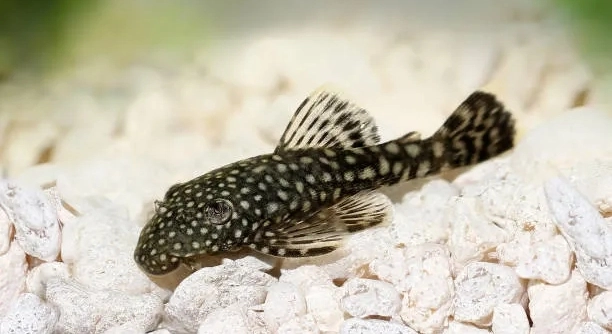
Are your plecos losing their vibrant colors and appearing dull or faded in the aquarium? Many fish owners notice these changes and feel concerned about their pet’s health and overall well-being in their tank environment.
The primary reasons for a pleco losing color include poor water quality, insufficient nutrition, stress from tank mates, or inadequate lighting. Each of these factors can directly impact pigmentation and overall health, leading to a noticeable dulling of the fish’s natural colors.
Understanding these causes will help you take the right steps to restore your pleco’s vibrancy and maintain a healthy, thriving aquatic environment.
Water Quality and Its Impact on Color
Maintaining clean water is essential for your pleco’s health and appearance. Poor water conditions can stress your fish and cause colors to fade. Ammonia, nitrites, and high nitrate levels can irritate skin and reduce pigmentation. Regular water testing helps monitor these levels and prevents long-term health issues. Consistent partial water changes keep the tank environment stable, minimizing stress. Temperature fluctuations can also affect your pleco’s color, so maintaining a steady, appropriate temperature is important. Filtration plays a key role in removing debris and harmful substances. Overfeeding can lead to waste accumulation, further reducing water quality. Observing your pleco’s behavior and color daily can alert you to early signs of stress. Adjusting water parameters gradually allows your fish to adapt without shock. By keeping the water clean and stable, your pleco will show more vibrant, natural colors. Overall, careful water management is one of the most effective ways to maintain your pleco’s appearance and health.
Regular water testing and proper filtration help prevent fading colors and keep your pleco healthy.
Consistently monitoring water quality ensures your pleco thrives. Sudden changes can stress the fish, affecting coloration and overall health. Using a reliable filter, performing scheduled water changes, and testing for ammonia, nitrites, and nitrates help maintain balance. Proper feeding reduces waste buildup, preventing pollution. Temperature stability is equally crucial; avoid sudden drops or spikes. Clear water supports natural behavior and highlights the fish’s colors. Observing plecos during feeding and rest periods gives insight into stress or illness. A stable environment reduces disease risks and encourages strong pigmentation. Overall, prioritizing water quality creates a supportive habitat for your pleco to remain colorful and healthy.
Nutrition and Diet
A balanced diet is critical for maintaining your pleco’s color and vitality. Even if your pleco eats regularly, lack of essential nutrients can cause fading.
Feeding a variety of vegetables, algae wafers, and occasional protein boosts natural pigmentation.
Providing a diet rich in vitamins A and C supports skin and scale health, while carotenoids enhance natural coloration. Avoid overreliance on processed foods, as these may lack necessary nutrients. Rotating food types ensures plecos receive sufficient fiber and minerals, promoting digestion and overall health. Observing how your pleco responds to different foods helps identify preferences and dietary needs. Offering fresh vegetables like zucchini, cucumber, and spinach adds both nutrition and enrichment. Supplementing with algae or spirulina-based wafers enhances color vibrancy. Protein sources, such as bloodworms or shrimp occasionally, support growth but should not dominate the diet. Feeding smaller portions multiple times per day helps prevent overfeeding and water pollution, which indirectly affects coloration. By focusing on nutrition, you directly influence your pleco’s appearance and resilience, ensuring it maintains bright, healthy colors over time.
Stress and Tank Environment
Stress is a major factor in pleco color loss. Overcrowded tanks, aggressive tank mates, or frequent disturbances can make plecos hide more and lose vibrancy.
A stable environment helps reduce stress and encourages natural coloration. Avoid sudden changes in lighting or temperature. Provide hiding spots like caves or driftwood to make plecos feel secure. Aggressive or territorial tank mates should be separated to prevent constant harassment. Observing behavior daily can help identify stress signs early. Even small adjustments in the tank layout or routine can improve your pleco’s comfort. Reducing stress directly impacts their health, behavior, and color retention, allowing them to display their full range of pigmentation.
Plecos respond strongly to their surroundings. Quiet, structured tanks with proper shelter reduce stress. Adjusting decorations or tankmates can improve their color over time.
Providing a calm and consistent habitat allows plecos to regain confidence. Lighting should mimic natural day-night cycles, and temperature should remain steady. Sudden changes can trigger stress responses, affecting appetite and coloration. Decorations like driftwood, caves, and plants give them security and reduce visible stress behaviors. Monitoring interactions with other fish ensures plecos are not bullied or cornered, which can cause fading. Feeding routines should be consistent, offering sufficient but not excessive portions. Stress-free conditions support vibrant colors, healthy scales, and longer lifespans. Overall, a well-organized and peaceful environment encourages plecos to display their natural colors fully.
Lighting and Color Expression
Proper lighting enhances a pleco’s natural pigmentation and overall health. Low or inconsistent lighting can lead to dull, faded colors.
Adjust lighting intensity and duration to mimic natural conditions. Too much light can cause stress, while too little can reduce color vibrancy.
Lighting influences metabolism and behavior. Natural-spectrum lighting helps bring out reds, browns, and yellows in plecos, making colors appear richer. Using timers ensures a consistent day-night cycle, supporting healthy sleep patterns and stress reduction. Placement of lights should avoid direct glare that may frighten the fish, but still illuminate plants and surfaces for algae growth. Balanced lighting also supports plant health, creating a more natural and engaging environment. Over time, consistent and appropriate lighting promotes brighter, more visible coloration. Regular observation allows adjustments to intensity and duration as the fish responds, keeping their colors at peak vibrancy.
Disease and Parasites
Illnesses and parasites can cause plecos to lose color quickly. External infections or internal parasites often show early signs through fading or dull patches.
Regular observation is essential. Look for unusual spots, frayed fins, or lethargy. Prompt treatment helps restore health and pigmentation.
Breeding and Natural Shedding
Color changes can occur naturally during breeding or shedding cycles. Plecos may temporarily lose vibrancy as they redirect energy toward reproduction or growth. Consistent care and a stable environment help them regain color after these cycles.
Genetics and Aging
Some plecos may naturally fade with age or due to genetic factors. Not all color changes indicate illness, but monitoring for other signs ensures overall health.
Seasonal Changes
Temperature and light variations across seasons can affect pleco coloration. Minor color shifts are normal, especially in response to environmental cues.
FAQ
Why is my pleco losing color suddenly?
Sudden color loss is usually linked to stress, illness, or rapid changes in water quality. Check for ammonia, nitrites, or nitrates, and ensure the temperature is stable. Stress from aggressive tank mates or overcrowding can also cause quick fading. Observing behavior and inspecting the fish’s body helps identify the cause early.
Can diet really affect pleco color?
Yes, nutrition has a direct impact on pigmentation. A varied diet including algae wafers, fresh vegetables, and occasional protein sources provides vitamins and carotenoids. Carotenoids specifically enhance reds and yellows, while vitamins support overall skin and scale health. Avoid over-reliance on processed foods that lack essential nutrients.
Is water quality the main factor in color fading?
Water quality is one of the most important factors. Poor water conditions stress plecos and can lead to dull colors. Regular testing, partial water changes, and proper filtration maintain stable conditions. Even minor fluctuations in temperature, pH, or chemical levels can influence coloration.
Can lighting affect pleco colors?
Proper lighting helps plecos display natural colors. Low light or inconsistent schedules can reduce vibrancy. Natural-spectrum lights mimic sunlight and encourage pigmentation. Timers ensure a consistent day-night cycle, preventing stress and supporting healthy behavior. Avoid direct glare that might frighten the fish.
Will stress permanently change my pleco’s color?
Stress can cause temporary fading, but color usually returns with proper care. Reducing disturbances, providing hiding spaces, and maintaining stable tank conditions help the fish regain confidence and natural pigmentation. Persistent stress, however, can lead to long-term health issues if not addressed.
Do plecos lose color as they age?
Some color fading is natural with age. Older plecos may show duller tones even in ideal conditions. Genetic factors also play a role; certain breeds have naturally muted colors or gradual fading over their lifespan. Monitoring health ensures fading is not illness-related.
How can I treat color loss caused by disease?
Identify the specific disease or parasite first. External parasites often require medicated baths, while internal infections may need antibiotics. Improving water quality, maintaining proper temperature, and feeding a balanced diet support recovery. Quick intervention improves outcomes and restores coloration.
Are seasonal changes a concern for color?
Seasonal variations in light and temperature can cause temporary color shifts. These are normal as plecos adapt to environmental cues. Maintaining consistent water parameters and diet helps minimize noticeable fading, even during seasonal transitions.
Can tank mates affect my pleco’s color?
Aggressive or territorial fish can stress plecos, leading to fading. Ensuring compatible tank mates and sufficient hiding spaces allows plecos to feel secure. Observing interactions helps identify problematic fish early, preventing prolonged stress and permanent pigmentation loss.
How long does it take for a pleco to regain color?
Recovery time varies depending on the cause. Improvements in water quality, diet, or stress reduction can show results in a few weeks. Persistent issues or illness may take longer. Consistency in care is key for restoring vibrant colors and overall health.
Is overfeeding a factor in color loss?
Overfeeding contributes to poor water quality, which indirectly affects pigmentation. Excess food increases waste and toxins in the tank. Feeding smaller portions, multiple times per day, and removing uneaten food helps maintain stable water conditions and supports natural coloration.
What signs indicate permanent color change?
Permanent fading often accompanies aging, genetics, or prolonged stress. If color loss occurs gradually without other health issues, it may be natural. Sudden, patchy, or accompanied by lethargy and fin damage indicates treatable stress or disease rather than permanent change.
Can supplements improve my pleco’s color?
Supplements containing carotenoids and vitamins can enhance natural colors. Spirulina, algae powders, and specialized pellets are effective. Use as part of a varied diet rather than relying solely on supplements to ensure balanced nutrition and overall health.
How do I prevent future color loss?
Maintaining stable water parameters, providing a balanced diet, reducing stress, and using proper lighting are key preventive measures. Regular observation and prompt intervention at the first signs of stress or illness ensure plecos retain their natural, vibrant colors over time.
Maintaining a pleco’s vibrant color requires attention to multiple aspects of their care. Water quality is a primary factor, as poor conditions can quickly stress the fish and cause fading. Regular water changes, proper filtration, and monitoring chemical levels help create a stable environment where plecos can thrive. Temperature stability is equally important, as sudden shifts can affect metabolism and stress levels. Observing your pleco’s behavior daily provides insight into potential problems before they worsen, allowing timely adjustments to water conditions or tank layout. A well-maintained aquarium not only supports healthy coloration but also contributes to the fish’s overall longevity and comfort. Even small, consistent efforts in water management can make a significant difference in the appearance and health of your pleco, preventing many common issues that lead to color loss.
Nutrition is another key factor in maintaining healthy coloration. Plecos require a balanced diet that includes vegetables, algae-based wafers, and occasional protein sources. Essential vitamins and minerals, particularly carotenoids, directly influence the vibrancy of their skin and scales. Feeding a variety of foods ensures that plecos receive all necessary nutrients, supporting both pigmentation and overall health. Overfeeding or relying too heavily on processed foods can negatively affect water quality and reduce the effectiveness of their diet. Providing fresh vegetables such as zucchini, spinach, or cucumber helps with digestion while contributing to coloration. Additionally, supplements containing spirulina or other natural pigments can be used to enhance colors if needed, but they should never replace a balanced diet. Proper feeding routines, portion control, and monitoring your pleco’s response to different foods all play a role in maintaining a bright, healthy appearance over time.
Stress management and environmental stability are equally critical in keeping plecos colorful. Stress can arise from aggressive tank mates, overcrowding, or sudden changes in lighting or tank layout. Providing hiding spaces such as caves, driftwood, or dense plant areas allows plecos to feel secure and reduces stress-related fading. Lighting should mimic natural day-night cycles and support pigmentation without causing discomfort. Observing interactions within the tank ensures that plecos are not constantly harassed, and adjusting conditions as needed can help restore lost color. It is also important to consider natural factors such as aging, breeding cycles, or seasonal changes, which may cause temporary shifts in coloration. By combining proper water care, nutrition, and stress reduction, plecos can maintain vibrant colors and remain healthy for many years, making them both visually striking and resilient in their environment.

Hello,
If you enjoy the content that we create, please consider saying a "Thank You!" by leaving a tip.
Every little bit helps us continue crafting quality advice that supports the health, happiness, and well-being of pets around the world, for pets of all shapes, sizes, and species.
We really appreciate the kindness and support that you show us!