
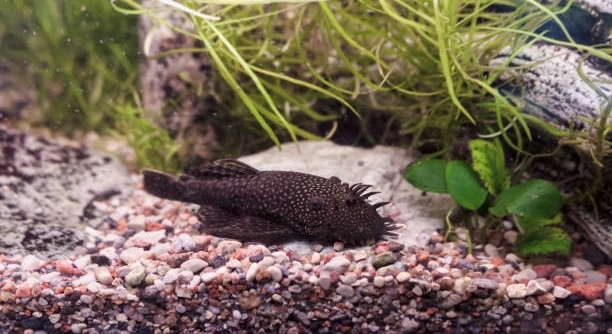
Do your plecos often swim around each other with bursts of sudden movement? Observing their interactions can leave you unsure if they are engaging in playful behavior or showing aggression. Understanding their body language is key.
Plecos display specific signals to differentiate play from fighting. Play often involves gentle nudges, short chases, and lack of prolonged injury, whereas fighting includes intense biting, flaring fins, and aggressive territorial displays. Recognizing these cues ensures proper aquarium management.
Identifying these subtle differences will help maintain harmony in your tank and promote healthier, more balanced interactions among your fish.
Recognizing Playful Behavior in Plecos
When observing plecos, playful interactions often appear light and brief. They may swim alongside each other, bump lightly, or chase without causing harm. Playful behavior rarely results in torn fins or visible injuries. Juvenile plecos especially display playful swimming patterns that seem energetic but controlled. Their movements are quick but not frantic, and they often return to normal resting spots after a short interaction. Watching for repeated gentle nudges or tail flicks can indicate they are exploring their environment together rather than asserting dominance. Play usually involves alternating roles, with one fish leading and the other following. Tanks with ample hiding spaces, driftwood, and plants help encourage safe play while reducing territorial disputes. By maintaining a balanced environment and observing how interactions unfold over time, owners can distinguish playful engagement from aggressive encounters, keeping stress levels low for all plecos.
Playful interactions are typically short, balanced, and leave both fish unharmed. They often repeat in cycles without escalation.
Providing sufficient space and enrichment ensures plecos can interact safely, promoting natural behaviors while preventing unnecessary stress or conflict. Observing these patterns helps manage group dynamics in the aquarium.
Identifying Aggressive Behavior in Plecos
Aggressive behavior is more intense and sustained than play.
Plecos showing aggression often flare their fins, bite, or chase persistently. This behavior is usually territorial, appearing when hiding spots or food resources are limited. Signs of aggression include ripped fins, visible scratches, or one fish dominating another consistently. Unlike play, aggressive interactions rarely alternate roles; one fish typically takes a dominant position. Stress responses may include hiding for extended periods or refusing to feed. Aggression can increase during tank overcrowding, poor water quality, or the introduction of new fish. Observing these behaviors early is critical to prevent injury or long-term stress. Providing separate areas, rearranging decorations, or isolating aggressive individuals can help manage tensions. Understanding environmental triggers, such as limited food access or insufficient hiding spots, is key to reducing conflict. Maintaining a stable, enriched environment supports healthier interactions and minimizes the risk of prolonged aggression among plecos.
Environmental Factors Affecting Pleco Behavior
Tank size and layout directly influence pleco interactions. Crowded tanks often lead to heightened aggression, while spacious tanks with ample hiding spots reduce tension and encourage natural behaviors.
Providing enough space and enrichment is essential. Plecos need caves, driftwood, and plants to establish territories and feel secure. Limited resources increase stress and provoke more frequent conflicts. Water quality also plays a role; poor conditions can heighten irritability and trigger aggressive responses. Observing behavior in relation to tank setup helps identify stressors. Adjusting decorations, adding hiding spaces, or increasing swimming areas often reduces aggressive encounters and promotes peaceful interactions. Monitoring these factors ensures a calmer and healthier environment for your fish.
Temperature and lighting can also influence pleco behavior. Sudden changes or inconsistent conditions may trigger defensive actions or stress. Maintaining stable parameters is critical to minimizing conflict and supporting overall health.
Feeding and Social Dynamics
Food availability can strongly impact pleco interactions, often escalating competition if resources are limited. Multiple feeding stations help reduce fights and ensure all fish get adequate nutrition.
Plecos display social hierarchies that affect their interactions. Dominant fish may guard preferred feeding spots or territories, while less assertive individuals avoid confrontation. Observing these dynamics allows adjustments, such as rearranging hiding spaces or adding extra food sources to minimize conflict. Social behavior varies by species; some are naturally more territorial, while others are more tolerant of group living. Balancing these social structures with environmental enrichment ensures fair access to resources, reduces stress, and encourages natural, non-aggressive interactions, supporting long-term health and harmony within the tank.
Common Warning Signs of Conflict
Torn fins, visible scratches, and persistent chasing are clear indicators of conflict among plecos. Stress behaviors, such as hiding for long periods or refusing food, also signal aggression.
Flaring fins, sudden lunges, and repeated dominance displays indicate ongoing territorial disputes. Observing these signs early helps prevent serious injury and stress within the tank.
Monitoring Pleco Interactions
Keeping a close eye on daily behavior helps distinguish play from aggression. Note changes in swimming patterns, chasing frequency, and fin displays. Consistent observation allows timely intervention before conflicts escalate and ensures all fish maintain a healthy, stress-free environment.
Adjusting Tank Conditions
Changing tank layout, adding hiding spots, or separating aggressive fish can reduce conflict. Proper management of resources and space keeps plecos calmer and minimizes stressful encounters.
FAQ
How can I tell if my plecos are playing or fighting?
Playful plecos usually swim around each other gently, alternate roles in chasing, and show no visible injuries. Fighting involves flaring fins, aggressive biting, and consistent dominance by one fish. Watching interactions over time is essential to identify patterns accurately.
What are the most common signs of pleco aggression?
Aggression often shows through torn fins, scratches, and persistent chasing. Dominant fish may guard territories, chase others away from hiding spots, or refuse to share food. Stress behaviors, like hiding for long periods or avoiding interaction, also indicate conflict.
Can tank size affect pleco behavior?
Yes, smaller or overcrowded tanks increase stress and provoke more frequent aggression. Larger tanks with adequate swimming space, hiding spots, and decorations allow plecos to establish territories safely and engage in natural behaviors, reducing conflict.
How many plecos can I keep together?
The number depends on tank size and species. Territorial plecos need more space per individual, while more tolerant species can share larger tanks. Overcrowding increases competition and stress, so monitoring interactions is important.
Do hiding spots really reduce aggression?
Absolutely. Caves, driftwood, and dense plants provide safe spaces, allowing fish to retreat when threatened. Hiding spots help weaker plecos avoid dominant individuals and reduce the frequency of direct conflicts.
Is feeding a factor in pleco fights?
Yes. Competition for food can trigger aggressive behavior. Providing multiple feeding stations and spreading food across the tank ensures all plecos have access, minimizing fights and promoting fair sharing.
Can water quality influence pleco interactions?
Poor water quality can increase irritability and stress, making aggression more likely. Stable parameters, regular water changes, and proper filtration help maintain a calm environment and encourage healthier interactions.
Should aggressive plecos be separated?
If fighting is severe or causing injury, separating aggressive individuals is necessary. Isolation prevents further harm and allows other plecos to recover. Reintroducing fish should only occur once conditions and tank space are adequate.
How do juveniles behave compared to adult plecos?
Juvenile plecos often play more actively, chasing without harm and engaging in gentle nudges. Adults are more territorial and assertive, making it easier to spot signs of true aggression versus playful behavior.
Can rearranging tank decorations help reduce fights?
Yes. Changing the layout can disrupt established territories, reduce tension, and give less dominant fish more room to explore safely. Regular adjustments help maintain balance among plecos.
Do pleco species differ in aggression levels?
Different species have varying tolerance levels. Some, like common plecos, are generally peaceful, while others, such as certain bristlenose varieties, are more territorial. Knowing your species helps anticipate behaviors and plan tank management accordingly.
How long does it take to recognize play versus aggression?
It may take days or weeks of observation. Play is consistent, gentle, and role-alternating, whereas aggression escalates, causes injury, and involves repeated dominance. Patience and attention to detail are key.
What is the best approach to prevent conflicts?
Provide ample space, hiding spots, multiple feeding areas, and stable water conditions. Observing interactions, understanding social hierarchies, and adjusting the environment as needed ensures peaceful coexistence among plecos and supports their health.
Are there signs that a pleco is stressed due to fighting?
Yes. Stress can show through hiding, reduced appetite, rapid breathing, and lethargy. Identifying these signs early allows intervention, preventing further injury or long-term health problems.
How can I encourage natural, non-aggressive behavior?
Balanced tank conditions, environmental enrichment, proper feeding routines, and careful monitoring of social interactions promote natural behaviors. Ensuring each pleco has its space reduces competition and supports a calmer, healthier community.
This FAQ addresses the most common concerns regarding pleco interactions, helping you manage your aquarium effectively and maintain harmony among your fish. By observing, adjusting, and providing a supportive environment, you can distinguish play from aggression and create a stable, stress-free habitat.
Word count: 526
Final Thoughts
Observing plecos in an aquarium can be both fascinating and challenging. Their behaviors often seem subtle, making it difficult to immediately tell if they are playing or fighting. By paying close attention to body language, chasing patterns, and interactions over time, it becomes easier to distinguish between gentle play and aggressive behavior. Playful plecos will often alternate roles, swim together without causing injury, and return to their resting spots without stress. Aggressive plecos, on the other hand, show consistent dominance, flare their fins, and may bite or chase other fish relentlessly. Understanding these differences is essential for maintaining a peaceful tank and ensuring all fish remain healthy. Regular observation helps identify potential issues early, preventing injuries and long-term stress that could affect the overall wellbeing of the aquarium environment.
Environmental factors play a significant role in pleco behavior. Tank size, layout, and the availability of hiding spots directly impact how plecos interact. Crowded tanks with limited resources are more likely to trigger aggression, while spacious tanks with multiple caves, driftwood, and plants encourage natural play and reduce conflict. Water quality and stable parameters also influence their mood and activity levels. Sudden changes in temperature or water conditions can make plecos irritable, leading to defensive or aggressive actions. Feeding routines and the number of food stations are equally important. Ensuring that each pleco has access to adequate nutrition minimizes competition and reduces fights over resources. By carefully arranging the environment and monitoring conditions, you can create a setting where plecos feel secure, exhibit natural behaviors, and interact safely with one another.
Social dynamics among plecos should not be overlooked. Different species vary in territoriality and tolerance toward tank mates. Some are naturally peaceful, while others require more space to establish their territories. Juvenile plecos often show more playful behavior, whereas adults may be more assertive and territorial. Understanding these social patterns allows for better management and reduces conflicts. When aggression occurs, interventions such as rearranging tank decorations, adding hiding spots, or temporarily separating individuals may be necessary. Observing fish behavior over time and adjusting tank conditions as needed supports a balanced social hierarchy and prevents prolonged stress. Maintaining stable, enriched conditions encourages natural, non-aggressive interactions and promotes the long-term health of your plecos, ensuring a calm and thriving aquarium environment.
Word count: 417

Hello,
If you enjoy the content that we create, please consider saying a "Thank You!" by leaving a tip.
Every little bit helps us continue crafting quality advice that supports the health, happiness, and well-being of pets around the world, for pets of all shapes, sizes, and species.
We really appreciate the kindness and support that you show us!