
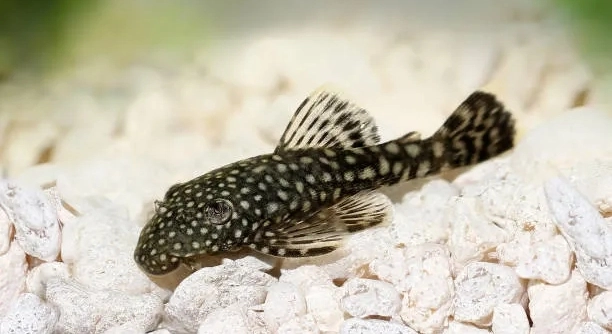
Do you ever notice your plecos hovering near the filter output, seemingly without purpose? Many aquarists see this behavior daily and wonder why their fish are so drawn to that specific spot in the tank.
Plecos hover over filter output primarily to access higher oxygen levels and water movement. This behavior supports their respiration and stimulates feeding instincts, as the flow often carries tiny particles of food and detritus essential to their diet.
Understanding this natural behavior can help you create a healthier environment and better interpret your pleco’s habits in the aquarium.
Understanding Water Flow Preference
Plecos are naturally drawn to areas with strong water movement. In the wild, these fish often inhabit riverbeds or streams where water flows continuously, providing a steady supply of oxygen. Hovering near the filter output in a home aquarium mimics these natural conditions. The constant current allows plecos to breathe efficiently while conserving energy. At the same time, the moving water carries small food particles, giving them easy access to nutrition without much effort. This behavior is not a sign of stress but rather an instinctual response that supports their overall health. Observing plecos near the output can also give insight into water quality. Fish tend to linger in areas with higher oxygen levels and cleaner water, suggesting the filter is performing well. Adjusting the tank setup, such as adding driftwood or rocks near the flow, can encourage natural behavior and provide a comfortable resting place for these fish.
Hovering near the filter output also helps plecos maintain their fins and body by exposing them to gentle currents that simulate their natural habitats.
Creating a tank environment that accounts for these needs improves both oxygen circulation and feeding efficiency. Placement of plants and hiding spots near the filter flow can replicate river-like conditions, keeping plecos active and content. In addition, observing how long they remain near the output can help gauge their health and comfort levels. Proper water temperature and movement reduce stress and prevent common issues such as fin rot or lethargy. By understanding this preference, aquarists can design aquariums that not only look appealing but also enhance the well-being of plecos. Consistent maintenance, including monitoring filter performance and water parameters, ensures the fish have access to the conditions they naturally seek. Overall, attention to these small details supports a thriving aquatic environment.
Feeding Behavior Near Filters
Plecos often feed near filter outputs because floating debris and particles accumulate there, providing a convenient food source without extra effort.
This feeding strategy is instinctive. In the wild, flowing water carries bits of detritus, algae, and microorganisms, which plecos can easily consume. In aquariums, filter output areas replicate this, giving them access to nutrients continuously. Observing their behavior allows aquarists to supplement diet appropriately, ensuring they receive enough vegetables, sinking pellets, or algae wafers. Overfeeding can be avoided, as plecos naturally forage along currents, consuming only what they need. In addition, the movement helps break down leftover food, preventing waste accumulation and improving water quality. Providing hiding places near the output encourages both feeding and resting in familiar patterns, reducing stress. This understanding can guide tank design, helping to balance water flow, oxygenation, and nutrition efficiently, creating a healthier, more stable environment for plecos and other tank inhabitants.
Common Misconceptions About Filter Behavior
Many assume plecos hover at filter outputs out of laziness or stress. In reality, it is a natural behavior linked to oxygen levels and water movement, not a sign of poor health or tank issues.
Plecos are instinctively drawn to currents because they provide a reliable source of oxygen and simulate natural river environments. The water flow also carries small particles of food, making it easier for them to feed efficiently. Observing this behavior is normal and indicates the fish is comfortable in its surroundings. Misinterpreting it as a problem can lead to unnecessary changes in tank setup or water flow. Understanding their natural preferences helps maintain a balanced environment and ensures proper care without disrupting established routines. Adjusting the filter output too drastically can create stress or interfere with their natural foraging patterns.
Hovering near the output also allows plecos to rest in a low-effort position while remaining alert to changes in their environment. This behavior balances energy conservation and survival instincts, demonstrating their adaptability to both wild and home settings.
Enhancing Tank Design for Plecos
Proper placement of driftwood, rocks, and plants near the filter output improves comfort and encourages natural behavior.
Arranging the tank to include resting areas near flowing water ensures plecos can hover without obstruction. Driftwood and rocks create shelter and surfaces for algae growth, supplementing their diet. Plants positioned around the output reduce stress while maintaining open water for swimming. Observing their movements helps determine optimal arrangement, allowing aquarists to fine-tune the environment for both oxygenation and feeding efficiency. Adjusting tank décor gradually prevents sudden changes that could unsettle the fish. In addition, regular filter maintenance ensures consistent flow, supporting long-term health and natural activity. By designing the tank around these preferences, plecos remain active, well-fed, and comfortable.
Identifying Preferred Flow Areas
Plecos tend to select spots where water flow is steady but not overwhelming. These areas provide enough movement for oxygen without causing fatigue, allowing the fish to hover comfortably for extended periods.
The edges of filter output streams often become prime resting zones. Fish naturally gravitate toward these sections because the current is strong enough to deliver oxygen and food particles, yet gentle enough to avoid constant struggle. Observing plecos in these areas gives insight into their preferred tank conditions and helps maintain a balanced environment. Proper flow management ensures fish remain healthy and display natural behaviors without unnecessary stress.
Monitoring Pleco Health Through Behavior
Changes in hovering patterns can indicate shifts in health or water quality. A pleco that suddenly avoids the filter output may be stressed, ill, or experiencing inadequate oxygen levels. Watching these behaviors closely allows timely intervention, such as adjusting water flow, performing partial water changes, or checking for disease symptoms. Regular observation helps maintain consistent tank conditions, as plecos often signal early signs of discomfort through subtle changes in positioning or activity. Noticing these signals early supports long-term health and prevents more serious problems from developing.
Adjusting Filter Output
Gradually modifying flow intensity ensures plecos remain comfortable while benefiting from water circulation.
FAQ
Why do plecos spend so much time at the filter output?
Plecos hover at filter outputs because these areas offer steady water movement and higher oxygen levels. This current mimics their natural habitats in rivers and streams, where flowing water supports respiration and food gathering. The moving water also carries small food particles, making it easier for them to feed without expending too much energy. Observing this behavior is normal and shows the fish is comfortable in the tank.
Is it harmful for plecos to stay near the filter all the time?
No, this behavior is generally safe. Plecos naturally seek currents for oxygen and feeding. Problems only arise if the flow is too strong, causing the fish to struggle, or if water quality is poor. Regular maintenance and monitoring flow intensity prevent stress or injury.
Can I reduce filter flow to make plecos move around more?
You can adjust flow gradually, but abrupt changes may stress plecos. They rely on the current for comfort and feeding, so minor modifications are best. Adding driftwood or rocks can redirect flow and provide resting spots without eliminating oxygenated water.
Why do plecos seem to “cling” near the output?
Clinging behavior is linked to energy conservation. The fish use minimal effort to remain in place while still accessing oxygen-rich water and food particles. Their suction mouth allows them to attach securely to surfaces, making it easier to hover near strong currents.
Do all pleco species prefer filter outputs?
Most pleco species enjoy areas with water movement, but the degree varies. Larger species may need stronger currents, while smaller or less active types prefer gentle flow. Observing individual preferences ensures each fish remains comfortable and healthy in the tank.
Could this behavior indicate poor water conditions?
Not necessarily. Plecos hovering near a filter often signals healthy oxygen levels. However, sudden changes in positioning or avoidance of the output could indicate water quality issues. Testing parameters like ammonia, nitrites, nitrates, and oxygen levels helps confirm tank health.
Should I provide additional hiding spots near the filter?
Yes. Adding rocks, driftwood, or plants near the output allows plecos to rest and feel secure while still benefiting from water flow. This setup supports natural behavior, encourages foraging, and reduces stress.
Do plecos feed more efficiently near the filter output?
Yes, because small food particles are carried by the current. The flow distributes bits of detritus, algae, or leftovers, allowing plecos to feed continuously with minimal effort. Observing their behavior can help determine if supplemental feeding is needed to maintain proper nutrition.
Is hovering behavior a sign of stress or boredom?
Not in most cases. Hovering is instinctual, linked to oxygenation and feeding. Stress may be indicated only if the fish is lethargic, hiding excessively, or avoiding normal resting areas. Proper water flow and tank design reduce the risk of stress-related behavior.
How can I optimize my tank for pleco comfort near the filter?
Maintain steady flow, clean the filter regularly, and provide resting spots close to the output. Incorporate driftwood, rocks, and plants to mimic natural habitats. Regularly monitor water parameters to ensure adequate oxygen and cleanliness, allowing plecos to hover safely and feed naturally.
Do plecos ever leave the filter area voluntarily?
Yes. Plecos explore the tank, forage for food, and rest in other locations. Hovering is often a routine but not exclusive behavior. Observing movement patterns helps aquarists understand their individual preferences and ensure a well-balanced environment.
Can other fish affect pleco behavior at the output?
Yes. Aggressive or territorial species may force plecos to adjust their position or resting areas. Ensuring adequate space and hiding spots reduces competition and allows plecos to maintain natural hovering habits without conflict.
Should I adjust feeding based on plecos’ hovering habits?
Monitoring how often plecos feed near the output helps determine if additional food is necessary. Providing sinking pellets, vegetables, or algae wafers supplements their diet while preventing overfeeding and maintaining water quality.
How often should I check filter performance for plecos?
Regular inspection, at least weekly, ensures consistent flow and proper oxygenation. Cleaning the filter and checking output strength supports plecos’ natural behavior, keeps water clean, and prevents unexpected stress or health issues.
Do plecos prefer certain heights in the water column near the filter?
Yes. They often hover slightly above the substrate, where water movement is moderate and food particles are carried effectively. Adjusting decorations and flow paths can optimize this preferred height, ensuring comfort and consistent feeding opportunities.
Can hovering near the output prevent disease?
While it doesn’t directly prevent disease, consistent oxygenation and water movement reduce stress and lower the risk of infections. Healthy water conditions support immune function and overall pleco well-being, making filter output areas a beneficial location for these fish.
Are plecos more active at certain times near the filter?
Plecos often increase activity during feeding times or when water temperature is optimal. They may also rest near the output during the day, balancing energy conservation with oxygen access. Observing patterns helps maintain a schedule that aligns with their natural rhythm.
Is filter placement important for multiple plecos in one tank?
Yes. Multiple plecos may compete for prime flow areas. Strategically positioning multiple outputs or creating zones with moderate currents ensures each fish has access to oxygenated water and food particles without conflict, promoting harmony and healthy behavior.
How do I know if my pleco is comfortable at the filter output?
A comfortable pleco hovers steadily without signs of struggle, feeds efficiently, and occasionally moves to explore other areas. Sudden avoidance, frantic swimming, or frequent hiding may indicate adjustments are needed in flow, tank setup, or water quality.
Can hovering near the output replace other tank enrichment?
No, while beneficial for oxygen and feeding, plecos also require hiding spots, surfaces for algae growth, and occasional exploration areas. Combining proper flow with enrichment creates a balanced environment that meets their physical and behavioral needs.
Does water temperature affect hovering behavior?
Yes. Plecos prefer stable, moderate temperatures. If water becomes too cold or too warm, they may alter their hovering habits, reduce activity, or seek alternative areas in the tank. Maintaining a consistent temperature supports natural behavior and overall health.
What adjustments help plecos hover safely with strong filter flow?
Adding rocks, driftwood, or plants to break the current helps plecos maintain position without constant effort. Gradually reducing output strength or redirecting flow can also prevent fatigue while preserving oxygen levels and food availability.
Can hovering at the output indicate readiness for breeding?
In some cases, healthy plecos will hover in areas with consistent flow as part of natural breeding behaviors. However, additional cues such as nest building or territorial activity are more reliable indicators. Observing multiple behaviors together provides clearer insight.
Are there alternatives to filter output for oxygenation?
Yes, air stones, circulation pumps, or multiple filters can provide oxygen-rich areas elsewhere in the tank. These alternatives reduce pressure on a single location, giving plecos choices for comfort, feeding, and resting without disrupting natural behavior.
How long do plecos typically hover near the output?
Time varies based on species, tank conditions, and activity levels. Some may spend most of the day hovering, while others alternate between exploration and resting spots. Consistent observation helps gauge what is normal for each individual.
Does tank size influence hovering behavior?
Yes. Larger tanks may provide multiple areas with optimal flow, while smaller tanks concentrate plecos near a single output. Adjusting decorations and flow distribution ensures all fish have access to oxygen-rich, comfortable areas.
Can hovering behavior be used to monitor tank health?
Yes. Steady, normal hovering indicates proper oxygenation, flow, and water quality. Sudden changes, avoidance, or frantic movements can signal issues, prompting checks of filter performance, water parameters, and overall tank conditions.
Is hovering near the output a sign of dominance?
Not typically. Plecos hover primarily for oxygen and feeding efficiency. Dominance behaviors are more evident during breeding or territorial disputes. Observing interactions among tank mates helps distinguish natural flow preferences from competitive behavior.
How does lighting affect hovering near the filter?
Plecos are often more comfortable in subdued lighting. Bright lights may encourage them to hide or avoid certain areas. Placing the output near shaded zones or adding floating plants creates a more inviting space while maintaining water movement and oxygenation.
Do juvenile plecos exhibit the same behavior as adults?
Yes, though younger fish may prefer gentler currents and smaller resting spots. Observing juveniles ensures they have safe areas to hover without struggle, supporting growth, feeding, and natural behavior development.
Can hovering behavior help with algae control?
Indirectly. By feeding on particles near the output, plecos consume some algae and detritus. While not a complete solution, their activity contributes to maintaining cleaner surfaces and reducing excess waste in the tank.
What signs indicate plecos are stressed despite hovering?
Signs include frantic swimming, loss of appetite, frequent hiding, or clamped fins. Even if they hover, these behaviors suggest water flow, oxygen, or other environmental factors need adjustment to maintain health and comfort.
Does filter output direction matter for plecos?
Yes. Angling flow toward open areas allows them to hover without constant struggle. Direct streams into corners or confined spaces may force awkward positions, causing fatigue. Adjusting direction ensures efficient oxygenation and comfort.
How often should I observe plecos at the filter?
Daily observation helps detect changes in behavior, feeding, or comfort. Small shifts can indicate water quality issues, illness, or stress, allowing prompt corrective measures before more serious problems arise.
Can hovering help plecos stay healthy during temperature fluctuations?
Hovering in oxygen-rich water can reduce stress during mild temperature changes. However, extreme fluctuations require intervention, such as heaters or chillers, to maintain stability and prevent health complications.
Are plecos more likely to hover after feeding?
Yes, the output area carries food particles, making it attractive immediately after feeding. This behavior ensures efficient consumption and minimal waste, while also supporting energy conservation and natural foraging instincts.
Do plecos communicate through hovering behavior?
Indirectly. Positioning and movement can signal comfort, dominance, or readiness to breed. Observing subtle changes among multiple fish provides insight into social interactions and environmental suitability.
How does water hardness affect hovering near the filter?
Plecos are sensitive to extreme water hardness. Optimal conditions support consistent hovering behavior, while unsuitable hardness may cause avoidance of strong currents or decreased activity, highlighting the need for careful parameter management.
Can hovering indicate preparation for molting or growth?
Yes. During growth phases, plecos may stay near oxygen-rich water to conserve energy while feeding efficiently. Observing these patterns helps anticipate developmental needs and adjust nutrition or tank setup accordingly.
Does tank décor near the filter affect hovering behavior?
Yes. Smooth surfaces, driftwood, and rocks provide secure resting areas and feeding surfaces. Poorly arranged décor may discourage hovering, increase stress, or reduce access to food particles carried by the current.
How long should plecos be left undisturbed near the filter?
Plecos benefit from extended periods of minimal disturbance. Frequent interference can cause stress and disrupt natural hovering behavior, while quiet, stable conditions promote health, feeding efficiency, and natural activity patterns.
Are plecos more likely to hover in freshwater versus brackish setups?
Freshwater conditions are ideal for most plecos, supporting natural oxygenation and feeding behaviors. Brackish setups may require careful monitoring to ensure flow and oxygen levels remain suitable, as excessive salinity can alter behavior or health.
Do plecos ever compete for filter output areas?
Yes, particularly in smaller tanks or with multiple fish. Observing interactions helps ensure all plecos have access to comfortable flow areas. Adding extra outputs or hiding spots can reduce conflict and maintain a healthy environment.
Can hovering behavior change with age?
Yes. Younger plecos may hover less consistently, while adults often establish routines near flow areas. Observing these changes helps adjust feeding, flow, and tank design to meet evolving needs over time.
Do plecos prefer certain surfaces at the output?
Yes. Smooth or slightly textured surfaces allow them to attach and hover securely. Driftwood, rocks, and aquarium décor with gentle texture provide ideal resting and feeding areas while maintaining access to current and oxygen.
Can hovering behavior help with tank filtration efficiency?
Indirectly. By foraging and moving near the output, plecos help stir particles and prevent accumulation in stagnant areas. This complements mechanical filtration and reduces localized waste buildup, supporting overall tank cleanliness.
Is hovering more common in certain tank sizes or shapes?
Yes. Long or narrow tanks may concentrate flow areas, increasing hovering at outputs. Larger tanks with multiple flow zones allow more choice, encouraging natural movement patterns while reducing stress and competition.
How do seasonal changes affect hovering behavior?
Temperature, lighting, and feeding patterns can shift seasonally, altering how and when plecos hover. Monitoring these changes helps maintain consistent care and ensures oxygenation and feeding needs are met throughout the year.
Does tank population density influence hovering?
Yes. Higher densities may increase competition for prime flow spots. Ensuring adequate space, multiple outputs, and hiding places reduces stress and allows plecos to maintain natural behavior without conflict.
Can hovering behavior indicate readiness for tank cleaning?
Indirectly. Active hovering suggests fish are comfortable and water parameters are stable. Sudden avoidance or agitation may signal issues, indicating the need for water changes, debris removal, or filter maintenance to maintain optimal conditions.
Are plecos more active near vertical filter outputs or horizontal flows?
Most plecos prefer horizontal flows where they can hover and feed comfortably. Vertical currents can be used but may require additional resting surfaces or gentle deflection to prevent fatigue while maintaining oxygenation.
Do plecos use filter output areas for social interaction?
Yes. Multiple plecos may hover in proximity to communicate, establish territories, or forage collectively. Observing interactions provides insight into social behavior and helps manage tank dynamics effectively.
How can I track hovering patterns effectively?
Recording observations at different times of day, noting flow preferences, feeding times, and interactions helps understand individual habits. This data supports tank adjustments, ensures comfort, and aids in detecting early signs of health issues.
Can hovering near the filter improve pleco lifespan?
Maintaining oxygen-rich, stable environments reduces stress and supports proper feeding, which contributes to overall health and longevity. Consistent observation and care ensure plecos thrive and display natural behaviors safely.
What adjustments help plecos adapt to new filters or outputs?
Introduce gradual changes, maintain familiar décor, and monitor flow strength. Allowing time for acclimation ensures plecos remain comfortable and continue to hover naturally without stress or avoidance.
Does hovering near the output correlate with breeding behavior?
In some species, consistent use of oxygen-rich areas may coincide with readiness to breed. Observing additional cues, like nest preparation or increased territoriality, provides clearer insight into reproductive activity.
Are there signs plecos are overstimulated by filter flow?
Yes. Constant struggle, clamped fins, or frantic swimming indicate excessive flow. Adjusting output strength or providing sheltered areas allows fish to hover comfortably while still benefiting from water movement and oxygenation.
How important is water clarity for hovering behavior?
Clear water ensures plecos can see food particles and safe resting areas. Poor clarity may reduce hovering efficiency, discourage feeding, or cause stress, emphasizing the need for regular maintenance and proper filtration.
Do plecos prefer new or established filters for hovering?
Established filters often provide consistent flow and oxygen levels, making them more attractive. New filters may require a break-in period before plecos fully adapt and begin hovering comfortably in those areas.
Can hovering behavior indicate adaptation to a new tank?
Yes. Once plecos begin consistently hovering near filter outputs, it signals comfort and acclimation. Observing gradual changes in positioning helps confirm they have settled into the environment and are thriving.
Is hovering influenced by tank water flow patterns?
Absolutely. Plecos select areas where currents provide optimal oxygen and food access. Uneven or turbulent flow may discourage hovering, while consistent, gentle currents promote natural behavior and well-being.
Do plecos prefer constant or fluctuating flow near the output?
They favor steady flow, which supports respiration, feeding, and energy conservation. Fluctuating currents can cause stress, reduce feeding efficiency, and interfere with natural resting habits. Steady output ensures comfort and consistent oxygenation.
How does filter maintenance impact hovering behavior?
Regular cleaning and performance checks maintain consistent flow, oxygenation, and particle distribution. Neglecting maintenance may reduce water quality, discourage hovering, and affect feeding efficiency, highlighting the importance of routine care.
Are plecos more likely to hover in planted or bare tanks?
Planted tanks provide shaded, sheltered areas near the output, making hovering more comfortable. Bare tanks may limit resting options, causing fish to expend more energy to maintain position or avoid overly strong currents.
Can hovering behavior vary between individual plecos?
Yes. Individual personality, size, and species affect flow preference, duration, and location. Observing each fish ensures the tank accommodates unique needs, balancing oxygenation, feeding, and resting spaces for all inhabitants.
Do plecos prefer certain substrate types near the filter?
Smoother or slightly textured substrates allow secure attachment and resting. Sharp or unstable substrates may discourage hovering or cause discomfort, emphasizing the importance of matching substrate to species needs.
Is hovering behavior more common in community tanks or species-only setups?
Both setups exhibit hovering, but community tanks may involve additional competition or stressors. Providing multiple flow zones and resting spots ensures comfort regardless of tank composition, supporting natural behavior and health.
Can hovering behavior help with tank cleaning routines?
Observing plecos near outputs provides insight into areas of debris accumulation and water movement efficiency. This behavior can guide cleaning schedules and placement of mechanical or biological filtration to maintain optimal conditions.
Do plecos adjust hovering height based on tank activity?
Yes. Increased movement from other fish may cause plecos to hover higher or in calmer areas. Understanding these adjustments helps design tanks that accommodate both activity and comfort simultaneously.
Are plecos more likely to hover in certain seasons or months?
Activity and hovering may increase during warmer months or periods of higher feeding. Monitoring seasonal patterns helps maintain optimal care and ensures consistent access to oxygen and food near the filter output.
Can hovering behavior indicate diet sufficiency?
Yes. Fish consistently feeding near the output are likely accessing enough nutrition from particles carried by the current. Sudden avoidance may indicate a need to supplement with sinking pellets, vegetables, or algae wafers.
Does tank cover or lid affect hovering behavior?
Covers that reduce light intensity or create shaded zones near the output encourage hovering. Open or overly bright tanks may cause plecos to hide elsewhere, altering natural positioning and feeding efficiency.
Can hovering behavior be used to teach new caretakers about pleco needs?
Observing consistent hovering patterns highlights oxygen, feeding, and resting requirements. Sharing these behaviors provides a clear guide for tank maintenance, flow management, and enrichment practices
Final Thoughts
Observing plecos hover near the filter output offers valuable insight into their natural instincts and needs. This behavior is primarily driven by the availability of oxygen, the convenience of food particles carried by the flow, and the comfort of resting in a steady current. In many cases, what may appear as idle behavior is actually a carefully chosen position that allows plecos to conserve energy while staying alert to their surroundings. Understanding this instinctive pattern can help aquarists maintain healthier tanks and create environments that support natural behavior. Consistent observation of these habits allows caretakers to notice subtle changes that may indicate stress, illness, or water quality issues before they become serious. By paying attention to where and how long plecos hover, it is possible to adjust tank setup, flow, and feeding practices to better suit their needs.
Creating a tank environment that supports this behavior is straightforward but requires thoughtful planning. Ensuring the filter output is strong enough to provide oxygen and carry food particles without overwhelming the fish is a key factor. Adding driftwood, rocks, and plants around the flow can provide secure resting spots and surfaces for algae growth, which contributes to their diet. Proper tank layout not only encourages hovering behavior but also reduces stress by giving plecos multiple options for feeding and resting. In community tanks, providing several areas with moderate flow ensures all fish have access to oxygenated water without competition. Regular maintenance of filters and careful monitoring of water parameters, including temperature, pH, and cleanliness, will enhance the effectiveness of these setups. Supporting these behaviors does not require complex interventions but benefits the fish significantly in terms of health and comfort.
Finally, recognizing and respecting hovering behavior helps improve the overall well-being of plecos. Rather than viewing it as a problem or sign of laziness, it should be seen as a reflection of their natural preferences. Providing stable, oxygen-rich water, secure resting surfaces, and sufficient feeding opportunities allows plecos to thrive. Observing these patterns also strengthens understanding of their daily routines, making it easier to identify when something is out of the ordinary. The combination of proper tank design, attentive maintenance, and awareness of plecos’ needs creates a healthier, more balanced aquarium. Over time, caretakers will find that supporting these natural behaviors results in more active, well-fed, and content fish, highlighting the importance of designing aquariums around the instinctual habits of plecos rather than trying to alter them. By focusing on their comfort and natural instincts, aquarists can maintain a thriving aquatic environment that encourages long-term health and stability.

Hello,
If you enjoy the content that we create, please consider saying a "Thank You!" by leaving a tip.
Every little bit helps us continue crafting quality advice that supports the health, happiness, and well-being of pets around the world, for pets of all shapes, sizes, and species.
We really appreciate the kindness and support that you show us!