
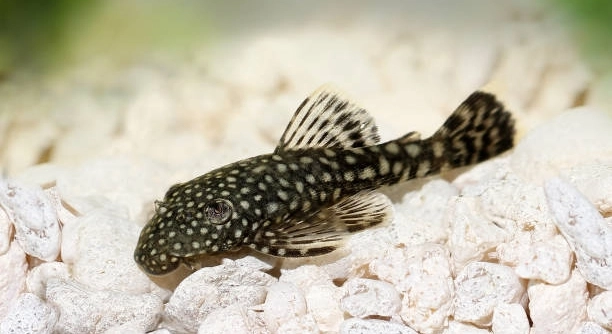
Have you ever noticed your Bristlenose Pleco spending a lot of time hiding during the day? These peaceful freshwater fish have unique habits and needs that often surprise new aquarium owners. Light levels can influence their comfort.
Bristlenose Plecos can receive too much light, which may stress them and disrupt their natural behavior. Excessive brightness can affect their feeding patterns, resting periods, and overall health, making careful light management essential for a thriving aquarium environment.
Adjusting light exposure is simple yet important for these fish. Maintaining a balanced environment supports their health and encourages natural behaviors that keep your aquarium lively and harmonious.
How Light Affects Bristlenose Plecos
Bristlenose Plecos are nocturnal by nature, which means they are more active at night and prefer dim environments during the day. Too much light can make them hide constantly, reducing their chances to feed properly and explore their tank. Bright lighting may also stress them, causing slower growth or weaker immunity. In tanks with strong overhead lights or prolonged daylight hours, these fish may retreat to caves, driftwood, or shaded corners, avoiding the open areas. It’s important to provide hiding spots like plants, ornaments, or PVC pipes where they can feel secure. Adjusting the lighting schedule can help; for instance, using a timer to mimic natural day and night cycles allows the Pleco to adapt better. Soft or indirect lighting is generally preferred. Watching their behavior over a few weeks can give clear signs if the light levels are suitable or need adjustment.
Controlling light exposure keeps Plecos active and healthier. They thrive in environments that respect their nocturnal habits.
By setting up shaded areas and using a lower-intensity aquarium light, you help Bristlenose Plecos feel comfortable. Observing them for periods of constant hiding or reduced feeding can indicate stress. If the tank is too bright, they may also show faded coloration, which is a sign that adjustments are needed. Gradually reducing light intensity or shortening daily light hours can improve their overall behavior. Natural decorations, floating plants, or dim LED lights can make a noticeable difference in creating a safe environment. Monitoring their activity ensures they are feeding well and maintaining good health. Light affects not just their mood but also algae growth, which is a food source. Striking the right balance benefits both the fish and the tank ecosystem, promoting harmony and stability.
Signs of Excessive Light
Constant hiding, lethargy, or dull coloring are signs Plecos may be stressed from too much light.
Noticing these behaviors early allows for quick intervention to restore comfort. Reducing light exposure, adding shaded areas, and ensuring a proper day-night cycle can reverse stress. Plecos may gradually return to normal activity, feeding more actively, and displaying brighter colors once adjustments are made. Proper lighting management prevents long-term health issues, supporting their natural nocturnal behavior. Observing these subtle signs helps you create a healthier, more balanced tank. Continuous monitoring and small changes are usually enough to maintain a suitable environment for Bristlenose Plecos.
Adjusting Light Levels
Reducing light intensity helps Bristlenose Plecos feel secure. Using dimmers, floating plants, or shaded areas allows them to explore without stress. Gradual changes prevent sudden shocks that could affect feeding and overall health.
Monitoring the fish during and after adjusting light is key. Start by lowering overhead lights or shortening the daily lighting period. Observe if the Plecos become more active and feed regularly. Introducing hiding spots like caves, driftwood, or dense plants encourages them to leave shelters and maintain natural behavior. Avoid abrupt shifts, as these can trigger stress and make them hide continuously. Balance is critical, ensuring the tank remains visually appealing without overwhelming the Plecos. Adjustments may take days or weeks, depending on tank size, light type, and Pleco numbers. Keeping a consistent light schedule supports their nocturnal rhythm.
Changing lighting is only one step. Water quality, tank layout, and tank mates also influence how Plecos respond. Combining these factors with proper light management creates a calmer, healthier environment. Gradual tweaks let you see what works best without shocking the fish.
Choosing the Right Lighting
Soft LED lights or adjustable fixtures reduce stress. Timers help maintain a consistent day-night cycle for Plecos.
Choosing lighting that mimics natural conditions benefits both fish and plants. Low-intensity or shaded lighting encourages Plecos to feed and explore. Using a timer ensures the aquarium maintains a regular cycle, preventing overexposure. Natural colors, avoiding overly bright or harsh lights, reduce stress and maintain vibrant Pleco coloration. Floating plants and ornaments add shadows, giving Plecos comfort zones. LEDs are energy-efficient and easy to adjust, making them ideal for this setup. Correct lighting supports algae growth for grazing, but excessive brightness can cause overgrowth and stress the fish. Observing behavior helps determine if further adjustments are needed.
Adjustable lights allow experimentation with intensity and duration. Combining dim lighting, shaded areas, and a reliable timer encourages Plecos to exhibit natural behaviors. Avoid fluorescent or overly bright fixtures directly above the tank, as these can create continuous exposure and hide activity. Monitoring Pleco reactions over weeks shows whether the lighting is appropriate. Using plants or driftwood to diffuse light creates a more natural environment, helping the fish feel secure. Correct lighting also reduces tank algae problems while supporting healthy nocturnal habits. By testing small adjustments, you create a stable, comfortable habitat for long-term Pleco wellbeing.
Ideal Light Duration
Keeping aquarium lights on for about 8 to 10 hours daily suits Bristlenose Plecos. This timeframe balances their need for rest and activity, preventing stress and encouraging natural behavior patterns.
Extending light beyond 10 hours can lead to hiding, reduced feeding, and dull coloration. Shortening light too much may hinder algae growth, a food source. Maintaining consistency is key, using timers if possible, to ensure a stable day-night cycle that aligns with their nocturnal habits.
Providing Shaded Areas
Adding plants, caves, or driftwood creates essential hiding spaces. Plecos rely on these to feel safe during bright periods, which reduces stress and encourages normal behavior.
Monitoring Pleco Behavior
Watch for changes in activity, feeding, and coloration. Increased hiding or lethargy signals light adjustments are needed to support their health.
Using Natural Light Wisely
Indirect sunlight can benefit the tank but avoid direct exposure. Excess sunlight heats the water and causes algae spikes, which may stress Plecos and affect tank balance.
FAQ
Can Bristlenose Plecos adapt to bright tanks?
Bristlenose Plecos naturally prefer dim environments, so bright tanks often make them hide more. They can adapt slowly if gradual adjustments are made, such as adding shaded areas, floating plants, or dimming the lights. Sudden exposure to strong light usually causes stress and reduced feeding.
How long should I leave aquarium lights on for Plecos?
A daily period of 8 to 10 hours works best. This allows Plecos to follow a natural day-night rhythm, encourages normal feeding, and prevents stress. Using timers ensures consistency, which helps Plecos feel secure and maintains a balanced ecosystem.
Are LED lights safe for Bristlenose Plecos?
Yes, soft or adjustable LED lights are ideal. They are energy-efficient, easy to control, and can mimic natural lighting conditions. LEDs also produce less heat, reducing the risk of water temperature fluctuations that could stress Plecos.
Do Plecos need shaded areas even with proper lighting?
Yes, shaded areas are essential. Driftwood, caves, and plants give Plecos places to hide and rest. Even with dim lighting, they appreciate shelters to feel secure. Without these spaces, Plecos may hide excessively or become lethargic.
Can too much light affect Pleco health?
Excessive light can stress Plecos, cause color fading, and reduce appetite. Over time, stress weakens immunity, slows growth, and alters behavior. Maintaining moderate light intensity and providing shaded areas helps prevent these problems.
Is natural sunlight good for Plecos?
Indirect sunlight is fine but direct sunlight can heat the water and cause algae overgrowth. Too much sunlight increases stress and reduces comfort, so it’s best to place the tank away from direct rays. Controlled artificial light is safer for stability.
How can I tell if my Pleco is stressed by light?
Signs include constant hiding, reduced feeding, faded coloration, and less activity. Monitoring behavior over several days helps identify if adjustments are necessary. Gradual changes in light intensity or duration can relieve stress.
Do Plecos benefit from a day-night light cycle?
Yes, a consistent day-night cycle is crucial. Plecos are nocturnal and need darkness to rest properly. Timers can help maintain this rhythm, promoting natural activity, feeding, and overall health.
Can adding plants help manage light exposure?
Absolutely. Floating plants or tall plants create natural shade, soften light, and provide hiding spots. This improves comfort and reduces stress, while also supporting a healthier tank ecosystem.
What should I do if my Pleco hides all the time?
Evaluate light levels first. If the tank is too bright, reduce intensity and provide more shaded areas. Check water quality and tank conditions as well, since stress can be compounded by other environmental factors. Gradual adjustments help Plecos regain normal behavior.
Are there lights to avoid for Plecos?
Very bright fluorescent lights or high-intensity spotlights can be harmful. These lights often create continuous exposure, which stresses Plecos. Dimmable LEDs or soft lighting are safer, allowing for a more natural environment.
Does light affect algae growth for Plecos?
Yes, light influences algae, which is part of their diet. Too much light can cause overgrowth, while too little may reduce food availability. Balancing light ensures Plecos have enough algae to graze on without overwhelming the tank.
Can Plecos adjust to sudden changes in light?
Sudden changes usually stress them. Gradual adjustments, adding shaded areas, and monitoring behavior are safer ways to help Plecos acclimate to new lighting conditions. Abrupt changes can lead to hiding, reduced feeding, and color fading.
How important is observing behavior for light management?
Very important. Pleco behavior is the best indicator of light comfort. Watching activity, hiding, feeding, and coloration helps determine whether the current setup meets their needs. Adjustments based on observation create a healthier and calmer environment.
What’s the best combination of light and habitat for Plecos?
Soft, dim lighting combined with hiding spots like caves, driftwood, and plants works best. A consistent 8–10 hour light cycle with shaded areas supports natural behavior, feeding, and long-term health. Monitoring and small adjustments ensure the Plecos stay comfortable.
This FAQ covers practical advice to manage light for Bristlenose Plecos, balancing their nocturnal habits with tank aesthetics, comfort, and health. By observing behavior and adjusting gradually, these fish can thrive in a stable, well-lit environment without stress.
Word count: 519
Final Thoughts
Bristlenose Plecos are gentle, nocturnal fish that thrive when their environment meets their natural habits. Light plays a key role in their comfort and health. Too much light can stress them, making them hide constantly or reduce feeding. Even if your tank looks bright and lively, Plecos may prefer dimmer spots. Creating shaded areas with driftwood, caves, or plants allows them to explore and rest without fear. Observing their behavior is the most reliable way to know if they are comfortable. If they are hiding excessively, showing faded colors, or avoiding food, it often indicates the lighting or tank setup needs adjustment. Small changes, like reducing light intensity or shortening the daily light period, can have a noticeable positive effect on their wellbeing.
Consistency is also very important for Plecos. They naturally follow a day-night cycle, so maintaining a regular light schedule helps them feel secure. Using timers to control lights ensures the fish experience a predictable routine. Soft or adjustable LED lights are usually the safest option because they produce less heat and can mimic natural conditions without overwhelming the tank. In addition to lighting, other environmental factors such as water quality, temperature, and tank mates can influence how Plecos respond to light. Even the healthiest tank can stress Plecos if lighting is too intense or inconsistent. Combining moderate light with proper hiding spaces and a stable day-night rhythm supports their natural behavior, encourages regular feeding, and helps maintain vibrant coloration.
Creating a comfortable environment for Bristlenose Plecos doesn’t have to be complicated. By carefully observing how they interact with light, providing shaded areas, and using a consistent schedule, you can significantly improve their quality of life. Balancing natural habits with tank aesthetics ensures they remain active and healthy while contributing to a stable aquarium ecosystem. Plecos benefit from gradual adjustments, allowing them to adapt without stress. Over time, you will notice them exploring more freely, feeding consistently, and displaying brighter colors, which are signs of a healthy, well-adjusted fish. Thoughtful lighting management, paired with proper habitat and care, ensures that Bristlenose Plecos can thrive while maintaining a harmonious environment in your tank.
Word count: 408

Hello,
If you enjoy the content that we create, please consider saying a "Thank You!" by leaving a tip.
Every little bit helps us continue crafting quality advice that supports the health, happiness, and well-being of pets around the world, for pets of all shapes, sizes, and species.
We really appreciate the kindness and support that you show us!