
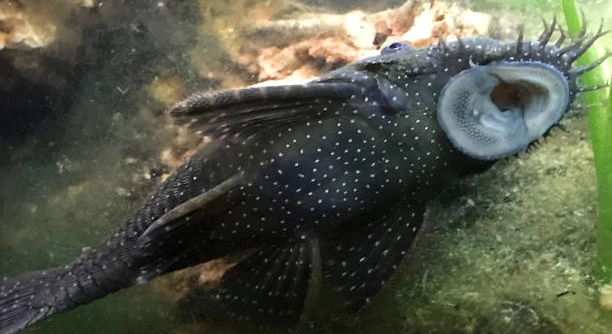
Have you ever found yourself watching your Bristlenose Pleco during feeding time, wondering if it actually enjoys nibbling on floating food at the surface?
Bristlenose Plecos generally prefer sinking food over floating food because they are bottom-dwellers by nature. Their feeding habits are adapted to grazing on algae, plant matter, and sinking pellets found along the tank floor, rather than chasing food at the surface.
Understanding their natural feeding behavior can help you create a more suitable diet and feeding routine that keeps your Bristlenose Pleco healthy and satisfied.
Why Bristlenose Plecos Prefer Sinking Food
Bristlenose Plecos spend most of their time near the bottom of the aquarium, where they naturally graze on algae and leftover food. Their mouths are designed for scraping surfaces, not for grabbing food floating on the surface. Floating food often goes uneaten because it doesn’t fit into their natural feeding behavior. These fish feel more comfortable searching for food along rocks, plants, and driftwood, mimicking their wild feeding habits. By offering sinking pellets or wafers, you can ensure they receive proper nutrition and feel more at ease during feeding time. It also helps prevent competition with top-feeding fish, reducing stress. A diet suited to their habits not only keeps your Bristlenose Pleco healthy but also supports a cleaner tank environment.
Feeding habits are deeply connected to a fish’s instincts, and understanding this makes caring for Bristlenose Plecos simpler and more rewarding.
Providing the right type of sinking food encourages natural feeding behaviors and prevents nutritional issues. Balanced meals consisting of algae wafers, blanched vegetables, and occasional protein-rich treats help maintain good health and growth. Floating food often breaks apart, clouding the water and lowering its quality. Choosing the correct feeding approach reduces waste and improves the overall balance of the tank. Observing your Pleco as it forages at the bottom can also be quite relaxing, giving you a better appreciation for its calm and methodical nature. When properly cared for, Bristlenose Plecos contribute to a healthy, stable aquarium that thrives with minimal problems.
Best Food Options for Bristlenose Plecos
Bristlenose Plecos thrive on a diet rich in plant matter, which mirrors their natural feeding habits in the wild.
A balanced diet for Bristlenose Plecos should include high-quality sinking algae wafers as a daily staple. These wafers provide essential nutrients and mimic their natural grazing behavior. Supplement their diet with blanched vegetables like zucchini, cucumber, or spinach a few times a week. These foods are easy for them to digest and help promote healthy growth. You can also offer occasional protein sources, such as sinking shrimp pellets or small pieces of bloodworm, to support their overall strength. Avoid overfeeding, as leftover food can quickly foul the water and harm water quality. Maintaining a consistent feeding schedule and cleaning up uneaten food helps your Pleco stay healthy and your tank remain clear. By paying attention to their diet, you’ll notice your Pleco’s vibrant color, strong bristles, and steady growth over time.
Feeding Tips to Keep Your Bristlenose Pleco Healthy
Feed your Bristlenose Pleco at night or during low light hours since they are more active after dark. This timing helps ensure they get enough food without competing with faster, surface-feeding fish in the tank.
When feeding, make sure the food reaches the bottom where your Pleco can find it easily. Placing sinking pellets near hiding spots or driftwood can encourage natural feeding behavior. Avoid overfeeding, as excess food can quickly decay and affect water quality. Rotate their meals to include vegetables, algae wafers, and occasional protein sources. Consistency in feeding time and portion size supports stable digestion and prevents stress-related issues that may arise from irregular feeding habits.
Monitoring your Pleco’s eating patterns helps you notice any health changes early. If it becomes less active or stops eating, check the water conditions and food quality. Proper diet and clean water go hand in hand for maintaining a healthy Pleco.
How Floating Food Affects Tank Conditions
Floating food often breaks down faster than sinking pellets, releasing oils and particles that cloud the water. Over time, this can lead to an increase in ammonia and nitrate levels, putting stress on your aquarium’s ecosystem.
When food remains uneaten at the surface, it encourages bacteria growth and lowers oxygen levels. Plecos, being bottom-dwellers, rarely consume floating bits, so much of it ends up decaying before it ever reaches them. This not only dirties the tank but can also affect the balance of beneficial bacteria that keep your aquarium healthy. Regularly removing floating leftovers and sticking to sinking food helps maintain water clarity, reduces odor, and supports your fish’s wellbeing. With these simple adjustments, your tank stays cleaner, and your Bristlenose Pleco enjoys a healthier, more natural environment.
Signs Your Bristlenose Pleco Isn’t Eating Properly
A Pleco that ignores food, hides constantly, or becomes less active may not be eating well. You might also notice weight loss, a thinner body, or duller coloration, all signs that it isn’t getting proper nutrition.
Leftover food sitting untouched on the tank floor can also signal disinterest or health issues. Poor water quality, stress, or unsuitable food types often cause these changes. Adjusting the diet, improving tank conditions, and observing their response to feeding can help identify and solve the problem early.
How to Encourage Better Eating Habits
Offer a consistent feeding routine that matches your Pleco’s nocturnal behavior. Place food in areas it frequently explores, and use sinking varieties it prefers. Introducing blanched vegetables and rotating options can keep its diet more engaging and nutritious. Maintain good water quality, as poor conditions often affect appetite. Watching your Pleco eat regularly helps confirm it’s thriving and comfortable in its habitat.
The Role of Tank Mates in Feeding
Aggressive or fast-eating tank mates can limit your Pleco’s access to food. Choosing calm species that occupy other areas of the tank ensures fair feeding and less stress for your Pleco.
FAQ
Do Bristlenose Plecos ever eat floating food?
Bristlenose Plecos are primarily bottom-dwellers, so they usually ignore floating food. Occasionally, if food sinks slowly or if the fish is very hungry, it may nibble at floating pieces. However, relying on floating food is not ideal for their long-term nutrition or natural behavior.
What types of sinking food are best for Bristlenose Plecos?
High-quality algae wafers, sinking pellets, and blanched vegetables such as zucchini, cucumber, and spinach are excellent choices. These foods provide essential nutrients while allowing Plecos to feed naturally at the bottom. Occasional protein-rich treats like bloodworms or shrimp pellets can be added to support growth.
How often should I feed my Pleco?
Feeding once or twice a day is generally sufficient. Overfeeding can pollute the tank, especially when food is left uneaten. Smaller, consistent portions encourage healthy growth and prevent water quality issues. Observing how much your Pleco consumes in a few minutes can guide proper portion size.
Can Plecos survive only on floating fish food?
No, they cannot thrive on floating food alone. Floating food does not reach the bottom where they naturally feed and may lack adequate nutrients. Relying solely on it can cause malnutrition, reduced growth, and stress over time. A diet that mimics their natural habits is essential.
Will floating food harm my tank if Plecos ignore it?
Yes. Uneaten floating food decomposes quickly, increasing ammonia and nitrate levels. This can affect water quality, leading to stress or illness for all tank inhabitants. Removing leftover floating food promptly or avoiding it altogether helps maintain a healthier environment.
Do Plecos prefer fresh or frozen vegetables?
Fresh vegetables are preferable because they maintain nutrients and texture. Blanching slightly softens them for easier consumption. Frozen vegetables can be used but should be thawed and lightly prepared to prevent bacterial contamination or excessive water clouding in the tank.
How can I tell if my Pleco is underfed?
Signs include weight loss, reduced activity, pale coloration, and less visible bristle growth in males. If the fish consistently ignores food at the bottom, check water conditions and food type. Adjusting diet and feeding schedule often resolves these issues.
Can tank mates affect Pleco feeding habits?
Yes. Aggressive or fast-eating fish may take food before Plecos can reach it, causing stress or underfeeding. Providing ample hiding spots, feeding at different locations, and using sinking food ensures your Pleco gets enough nutrition without competition.
Is it necessary to supplement a Pleco’s diet with vegetables?
Vegetables are essential for maintaining digestive health, providing fiber, and replicating natural grazing habits. Algae alone may not provide all required nutrients. Including zucchini, cucumber, spinach, or lettuce a few times a week keeps your Pleco healthy and promotes strong growth.
How long can Plecos go without food?
Adult Bristlenose Plecos can survive several days without food, but prolonged periods without proper nutrition are harmful. Juveniles require more frequent feeding. Maintaining a regular schedule ensures consistent growth, energy, and overall health.
Can Plecos overeat if fed too much sinking food?
Yes. Overfeeding can lead to obesity, poor water quality, and digestive problems. Offer only the amount they can consume in a few minutes, remove leftovers, and monitor their behavior. Consistent portion control helps maintain a healthy, stress-free environment.
Do Plecos need protein in their diet?
Yes, but in moderation. While primarily herbivorous, occasional protein sources like bloodworms or shrimp pellets support growth and health. Too much protein can disrupt digestion, so it should complement, not replace, algae wafers and vegetables.
Are there any commercial floating foods suitable for Plecos?
Some floating foods may sink slowly enough for Plecos to nibble, but they should never be the main diet. Sinking varieties are more reliable and align with their natural feeding behavior, ensuring balanced nutrition and less stress.
How do I transition a Pleco to new food?
Introduce new sinking foods gradually, mixing them with familiar options. Observe the Pleco’s response, adjusting portions and frequency until it accepts the new diet. Sudden changes can cause stress or refusal to eat. Gradual introduction ensures successful adaptation.
Is feeding Plecos at night necessary?
Yes. Plecos are nocturnal and are more active during low-light hours. Feeding in the evening or using dim lighting encourages natural foraging behavior and ensures they get proper nutrition without competition from diurnal fish.
This FAQ covers the most common concerns about feeding Bristlenose Plecos, focusing on their preference for sinking food, dietary needs, and tank conditions to support their health.
Final Thoughts
Bristlenose Plecos are unique fish with specific feeding habits that reflect their bottom-dwelling nature. They rarely eat floating food, as it does not match the way they naturally forage in the wild. Observing them at the bottom of the tank scraping algae and nibbling on sinking pellets shows how well adapted they are to this behavior. Understanding this helps you provide a feeding routine that suits their instincts. By offering sinking food, vegetables, and occasional protein treats, you can ensure your Pleco receives proper nutrition while staying comfortable and active. Feeding at the right time, usually during low light or evening hours, also aligns with their natural habits, making mealtimes less stressful for your fish.
Maintaining water quality is closely connected to the type of food you provide. Uneaten floating food can decompose quickly, releasing ammonia and other harmful compounds into the tank. Over time, this can create an unhealthy environment for all the fish, not just your Pleco. Sinking food, on the other hand, reaches the bottom where it is consumed efficiently, reducing waste and keeping the tank cleaner. Regularly observing your Pleco’s eating patterns helps you notice any changes in appetite or behavior, which can indicate water quality issues or health problems. Paying attention to these details allows you to take action early, keeping your aquarium stable and ensuring your Pleco thrives.
Consistency and variety in their diet are key to keeping Bristlenose Plecos healthy over time. While algae wafers and pellets form the foundation of their nutrition, adding blanched vegetables like zucchini or cucumber and occasional protein sources provides balance. Rotating food options prevents boredom and ensures they get a wider range of nutrients. Additionally, being mindful of tank mates and feeding locations can reduce competition, allowing your Pleco to eat without stress. By understanding their natural feeding tendencies, maintaining clean water, and providing appropriate food types, you create a healthier, more natural environment. Following these practices makes caring for Bristlenose Plecos easier and more rewarding, helping them grow, remain active, and live comfortably in your aquarium.

Hello,
If you enjoy the content that we create, please consider saying a "Thank You!" by leaving a tip.
Every little bit helps us continue crafting quality advice that supports the health, happiness, and well-being of pets around the world, for pets of all shapes, sizes, and species.
We really appreciate the kindness and support that you show us!