
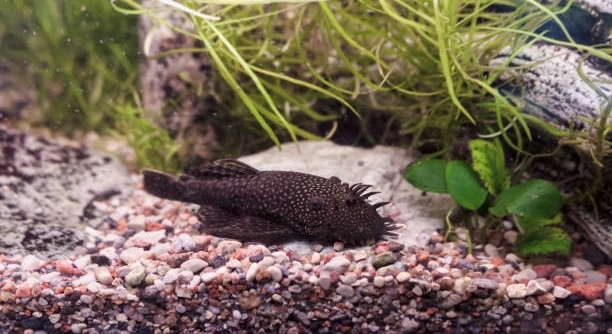
Are your plecos showing unusual behavior in their tank, spending more time in hiding spots or cleaning surfaces than usual? Observing these subtle changes can signal important developments in their breeding cycle.
Plecos prepare for egg-laying through distinct behaviors such as increased territoriality, frequent cleaning of surfaces, reduced feeding, and seeking secluded spots. Recognizing these signs early allows aquarists to provide optimal conditions for successful reproduction and egg survival.
Monitoring these behaviors carefully ensures you can create a supportive environment, promoting healthy egg-laying and safeguarding the future of your plecos’ offspring.
Increased Territorial Behavior
When plecos are ready to lay eggs, they often become more territorial. You might notice them patrolling their tank, staking out a favorite cave or crevice, and chasing away other fish. This behavior helps them secure a safe spot for egg-laying. Territoriality can be subtle at first, like lingering near a hiding place, or more obvious with aggressive displays. Males are typically more active in defending these areas. Providing multiple hiding spots and caves can reduce stress for both the breeding pleco and other tank mates. Observing how your pleco interacts with the environment gives you insight into its readiness to reproduce.
Territorial behavior ensures a protected area for eggs, reducing the risk of them being disturbed or eaten by other fish in the tank.
Managing this behavior involves giving plecos plenty of space and minimizing disruptions. Keeping other fish away from their selected nesting sites and monitoring interactions will help create a calm, safe environment for egg-laying. Adjusting tank décor to add extra caves and hiding spots can prevent conflicts and promote natural breeding habits. Watching these behaviors closely can guide your care strategies and improve breeding success.
Surface Cleaning and Preparation
Plecos spend more time cleaning surfaces before laying eggs. This ensures a safe, smooth area for adhesion.
They may scrape algae off tank walls, rocks, or caves. This behavior is particularly common in males, who prepare the site to attract females. Clean surfaces prevent eggs from being smothered or infected. Observing your pleco meticulously cleaning certain areas indicates that they are preparing for reproduction.
This stage is crucial, as successful egg-laying relies on well-prepared sites. Providing flat surfaces and secure caves supports this natural behavior. Regular tank maintenance complements this, ensuring that algae and debris do not interfere. You can also simulate ideal conditions by offering slate tiles or smooth rocks. These surfaces allow plecos to exhibit cleaning behavior and prepare for egg deposition. Avoid disrupting these areas during this time, as disturbances can stress the fish and delay spawning. Recognizing these cleaning habits can help you predict when egg-laying will occur and improve overall breeding success.
Hiding More Frequently
Plecos begin hiding more often when preparing to lay eggs. They prefer secluded spots where they feel safe and secure. This behavior reduces stress and signals that they are ready to reproduce.
Hiding is a natural instinct for plecos as they prepare for reproduction. They may retreat into caves, under driftwood, or behind decorations, minimizing exposure to other fish. This helps them conserve energy and focus on egg-laying preparations. The behavior is most noticeable in males guarding a chosen nesting site, but females also seek shelter before depositing eggs. Ensuring your tank has plenty of hiding spaces encourages natural behavior.
Frequent hiding also protects plecos from stress that could disrupt egg-laying. Observing which areas they favor can indicate where eggs are likely to be laid. By providing secure, quiet spaces and limiting disturbances, you help plecos feel safe, increasing the chances of successful breeding. Monitoring these patterns gives insight into their readiness and overall well-being.
Reduced Feeding
Plecos often eat less as they get ready to lay eggs. Appetite reduction is a clear sign of reproductive behavior.
This change in feeding is common during breeding readiness. The fish may nibble occasionally but generally ignore regular meals. Energy is redirected from digestion to preparing their bodies for reproduction and guarding nesting areas. Monitoring food intake helps identify when a pleco is entering this stage, allowing you to adjust feeding schedules and portion sizes. Avoid overfeeding during this time, as leftover food can affect water quality, creating stress for the fish.
Reduced feeding also signals physiological changes related to egg production. Females may store energy internally for egg development, while males focus on guarding and cleaning potential nesting sites. Observing these feeding patterns gives clear indications of readiness to reproduce. Maintaining stable water conditions, providing appropriate hiding spots, and limiting disturbances complement this natural reduction in appetite, supporting healthy breeding behaviors.
Nest Selection
Plecos actively search for a suitable nesting spot. They prefer caves, hollow decorations, or smooth surfaces where eggs can safely attach.
Males are usually the first to choose a site, cleaning and defending it. Females inspect the area before laying eggs. Proper nest selection is crucial for successful breeding.
Brighter Coloration
Plecos may show more vivid colors when ready to reproduce. This change signals readiness and attracts mates.
Color intensity can increase in both males and females, but males often display the brightest shades. The shift is temporary and linked directly to reproductive behavior. Observing this can help identify the optimal breeding period.
Tail and Fin Fanning
Plecos often fan their tails and fins near nesting sites. This behavior helps oxygenate eggs and maintain a clean environment.
Tail fanning improves water circulation around the eggs, preventing debris buildup and supporting healthy development. Both males and females may participate, but males are more consistent in this effort, especially during guarding.
FAQ
How do I know when my pleco is ready to lay eggs?
Plecos display several behaviors that indicate readiness. Males become territorial, often cleaning and guarding a specific cave or surface. Females may hide more frequently and reduce their feeding. Observing these patterns, along with brighter coloration and tail fanning, can help you predict egg-laying.
What kind of environment should I provide for egg-laying?
Plecos need secure, secluded areas for eggs. Flat rocks, caves, or hollow decorations work well. Ensure water quality is stable, with consistent temperature and pH. Avoid sudden changes or disturbances, as plecos can become stressed, delaying or preventing spawning. Multiple hiding spots help reduce conflict among fish.
Do plecos need specific water conditions to breed?
Yes. Stable, clean water is crucial. Most plecos prefer slightly acidic to neutral pH, moderate hardness, and temperatures around 75–82°F (24–28°C). Regular water changes and gentle filtration help maintain healthy conditions. Avoid overcrowding the tank, as stress can interfere with reproductive behavior.
How long does it take for pleco eggs to hatch?
Eggs usually hatch in about 4–10 days, depending on species and water conditions. Warmer, stable temperatures accelerate development, while cooler water slows it. Keeping the eggs in a protected area with low disturbance ensures better survival rates for the fry.
Should I remove the eggs from the main tank?
It depends on your setup. In a community tank, removing eggs can prevent other fish from eating them. In a dedicated breeding tank, parents may guard the eggs successfully. Observing the male’s behavior will help determine if intervention is necessary.
How can I care for the fry once they hatch?
Fry need small, frequent feedings. Specialized fry food or finely crushed algae wafers works well. Maintain excellent water quality and provide hiding spots. Gentle filtration and minimal disturbances help reduce stress, promoting healthy growth. Gradually increase food portions as they grow.
What signs indicate eggs or fry are in danger?
Cloudy or fungus-covered eggs, constant parental neglect, or aggressive tank mates are warning signs. Fry that are weak, lethargic, or showing slow growth may need extra care. Separating vulnerable eggs or fry into a safe, controlled environment can improve survival chances.
Can all pleco species be bred in home aquariums?
Not all species are equally easy to breed. Common species like bristlenose plecos reproduce reliably in captivity, while larger or wild-caught species may require more specialized conditions. Understanding the specific species’ needs improves your success rate.
How often do plecos lay eggs?
Frequency varies by species, age, and environmental conditions. Some may spawn every few weeks under optimal conditions, while others breed seasonally or only a few times a year. Maintaining stable tank conditions encourages more regular reproduction.
Is it necessary to provide additional food during breeding?
Yes, supplementing with nutrient-rich foods supports energy demands during reproduction. Algae wafers, vegetables, and occasional protein sources help maintain health. Adequate nutrition ensures both adults and developing eggs are in good condition for successful spawning.
Can stress affect breeding?
Absolutely. Loud noises, frequent tank maintenance, sudden temperature changes, or aggressive tank mates can stress plecos. Stress delays spawning, reduces egg viability, and may cause adults to abandon eggs. Minimizing disturbances creates a calm environment that encourages natural reproductive behavior.
How do I encourage plecos to breed successfully?
Provide clean water, stable temperature, proper pH, and secure nesting areas. Monitor behavior closely and avoid disturbing their hiding or cleaning activities. Regular feeding with nutrient-rich foods supports health. Observing territoriality, coloration, and tail fanning gives clues to timing. Patience and careful observation are key.
Are males and females easy to distinguish?
Sexing plecos can be challenging. Males often display larger, more elongated fins, brighter coloration, and more aggressive behavior, especially when guarding a nest. Females are generally rounder, particularly when carrying eggs. Species-specific characteristics vary, so research your pleco type for accurate identification.
What should I do if eggs are not being laid despite readiness signs?
Ensure hiding spots and flat surfaces are available. Check water parameters and adjust as needed. Reduce tank disturbances and monitor for stress factors. Sometimes, plecos need additional time or slight environmental adjustments to trigger egg-laying behavior.
Final Thoughts
Observing plecos preparing to lay eggs can be both fascinating and rewarding. Their behavior changes subtly but noticeably, signaling the start of a new stage in their life cycle. Increased territoriality, frequent hiding, surface cleaning, reduced feeding, and brighter coloration are all indicators that your plecos are ready to reproduce. Recognizing these signs allows you to provide the proper environment for successful egg-laying. Providing secure caves, flat surfaces, and plenty of hiding spots helps reduce stress and encourages natural breeding behaviors. Maintaining stable water conditions is equally important, as sudden fluctuations can disrupt reproductive readiness. By paying attention to these cues, you ensure your plecos feel safe and supported throughout the breeding process.
Caring for eggs and fry requires patience and careful observation. Eggs need a clean, protected area with adequate oxygenation, and parental behavior plays a key role in their survival. Tail fanning and guarding by males help keep the eggs healthy, while females contribute by depositing eggs in optimal locations. Depending on the tank setup, some breeders may choose to remove eggs to a separate breeding tank to ensure higher survival rates. Fry require small, frequent feedings and stable water conditions to grow properly. By meeting these basic needs, you can maximize the chances of successful hatching and healthy development. Observing each stage closely provides insight into natural behaviors, giving you confidence in your care decisions.
Breeding plecos is a process that demands attention to detail, understanding, and patience. Every species has unique requirements, and learning to read the subtle signs of readiness is essential for success. Providing the right environment, including secure hiding spaces, clean surfaces, and suitable nutrition, supports both the adults and their future offspring. Stress reduction is critical, as disturbances or aggressive tank mates can hinder reproductive behaviors. Monitoring water quality, feeding patterns, and nesting activity ensures the health of both the parents and the eggs. By following these practices, you create conditions that foster natural breeding behaviors, resulting in healthier plecos and a more rewarding experience as an aquarist.

Hello,
If you enjoy the content that we create, please consider saying a "Thank You!" by leaving a tip.
Every little bit helps us continue crafting quality advice that supports the health, happiness, and well-being of pets around the world, for pets of all shapes, sizes, and species.
We really appreciate the kindness and support that you show us!