
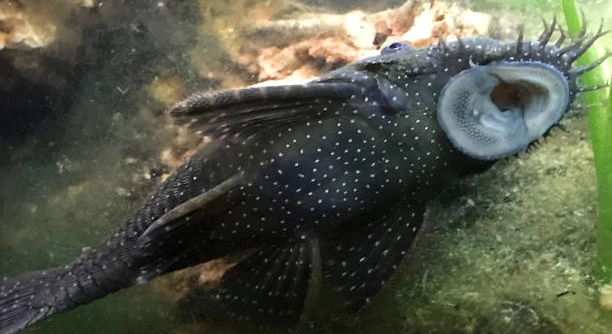
Have you ever noticed your Bristlenose Pleco looking a little lighter or darker than usual and wondered if it’s supposed to happen? These small, peaceful fish often surprise their owners with subtle changes in appearance.
Bristlenose Plecos can change color due to factors such as stress, lighting, diet, or their environment. These color shifts are natural and often temporary, reflecting how well the fish is adapting to its surroundings and overall health.
Understanding what influences their color helps you create a healthier aquarium and recognize signs of stress before they become serious.
Why Bristlenose Plecos Change Color
Bristlenose Plecos often change color for simple reasons related to their environment or health. Stress, poor water quality, or sudden lighting changes can cause their patterns to fade or darken. When these conditions improve, their color usually returns to normal. Temperature fluctuations and diet also play a big role. A well-fed Pleco with balanced nutrition and clean water tends to display richer, more vibrant tones. Some color shifts may happen naturally as they age or adjust to a new tank. Each Pleco has unique markings that can subtly change, making them fascinating to observe over time.
If your Pleco’s color changes slightly but it continues to eat and behave normally, there’s usually no reason to worry. These shifts are part of their natural adaptation and reflect how they respond to their surroundings.
Paying attention to small changes in color helps you catch early signs of stress, illness, or poor tank conditions before they become serious problems.
Common Factors Affecting Pleco Color
Lighting plays a major role in how your Bristlenose Pleco appears. Bright or direct lighting can make them look lighter, while dim setups bring out darker, richer shades.
Diet is another key influence. Plecos need a mix of vegetables, algae, and protein-based foods to maintain healthy pigmentation. A lack of variety or nutrients can cause dull colors or uneven patterns. Water parameters are equally important—dirty or unbalanced tanks can lead to fading or stress-related discoloration. Hiding spots also affect their comfort and appearance, as Plecos often darken when they feel secure. By maintaining stable conditions, consistent feeding routines, and a balanced diet, you can help your Pleco display its natural beauty. Observing these details not only keeps their color bright but also supports their overall health and lifespan.
How to Help Your Pleco Maintain Its Color
Keeping your Bristlenose Pleco’s color vibrant starts with providing the right environment. Clean water, steady temperature, and balanced lighting help them feel secure and show their natural tones more clearly. Stability is key to maintaining consistent coloration.
A healthy diet supports strong pigmentation. Offer a variety of foods such as algae wafers, blanched vegetables, and occasional protein treats like bloodworms. These options give your Pleco the nutrients needed for bright, rich color. Also, include driftwood in the tank—it helps with digestion and mimics their natural habitat. Avoid overfeeding and remove uneaten food to maintain water quality. Small changes in lighting or background color can also affect how their shades appear, so keep the tank setup consistent.
Good tank maintenance makes a big difference. Regular water changes, a clean filter, and the right hiding spots create a stress-free environment. When Plecos feel comfortable, their true colors always show.
When Color Change May Signal a Problem
Sudden or extreme color fading can sometimes mean something is wrong. If your Pleco also acts unusually, such as hiding too much, losing appetite, or breathing fast, it may be a sign of stress or illness.
Check the water parameters first, as most issues start there. Ammonia or nitrite spikes can quickly affect color and health. Poor diet or overcrowding can also stress your Pleco and dull its natural shades. If everything seems fine but the color change continues, look for signs of fungal or bacterial infection, which sometimes cause pale patches. Adjusting lighting and cleaning routines can help too. It’s important to stay observant and make changes early, as Bristlenose Plecos recover best when conditions improve quickly. Watching their color is an easy way to monitor their well-being over time.
Seasonal and Age-Related Color Changes
As Bristlenose Plecos age, their colors often become more muted or patterned differently. Young Plecos may appear brighter, while mature ones develop darker, more defined spots. These changes are natural and part of their growth process, not something to worry about.
Seasonal shifts in temperature or light exposure can also influence coloration. During warmer months, they may appear slightly lighter or more vibrant, while cooler periods can bring out deeper shades. These variations reflect their response to environmental changes rather than any health issues.
The Role of Genetics in Pleco Color
Genetics play a major role in how a Bristlenose Pleco looks. Some color variations are inherited, such as albino, longfin, or super red types. These traits determine their base color, pattern intensity, and how they respond to lighting and surroundings. Even with identical care, two Plecos may look completely different.
Final Thoughts on Color Variations
Color changes in Bristlenose Plecos are mostly natural and harmless. Paying attention to these shifts helps you understand your fish better and maintain their health. A stable, clean environment and proper diet are the best ways to keep their unique colors shining.
FAQ
Can Bristlenose Plecos change color overnight?
Yes, Bristlenose Plecos can appear to change color overnight, especially if something in their tank environment changes suddenly. A shift in lighting, water quality, or stress levels can cause temporary color fading or darkening. Sometimes, they also adjust their color to blend into the substrate or decorations. If your Pleco looks pale in the morning but regains color later, it’s usually just a response to lighting or rest. However, if it stays faded for days, check water conditions and make sure the fish is eating normally.
Why is my Bristlenose Pleco turning pale?
Paleness in a Pleco can mean stress, poor water quality, or a lack of nutrients. Stress can come from overcrowding, strong currents, or being moved to a new tank. Test your water for ammonia, nitrites, and nitrates, as imbalances can quickly affect their health and color. A clean, well-filtered tank helps them regain their natural tones. Make sure they have enough hiding spots and a proper diet with algae wafers and vegetables. Once the stress or poor conditions are resolved, most Plecos regain their rich, natural color.
Do Bristlenose Plecos change color when breeding?
Yes, during breeding, color intensity may increase slightly, especially in males. Males often develop darker bodies and more defined bristles to attract females. This change usually happens when water temperature and quality are ideal for spawning. Females might also appear a bit darker, but their change is less noticeable. These color differences are temporary and part of natural breeding behavior. After the process, their color usually returns to its regular tone.
Can diet affect a Pleco’s color?
Absolutely. A poor diet can lead to dull or uneven coloration. Bristlenose Plecos need a varied diet that includes algae wafers, blanched vegetables like zucchini or cucumber, and occasional protein-based foods such as shrimp pellets. These foods provide essential nutrients and enhance their pigmentation. A lack of diversity or vitamins may cause fading. Adding driftwood is also beneficial since Plecos naturally graze on it, helping with digestion and nutrient absorption. Keeping their diet balanced ensures stronger coloration and better overall health.
Do Bristlenose Plecos change color depending on their mood?
Yes, their color can subtly reflect their mood or comfort level. When they feel relaxed and safe, their colors are usually vibrant. When stressed, frightened, or adjusting to a new environment, they can appear paler or more washed out. This is a temporary reaction and often resolves once they feel secure again. If your Pleco consistently looks dull, it’s worth checking if something in the environment is causing stress, such as loud noises, bright lighting, or tankmates that bother them.
Why does my Pleco look darker than usual?
A darker color often means your Pleco feels comfortable or is blending into its surroundings. However, sometimes darker shades can appear if the lighting changes or if they’re near dark gravel or decorations. Plecos are natural camouflagers, so they adjust their tones slightly for protection. If their behavior is normal and they’re eating well, darker coloration is not a concern. On the other hand, if you notice any sluggishness, check for stress factors or poor water quality just to be safe.
Do tank mates affect their color?
Yes, tank mates can influence a Pleco’s stress level and, in turn, its color. Aggressive or overly active fish can cause stress, leading to temporary color fading. Peaceful tank companions, such as tetras or cory catfish, are better choices. Also, avoid keeping multiple male Plecos in small tanks, as territorial behavior can lead to stress and color dulling. A calm environment with plenty of hiding spaces helps them stay relaxed and maintain vibrant colors.
Can lighting change their appearance?
Lighting plays a major role in how their color looks. Bright light can wash out their tones, while dim or natural lighting brings out deeper shades. Using adjustable or subdued lighting often shows their patterns best. It’s important to keep a consistent light schedule to reduce stress. Sudden changes in brightness can startle them, causing temporary fading. Soft, steady lighting helps them look their best while supporting a healthy, balanced aquarium atmosphere.
Are color changes permanent?
Most color changes are not permanent. They often happen due to stress, diet, or environmental factors. Once conditions improve, the Pleco’s original color usually returns. However, some long-term changes may occur as they age. Older Plecos sometimes lose some brightness or gain new patterns. These natural shifts are harmless and part of their aging process. Keeping a stable environment and balanced diet ensures that any changes remain healthy and natural.
Should I be worried if my Pleco’s color changes often?
Frequent color changes don’t always mean something is wrong. Many Plecos adjust shades based on mood, lighting, or surroundings. However, if changes come with unusual behavior—like hiding too much, rapid breathing, or refusing food—it may indicate stress or illness. Monitoring their activity and checking water quality helps you find the cause quickly. In most cases, with a stable, clean setup, their color will balance out again. Paying attention to these details helps your Pleco stay healthy and beautiful.
Final Thoughts
Bristlenose Plecos are fascinating fish that express a lot through their color. Watching their shades shift slightly from day to day can be both interesting and helpful, as it often reflects their overall well-being. These subtle changes are a natural part of their life and can tell you a lot about how they feel in their environment. Whether the color becomes lighter, darker, or more patterned, it’s often connected to their comfort level, water conditions, or diet. By understanding what affects their color, you can create an aquarium that not only looks beautiful but also supports their health and happiness.
Maintaining their color is not about doing anything complicated—it’s about consistency and care. Clean water, balanced lighting, and a diet rich in variety make all the difference. Regular tank maintenance helps prevent stress and illness, both of which can cause dull or faded colors. Providing hiding spaces, driftwood, and soft lighting encourages them to feel safe, which naturally brings out their best appearance. Every Bristlenose Pleco is unique, so small differences in color and pattern are normal. Learning what’s typical for your fish helps you notice when something changes. This attention can prevent bigger issues before they start and make caring for your Pleco more rewarding.
Color changes in Bristlenose Plecos are usually nothing to worry about. They’re adaptable fish that respond to their surroundings, and their color simply mirrors that adaptability. When they’re cared for properly, their shades remain strong and steady, adding charm to any aquarium. Paying attention to these details helps you connect more with your fish and appreciate their subtle ways of communicating. Over time, you’ll notice patterns—like when they darken after feeding or lighten after a water change—and begin to understand what’s normal for them. The key is balance: stable water conditions, proper nutrition, and a calm environment. When those needs are met, your Bristlenose Pleco will thrive, showing off the colors that make them such a beloved choice for fish keepers. Their quiet nature and ever-changing patterns remind us that even small creatures have their own way of expressing comfort, health, and individuality.

Hello,
If you enjoy the content that we create, please consider saying a "Thank You!" by leaving a tip.
Every little bit helps us continue crafting quality advice that supports the health, happiness, and well-being of pets around the world, for pets of all shapes, sizes, and species.
We really appreciate the kindness and support that you show us!