
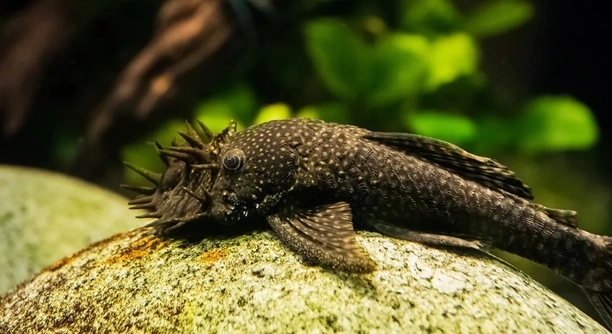
Are your plecos darting away the moment you approach their tank, making feeding and cleaning a bit of a challenge? Skittish behavior is quite common among these peaceful bottom dwellers.
The most effective way to handle skittish plecos is by creating a stable, low-stress environment. Consistent water quality, proper hiding spots, and minimal sudden movements help them feel secure. Over time, gentle routine interactions encourage trust and reduce fear responses.
Understanding their behavior and creating a calm environment can make your plecos more comfortable, improving both their well-being and your aquarium experience.
Understanding Why Plecos Get Skittish
Plecos can become skittish for many reasons, but it mostly comes down to stress and insecurity in their surroundings. Loud noises, sudden movements, or frequent tank changes can easily frighten them. In the wild, plecos are nocturnal and rely on hiding for safety, so constant exposure to light or activity can make them anxious. They also dislike strong currents or tankmates that chase them, as this disrupts their natural sense of calm. When plecos feel unsafe, they retreat into hiding for long periods, often refusing to eat. Recognizing these triggers is key to helping them adapt better to life in captivity.
Once you understand their behavior, you can start adjusting their environment. Stability is everything when it comes to plecos. Keep consistent lighting, minimize disturbances, and maintain good water quality. A calm tank helps them feel secure and reduces the stress that fuels their skittishness.
Making small, gradual changes in their routine can also improve their comfort. For example, feed them during dim light hours when they’re naturally more active, and avoid cleaning or rearranging the tank too often. Over time, these consistent habits teach your plecos that their environment is safe, encouraging them to come out more frequently and act more naturally around you.
Creating a Comfortable Environment
A calm tank atmosphere is the foundation of handling skittish plecos. Their comfort depends on feeling protected and undisturbed. This means creating a setup that mimics their natural habitat as closely as possible, giving them both shelter and stability.
Start by ensuring they have plenty of hiding spots like driftwood, caves, and plants. Plecos rely on these structures to rest and feel safe during the day. Use soft substrate to prevent injury and maintain clean, well-oxygenated water with stable temperature and pH levels. Avoid sudden changes, as they can quickly unsettle plecos. Keep tank lighting low or use dim LED lights to replicate dusk-like conditions. If your plecos share the tank, make sure their tankmates are peaceful and not overly active near the bottom. Feed them algae wafers or vegetables during their active nighttime hours, as this helps build a natural routine. Over time, a calm, balanced setup encourages plecos to become more confident and visible in their environment.
Building Trust Through Routine
Routine plays a big role in helping plecos feel secure. They thrive on consistency, so keeping a steady feeding schedule and minimizing tank disruptions will slowly help them adjust and trust their surroundings.
Try feeding your plecos around the same time each evening since they are mostly nocturnal. When feeding, move slowly and avoid tapping the glass. Over time, your plecos will begin to associate your presence with food rather than danger. Regular water changes and gentle tank maintenance also help maintain stability, which prevents stress. Even subtle habits, like keeping the lights dim at predictable times, give them a sense of normalcy and comfort in their space.
If you must handle the tank, do it quietly and with minimal movement. Avoid chasing or cornering them, as this increases anxiety. Patience is essential with plecos; building trust takes time. Once they feel secure, their behavior becomes noticeably calmer and more predictable.
Managing Tank Mates Carefully
Plecos are peaceful fish, but unsuitable tankmates can make them anxious. Fast-moving or aggressive species often startle plecos, especially when they try to rest or eat at the bottom of the tank. Choosing compatible companions keeps stress levels low and encourages natural behavior.
Select calm, non-aggressive species that occupy other areas of the tank, such as tetras, rasboras, or corydoras. Avoid fin-nippers or large predatory fish, as they can intimidate plecos and drive them into constant hiding. Also, ensure your tank is spacious enough for all species, providing clear territories and plenty of hiding spaces. Even mild competition for food can cause anxiety in plecos. Feed bottom-dwelling foods at night when they are most comfortable coming out to eat. Keeping harmony among your fish creates a peaceful atmosphere, helping your plecos feel secure enough to explore freely and behave naturally without constant stress or fear.
Reducing Sudden Movements
Sudden movements around the tank can frighten plecos easily. Try to keep your actions slow and predictable when near their aquarium. Quick gestures or abrupt light changes often make them retreat into hiding and stay anxious for long periods.
Place the tank in a calm area of your home where there’s less foot traffic or loud activity. Avoid flicking lights on and off suddenly, and close curtains gently if the tank receives natural light. A steady, peaceful environment helps plecos remain relaxed and active more often.
Maintaining Stable Water Conditions
Stable water parameters are essential for pleco comfort. Sudden fluctuations in temperature, pH, or hardness can make them nervous and withdrawn. Regularly test the water to ensure all levels remain consistent, and perform small, frequent water changes rather than large, sudden ones. Keep the filtration system efficient but not overly strong, as excessive current stresses them. Clean the substrate gently to avoid disturbing their space, and replace filter media gradually to maintain bacterial balance. Consistency in maintenance helps plecos feel secure and prevents stress-related hiding or illness.
Feeding During Calm Hours
Feeding plecos during quiet evening hours helps reduce anxiety. They naturally prefer dim light and calm surroundings while eating. Keeping a consistent feeding routine encourages them to emerge more confidently and associate those moments with safety and comfort.
FAQ
Why does my pleco hide all the time?
Plecos hide frequently because it is a natural behavior for safety and comfort. They are nocturnal and feel most secure in dark, sheltered spaces. If the tank is too bright, noisy, or lacks hiding spots, they will remain hidden. Ensuring adequate cover with caves, driftwood, and plants helps them feel safe and encourages more visible activity.
How can I make my pleco less skittish?
Reducing stress is key. Keep tank conditions stable, maintain consistent water parameters, and avoid sudden movements around the tank. Establishing a calm routine for feeding and maintenance helps plecos associate your presence with safety rather than a threat. Over time, this builds trust.
What tank mates are best for a skittish pleco?
Choose calm, non-aggressive fish that occupy different areas of the tank, like tetras, rasboras, or corydoras. Avoid fin-nippers or overly active species, as they can scare plecos and cause prolonged hiding. Ample space and separate territories reduce stress for all inhabitants.
How often should I feed my pleco?
Plecos do best with a consistent feeding schedule. Provide food in the evening when they are naturally active. Offer a mix of algae wafers and vegetables like zucchini or cucumber. Overfeeding can cause water quality issues, so small, measured portions are ideal.
Can plecos recognize their owner?
Plecos may learn to associate a person with food but don’t form bonds like some other fish species. Regular, gentle interaction at feeding times helps them become familiar with your presence, reducing stress and improving comfort around you.
Why does my pleco jump or dart suddenly?
Sudden movements or jumps usually indicate fear or discomfort. Bright light, loud noises, strong currents, or aggressive tankmates can startle them. Providing shelter, soft lighting, and calm water flow minimizes these behaviors and helps them feel secure.
Is it normal for a pleco to ignore food?
Yes, especially if they feel stressed, the tank is too bright, or water conditions are off. Skittish plecos may eat less until they feel comfortable. Ensure hiding spots, proper feeding times, and good water quality to encourage regular eating.
What kind of hiding spots do plecos prefer?
Driftwood, caves, PVC tubes, and dense plant clusters make ideal shelters. These spots allow plecos to rest safely during the day. Avoid overcrowding the tank while still providing multiple options to prevent territorial disputes and reduce stress.
How long does it take for a skittish pleco to become comfortable?
The time varies depending on the individual fish and tank conditions. With consistent routines, proper hiding spots, and minimal stress, plecos may start exploring openly within a few weeks. Some may take months to fully adjust, so patience is important.
Can water quality affect pleco behavior?
Absolutely. Sudden changes in temperature, pH, or hardness can increase stress and skittish behavior. Maintaining stable water conditions and performing gradual water changes helps plecos feel secure, supports overall health, and reduces hiding tendencies.
Should I handle my pleco directly?
Direct handling should be avoided unless necessary, such as during illness. Plecos have sensitive skin and fins, and handling can cause injury or stress. Use nets gently only when needed, and otherwise rely on tank maintenance and observation to care for them.
What signs show a pleco is stressed?
Signs include constant hiding, erratic swimming, sudden jumps, loss of appetite, and dull coloration. Observing their behavior regularly helps catch stress early. Adjusting tank conditions, providing shelter, and maintaining routine care reduces anxiety and improves overall well-being.
How do I encourage my pleco to explore more?
Create a safe environment with plenty of hiding places and minimal disturbances. Offer food in calm conditions and keep lighting low during their active hours. Gradually, plecos will become more confident and visible, exploring areas they previously avoided.
Can plecos coexist with more aggressive species?
Aggressive species can scare plecos and limit their movement. If housed together, provide numerous hiding spots and sufficient tank space to reduce conflict. However, peaceful tankmates are always preferable for a skittish pleco’s comfort and long-term health.
How often should I monitor my pleco’s behavior?
Daily observation is recommended. Look for changes in activity, eating habits, and interaction with tankmates. Regular monitoring allows early detection of stress or illness, ensuring that your pleco remains healthy and comfortable in its environment.
Do plecos benefit from live plants?
Yes. Live plants provide extra cover, improve water quality, and make the tank feel natural. They give plecos safe spaces to hide and explore, reducing stress and encouraging normal behavior patterns. Choose hardy species that can withstand occasional bottom feeding activity.
What role does lighting play in pleco comfort?
Plecos prefer dim lighting as they are mostly nocturnal. Bright, constant light can increase anxiety. Using subdued or timed lighting mimics natural conditions and allows plecos to maintain their daily routine without stress.
Can a skittish pleco ever fully trust its owner?
While plecos don’t form deep bonds, consistent care and gentle routines help them recognize your presence as non-threatening. They may become more active and visible during feeding, showing comfort and reduced fear over time.
How do I clean the tank without stressing plecos?
Perform small, gradual water changes and avoid sudden rearrangements. Clean substrate and decorations gently, and move slowly near the tank. Minimizing disturbances while maintaining cleanliness helps plecos remain calm and reduces prolonged hiding.
Are certain pleco species more skittish than others?
Yes. Some species are naturally more timid, while others are more active and bold. Researching the temperament of your specific pleco helps you anticipate their behavior and provide the appropriate environment for comfort and security.
What foods help reduce stress in plecos?
Nutritious foods like algae wafers, zucchini, cucumber, and occasional protein treats keep plecos healthy. Well-fed plecos are less anxious and more likely to explore. Avoid overfeeding or inconsistent feeding schedules, as irregularity can heighten skittish tendencies.
How do I know if hiding is normal or a problem?
Occasional hiding is normal, but constant avoidance, refusal to eat, or unusual lethargy signals stress or health issues. Ensuring a secure, calm tank and monitoring water quality helps distinguish between natural behavior and problems needing intervention.
Can I use decorations to make plecos feel safer?
Yes. Driftwood, caves, PVC tubes, and dense plants all provide secure hiding options. Multiple shelters prevent territorial disputes and allow plecos to feel safe during daylight hours, encouraging calmer and more natural behavior.
How important is tank size for skittish plecos?
Adequate tank space reduces stress and allows plecos to move freely. Overcrowding or limited space increases anxiety and hiding. Larger tanks with hiding spots and gentle water flow create a stable environment where plecos can thrive comfortably.
Can plecos adapt to new tanks quickly?
Adaptation depends on stress levels, tank setup, and consistency. Gradual acclimation, stable water conditions, and plenty of hiding places help plecos adjust more quickly. Rushing the process can increase skittish behavior and prolong hiding.
What daily habits help keep plecos calm?
Consistent feeding, gentle tank care, and minimal disturbances are key. Observing them quietly, maintaining proper water quality, and providing dim lighting and shelter all contribute to a stable environment where plecos feel secure and confident.
How do I know my pleco is healthy and comfortable?
A calm pleco that eats regularly, explores its environment, and shows natural coloration indicates comfort. Reduced hiding, normal swimming patterns, and interaction with tankmates also signal good health and low stress levels.
Is it okay to add new plecos or fish gradually?
Yes. Introducing new fish slowly and monitoring interactions helps maintain a calm environment. Abrupt additions can increase stress and skittish behavior. Ensure hiding spots and sufficient space to reduce competition and anxiety.
Can plecos be social with each other?
Plecos are generally solitary but tolerate conspecifics in spacious, well-structured tanks. Multiple hiding spots and distinct territories reduce conflicts and allow them to coexist peacefully without stress.
What is the best way to track pleco behavior over time?
Keep a simple observation log noting feeding, activity, hiding, and interactions with tankmates. Tracking patterns helps identify stress triggers and adjust care routines, ensuring long-term comfort and well-being for your plecos.
How do I know if my pleco needs medical attention?
Signs include rapid breathing, unusual spots or lesions, sudden lethargy, and refusal to eat over several days. Promptly addressing these symptoms with appropriate care prevents serious health issues and reduces prolonged stress.
Are there environmental factors outside the tank that affect pleco behavior?
Yes. Loud household noise, vibrations, and sudden movements near the aquarium can startle plecos. Placing the tank in a quiet, stable area reduces anxiety and encourages more natural behavior, even if everything inside the tank is well maintained.
Can plecos learn feeding routines?
Yes. They respond well to consistent schedules, recognizing when and where food appears. Predictable routines help reduce anxiety and make them more willing to emerge from hiding during feeding times.
How long should I wait before adjusting tank conditions?
Make changes gradually, one at a time, allowing several days to assess effects. Sudden adjustments can increase stress and worsen skittish behavior, so patience is essential for a calm, secure environment.
Do plecos benefit from substrate changes?
Soft, smooth substrates reduce stress and prevent injury. Changing the substrate should be done carefully and gradually, preserving beneficial bacteria and minimizing disruption to the plecos’ comfort and hiding routines.
Can water flow affect pleco confidence?
Strong currents can stress plecos, making them hide or act erratically. Gentle, consistent flow mimics their natural environment and helps them feel secure while allowing normal feeding and exploration behavior.
Is it normal for plecos to hide during the day?
Yes. Plecos are nocturnal and naturally prefer to remain concealed during daylight. Frequent hiding during the day is normal, but excessive or panicked hiding indicates stress or poor tank conditions.
How do I maintain hiding spots effectively?
Regularly clean driftwood, caves, and plant areas without disturbing the plecos excessively. Avoid rearranging decorations too often, as consistent shelter locations help them feel safe and confident in their environment.
Can plecos become skittish after illness?
Yes. Recovery periods make them more cautious and prone to hiding. Providing a calm, stable environment and minimal disturbances supports healing and helps them regain confidence over time.
How do seasonal changes affect pleco behavior?
Temperature fluctuations or light changes can alter activity levels. Maintaining stable water conditions and consistent lighting helps plecos feel secure despite seasonal variations, reducing unnecessary stress and hiding behavior.
What are the signs of a happy pleco?
Active exploration at night, consistent feeding, calm swimming, and normal coloration indicate a content pleco. When they hide less and respond calmly to routine tank maintenance, it shows they feel safe and comfortable in their environment.
How can I prevent stress-related illness in plecos?
Maintain stable water conditions, provide hiding spots, keep tankmates compatible, and follow a gentle, consistent care routine. Reducing stress prevents disease and ensures your plecos remain healthy and active.
Do plecos respond to sound?
Plecos have limited sensitivity to vibrations and noise. Loud or sudden sounds can startle them, so keeping the environment quiet and calm helps maintain consistent, stress-free behavior.
How do I acclimate a new pleco to an established tank?
Use a slow acclimation method with gradual water mixing over several hours. Introduce the fish gently to prevent stress and ensure it has immediate access to hiding spots. Monitoring behavior for several days helps ensure proper adjustment.
Can decorations mimic natural hiding spots?
Yes. Driftwood, caves, and dense plants simulate the natural environment, giving plecos security and comfort. Providing multiple hiding options encourages natural behavior and reduces skittish tendencies.
Should I adjust lighting gradually?
Yes. Sudden bright light can scare plecos. Gradually increasing or decreasing lighting levels mimics natural cycles and helps them feel secure, encouraging normal activity and reducing hiding behavior.
Is it necessary to separate plecos during tank cleaning?
Not usually. Gentle cleaning without disturbing hiding spots is sufficient. Avoid chasing or handling plecos unnecessarily, as this increases stress and prolongs hiding behavior.
Do plecos benefit from night feeding?
Yes. Feeding at night aligns with their natural nocturnal activity, reducing stress and encouraging more confident behavior. Providing food during their active hours supports proper nutrition and comfort.
How can I tell if my pleco is stressed from water parameters?
Watch for excessive hiding, rapid breathing, loss of appetite, or erratic swimming. Testing temperature, pH, and hardness regularly and keeping them consistent helps minimize stress.
Can plecos adapt to changes in tank layout?
Gradual changes are manageable, but sudden rearrangements cause stress. Move decorations slowly and provide familiar hiding spots to help plecos adjust without anxiety.
How do I maintain a peaceful tank environment?
Choose compatible tankmates, minimize sudden movements or noise, and maintain consistent routines. Adequate hiding spaces, stable water, and gentle feeding practices create a calm environment conducive to skittish pleco comfort.
Are plecos more active in groups?
They are generally solitary, but multiple plecos can coexist if ample hiding spots are available. Interaction is limited, and too many in one space can increase stress rather than comfort.
What role does diet play in pleco behavior?
A balanced diet keeps plecos healthy and less prone to stress. Nutritional deficiencies or irregular feeding schedules can make them skittish or withdrawn. Vegetables, algae wafers, and occasional protein sources ensure proper growth and calm behavior.
Can plecos become comfortable with gradual human interaction?
Yes. Gentle, consistent feeding and minimal disturbance help them recognize routine activity as safe. Over time, plecos show more confidence and emerge more readily from hiding during calm periods.
How important is water temperature consistency?
Stable temperature reduces stress and prevents sudden skittish responses. Avoid extreme fluctuations and maintain species-appropriate levels for optimal comfort and activity.
Do plecos hide more in small tanks?
Limited space increases stress and reduces hiding options. Larger tanks with sufficient shelters allow plecos to feel secure and explore naturally, reducing constant hiding and anxiety.
What’s the best way to introduce new hiding structures?
Add them gradually and place them strategically, giving plecos time to explore without feeling threatened. Avoid sudden rearrangements that may increase fear or hiding tendencies.
How do I know my pleco’s hiding spots are sufficient?
If plecos explore calmly, feed regularly, and hide occasionally without constant fear, the hiding spots are adequate. Monitor behavior and add shelters if they remain overly skittish.
Can lighting color affect pleco comfort?
Soft, subdued lighting is best. Harsh or bright lights increase anxiety and hiding. Using low-intensity LED or shaded areas mimics natural conditions and helps them feel secure.
How do I prevent stress during water changes?
Perform small, gradual changes and move slowly around the tank. Avoid sudden disturbances or rearranging decorations, allowing plecos to remain calm and maintain their routine comfortably.
Do plecos prefer solitary feeding?
Yes. They feel safer when eating without competition. Feed them during low-activity periods and ensure food reaches the bottom where they naturally feed, reducing anxiety.
Can plecos adapt to occasional household noise?
Mild, consistent noise is manageable, but loud, sudden sounds can trigger hiding. Placing the tank in a quieter area reduces stress and helps them feel secure in their daily routine.
Are skittish behaviors hereditary or environmental?
Both factors play a role. Some species or individuals are naturally timid, but environmental stressors, tankmates, and handling practices greatly influence skittish behavior. Proper care reduces fear even in naturally cautious plecos.
How often should I check water parameters for skittish plecos?
At least weekly, including temperature, pH, and hardness. Stable water reduces stress and prevents fear-induced hiding. Daily visual checks for behavior and tank conditions complement testing.
Do plecos respond to their reflection?
Some may react to their reflection, mistaking it for another fish. This usually causes brief hiding or curiosity but is not a major source of stress if the tank is calm.
Can I train plecos to come out for food?
Yes. Feeding at consistent times and using gentle, predictable movements teaches them to associate your presence with food, encouraging emergence from hiding gradually.
How do I prevent plecos from being stressed by visitors?
Place the tank away from high-traffic areas and maintain a calm, quiet environment. Sudden movements or loud voices can increase hiding and skittish behavior.
Are plecos sensitive to water flow changes?
Yes. Strong currents or irregular flow can startle them. Gentle, consistent water movement mimics natural conditions and helps them feel safe while moving and feeding.
How long should I observe a new pleco before expecting normal behavior?
Several weeks are typical. Gradual acclimation, consistent routines, and plenty of hiding spots help plecos adjust and reduce hiding or skittish behavior over time.
Can plecos become skittish after being stressed previously?
Yes. Past stressful experiences make plecos more cautious. Maintaining calm conditions, stable water, and consistent routines over time helps rebuild confidence.
Do plecos benefit from varied hiding spots?
Yes. Multiple shelters prevent competition, allow choice, and reduce stress. Plecos feel safer with options to retreat and explore, which encourages more natural behavior and reduces prolonged hiding.
How can I tell if plecos are comfortable during the day?
Visible activity, calm swimming, and occasional feeding during dim light indicate comfort. Reduced hiding and normal interaction with tankmates also reflect a secure environment.
Should I separate plecos during aggressive fish attacks?
Yes. If another fish is consistently harassing a pleco, temporary separation or rehoming ensures safety and reduces stress, allowing the pleco to regain confidence.
How do I ensure my pleco stays healthy while being skittish?
Maintain clean water, provide hiding spots, feed a balanced diet, and minimize disturbances. Monitoring behavior daily allows you to adjust care and reduce stress for long-term health and comfort.
Are plecos more active in planted tanks?
Planted tanks provide natural cover, improving comfort and confidence. Plecos explore more safely, feel secure, and are less prone to hiding when the environment mimics natural conditions.
Do plecos need nighttime hiding spots?
Yes. Even though they are active at night, plecos still prefer sheltered areas to rest or feel secure. Multiple hiding spots reduce stress and support natural behavior.
**Can
Final Thoughts
Skittish plecos are a common challenge for many aquarium owners, but understanding their natural behaviors makes it easier to care for them effectively. These fish are naturally cautious and rely on hiding and quiet environments to feel safe. By providing a stable tank with consistent routines, adequate hiding spots, and calm tankmates, you create a setting where plecos can feel secure and thrive. Simple steps like maintaining consistent water quality, reducing sudden movements near the tank, and feeding at predictable times can significantly reduce their stress levels. Observing their behavior regularly allows you to adjust the environment as needed and ensures they remain comfortable and healthy. Patience is essential, as plecos often take time to feel fully secure in a new or changing environment.
Creating a proper habitat for skittish plecos involves attention to both the physical and social aspects of their tank. They need soft substrates, caves, driftwood, and live plants to simulate natural hiding places and resting spots. These features give plecos control over their surroundings and reduce stress. Tank size and layout also matter; overcrowding or aggressive tankmates can exacerbate fear and hiding behaviors. Selecting compatible companions and providing sufficient space allows plecos to interact without anxiety. Gradual adjustments in tank decor or routines help plecos adapt more comfortably, while sudden changes can trigger stress and prolonged hiding. Even minor considerations, like controlling lighting and noise levels, have a meaningful impact on their behavior and overall well-being.
Long-term care for skittish plecos is about consistency, observation, and gentle interaction. While they may never be fully bold, careful attention to their environment ensures they are healthy, active, and comfortable. Daily observation, balanced feeding, and gradual exposure to household activity help plecos adjust over time. Providing multiple hiding options, monitoring water parameters, and avoiding abrupt changes all contribute to a calm, secure environment where plecos can display natural behaviors without fear. Over time, their comfort will improve, and they may become more visible, active, and confident. By respecting their natural tendencies and addressing stressors, you create a harmonious tank that benefits both the plecos and the overall aquarium ecosystem.

Hello,
If you enjoy the content that we create, please consider saying a "Thank You!" by leaving a tip.
Every little bit helps us continue crafting quality advice that supports the health, happiness, and well-being of pets around the world, for pets of all shapes, sizes, and species.
We really appreciate the kindness and support that you show us!