
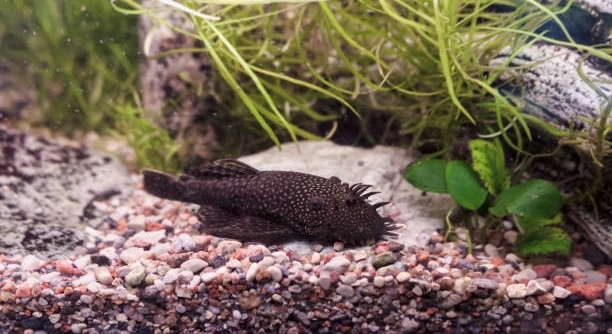
Breeding plecos can be exciting but also challenging. Many aquarists struggle to create the right environment for these fish to reproduce successfully. Small adjustments in the tank can make a big difference over time.
Optimizing water parameters, including temperature, pH, and hardness, is crucial for breeding plecos. Proper filtration, hiding spaces, and controlled lighting also support natural behaviors, increasing the likelihood of successful spawning and healthy fry development.
Knowing which tank changes are most effective can save time and reduce stress for both the fish and their caretaker. Understanding these adjustments will help you improve breeding results more efficiently.
Adjusting Water Temperature
Plecos are sensitive to water temperature, and even a small change can impact their breeding behavior. Keeping the tank slightly warmer than usual, around 78–82°F, encourages activity and stimulates spawning. Sudden temperature swings can stress the fish, making them less likely to breed. Gradual changes, using a reliable heater and thermometer, help maintain stability. Monitoring daily is important, especially during seasonal changes. Warmer water also helps fry develop faster and survive better in the early stages. Pairing temperature adjustments with proper filtration ensures water quality remains high. Some plecos may prefer slightly cooler areas within the tank, so creating zones with varied temperature is beneficial. Using natural decorations like driftwood can provide both shelter and areas for temperature variation, giving fish a comfortable environment. These steps create conditions that are closer to their natural habitat, which is crucial for successful breeding outcomes. Attention to these details helps the fish feel secure and ready to spawn.
Stable temperature management reduces stress and enhances reproductive behavior in plecos. Consistent warmth encourages activity, nest building, and increases the likelihood of successful egg fertilization.
Gradually raising the temperature over several days avoids shocking the fish. Observing their behavior during these changes can indicate when they are ready to spawn. A stable environment supports both adults and future fry development.
Providing Hiding Spots
Plecos require secluded areas to feel secure, which is essential during breeding. Caves, driftwood, and PVC pipes offer privacy for nest building. Without proper hiding spaces, plecos may avoid spawning altogether or become aggressive toward each other. Adequate cover also protects eggs from being eaten by tankmates. Hiding spots should mimic natural conditions and be positioned in quiet areas of the tank. Multiple options allow fish to choose their preferred shelter. Dense plants can complement hard surfaces, giving plecos both visual cover and physical protection. Ensuring these spaces are stable prevents them from shifting and harming the fish. Observing how plecos interact with these spots helps refine placement and design. Combining hiding areas with the right water conditions creates a safe environment that encourages natural breeding behavior. This adjustment is simple but has a significant impact on reproductive success. Proper shelters are often overlooked yet are key to a healthy breeding setup.
Providing privacy reduces stress and increases the chances of spawning activity in plecos.
Caves and sheltered spots allow plecos to deposit eggs safely and care for their young. Multiple hiding areas accommodate different fish personalities and reduce territorial disputes. Driftwood, PVC pipes, and dense plant arrangements create ideal microhabitats. Monitoring how fish use these spaces helps fine-tune placement, ensuring the environment remains supportive. Additionally, hiding spots make it easier to observe behavior without disturbing the fish. Over time, these adjustments lead to more consistent breeding outcomes and healthier fry. Creating this balance of privacy and accessibility ensures that adult plecos feel secure while still allowing caretakers to maintain water quality and monitor tank conditions effectively.
If you want, I can continue with the next two sections of your outline in the same format. Do you want me to do that?
Maintaining Water Quality
Regular water changes are essential for healthy plecos and successful breeding. Clean water reduces stress and prevents disease, keeping both adults and fry in optimal condition. Testing for ammonia, nitrite, and nitrate ensures the environment stays safe and stable.
Consistent monitoring of water parameters is crucial. Performing 20–30% water changes weekly helps maintain low toxin levels. Using dechlorinated water prevents chemical stress, while filtration removes debris and waste efficiently. Overfeeding can pollute the tank quickly, so portion control is necessary. Introducing biological filtration media supports beneficial bacteria, which break down harmful compounds naturally. Stable water quality encourages plecos to spawn and helps eggs and fry survive. Paying attention to small details, like avoiding sudden changes in water chemistry, can significantly impact breeding success. Healthy, clean water forms the foundation for all other adjustments in the tank.
Keeping water clean also minimizes the risk of fungal infections on eggs and fry. A well-maintained tank ensures plecos remain active, confident, and ready to reproduce. Observing fish behavior after water changes can indicate whether adjustments are working effectively. Balancing filtration, water flow, and temperature contributes to a stable habitat. Each careful action strengthens the environment and supports long-term health, creating conditions where both adults and young thrive.
Adjusting Tank Lighting
Proper lighting affects pleco behavior and breeding readiness. Dim or indirect lighting replicates natural conditions and reduces stress. Sudden bright light can startle fish and discourage spawning.
Maintaining a consistent light schedule helps regulate the fish’s internal rhythms. Around 10–12 hours of light per day is generally sufficient. Using floating plants or shaded areas can soften intense illumination while providing a sense of security. Light cycles also influence feeding behavior, making fish more active during daylight hours. Combining controlled lighting with temperature and hiding spots enhances overall comfort, which supports natural reproductive instincts. Adjusting light gradually prevents shock and maintains stability. Careful observation of pleco responses to lighting changes allows fine-tuning for optimal results.
Balanced lighting promotes activity without overstimulating the fish. Subtle adjustments, paired with natural shelters, create a calm environment that encourages spawning behavior. Maintaining consistent conditions helps adults establish routines, increasing the likelihood of egg laying and fry survival. Lighting interacts with water quality, temperature, and hiding spots to create an environment where plecos feel secure. Monitoring their reactions ensures conditions remain suitable over time. This attention to detail supports healthier, more consistent breeding outcomes, giving each fish the comfort it needs to reproduce successfully.
Increasing Oxygen Levels
Plecos need well-oxygenated water for optimal health and breeding. Adding air stones, sponge filters, or stronger water circulation increases dissolved oxygen, which supports both adult fish and developing fry.
High oxygen levels reduce stress and encourage activity. Proper aeration also helps maintain water quality by supporting beneficial bacteria in the filter.
Feeding a Nutritious Diet
A balanced diet is essential for breeding plecos. High-quality pellets, fresh vegetables, and occasional protein boosts energy and prepares them for spawning.
Providing varied foods ensures adults receive all necessary nutrients. Vegetables like zucchini, spinach, and cucumber supply fiber, while occasional bloodworms or brine shrimp support reproductive readiness. Regular feeding supports overall health and encourages natural breeding behavior.
Maintaining Tank Cleanliness
Debris and uneaten food can harm water quality and affect breeding. Regular siphoning of the substrate prevents accumulation of waste and reduces stress on the fish.
Controlling Water Flow
Plecos often prefer gentle water currents. Too strong a flow can disturb them, while moderate circulation promotes oxygen distribution and natural behavior, supporting spawning activity.
FAQ
How often should I change the water in a breeding pleco tank?
Water changes should be done consistently, usually around 20–30% weekly. This helps remove toxins, maintain stable water parameters, and keep the environment safe for both adults and fry. Using dechlorinated water at a similar temperature avoids shocking the fish.
What is the ideal temperature for breeding plecos?
Most plecos breed well in water between 78–82°F. Maintaining stable warmth encourages activity, nest building, and spawning behavior. Sudden temperature changes can stress fish and reduce breeding success. Gradual adjustments over several days are safer than quick shifts.
How important are hiding spots for plecos?
Hiding spots are crucial. Plecos feel secure in caves, driftwood, or PVC pipes, which allows them to lay eggs without stress. Multiple options reduce aggression and give fish choices for nesting areas. Dense plants can complement shelters and provide additional cover.
What should I feed plecos to encourage breeding?
A varied diet is best. Fresh vegetables like zucchini, spinach, and cucumber provide fiber, while occasional protein such as bloodworms or brine shrimp boosts reproductive readiness. Feeding consistently but in moderate amounts avoids water pollution while supporting health.
How do I control water quality effectively?
Regular testing for ammonia, nitrite, and nitrate is essential. Using a reliable filtration system, performing partial water changes, and avoiding overfeeding all help maintain clean water. Supporting beneficial bacteria with biological media improves natural breakdown of waste.
Does lighting affect pleco breeding?
Yes, lighting influences activity and stress levels. Around 10–12 hours of light per day with dim or indirect illumination replicates natural conditions. Floating plants or shaded areas soften light and make fish feel secure, increasing spawning chances.
How do I prevent eggs from being eaten?
Providing isolated hiding spots helps. Adults can protect eggs inside caves or covered areas. Some aquarists separate the male or use breeding boxes to improve egg survival. Clean water and low stress also reduce the likelihood of egg predation.
How much water flow is best for breeding plecos?
Plecos prefer gentle to moderate water currents. Strong flows can disturb nests and stress fish, while mild circulation ensures proper oxygenation and mimics natural habitats. Adjusting filter output or redirecting flow helps create suitable conditions.
How do I know when plecos are ready to spawn?
Males become more territorial and inspect hiding spots. They may clean caves and show increased activity. Females appear fuller around the abdomen, indicating egg development. Observing behavior carefully can help predict when spawning will occur.
What should I do if eggs fail to hatch?
Check water quality, temperature, and lighting first. Eggs may fail due to stress, fungal infection, or poor conditions. Some breeders gently remove eggs to a separate container with clean, oxygenated water to improve survival rates.
Can multiple pairs breed in the same tank?
It is possible, but competition for hiding spots can lead to aggression. Providing ample caves and space reduces conflicts. Monitoring fish closely helps ensure eggs and fry are not harmed.
How long does it take for pleco eggs to hatch?
Hatching typically takes 4–10 days depending on species and water temperature. Warmer, stable water encourages faster development, while cooler temperatures slow the process. Observing eggs daily allows early detection of problems like fungus.
Are there specific tank decorations that help breeding?
Driftwood, PVC pipes, and dense plants mimic natural habitats and provide privacy. Smooth surfaces inside caves are preferred for egg laying. Decorations should be stable and easy to clean to avoid harming fish or eggs.
Is it necessary to remove fry from the main tank?
Separating fry is often beneficial, especially if adult plecos may eat them. Using a breeder box or a separate grow-out tank improves survival. Proper feeding and water quality are critical for young fish development.
How often should I monitor the breeding tank?
Daily observation is ideal. Checking water parameters, fish behavior, and egg conditions allows early intervention if problems arise. Subtle changes in activity or environment can indicate stress or readiness to spawn.
Can plecos breed in community tanks?
It is possible but not ideal. Tankmates may harass adults or eat eggs and fry. A dedicated breeding tank ensures safer conditions, reduces stress, and increases the likelihood of successful reproduction.
What signs indicate eggs are infertile?
Infertile eggs may appear cloudy or discolored. They often fail to develop and may grow fungus. Removing these eggs promptly prevents contamination of healthy eggs and maintains water quality.
How long before fry are independent?
Fry usually become free-swimming and able to feed on their own after 2–3 weeks. Providing small, nutritious food and maintaining clean water helps survival. Observing growth and behavior ensures they develop properly before moving to larger tanks.
Do plecos need specific water hardness for breeding?
Moderate hardness is generally preferred. Extremely soft or hard water can reduce spawning success. Maintaining consistent parameters with gradual adjustments is safer than sudden changes. Testing and adjusting mineral levels ensures optimal conditions for eggs and fry.
Can stress prevent plecos from breeding?
Yes, stress is a major factor. Poor water quality, strong currents, bright light, or aggressive tankmates can inhibit spawning. Providing stable conditions, hiding spots, and a proper diet reduces stress and encourages natural reproductive behavior.
How can I encourage multiple spawnings?
Maintaining stable water parameters, proper diet, and suitable hiding spots encourages repeat breeding. Allowing adults to rest between spawnings and monitoring their health increases chances of multiple successful cycles. Consistency and careful observation are key for continued reproductive success.
What should I do if plecos become aggressive during breeding?
Provide extra hiding spaces and increase tank size if possible. Monitor interactions closely to prevent injury. In extreme cases, temporarily separating the pair may be necessary until aggression subsides. Maintaining calm, stable conditions reduces conflict naturally.
How can I tell if fry are healthy?
Healthy fry are active, responsive, and feed eagerly. They grow steadily and display proper coloration. Monitoring water quality, nutrition, and behavior ensures they develop into strong juveniles. Early intervention for illness or deformities improves survival rates.
What is the best substrate for breeding plecos?
Smooth sand or fine gravel works best. It is safe for eggs and fry, easy to clean, and prevents damage to delicate bodies. Substrate should support decorations and hiding spots without creating sharp edges or hiding excess debris.
Can I use supplements to aid breeding?
Vitamin-rich foods and occasional supplements can improve health and reproductive readiness. Over-supplementing is unnecessary and can pollute water. Providing a varied, high-quality diet generally meets all nutritional needs for successful spawning.
Is it necessary to mimic seasonal changes?
Simulating seasonal variations in temperature or water flow can trigger spawning for some species. Gradual adjustments mimic natural conditions and may stimulate reproductive behavior, but stability remains more important than drastic changes.
How long does breeding take from egg laying to free-swimming fry?
Typically, 4–10 days for eggs to hatch and another 2–3 weeks for fry to become independent. Conditions like temperature, water quality, and diet influence timing, so consistent care ensures healthy development.
Can plecos breed without caves?
Some species may lay eggs on flat surfaces, but caves are generally preferred. Providing sheltered spaces increases comfort, reduces stress, and improves survival rates of both eggs and fry. Lack of proper hiding spots often reduces breeding success.
How do I prevent fungus on eggs?
Maintain clean water, provide gentle water flow, and remove any debris. Adding a small amount of antifungal solution or methylene blue, carefully dosed, can help prevent fungal growth without harming fry. Observing eggs daily allows quick removal of any affected ones.
Are there differences in breeding between pleco species?
Yes, different species have varying requirements for temperature, hiding spots, and diet. Researching the specific species is important to provide conditions that match natural habitats and encourage successful spawning.
How can I improve survival of fry in community tanks?
Separating fry or providing dense cover prevents them from being eaten. Feeding small, frequent meals and maintaining high water quality improves growth and reduces stress. Careful monitoring ensures maximum survival.
Do plecos spawn year-round?
Some species may spawn throughout the year if conditions are ideal, while others have seasonal tendencies. Maintaining stable water parameters, proper diet, and a secure environment encourages consistent breeding.
What is the best way to introduce a breeding pair?
Introduce adults slowly, ensuring both are healthy and mature. Monitor interactions closely. Providing multiple hiding spots reduces aggression and increases comfort, improving the likelihood of successful spawning.
Can I encourage breeding by changing water chemistry?
Slight adjustments in pH or hardness, within safe limits, can simulate seasonal changes and encourage spawning. Sudden or extreme changes can stress fish and reduce success. Gradual, careful adjustments are most effective.
How important is tank size for breeding?
Larger tanks provide space for hiding, territories, and fry development. Overcrowding increases stress, aggression, and reduces egg survival. A suitable tank ensures comfort for adults and supports healthy fry growth.
Can plecos breed in small tanks?
Some smaller species may breed in compact tanks if hiding spots, stable water, and proper diet are provided. Larger species require more space to reduce stress and support egg and fry survival.
Do plecos need special conditioning before breeding?
Feeding high-quality foods, maintaining stable water, and ensuring low stress levels helps condition plecos for spawning. Conditioning improves egg quality, fertility, and overall reproductive success.
How often can plecos spawn successfully?
Healthy adults may spawn multiple times per year with proper care. Adequate rest between spawnings, stable water, and high-quality diet improve success rates. Monitoring behavior and condition ensures sustainable breeding cycles.
What is the best way to observe eggs without disturbing them?
Use indirect lighting and avoid frequent handling. Observing from outside the tank or using a clear breeding container allows monitoring while keeping eggs safe. Minimal disturbance reduces stress and improves survival rates.
How long should adults remain in the breeding tank after spawning?
Adults may need several days to care for eggs, depending on species. Observing behavior helps determine when removal is necessary. Removing adults too early can expose eggs to risks, but prolonged aggression may require separation.
Can water hardness be adjusted for breeding plecos?
Yes, adjusting minerals slightly to match natural habitats can improve breeding readiness. Gradual changes are essential to avoid stress. Regular testing ensures parameters remain within safe limits for adults and fry.
How do I prevent aggressive behavior in a breeding pair?
Providing multiple hiding spots, adequate space, and stable conditions reduces conflict. Observing interactions and intervening if aggression escalates ensures fish safety and supports successful spawning.
What is the best way to feed fry?
Offer small, frequent meals of finely crushed flakes, powdered food, or specialized fry diets. Maintaining clean water prevents waste buildup and supports growth. Feeding multiple times per day ensures adequate nutrition for early development.
How can I tell if my tank is suitable for breeding?
Stable water parameters, proper hiding spots, gentle water flow, and healthy adult fish indicate readiness. Observing fish behavior and egg-laying activity confirms suitability. Adjustments may be needed to optimize conditions further.
Do plecos require special water circulation during breeding?
Moderate circulation ensures oxygenation without disturbing eggs or nests. Gentle flow supports health and mimics natural environments, helping adults feel comfortable and ready to spawn.
Is it necessary to quarantine breeding plecos?
Quarantining new adults prevents disease introduction, reduces stress, and ensures health before breeding. Healthy fish are more likely to spawn successfully and produce viable eggs.
Can breeding success be improved by changing feeding frequency?
Yes, feeding slightly more often with nutrient-rich foods conditions adults for reproduction. Avoid overfeeding, which can harm water quality, but consistent, balanced meals improve spawning readiness.
How do I handle fungal infections on eggs?
Remove affected eggs promptly and maintain clean, oxygenated water. Some breeders use safe antifungal treatments. Early intervention prevents spread to healthy eggs and maintains overall tank health.
What equipment is essential for a breeding tank?
Heater, thermometer, filter, air stones, hiding spots, and gentle lighting are key. Monitoring tools for pH, hardness, and nitrogen compounds help maintain optimal conditions for spawning and fry development.
Can I breed plecos without live plants?
Yes, but adding plants or artificial cover provides security, mimics natural conditions, and supports fry survival. Plants also help stabilize water quality and reduce stress.
How do I know if a cave is suitable for egg laying?
A proper cave is secure, slightly dark, and fits the size of the male pleco. Smooth surfaces prevent egg damage, and stable placement ensures the site remains intact during care and spawning.
Are there differences in male and female pleco behavior during breeding?
Males become territorial and guard nests, while females focus on egg-laying and may retreat after depositing eggs. Observing these behaviors helps identify roles and ensures proper care for both adults and offspring.
What should I do if adults stop caring for eggs?
Remove eggs to a separate container with clean, oxygenated water. Monitor closely for fungus or decay, and provide gentle flow to support development. Intervening prevents total loss and improves survival rates.
How important is tank stability for breeding plecos?
Consistent temperature, water quality, lighting, and hiding spots are critical. Fluctuations increase stress, reduce spawning behavior, and threaten egg and fry survival. Stability supports natural reproduction and healthier outcomes.
Can breeding plecos tolerate tankmates?
Some can, but aggression or egg predation is common. Providing adequate hiding spots and monitoring interactions is essential. A dedicated breeding setup is usually safer for successful reproduction.
How do I know when fry are ready to leave the breeding tank?
Once fry are free-swimming, eating independently, and large enough to avoid being eaten, they can transition to larger or community tanks. Observing growth and behavior ensures timing is appropriate.
What mistakes should I avoid when breeding plecos?
Avoid sudden temperature or water chemistry changes, overfeeding, insufficient hiding spots, poor water quality, and overcrowding. Each can stress adults, reduce spawning success, or harm eggs and fry. Careful attention prevents these common issues.
Can plecos breed in low-light conditions?
Yes, many species prefer dim or indirect lighting. Low light reduces stress, encourages natural behavior, and increases the likelihood of successful egg laying.
How often should I feed breeding adults?
Provide consistent, moderate portions 1–2 times daily. Overfeeding pollutes water, while underfeeding reduces reproductive readiness. Balanced nutrition supports health, energy, and spawning behavior.
Is there a preferred tank size per breeding pair?
A larger tank reduces stress and aggression. Minimum 30–40 gallons is recommended for most medium-sized species. Larger tanks provide space for hiding spots, territories, and fry development.
How do I monitor fry growth effectively?
Track size, activity, and feeding behavior. Healthy fry grow steadily, remain active, and respond to food. Regular observation helps detect early health or environmental issues, ensuring proper development.
Can plecos breed without a male?
No, breeding requires both a healthy male and female. Males guard nests and fertilize eggs, so both roles are necessary for successful reproduction.
How can I increase egg survival rates?
Provide stable water, secure hiding spots, gentle water flow, proper diet, and minimal disturbance. Monitoring daily allows early detection of fungal infections or problems, improving overall survival rates.
Are there signs of stress that indicate breeding may fail?
Lethargy, loss of appetite, hiding excessively, or aggression signal stress. Identifying and correcting causes—poor water quality, temperature fluctuations, or overcrowding—can restore conditions suitable for breeding.
Can temperature drops trigger spawning?
Mild, gradual drops can mimic seasonal changes and sometimes stimulate spawning. Extreme or sudden drops can shock fish and reduce success. Controlled adjustments are safest.
Is it necessary to remove uneaten food promptly?
Yes, leftover food can pollute water and encourage fungus growth on eggs. Removing it maintains clean water and reduces stress for both adults and fry.
How long should I observe eggs daily?
Brief checks once or twice a day are enough. Avoid disturbing the eggs, but monitor for fungal growth, decay, or water quality issues to intervene early if needed.
Can I breed plecos in a tank with sand substrate?
Yes, fine sand is safe for eggs and fry, easy to clean, and prevents injury. It supports decorations and hiding spots while maintaining a natural environment.
Do plecos require specific minerals for breeding?
Moderate hardness is usually sufficient. Gradual adjustments in calcium and magnesium levels can support reproduction, but extremes can harm eggs, fry, and adults. Regular testing ensures safe conditions.
How do I prevent adults from eating fry?
Provide multiple hiding spots and separate fry if necessary. Dense plants, caves, or breeder boxes reduce visibility and stress, increasing survival. Observing adult behavior helps determine if intervention is needed.
Are there seasonal triggers for breeding plecos?
Some species respond to changes in temperature, water flow, or light. Simulating these variations gradually can encourage natural spawning behavior, though stability is most important for success.
How do I maintain oxygen levels for eggs and fry?
Use gentle aeration with air stones or sponge filters. Moderate water movement distributes oxygen without disturbing eggs or fry. Monitoring ensures proper levels for healthy development.
What should I do if plecos are not spawning?
Check water quality, temperature, diet, hiding spots, and stress factors. Adjusting conditions gradually often stimulates breeding. Patience and careful observation are key, as some species take time to respond.
Can stress affect fry development?
Yes, poor water quality, overcrowding, strong currents, or predation risk can stunt growth or cause mortality. Maintaining stable, safe conditions supports healthy development.
Is it necessary to clean decorations before breeding?
Yes, clean caves, pipes, and driftwood prevent harmful bacteria and fungus. Avoid strong chemicals; rinsing with dechlorinated water is sufficient. Clean decorations support a safe environment for eggs and fry.
Can plecos breed in brackish water?
Most prefer freshwater. Some species tolerate mild brackish conditions, but it’s generally safer to maintain freshwater parameters for breeding success. Research species-specific requirements before attempting.
How long should adults stay with fry?
Depends on species. Some guard fry for several days; others may ignore or eat them. Monitoring and providing hiding spots ensures fry safety. Adults may need removal in certain cases to prevent predation.
Can I increase spawning frequency?
Providing consistent conditions, proper nutrition, and adequate rest between spawnings encourages multiple reproductive cycles. Observing behavior helps time interventions and adjustments for optimal frequency.
What is the role of driftwood in breeding tanks?
Driftwood provides shelter, surfaces for
Breeding plecos can feel challenging at first, but making small, consistent adjustments in your tank can lead to successful results. Attention to water quality, temperature, hiding spots, and diet all play an important role in encouraging natural spawning behavior. Plecos respond best to stable environments that closely mimic their natural habitats. Even minor improvements, like adding a cave or adjusting lighting, can make a noticeable difference in the behavior of your fish. Over time, these efforts help the adults feel secure and the eggs and fry have a higher chance of survival. By paying close attention to the needs of your plecos, you can create a tank where breeding becomes more consistent and less stressful for both you and the fish.
Another key factor in breeding success is understanding the species you are keeping. Different plecos have slightly different requirements, from water hardness and temperature preferences to the type of hiding spots they prefer. Researching the specific species you own allows you to provide conditions that increase the likelihood of spawning. Monitoring your fish’s behavior, such as territorial actions or increased activity around caves, can give clues about when they are ready to breed. Feeding a balanced and varied diet is equally important, as proper nutrition supports reproductive readiness and the overall health of adults and fry. Gradual changes, rather than sudden shifts, prevent stress and keep your fish comfortable throughout the process. Consistency in care and observation is often what separates occasional spawning from more regular, successful breeding cycles.
Finally, patience and careful attention are essential when breeding plecos. Not every attempt will result in eggs or healthy fry, and sometimes adjustments need to be made along the way. Maintaining clean water, moderate oxygen levels, gentle flow, and proper hiding spots creates a foundation that makes breeding more likely. Observing both adult behavior and fry development allows you to respond to issues like aggression, fungal infections, or poor water quality quickly. Over time, these practices become a routine part of caring for your plecos, and the results are rewarding. Breeding plecos is not just about producing fry; it is about creating an environment where your fish thrive naturally, which benefits their long-term health and your satisfaction as a caretaker. By focusing on stable conditions, nutrition, and observation, you can support both the adults and their offspring, making the breeding experience a more predictable and successful process.

Hello,
If you enjoy the content that we create, please consider saying a "Thank You!" by leaving a tip.
Every little bit helps us continue crafting quality advice that supports the health, happiness, and well-being of pets around the world, for pets of all shapes, sizes, and species.
We really appreciate the kindness and support that you show us!