
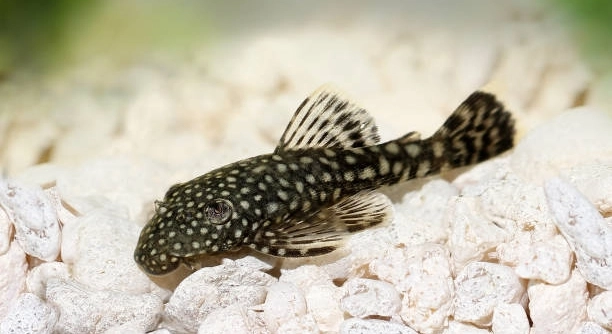
Keeping a pleco happy and healthy requires more than just feeding it regularly. Many owners underestimate how much space and care these fish really need to thrive in a tank environment. Adjustments are often necessary over time.
A pleco tank may need redesigning if it shows signs of poor water circulation, inadequate hiding spaces, excessive algae buildup, insufficient substrate, or overcrowding. These factors directly affect the fish’s health, growth, and overall well-being in captivity.
Recognizing these signals early can prevent stress and illness. A proper redesign ensures your pleco remains healthy and your tank stays balanced and enjoyable.
Poor Water Circulation
Poor water circulation can quickly affect your pleco’s health. These fish rely on clean, oxygen-rich water to thrive. Stagnant areas in the tank can cause debris to accumulate and increase ammonia levels. Over time, this creates stress and can lead to disease. Filters may be too weak or positioned incorrectly, preventing water from moving through all areas. Even if the water looks clean, hidden pockets of waste can form in corners or under decorations. Plecos tend to stay near surfaces, so stagnant zones in these areas are especially harmful. Adjusting filter placement or adding a secondary pump can help move water more evenly. It’s also important to check that your filter isn’t clogged, which can reduce flow. Regular maintenance and observing your pleco’s behavior can help identify spots where circulation is poor. A simple redesign that improves water movement supports both the health of your fish and the cleanliness of your tank.
Improving circulation keeps oxygen levels high and prevents harmful waste buildup. Plecos thrive when water moves consistently.
In addition to mechanical adjustments, consider rearranging tank decor. Rocks, driftwood, and plants can block flow if crowded. By spacing these items strategically, water can pass freely around the tank, reaching all corners. Even small changes can make a big difference, allowing your pleco to explore without encountering stagnant zones. Combining proper filter strength with smart placement ensures a healthier, more active fish.
Lack of Hiding Spaces
Plecos need secure hiding spots to feel safe and reduce stress.
Without enough shelters, plecos may hide less and become nervous or aggressive. Stress can stunt growth and weaken immunity. Adding caves, driftwood, or PVC tubes helps create safe areas.
Hiding spaces are essential for natural behavior. In the wild, plecos spend most of their time under rocks or among dense vegetation. Recreating this environment at home supports their instincts and reduces anxiety. Even small plecos benefit from multiple options spread throughout the tank. Driftwood not only provides shelter but also encourages grazing, which plecos enjoy. Using smooth rocks and stable caves prevents injury while giving the fish a sense of security. Plants can also contribute, offering shaded areas where the pleco can retreat. Observing your fish will show which areas are most used, guiding you in optimizing tank layout. A thoughtful redesign focused on shelter improves comfort, encourages natural activity, and strengthens the health of your pleco over time.
Excessive Algae Buildup
Algae growth can quickly take over a tank, making it harder to maintain clean water and a healthy environment for your pleco. Too much algae may indicate poor water quality or insufficient maintenance.
Algae can compete with plecos for oxygen and create a slippery, unsafe surface. When it grows on decorations, glass, or substrate, it reduces the amount of space your fish can safely explore. Overfeeding can worsen the problem, as leftover food accelerates algae growth. Light exposure also plays a role; tanks near windows or with long daily light cycles tend to develop more algae. Removing excess algae and adjusting feeding or lighting can improve the tank’s balance. Regular water testing helps detect nutrient imbalances that encourage algae, allowing you to address the root cause rather than just scraping surfaces. Proper cleaning and mindful tank management support both the fish and the tank’s appearance.
A pleco’s health is directly impacted by excessive algae. It can hide harmful bacteria and stress the fish if not controlled properly.
Insufficient Substrate
The substrate in a pleco tank is more than decoration; it supports natural behaviors like grazing and digging. Poor substrate can make the tank uncomfortable for your fish.
Sand or fine gravel works best for plecos because it allows them to forage safely without injuring their sensitive undersides. Rough or sharp gravel can cause damage to their fins and belly. Inadequate substrate also limits the growth of beneficial bacteria, which help process waste and maintain water quality. A thicker layer allows plecos to dig and explore, mimicking their natural habitat. Over time, accumulated waste under the substrate can become a problem if the substrate is too shallow. Adding plants or driftwood enhances the substrate’s effectiveness, giving the pleco more areas to interact with. A well-chosen substrate supports healthy behavior, encourages activity, and contributes to a balanced ecosystem in the tank.
Overcrowding
Too many fish in a tank stresses plecos and reduces water quality. Limited space can lead to aggressive behavior and stunted growth.
Overcrowding increases waste, making it harder to maintain clean water. Plecos need room to move, graze, and hide, so spacing is essential for their health.
Inadequate Tank Size
A small tank restricts your pleco’s movement and growth. Plecos can reach significant size, so they require ample space.
A larger tank provides room for swimming, hiding, and grazing, all of which are crucial for their physical and mental health. Crowded conditions can cause stress, slower growth, and increased susceptibility to disease. Choosing a tank that accommodates the adult size of your pleco ensures long-term comfort and reduces the need for frequent redesigns.
Incompatible Tank Mates
Plecos can become stressed when housed with aggressive or fast-moving fish. Choosing compatible species prevents conflicts and promotes a calm environment.
FAQ
How often should I clean my pleco tank?
Cleaning frequency depends on tank size, filtration, and the number of fish. Generally, a partial water change of 20–30% every one to two weeks helps maintain water quality. Remove uneaten food and debris during each cleaning. Over-cleaning can disrupt beneficial bacteria, so balance is important. Observing your pleco’s behavior and water clarity can guide adjustments to your cleaning schedule. Proper maintenance prevents ammonia spikes, algae buildup, and stress, keeping your pleco healthier and more active.
What is the best type of filter for a pleco tank?
Plecos produce a lot of waste, so strong mechanical and biological filtration is essential. Canister filters or large hang-on-back filters are effective for medium to large tanks. Ensure the filter generates good water flow without creating strong currents that could stress the pleco. Regularly clean the filter media to maintain efficiency while keeping beneficial bacteria intact. Using a combination of sponge filters and main filtration can provide additional oxygenation and support water quality.
How can I tell if my pleco is stressed?
Signs of stress include hiding excessively, losing appetite, swimming erratically, or showing pale coloration. Stress can also make plecos more prone to disease or fin damage. Poor water quality, overcrowding, lack of hiding spaces, or aggressive tank mates often cause these behaviors. Monitoring your pleco regularly and maintaining stable water parameters helps reduce stress. Small environmental adjustments, like adding more shelter or improving water circulation, often lead to noticeable improvements in activity and coloration.
Can plecos live with other fish?
Yes, but compatibility matters. Plecos generally do well with peaceful, slow-moving fish. Avoid housing them with aggressive species that may nip at fins or compete for food. Large or territorial plecos might dominate smaller tank mates if space is limited. Observe interactions carefully, especially during feeding, and ensure each species has enough space and hiding spots to prevent conflict. Choosing compatible fish helps maintain a calm, healthy tank environment and reduces stress for all inhabitants.
How much space does a pleco need?
Tank size depends on the pleco species. Common plecos can grow over 12 inches, requiring at least a 75–100 gallon tank for long-term health. Smaller species, like bristlenose plecos, need about 30–50 gallons. A larger tank allows swimming, hiding, and grazing without stress. Avoid underestimating adult size, as plecos continue growing over several years. Providing ample space ensures proper development, reduces territorial behavior, and supports overall well-being.
What substrate is best for plecos?
Fine sand or smooth gravel is ideal because it allows safe foraging without damaging delicate fins or undersides. Avoid sharp or rough materials that can injure the fish. A deeper layer of substrate encourages natural digging behavior and supports beneficial bacteria growth. Combining substrate with driftwood and plants creates a natural environment that promotes grazing, hides, and activity. Proper substrate contributes to a healthier, more balanced tank ecosystem.
How do I control algae in a pleco tank?
Algae growth can be managed by limiting excess light, avoiding overfeeding, and performing regular water changes. Introducing algae-eating species or maintaining a pleco that grazes naturally helps keep growth under control. Removing visible algae during cleanings prevents it from overtaking surfaces. Monitoring nutrient levels, especially nitrates and phosphates, also reduces excessive growth. Consistent maintenance and a balanced tank environment prevent algae from becoming a persistent issue while supporting your pleco’s health.
Do plecos need hiding spots?
Yes, hiding spots are essential for reducing stress and encouraging natural behavior. Driftwood, caves, and PVC tubes provide safe spaces where plecos can rest and feel secure. Multiple hiding options throughout the tank allow your pleco to choose its preferred area, improving comfort and confidence. Hiding spaces also support nocturnal activity and grazing habits, contributing to overall health and well-being.
How can I tell if my pleco tank needs redesigning?
Signs include poor water circulation, overcrowding, excessive algae, insufficient substrate, lack of hiding spots, or unusual pleco behavior. Observing these indicators helps determine what changes are necessary. Redesigning the tank to address these issues improves water quality, reduces stress, and encourages natural behaviors, supporting long-term health.
What are common mistakes pleco owners make?
Common mistakes include choosing a tank too small, insufficient filtration, overfeeding, poor water maintenance, and ignoring hiding spots. Selecting incompatible tank mates or rough substrate can also cause stress or injury. Regular observation, proper planning, and maintaining a clean, well-structured environment prevent these errors. Correcting these issues ensures the pleco thrives.
Can plecos eat anything?
Plecos are primarily herbivores, but many species also eat small amounts of protein. Providing a diet of algae wafers, vegetables, and occasional protein sources ensures balanced nutrition. Avoid feeding excessive amounts of human food or items high in fat, which can harm digestion. A varied diet mimics natural feeding habits and promotes healthy growth and activity.
How do I monitor water quality effectively?
Regular testing for ammonia, nitrites, nitrates, and pH levels is essential. Use reliable test kits and maintain a consistent schedule. Observing water clarity and behavior of your fish also indicates water health. Prompt adjustments prevent stress and disease. Maintaining stable parameters ensures a safe environment for your pleco and all tank inhabitants.
What role does driftwood play in a pleco tank?
Driftwood provides hiding spaces and encourages grazing. Many plecos rasp on wood, aiding digestion and mimicking natural behavior. It also slightly acidifies the water, which benefits certain species. Properly cleaned and placed driftwood enhances tank aesthetics while improving fish health and activity.
How do I prevent disease in plecos?
Prevent disease through clean water, appropriate tank size, compatible tank mates, and balanced nutrition. Quarantining new fish before introducing them helps avoid introducing pathogens. Observing fish for early signs of illness and addressing issues promptly minimizes risk. Preventive care keeps plecos healthy and active.
What adjustments are most effective during tank redesign?
Focus on water flow, hiding spaces, substrate, and tank size first. Adjust filtration, remove obstacles to circulation, and provide multiple shelters. Rearranging decor and adding plants or driftwood creates a more natural environment. These changes improve comfort, reduce stress, and enhance overall tank balance.
How often should I feed my pleco?
Feed daily or every other day depending on species and size. Include algae wafers, vegetables, and occasional protein. Avoid overfeeding, as leftover food leads to poor water quality. Observing appetite helps adjust feeding amounts, maintaining proper nutrition without compromising tank health.
Can plecos live long in home tanks?
Yes, with proper care, plecos can live 10–15 years or more. Adequate tank size, stable water conditions, hiding spaces, and balanced diet are essential. Regular observation and maintenance ensure longevity, making plecos a long-term commitment but rewarding addition to the aquarium.
What should I do if my pleco stops eating?
Loss of appetite often signals stress, illness, or poor water conditions. Check water quality, tank mates, and diet. Offer fresh vegetables or algae wafers, and monitor behavior closely. Early intervention usually restores feeding habits and prevents further health decline.
Are plecos nocturnal?
Yes, most plecos are more active at night. They prefer hiding during daylight and grazing after lights are dimmed. Providing shaded areas or caves supports this natural behavior, encouraging activity and reducing stress.
How do I know if my pleco is growing properly?
Consistent growth, healthy body condition, and active behavior indicate proper development. Stunted growth may result from poor diet, small tank size, or stress. Regular monitoring and proper care ensure your pleco reaches its full potential.
Is water temperature important for plecos?
Yes, plecos thrive in stable water temperatures, typically between 72–82°F (22–28°C), depending on species. Sudden fluctuations can stress fish, affect metabolism, and encourage disease. Using a reliable heater and thermometer helps maintain consistent conditions for healthy growth.
What is the best way to introduce a new pleco to my tank?
Acclimate slowly by floating the bag in the tank and gradually mixing water over 30–60 minutes. This reduces shock from temperature or water parameter differences. Carefully monitor behavior after introduction and provide hiding spots to help the pleco adjust safely.
How do I handle tank emergencies?
For sudden water quality issues, perform partial water changes immediately. Test parameters to identify the problem, and remove affected fish if needed. Keeping emergency supplies and monitoring equipment ensures quick responses, protecting your pleco and other inhabitants.
Can plecos live alone?
Yes, plecos often do well alone as long as the tank is appropriately sized and enriched with hiding spots, substrate, and driftwood. Social interaction with other plecos is not necessary for most species.
What are signs my pleco is healthy?
Bright coloration, regular grazing, active swimming, and normal fin condition indicate good health. Smooth skin and steady breathing are also positive signs. Observing behavior and physical appearance regularly ensures issues are caught early.
Do plecos need supplements or vitamins?
Occasionally offering fresh vegetables or specialized pellets provides necessary nutrients. A varied diet usually covers essential vitamins without extra supplementation. Consistency in diet supports growth, coloration, and overall well-being.
How do I maintain a stable environment long-term?
Regular water changes, proper feeding, observing fish behavior, and keeping equipment in good condition maintain stability. Adjusting decor, substrate, and filtration when needed ensures the tank remains a healthy habitat for your pleco over years.
Can plecos coexist with shrimp or snails?
Yes, most plecos are peaceful toward small invertebrates, though individual behavior varies. Providing ample hiding spots and monitoring interactions reduces risk. This combination adds diversity and helps manage algae naturally.
How do I know when it’s time for a tank upgrade?
Signs include overcrowding, slow growth, excessive waste, or visible stress. A larger tank or redesign improves space, water quality, and habitat complexity. Proactive upgrades prevent long-term health problems.
What common mistakes should I avoid when feeding plecos?
Avoid overfeeding, offering only one type of food, or feeding inappropriate human food. Excess food increases waste and reduces water quality. Balanced, varied feeding ensures nutrition while maintaining tank health.
How important is lighting for plecos?
Plecos prefer dim lighting or shaded areas. Bright or constant light can stress them. Adjustable lighting, combined with hiding spaces, supports natural activity and reduces anxiety in the tank.
Can plecos be handled safely?
Handling should be minimal. Their rough skin and spines can cause injury, and stress can affect health. Use a net or container only when necessary, such as during tank maintenance or relocation.
How can I tell if my pleco is happy?
A happy pleco actively grazes, explores, and uses hiding spots appropriately. Bright coloration and calm behavior are positive indicators. Observing daily patterns helps ensure comfort and well-being.
Is it necessary to quarantine new plecos?
Yes, quarantining prevents introducing disease to an established tank. Observe the new fish for at least two weeks, checking for signs of illness before adding it to the main tank.
Do plecos need live plants?
Not strictly, but live plants improve water quality, provide shade, and offer grazing surfaces. They enhance the environment, supporting natural behaviors and contributing to a balanced tank ecosystem.
How do I encourage natural grazing behavior?
Provide driftwood, algae wafers, vegetables, and surfaces for rasping. A varied environment encourages movement and reduces boredom, supporting digestive health and overall activity.
Can plecos survive in low-tech tanks?
Yes, but filtration, water changes, and hiding spaces remain essential. Low-tech setups require careful monitoring to maintain stable water conditions. Proper planning ensures the pleco thrives even with simpler equipment.
What is the most important factor for pleco health?
Stable water quality, adequate space, hiding spots, and a balanced diet are critical. Monitoring behavior, performing maintenance, and making adjustments ensure long-term well-being and comfort.
How do I prevent plecos from injuring themselves?
Avoid sharp decorations, rough substrate, and aggressive tank mates. Smooth surfaces, ample hiding spots, and proper layout reduce the risk of cuts or fin damage while allowing safe exploration.
Do plecos need constant supervision?
Regular observation is enough. Check water parameters, feeding, and behavior daily or weekly. Immediate supervision is only necessary during water changes, tank redesigns, or when introducing new fish.
Can plecos be left alone for long periods?
Yes, plecos are hardy, but water quality and food must be maintained. Automatic feeders and proper filtration help if you are away for short periods. Regular checks remain important.
What should I do if my pleco becomes aggressive?
Check tank size, hiding spaces, and tank mates. Aggression often stems from stress or territorial disputes. Rearranging decor, adding shelters, or separating fish can reduce conflict and restore harmony.
How do I know if my pleco is eating enough?
Observe grazing patterns, appetite, and body condition. Consistent feeding and growth indicate sufficient intake. Adjust food type or amount if signs of malnutrition appear.
Is water hardness important for plecos?
Yes, most plecos prefer moderately soft to slightly hard water. Testing and adjusting hardness ensures comfort and supports natural behavior and growth.
Can plecos adapt to new tanks easily?
With proper acclimation, plecos adjust well. Gradually introducing them to new water parameters and providing familiar hiding spots reduces stress and encourages exploration.
How often should I test water parameters?
Testing once a week is sufficient for stable tanks, but increase frequency during changes or if issues arise. Regular monitoring ensures a safe environment.
What are the signs of a healthy pleco tank?
Clear water, active fish, balanced algae growth, and stable parameters indicate a well-maintained tank. Observing these signs confirms that care routines are effective.
How do I prevent overgrowth of algae while feeding my pleco?
Feed measured amounts, remove uneaten food, and balance lighting. Regular water changes and algae-eating additions help maintain control without harming the pleco.
Can plecos be left with aggressive species?
No, aggression increases stress, injury, and disease risk. Only peaceful, compatible species should share a tank with plecos to maintain safety and well-being.
How do I maintain proper pH for plecos?
Test water regularly and adjust using buffers if needed. Most plecos prefer slightly acidic to neutral pH. Maintaining stability reduces stress and supports health.
Are plecos sensitive to chlorine or chloramine?
Yes, untreated tap water can harm plecos. Always use a water conditioner to neutralize chlorine and chloramine before adding water to the tank.
How do I prevent plecos from escaping?
Ensure lids are secure, and openings are covered. Plecos can climb or jump, especially during feeding or cleaning, so proper tank security is essential for safety.
Can plecos live with goldfish?
Plecos can coexist with goldfish if tank size is sufficient, but differing temperature and water requirements must be considered. Monitor interactions and adjust conditions for both species.
How do I know if my pleco is ready to breed?
Mature plecos show size, coloration, and active hiding behavior. Providing caves, clean water, and proper diet encourages breeding instincts in compatible pairs.
What should I do if my pleco gets sick?
Isolate the fish, test water quality, and provide treatment as needed. Early intervention, proper care, and monitoring recovery improve survival chances.
Can plecos live in brackish water?
Most plecos prefer freshwater. Only specific species tolerate brackish conditions. Research your species before adjusting water chemistry to avoid stress or illness.
How do I make a pleco comfortable in a new tank?
Provide hiding spots, familiar substrate, and stable water parameters. Gradual acclimation and minimal disturbance allow the fish to adjust confidently.
Are plecos compatible with bettas?
Usually yes, if the pleco is large enough to avoid harassment. Ensure hiding spaces and monitor behavior to prevent stress or conflict.
How long can plecos survive without food?
Short periods, generally a few days, are manageable. Longer fasting stresses the fish and affects health. Always provide consistent feeding for well-being.
Can plecos eat frozen or live foods?
Yes, small amounts of frozen or live foods supplement diet. Prioritize algae and vegetables as the main nutrition source.
What’s the best temperature range for plecos?
Most thrive in 72–82°F (22–28°C). Consistency is key, as fluctuations stress the fish and can trigger illness.
How do I encourage my pleco to explore the tank?
Provide varied hiding spots, driftwood, and open swimming areas. Changing decor occasionally keeps the environment stimulating without causing stress.
Are plecos compatible with tetras?
Yes, peaceful tetras generally coexist well. Ensure adequate space, hiding spots, and monitor interactions to prevent stress or accidental harm.
Can plecos survive in a bare-bottom tank?
Yes, but providing substrate and hiding spots improves comfort, reduces stress, and encourages natural grazing behavior. Bare-bottom tanks are easier to clean but less stimulating.
How do I know if my pleco is shedding skin or slime coat?
Occasional sloughing is normal. Excessive shedding, discoloration, or lesions indicate stress, poor water quality, or illness requiring attention.
Can plecos tolerate fluctuating temperatures?
No, sudden changes stress plecos and increase disease risk. Stable heating or cooling maintains comfort and health.
How do I prevent plecos from injuring each other?
Provide ample hiding spots, avoid overcrowding, and monitor behavior. Territorial disputes often arise when space is limited or resources are scarce.
Can plecos live in a small community tank?
Yes, if tank size, filtration, and hiding spots meet their needs. Avoid aggressive or fin-nipping species to maintain harmony.
What’s the ideal lighting schedule for plecos?
A 10–12 hour light period with shaded areas supports natural behavior and reduces stress. Avoid continuous bright lighting.
How do I reduce stress during water changes?
Perform gradual changes, maintain stable temperature, and avoid sudden disturbances. Using a gentle siphon and partial changes minimizes stress on the pleco.
Can plecos live with cichlids?
It depends on species. Peaceful cichlids may coexist, but aggressive or territorial types often stress plecos. Provide hiding spaces and monitor interactions.
What signs indicate overfeeding?
Uneaten food, cloudy water, excess algae, and weight gain in the pleco indicate overfeeding. Adjust portions to maintain water quality and fish health.
Can plecos tolerate low oxygen levels?
No, plecos need well-oxygenated water. Poor circulation
Final Thoughts
Maintaining a healthy pleco tank requires attention to multiple aspects of care, and small adjustments can make a big difference. Plecos are resilient fish, but their long-term health depends on a stable and well-maintained environment. Observing their behavior regularly helps identify problems early, whether it is stress, lack of hiding spaces, or poor water quality. Simple actions like cleaning the tank on schedule, rearranging decor to improve circulation, and providing enough substrate and shelters can prevent many common issues. Paying attention to these details not only keeps the pleco active and healthy but also reduces the risk of disease and stress, which can affect overall tank harmony. Taking the time to understand the specific needs of your pleco allows you to create an environment that supports both natural behavior and comfort.
A well-designed tank benefits more than just the pleco; it makes maintenance easier and the aquarium more enjoyable to watch. Proper filtration and water circulation ensure that harmful waste does not accumulate, while the right tank size and layout give the pleco room to explore and graze naturally. Including driftwood, caves, and smooth substrate mimics the fish’s natural habitat, reducing stress and encouraging activity. Overcrowding and aggressive tank mates should be avoided because they can lead to injuries, stunted growth, or behavioral issues. By taking these considerations seriously, the tank becomes a safer, more balanced environment. Consistent observation and small, thoughtful changes often prevent major redesigns later, saving time and effort in the long run. Even subtle changes, like moving a cave or adjusting plant placement, can have a noticeable effect on your pleco’s comfort and behavior.
Pleco care is a long-term commitment, and each fish has unique preferences and behaviors. Being proactive about tank layout, water quality, and diet ensures that your pleco thrives over the years. Monitoring water parameters, feeding a balanced diet, and providing suitable hiding spots create a supportive environment where the fish can grow, explore, and display natural behavior. Redesigning a tank is not always about fixing something broken; it can also be about improving the quality of life for your pleco and enhancing your own experience as a caretaker. By understanding these key factors and acting on them, you can maintain a tank that is both healthy and visually appealing. Over time, these efforts create a stable, low-stress environment that benefits the pleco and contributes to a more enjoyable, satisfying aquarium experience. A thoughtful approach to tank management ensures that your pleco can live a long, healthy, and active life.

Hello,
If you enjoy the content that we create, please consider saying a "Thank You!" by leaving a tip.
Every little bit helps us continue crafting quality advice that supports the health, happiness, and well-being of pets around the world, for pets of all shapes, sizes, and species.
We really appreciate the kindness and support that you show us!