
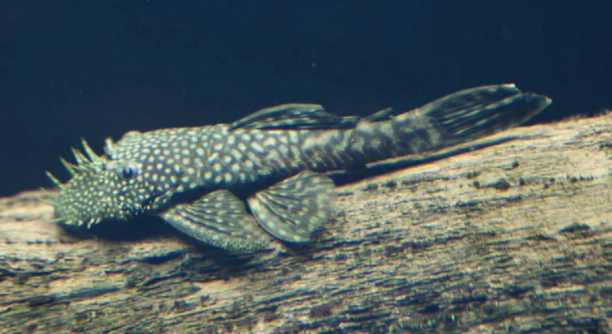
Bristlenose plecos are small, peaceful fish often kept in home aquariums. They are admired for their algae-eating abilities and calm demeanor, making them a favorite among hobbyists who enjoy observing gentle interactions in their tanks.
Bristlenose plecos can be trained for handfeeding with patience and consistency. Gradual exposure to the owner’s hand, offering small portions of food, and maintaining a regular feeding routine encourages the fish to approach and accept food directly from the hand.
Learning how to handfeed your pleco can enhance your bond with it. Understanding the training process ensures both safety and a rewarding experience for your fish.
Understanding Bristlenose Pleco Behavior
Bristlenose plecos are naturally cautious and shy fish. They prefer hiding during the day and become more active at night. Observing their habits helps in training them for handfeeding. They rely on a strong sense of smell to find food, which makes gradual familiarization with your presence important. Sudden movements or tapping on the tank may startle them. Plecos are also territorial to some extent, so providing hiding spaces like caves or driftwood reduces stress and promotes confidence. Over time, consistent feeding routines build recognition and trust. Using small, manageable pieces of food encourages them to explore your hand without fear. Patience is essential, as forcing interaction can lead to avoidance behavior. Tracking their daily activity patterns helps identify the best times for handfeeding. With a calm approach, plecos can learn to associate your hand with a safe source of food.
Training requires consistency and gentle handling to avoid startling the fish.
Bristlenose plecos respond well to routine and repetition. Feeding at the same time and in the same manner strengthens recognition. Introducing your hand gradually, offering food nearby, then closer over days or weeks, helps them become comfortable. Observing their reactions and adjusting based on comfort levels ensures the fish remains relaxed. Providing adequate hiding spots encourages exploration while keeping stress low.
Tips for Successful Handfeeding
Start with small pieces of food placed near hiding spots.
Offering food directly from your hand involves patience and careful observation. Begin by letting the pleco see the food in your hand, allowing it to approach at its own pace. Avoid sudden movements, and keep your hand steady. Slowly extend your hand closer over multiple sessions. Maintaining a quiet environment prevents distractions and reduces stress, increasing success. Rewarding even brief approaches reinforces the behavior, while retreating when the fish seems uncomfortable ensures trust is maintained. Variety in food types, such as algae wafers, blanched vegetables, or sinking pellets, keeps the pleco interested and encourages repeated handfeeding. Monitoring water conditions and tank cleanliness ensures a healthy environment, making plecos more willing to interact. Over time, consistent practice strengthens their recognition of your hand as a safe and reliable food source.
Regular practice and gentle interactions build comfort and trust. Avoid rushing or forcing contact, as stress can reverse progress. Understanding each pleco’s personality helps tailor handfeeding sessions, leading to enjoyable, calm interactions that benefit both the fish and the owner. Consistency, patience, and observation are the keys to success.
Preparing Your Tank for Handfeeding
Ensuring the tank is suitable is crucial for successful handfeeding. Provide hiding spots, maintain stable water conditions, and keep the tank clean. A calm environment helps plecos feel safe, making them more likely to approach your hand.
Stable water parameters, including temperature, pH, and filtration, reduce stress in plecos. Consistent lighting and minimal sudden disturbances encourage natural behavior, making them more receptive to handfeeding. Adding caves, driftwood, or plants gives them secure spaces to retreat, which builds confidence. Observing their favorite hiding spots helps determine where to introduce food initially. Removing excess algae and debris prevents competition for attention, ensuring the fish focuses on the food offered by hand.
Feeding tools and techniques also affect success. Sinking wafers or blanched vegetables work best. Breaking food into small portions ensures the pleco can easily grab it without hesitation. Using tongs or fingers, introduce food gradually, allowing the fish to adjust to your presence. Regularly rotating feeding spots within the tank helps maintain engagement. Over time, the fish learns that the hand is a safe and reliable source of nourishment. Patience is key.
Common Challenges and Solutions
Some plecos remain shy or hesitant despite preparation. Avoid forcing interaction, which increases stress and delays progress.
Shyness can result from new tank conditions, overcrowding, or prior disturbances. Gradual exposure and short sessions encourage exploration. Tracking behavior helps identify the most comfortable feeding times. Removing overly curious or aggressive tank mates reduces competition and intimidation. Using consistent food types helps the fish form positive associations. Environmental enrichment like small caves and gentle water flow fosters confidence. Repeating these steps daily strengthens recognition and reduces fear.
In some cases, plecos may initially refuse handfeeding entirely. Slowly introducing food near hiding spots and allowing the fish to approach on its own schedule promotes comfort. Observing their reactions ensures sessions are adjusted to prevent stress. Combining patience with consistent feeding routines gradually leads to acceptance of handfeeding. Monitoring water quality and maintaining a predictable environment reduces anxiety and supports healthy behavior. Even a few small successful interactions build trust and encourage future attempts.
Choosing the Right Food
Selecting suitable food is essential for handfeeding success. Algae wafers, blanched vegetables, and sinking pellets are ideal options. Avoid oversized or hard pieces that plecos cannot easily manage.
Freshness matters. Offer clean, uncontaminated food to prevent stress or illness. Rotate food types to maintain interest and encourage consistent handfeeding behavior.
Timing and Routine
Consistency in timing helps plecos anticipate feeding and associate your hand with food. Short, regular sessions are more effective than occasional long ones. Observing their natural activity patterns allows you to choose the optimal feeding moments, typically in the evening when they are more active.
Observing Responses
Monitor how your pleco reacts to your hand. Signs of hesitation or retreat indicate the need to slow down. Patience ensures comfort and builds trust over time.
Safety Considerations
Always wash hands before feeding to remove residues. Avoid sudden movements to prevent startling the fish. Maintaining calm, gentle interactions ensures the pleco remains confident and stress-free during handfeeding.
FAQ
Can all bristlenose plecos be trained for handfeeding?
Not all plecos respond the same way, but most can learn with patience. Individual personality plays a role. Shy or stressed fish may take longer to approach your hand. Creating a calm environment and offering small, manageable pieces of food increases the likelihood of success. Consistency is key.
How long does it take for a pleco to accept handfeeding?
It varies. Some fish may take a few days, while others need several weeks. Short, consistent sessions are more effective than long, sporadic attempts. Observing their behavior allows you to adjust the pace. Avoid forcing interaction to prevent setbacks.
What types of food work best for handfeeding?
Sinking wafers, blanched vegetables like zucchini or cucumber, and small pellets are ideal. Food should be soft enough to grab easily but not crumble excessively. Rotating food types helps maintain interest and ensures nutritional variety.
How often should I handfeed my pleco?
Daily sessions work best for building recognition. Keep sessions short, around 5–10 minutes, to avoid stressing the fish. Handfeeding can supplement regular feeding but should not replace a balanced diet.
What if my pleco retreats or hides?
This is normal, especially at first. Reduce the frequency of attempts and allow the fish to approach on its own. Ensure hiding spots are available, and maintain calm movements. Over time, the pleco will associate your hand with food.
Can handfeeding harm my pleco?
If done carefully, it is safe. Avoid feeding too much at once or using contaminated food. Sudden movements or tapping the tank can stress the fish. Always wash hands and handle food gently.
Should I use my fingers or tongs for handfeeding?
Either can work. Fingers allow the fish to explore naturally, while tongs help if the fish is extremely shy. Start with tongs if needed, then transition to your hand as the pleco becomes comfortable.
What is the best time of day for handfeeding?
Evening or when the fish are naturally active is best. Plecos are nocturnal, so patience during daytime sessions is necessary. Observing their activity patterns will indicate optimal moments for offering food.
Can multiple plecos be handfed at once?
Yes, but space and hierarchy matter. Some plecos may dominate food access. Feeding individually or spacing them out prevents stress and ensures each fish gets a fair chance to interact with your hand.
How can I tell if my pleco is comfortable with handfeeding?
Signs include approaching the hand willingly, nibbling without hesitation, and staying calm during feeding. Retreating, sudden movements, or ignoring food indicates the need for slower pacing or additional observation.
Is handfeeding stressful for plecos?
It can be if done incorrectly. Rushing, sudden movements, or overcrowded tanks increase stress. Gradual exposure, short sessions, and a calm approach reduce risk and help the fish associate handfeeding with safety.
Can handfeeding improve my bond with the fish?
Yes. Plecos learn to recognize your presence and associate it with food. This interaction builds trust and familiarity, making observation and care more enjoyable. Patience and consistency strengthen this connection over time.
How do I know if I am overfeeding during handfeeding sessions?
Offer only small amounts that can be consumed within a few minutes. Excess uneaten food should be removed to prevent water quality issues. Regular tank maintenance ensures health and prevents overfeeding complications.
What should I avoid when handfeeding plecos?
Avoid sudden hand movements, tapping the tank, using overly hard food, and forcing interaction. All these can stress the fish and delay progress. Gentle, consistent practice is essential for success.
Can juveniles be handfed the same way as adults?
Yes, but juveniles are often more cautious. Smaller portions and slower introductions are recommended. Providing secure hiding spots and a calm environment helps build confidence and encourages exploration.
How does tank setup affect handfeeding success?
A well-structured tank with hiding spaces, clean water, and stable parameters reduces stress. Plecos feel safer and more willing to explore your hand. Observing their preferred spots helps determine where to introduce food first.
Can handfeeding replace regular feeding?
No, handfeeding is a supplement, not a replacement. Plecos require a balanced diet. Continue offering standard feedings, with handfeeding used to enhance interaction and encourage natural foraging behavior.
What if my pleco bites my hand?
Bites are rare and usually gentle nibbles. If it occurs, withdraw calmly and reduce frequency. Avoid sudden movements, which can startle the fish. Gentle interactions prevent aggressive behavior from developing.
Is it necessary to maintain a strict routine?
Yes, routine fosters recognition and reduces anxiety. Plecos respond well to predictable feeding times and consistent methods, which encourages them to approach your hand confidently.
How do I handle multiple fish with different personalities?
Observe each individually. Some may be bold, others shy. Adjust sessions to each fish’s comfort level, offering separate introductions or staggered handfeeding times to prevent competition or stress.
Can handfeeding improve health?
Indirectly, yes. It encourages activity, natural foraging, and ensures the fish is eating properly. Combined with a balanced diet, handfeeding supports overall well-being.
How long should each handfeeding session last?
Keep sessions brief, about 5–10 minutes. Longer periods can cause stress. Short, consistent interactions yield better results and help maintain calm behavior.
Are there any signs my pleco is ready for more direct interaction?
Approaching without hesitation, staying near your hand, and actively taking food indicate comfort. Gradual increases in interaction help reinforce trust and confidence.
How do I troubleshoot slow progress?
Reassess the environment, ensure calm conditions, reduce distractions, and adjust food size. Patience is essential; progress may be gradual depending on the fish’s personality and stress levels.
Can handfeeding be done with other fish present?
Yes, but avoid aggressive or fast-moving tank mates that may intimidate the pleco. Spacing or temporary separation during sessions improves focus and safety.
What is the best way to end a handfeeding session?
Stop when the pleco shows signs of disinterest or hesitation. Remove leftover food and allow the fish to retreat. Ending on a positive note maintains trust and encourages future sessions.
How do I prevent over-dependence on handfeeding?
Continue regular feeding routines. Use handfeeding as an occasional interaction, ensuring the pleco can find food independently while maintaining interest in your presence.
What if my pleco never fully accepts handfeeding?
Some individuals may remain hesitant. Respect their personality and continue providing a safe, calm environment. Even partial interaction can be rewarding without forcing behavior.
Does handfeeding affect tank cleanliness?
Yes, uneaten food can affect water quality. Remove leftover portions promptly and monitor tank parameters to maintain a healthy environment.
How important is water temperature during handfeeding?
Stable temperature supports natural activity levels. Fluctuations can stress the fish, reducing willingness to approach your hand. Maintain consistent conditions for optimal results.
Can handfeeding be combined with other training techniques?
Yes. Using visual cues or offering food in predictable locations helps reinforce recognition and comfort. Combining gentle methods increases success.
What are signs of stress to watch for?
Hiding excessively, rapid swimming, or refusing food indicates stress. Adjust pace, reduce disturbances, and ensure safe hiding spots to alleviate discomfort.
Are there specific hand positions that work best?
Keeping the hand steady and slightly angled toward the food encourages exploration. Avoid sudden movements or hovering directly over the fish, which can be intimidating.
Can plecos handfeed in community tanks?
Yes, but monitor interactions. Dominant fish may prevent access. Providing multiple feeding spots and observing behavior ensures all plecos have a chance to engage safely.
How can I encourage repeated interaction?
Short, calm sessions with varied but manageable food maintain interest. Consistency, patience, and observing reactions encourage repeated, stress-free interactions.
Can handfeeding affect social behavior in the tank?
Indirectly, yes. Confident plecos may explore more and interact calmly with tank mates. Stress reduction from gentle feeding improves overall behavior.
Is there a risk of injury to the fish?
Minimal if done gently. Avoid sudden movements, oversized food, or contaminated items. Safe handling protects both you and the pleco.
Does age affect handfeeding success?
Juveniles may be more cautious, adults more predictable. Adjust pace and food size according to age, always prioritizing comfort and gradual introduction.
Can handfeeding help with monitoring health?
Yes. Regular interaction allows you to notice changes in appetite, activity, or appearance early, aiding in prompt care and treatment.
How can I maintain motivation for handfeeding sessions?
Keep sessions brief, varied, and calm. Observing gradual progress and small successes maintains interest and ensures consistent practice.
Is handfeeding suitable for all tank sizes?
Yes, but space matters. Smaller tanks require careful management of multiple fish. Adequate hiding spaces and calm areas improve handfeeding success.
Can stress from handfeeding affect long-term health?
If done incorrectly, yes. Gentle, consistent practice and safe food prevent stress, supporting overall well-being.
Are there alternatives if handfeeding fails?
Yes. Placing food in predictable spots encourages exploration and engagement without direct contact, still providing enrichment and observation opportunities.
How do I know when to stop a session?
When the pleco shows hesitation or disinterest, end the session. Removing food and allowing retreat maintains positive association and encourages future attempts.
Can handfeeding be resumed after a break?
Yes. Slowly reintroduce your hand with small portions. Maintaining calm, consistent sessions rebuilds comfort and trust over time.
Does handfeeding require special preparation?
Only cleanliness and suitable food. Wash hands, use manageable portions, and ensure calm conditions to create a safe environment.
What environmental factors most affect handfeeding success?
Tank layout, water quality, hiding spots, and minimal disturbances all influence willingness to approach and accept food from your hand.
Is patience the most important factor?
Absolutely. Gradual exposure, gentle interactions, and consistent routines are the foundation for successful handfeeding and trust-building.
Can handfeeding affect breeding behavior?
Not directly, but reducing stress and providing consistent food supports overall health, which may influence natural breeding behaviors in the tank.
How do I know if my efforts are working?
Even brief approaches, nibbling from your hand, and reduced hesitation indicate progress. Celebrate small successes and continue consistent practice.
Are there long-term benefits to handfeeding?
Yes. It fosters recognition, reduces stress, encourages activity, and strengthens observation skills, creating a calm and engaging environment for both the fish and caretaker.
How do I troubleshoot persistent avoidance?
Check water parameters, reduce disturbances, ensure hiding spots, adjust food size, and slow the pace. Respect the fish’s comfort level while encouraging gradual exploration.
Can handfeeding be combined with health checks?
Yes. Observing the fish during sessions allows monitoring of appetite, fins, and behavior, supporting early detection of potential health issues.
Is it normal for progress to plateau?
Yes. Fish may need time to adjust before continuing interaction. Maintain routine, patience, and calm conditions to encourage eventual success.
What is the overall key to successful handfeeding?
Patience, consistency, calm handling, suitable food, and observing the pleco’s responses. Respecting individual personalities ensures a positive, stress-free experience.
Can handfeeding influence tank dynamics?
Confident plecos may explore more freely and interact calmly with others. Proper spacing and careful observation prevent competition and stress.
Is it important to track feeding sessions?
Yes. Monitoring frequency, duration, and reactions helps refine techniques and ensures the fish remains comfortable and healthy.
Do plecos enjoy handfeeding?
They may not show affection like some species, but handfeeding reduces stress and provides enrichment, making the experience positive and rewarding for them.
Can handfeeding be resumed after water changes?
Yes, but give time for the fish to settle. Calm, brief sessions re-establish comfort and trust after any environmental changes.
Are there age-specific considerations for handfeeding?
Juveniles may be more cautious and need smaller food pieces. Adults respond more consistently, though patience is still required for full acceptance.
Can handfeeding reduce tank aggression?
Indirectly, by reducing stress and creating predictable feeding routines. Confident plecos are less likely to hide or act defensively.
What is the role of observation during handfeeding?
Careful observation allows adjustment of pace, food type, and location, ensuring comfort, safety, and a higher likelihood of successful interaction.
How do I balance handfeeding with standard feeding?
Use handfeeding as a supplement. Continue regular feeding schedules to provide a balanced diet while encouraging engagement and recognition.
Can handfeeding be used for behavioral enrichment?
Yes. It encourages natural foraging, reduces boredom, and promotes exploration, enhancing overall well-being in the tank.
What if multiple plecos fight over handfed food?
Space them out or feed individually. Ensure enough hiding spots and distribute food evenly to reduce stress and prevent aggression.
Does the handfeeding method affect tank cleanliness?
Yes, uneaten food should be removed promptly. Maintaining clean water prevents health issues and supports long-term success.
Is handfeeding suitable for all pleco sizes?
Yes, but adjust food size to match the fish’s mouth. Oversized pieces can discourage participation or cause frustration.
Can handfeeding influence growth?
It can indirectly by ensuring adequate nutrition and encouraging active foraging, contributing to healthy development.
How do I maintain consistency over time?
Set a routine, observe reactions, and use short, calm sessions. Gradually, handfeeding becomes a reliable and stress-free part of care.
What role does water quality play?
Clean, stable water reduces stress, making plecos more willing to interact. Regular monitoring ensures a safe environment for handfeeding.
Can handfeeding be combined with other enrichment methods?
Yes. Offering food in hiding spots, rotating locations, or introducing new textures encourages exploration and reduces boredom.
How do I prevent overfeeding during handfeeding?
Offer small amounts only, monitor consumption, and continue regular feedings to maintain balance. Remove leftovers promptly.
What is the recommended pace for introducing handfeeding?
Slow and steady. Gradual exposure, short sessions, and patient repetition encourage comfort without stress or hesitation.
Are there specific signs that indicate readiness for handfeeding?
Approaching food, reduced hiding, and curiosity indicate readiness. Respect timing and adjust pace based on the fish’s reactions.
Does handfeeding require special handling techniques?
Only gentle, calm movements. Keep food small, steady, and close to the fish without forcing contact.
Can handfeeding reduce stress in plecos?
Yes. Predictable sessions, safe interactions, and gradual exposure create a calmer environment and improve overall behavior.
How important is food variety in handfeeding?
Variety maintains interest and ensures balanced nutrition. Rotating wafers, vegetables, and pellets encourages engagement and prevents monotony.
Is handfeeding more effective in solitary or community tanks?
Solitary or well-managed community tanks work best. Reduce competition and allow safe, focused interactions for maximum success.
Can handfeeding help detect illness early?
Yes. Observing appetite, response to food, and behavior during sessions allows early detection of potential health issues.
What should I do if progress reverses?
Slow down, reassess tank conditions, reduce disturbances, and return to smaller, gentler sessions. Patience restores confidence.
Is there a risk of dependency on handfeeding?
Minimal if standard feeding continues. Handfeeding should supplement routine, not replace it, ensuring the fish remains self-sufficient.
How do I encourage repeat sessions without stress?
Short, calm, and consistent interactions with small portions of food keep the pleco comfortable and engaged.
Can handfeeding influence temperament?
Yes, it promotes confidence and reduces hiding, indirectly affecting interactions with tank mates.
What environmental adjustments improve handfeeding success?
Stable water, hiding spaces, minimal noise, and consistent lighting create a safe, predictable environment conducive to interaction.
Are there long-term behavioral benefits?
Yes. Plecos become more confident, curious, and easier to monitor, improving care and interaction quality.
How do I measure handfeeding success?
Frequency of approaches, calm behavior, and willingness to take food directly from your hand indicate progress.
Can handfeeding replace other forms of enrichment?
No, but it complements them. Combined with hiding spots, varied foods, and gentle stimulation, it enhances overall engagement.
What are the key takeaways for effective handfeeding?
Patience, consistency, calm approach, suitable food, and observing the fish’s reactions. Respect their personality and comfort level for lasting success.
How do I adjust if multiple plecos have different comfort levels?
Feed individually or stagger sessions. Observe each fish and tailor the pace and food accordingly, ensuring a safe and stress-free experience.
Can handfeeding be stressful if not done correctly?
Yes. Sudden movements, forcing contact, or poor water conditions increase stress. Gentle, patient practice avoids negative outcomes.
Is monitoring necessary during handfeeding?
Yes. Watching reactions helps adjust techniques, identify stress, and ensure safety while building trust.
Does handfeeding require special tools?
Not necessarily. Fingers or tongs can work, depending on the fish’s comfort and shyness level.
How do I prevent boredom during handfeeding?
Rotate food types, feeding spots, and use short sessions to maintain interest and engagement without overwhelming the fish.
Are there any health precautions?
Always use clean hands, uncontaminated food, and remove leftovers promptly. Monitor water quality to prevent illness.
Can handfeeding be combined with visual cues?
Yes. Associating specific movements or positions with food reinforces recognition and encourages interaction.
What if a pleco bites unexpectedly?
Bites are usually gentle nibbles. Withdraw calmly and reduce session intensity. Avoid sudden movements to prevent stress or escalation.
Is handfeeding suitable for all ages and sizes?
Adjust food size and pace according to age and size. Juveniles need smaller portions and slower introductions; adults are generally more predictable.
Can handfeeding encourage exploration of the tank?
Yes. Gradual exposure to food in different areas stimulates activity and reduces hiding tendencies.
What role does trust play in handfeeding?
Trust is central. Calm, consistent sessions and respecting comfort levels build recognition and willingness to interact.
How do I know when to advance handfeeding techniques?
Signs include approaching without hesitation, sustained interest, and
Final Thoughts
Handfeeding bristlenose plecos requires patience, consistency, and careful observation. Each fish has a unique personality, so some may take longer to adjust than others. Success depends largely on creating a calm environment, maintaining stable water conditions, and providing hiding spaces where the fish can feel secure. Gradual exposure to your hand and offering small, manageable portions of food encourage the pleco to explore without fear. Forcing interaction or rushing the process can cause stress and reduce the likelihood of success. Over time, a steady routine builds recognition and trust, making the fish more willing to approach and accept food directly from your hand. Even brief interactions can be meaningful, demonstrating that calm, predictable behavior encourages positive responses. By observing their natural activity patterns, you can choose the best moments to handfeed, which increases comfort and engagement.
Choosing the right type of food is another critical factor. Sinking wafers, blanched vegetables, and small pellets work best because they are easy to grasp and nutritious. Rotating food types keeps the pleco interested and ensures a balanced diet. Offering portions that the fish can consume in a short time prevents leftover food from polluting the tank. Clean water, consistent feeding schedules, and minimal disturbances help reduce stress, making the pleco more likely to associate your hand with a safe source of food. Patience is especially important when training juveniles, who may be naturally cautious, but adults also benefit from a calm and structured approach. Maintaining a gentle and predictable routine is more effective than sporadic or overly long sessions, allowing the fish to gradually adjust to interaction.
Handfeeding is more than just providing food—it is an opportunity to observe behavior, monitor health, and create a calmer, more engaging tank environment. Even if the pleco does not fully accept handfeeding, the process strengthens your understanding of its needs and personality. Monitoring reactions during sessions helps identify signs of stress or hesitation, allowing adjustments to maintain comfort. When done correctly, handfeeding can support activity, reduce hiding, and improve overall confidence, which indirectly benefits interactions with other tank mates. While it may require time and effort, the rewards are a calmer, more confident fish and a more enjoyable, interactive aquarium experience. By prioritizing patience, consistency, and careful observation, handfeeding becomes a positive practice that supports the health and well-being of bristlenose plecos while enhancing your connection with them.

Hello,
If you enjoy the content that we create, please consider saying a "Thank You!" by leaving a tip.
Every little bit helps us continue crafting quality advice that supports the health, happiness, and well-being of pets around the world, for pets of all shapes, sizes, and species.
We really appreciate the kindness and support that you show us!