
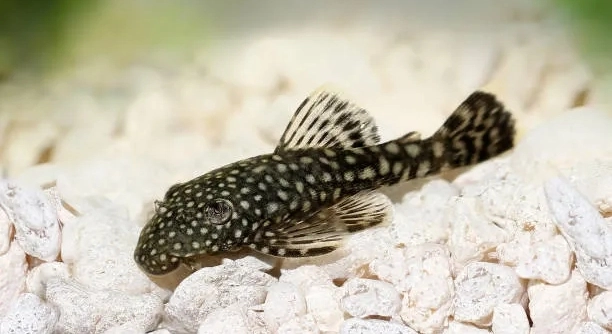
Do you ever find yourself wondering how to make your Bristlenose Pleco feel more at home in your aquarium? Adding natural elements can greatly improve their environment and overall well-being in subtle ways.
Adding driftwood to a Bristlenose tank provides essential benefits, including improved water quality, natural grazing surfaces, hiding spaces, and stimulation of natural behaviors. It supports their health, encourages growth, and mimics their natural habitat effectively.
Beyond simple decoration, driftwood plays an important role in maintaining a balanced and engaging environment for Bristlenose, enhancing both their physical health and overall comfort in the aquarium.
Natural Hiding Spots
Bristlenose Plecos are naturally shy and often seek out places to hide. Driftwood provides nooks and caves that mimic their natural river habitats, giving them security and reducing stress. This is particularly important in community tanks, where more active fish may overwhelm them. The presence of hiding spots encourages natural behaviors, such as grazing on surfaces and resting in shaded areas. In addition, driftwood can slow down water currents in certain spots, creating calm areas where Bristlenose can rest safely. Even small pieces of driftwood can make a noticeable difference, offering shelter during molting or periods of low activity. Over time, they will repeatedly use these areas, showing comfort and adaptation to their surroundings. Providing multiple pieces allows for exploration and prevents territorial disputes. Proper placement is crucial; pieces should be stable to prevent tipping or floating. Cleaning driftwood before adding it ensures water clarity is maintained.
Hiding spaces from driftwood reduce stress and support natural behavior patterns, making Bristlenose feel secure and healthier in the aquarium.
Regular use of driftwood for hiding not only protects Bristlenose from stress but also encourages grazing and resting behaviors. Observing how they interact with different shapes and textures can reveal preferences and enhance tank layout decisions. Multiple hiding spots prevent competition and territorial disputes, especially in smaller aquariums. Driftwood also contributes to water chemistry by slowly releasing tannins, which slightly lower pH and create a more natural environment. This combination of structural and chemical benefits helps replicate their native rivers, supporting long-term health. The tactile surfaces of driftwood encourage foraging, allowing Bristlenose to scrape biofilm and algae efficiently, improving nutrition. Driftwood pieces with overhangs or hollowed sections add variety and visual interest, promoting exploration and reducing boredom. Choosing driftwood that is safe, untreated, and properly soaked ensures it will not release harmful substances. Over time, it will become an integrated part of the tank, blending with plants and decorations while providing continuous benefits.
Promotes Natural Grazing
Driftwood provides an ideal surface for Bristlenose to graze on algae and biofilm, which are essential for their diet. It encourages constant activity and maintains their natural feeding habits.
Grazing on driftwood helps Bristlenose maintain proper digestive health while offering mental stimulation and satisfying their instinctual behaviors.
Introducing driftwood allows Bristlenose to scrape and feed naturally, improving digestive function and nutrient intake. Algae accumulation on driftwood supports their grazing without overfeeding. It also reduces stress by keeping them occupied and mimicking natural conditions. In community tanks, driftwood surfaces provide private grazing areas, preventing competition with other fish for food. The textures and irregular surfaces of driftwood increase feeding efficiency, while tannins released from the wood enhance water conditions and slightly acidify the environment, replicating their native rivers. Regularly observing grazing behavior helps ensure Bristlenose are active and healthy, adjusting tank maintenance or placement if necessary. Using driftwood strategically improves both the physical and mental well-being of the fish, integrating natural feeding and resting behaviors into the tank setup.
Supports Healthy Teeth
Driftwood allows Bristlenose to naturally wear down their constantly growing teeth. Chewing on wood prevents overgrowth and maintains proper oral health. Without driftwood, teeth can become too long, causing feeding difficulties and stress.
Regular access to driftwood helps Bristlenose scrape and chew naturally, promoting healthy tooth length. The hardness and texture of the wood encourage continuous gnawing, which is vital for preventing malformations. Different shapes and surfaces offer varied resistance, ensuring even wear. Over time, Bristlenose will repeatedly return to favored pieces, showing how important driftwood is for their dental maintenance. Proper placement avoids tipping, and ensuring wood is aquarium-safe prevents chemical contamination. Chewing also provides stimulation, reducing boredom and encouraging active behavior, which benefits overall health. Driftwood integrates functional and environmental benefits, combining nutrition, oral care, and mental engagement.
Chewing on driftwood also stimulates natural behaviors, reducing stress and enhancing interaction with the environment. It allows Bristlenose to mimic habits they would have in rivers, supporting both dental health and behavioral enrichment in a controlled aquarium setting.
Improves Water Quality
Tannins released from driftwood can slightly lower pH and soften water, creating a healthier environment for Bristlenose. This mimics their natural river conditions and reduces stress.
The slow release of tannins helps stabilize water chemistry over time, contributing to optimal conditions for Bristlenose. Slightly acidic water can reduce bacterial growth and support the immune system of the fish. Driftwood also acts as a natural substrate for beneficial bacteria, aiding in biological filtration. Over time, water may develop a light brown tint, which is harmless and often preferred for this species. Regular monitoring ensures that pH and hardness remain within safe ranges. Selecting properly treated and soaked driftwood prevents sudden chemical changes that could harm aquatic life. Combined with proper tank maintenance, driftwood contributes to a balanced ecosystem, supporting both fish health and tank stability.
Reduces Stress
Driftwood offers Bristlenose safe spaces to retreat, which lowers stress levels. The presence of stable hiding spots helps them feel secure in a community tank, reducing aggressive interactions and promoting overall well-being.
Having areas to hide allows Bristlenose to rest and recover naturally. Stress reduction leads to improved immune function and encourages natural behaviors like grazing and exploring.
Enhances Breeding Conditions
Driftwood creates sheltered areas suitable for egg-laying and protection of fry. The textured surfaces and crevices replicate natural spawning sites, supporting reproduction and increasing the likelihood of healthy offspring in captivity.
Encourages Exploration
Driftwood introduces new textures and surfaces that stimulate Bristlenose to move and interact with their environment, preventing boredom and promoting active behavior.
FAQ
What type of driftwood is best for Bristlenose Plecos?
Hardwoods like Malaysian driftwood, Mopani, and Manzanita are ideal for Bristlenose. They are dense, durable, and safe for aquariums. Softwoods or treated driftwood can release toxins or decay quickly, which may harm water quality and the fish. Always ensure the wood is aquarium-safe and free of chemicals or coatings.
Do I need to soak driftwood before adding it to the tank?
Yes, soaking driftwood is important. It removes tannins that can overly color the water and helps the wood become waterlogged so it sinks. Soaking for several days, occasionally changing the water, ensures safety and minimizes sudden pH changes when first introduced to the aquarium.
How often should I replace driftwood in the tank?
Replacement depends on condition. Driftwood can last for years if properly maintained. Signs to replace it include decay, crumbling edges, or an unpleasant smell. Regular inspection ensures the wood remains safe, maintains water quality, and continues to provide hiding spots and grazing surfaces.
Can driftwood affect water parameters?
Yes, driftwood naturally releases tannins, slightly lowering pH and softening water. This is usually beneficial for Bristlenose, as it mimics their natural river habitat. Monitoring water parameters regularly ensures levels remain within a safe range for all tank inhabitants, avoiding stress or health issues.
Will driftwood stain my aquarium water?
Some staining is normal. Tannins may turn the water light brown or tea-colored. This is not harmful and can even benefit Bristlenose by reducing stress and creating a more natural environment. Using activated carbon or regular water changes can minimize excessive staining.
Is driftwood necessary if I have plenty of plants?
Plants provide hiding and grazing areas, but driftwood adds hard surfaces for scraping algae and chewing to maintain dental health. It also offers structural diversity and additional protection, which plants alone cannot fully replace, especially for shy or territorial Bristlenose.
Can Bristlenose damage driftwood?
Bristlenose do not harm driftwood structurally. They may scrape and nibble surfaces, which is beneficial for their teeth. Over time, the wood may show minor wear, but this natural interaction improves fish health and enhances the aquarium’s natural look.
How do I clean driftwood without harming my Bristlenose?
Avoid soaps or chemicals. Rinse with warm water and scrub with a soft brush if necessary. For stubborn algae, boiling small pieces before placing them in the tank is safe. This preserves water quality and keeps driftwood safe for the fish while maintaining its beneficial properties.
Can I use multiple pieces of driftwood in one tank?
Yes, multiple pieces provide more hiding spots, grazing areas, and environmental variety. Arrange them securely to prevent tipping. Different shapes and sizes encourage natural exploration and help reduce territorial disputes among Bristlenose in community tanks.
Will driftwood affect other fish in the aquarium?
Most fish benefit from driftwood, as it creates shelter and softens water. Some species, like cichlids, may be more territorial around driftwood. Observing tank dynamics and placing wood strategically ensures it enhances the environment without causing conflicts.
How do I prevent driftwood from floating?
Soak driftwood until fully waterlogged or weigh it down with rocks initially. Once saturated, most hardwoods sink naturally. Proper preparation avoids floating pieces that could disturb water movement or displace plants and decorations.
Can I combine driftwood with rocks and caves?
Yes, combining driftwood with rocks and artificial caves adds complexity and more hiding options. This mix caters to different behaviors, offering resting spots, grazing areas, and spawning sites, which promotes overall health and reduces stress.
How long does it take for Bristlenose to start using driftwood?
Bristlenose usually explore new driftwood within a few days, using it for hiding, grazing, or chewing. Individual fish may vary, but most adapt quickly once the wood is stable and placed naturally in the tank.
Does driftwood help with breeding?
Yes, driftwood provides sheltered surfaces for egg-laying and fry protection. Textured surfaces and overhangs replicate natural spawning conditions, making driftwood an effective tool to encourage reproduction in Bristlenose Plecos.
Are there any safety concerns with driftwood?
Ensure wood is untreated, free of chemicals, and properly soaked. Avoid softwoods that decay quickly or release harmful compounds. Monitoring water parameters and replacing damaged pieces maintains safety for Bristlenose and other tank inhabitants.
Can I paint or coat driftwood to make it look nicer?
No, coatings, paints, or varnishes can release toxic chemicals. Driftwood should remain natural to be safe for Bristlenose. Its natural color and texture provide both visual appeal and functional benefits like grazing and hiding areas.
Is it necessary to anchor driftwood?
Yes, anchoring prevents tipping or floating. Heavy pieces can be stabilized with rocks, silicone, or placing them in substrate. Secure driftwood protects fish and plants, ensuring a safe and stable environment.
How do I choose the right size of driftwood?
Select driftwood proportional to the tank size. Small pieces work for nano tanks, while larger aquariums benefit from bigger or multiple pieces. The goal is to create hiding spots, grazing areas, and structural interest without overcrowding the space.
Can driftwood promote algae growth?
Yes, algae naturally forms on wood surfaces. This is beneficial for Bristlenose as it provides a grazing surface. Regular tank maintenance prevents overgrowth while supporting healthy feeding habits.
What if my Bristlenose ignores the driftwood?
Patience is key. Fish may explore at their own pace. Ensuring the wood is stable, natural, and accessible encourages eventual use. Observing behavior and adjusting placement may help integrate it into their routine.
Can driftwood be used in planted tanks?
Yes, it complements plants by adding structure and grazing surfaces without harming growth. Driftwood provides anchor points for epiphytes like moss or ferns, enhancing aesthetics and habitat complexity.
Does driftwood affect water hardness?
It can slightly soften water by releasing tannins. This benefits Bristlenose by replicating river conditions and supporting overall health. Monitoring water chemistry ensures it remains within safe limits for all tank inhabitants.
How often should I monitor driftwood in the tank?
Inspect weekly for decay, algae buildup, or tipping hazards. Proper care ensures driftwood continues to provide hiding spots, grazing surfaces, and environmental enrichment without negatively impacting water quality.
Can driftwood be combined with other natural decorations?
Yes, combining rocks, plants, and driftwood enhances structural complexity. This creates multiple habitats and encourages natural behaviors, benefiting both Bristlenose health and overall tank aesthetics.
Does driftwood help Bristlenose adapt to new tanks?
Yes, providing familiar textures and hiding spaces reduces stress in new environments. Driftwood allows Bristlenose to acclimate gradually while encouraging grazing, exploration, and natural behavior patterns.
Is it okay to have driftwood in small tanks?
Yes, small tanks benefit from driftwood if it is scaled appropriately. Even a single piece can provide hiding, grazing, and enrichment without overcrowding the aquarium, supporting fish well-being.
Can driftwood help prevent boredom?
Absolutely. Driftwood introduces variety and interactive surfaces. Bristlenose engage with it by grazing, exploring, and resting, reducing inactivity and promoting mental stimulation in confined aquarium spaces.
What maintenance does driftwood require?
Minimal maintenance includes rinsing to remove debris and occasional scrubbing. Monitoring for decay or algae buildup ensures it remains safe and continues to provide benefits for Bristlenose.
Can driftwood be moved once in the tank?
Yes, but move carefully to avoid disturbing substrate or plants. Repositioning can refresh hiding spots and grazing areas, keeping Bristlenose active and engaged.
Does driftwood attract other tank life?
Yes, it provides surfaces for algae, biofilm, and beneficial microorganisms, supporting natural feeding for Bristlenose and contributing to a balanced ecosystem.
Can driftwood be used with saltwater fish?
It is generally recommended for freshwater tanks. Saltwater environments may accelerate decay or affect water chemistry differently. For Bristlenose, driftwood is most effective in freshwater conditions.
Is all driftwood safe for aquarium use?
No, only untreated, naturally dense hardwoods are safe. Avoid painted, varnished, or chemically treated wood. Proper preparation ensures safety and long-term benefits.
How long does driftwood last in a tank?
Hardwoods can last years if maintained. Lifespan depends on water conditions, fish interaction, and maintenance. Inspect periodically to ensure continued safety and functionality.
Can driftwood help mimic a natural river environment?
Yes, it recreates hiding spots, grazing surfaces, and water chemistry similar to rivers, supporting Bristlenose health and encouraging natural behaviors in a controlled aquarium setting.
Will driftwood float if not prepared?
Yes, unsoaked wood may float or tip. Proper soaking and anchoring prevent movement, ensuring safety and usability for Bristlenose.
Can driftwood be used with juvenile Bristlenose?
Yes, even young Bristlenose benefit from hiding spots and grazing surfaces. Properly sized wood supports growth, health, and natural behaviors from an early age.
How does driftwood interact with tank lighting?
Driftwood provides shaded areas that reduce stress and create microhabitats. It also balances light exposure for plants and algae, promoting grazing surfaces without excessive growth.
Does driftwood help reduce aggression?
Yes, hiding spots and structured environments reduce territorial disputes. Bristlenose feel secure, and conflicts in community tanks are minimized.
Can driftwood be combined with artificial decorations?
Yes, natural wood complements artificial items. Combining them adds complexity and variety while maintaining natural benefits for Bristlenose.
Are there any long-term risks with driftwood?
If maintained properly, risks are minimal. Regular inspection for decay and monitoring water parameters prevents negative effects, ensuring continued health benefits.
How does driftwood benefit overall aquarium health?
It provides structure, promotes grazing, supports water chemistry, and offers shelter, contributing to a balanced and engaging environment for Bristlenose and other fish.
Does driftwood require special care during water changes?
No special care is needed beyond routine tank maintenance. Rinse any debris on driftwood and ensure stability, maintaining its functional and aesthetic role in the aquarium.
Can driftwood help with fish acclimation?
Yes, familiar textures and hiding spots reduce stress, helping Bristlenose adjust to new tanks while encouraging natural behaviors from the start.
Is driftwood safe for tanks with snails or shrimp?
Yes, most invertebrates benefit from driftwood. It provides surfaces for grazing, hiding, and resting without harming their health, while maintaining water quality.
Can driftwood improve fish longevity?
By reducing stress, promoting natural behaviors, and supporting water quality, driftwood indirectly contributes to healthier, longer-living Bristlenose Plecos.
Does driftwood need sunlight or special placement?
No sunlight is required. Placement should focus on stability, accessibility, and creating hiding and grazing areas, ensuring functional and safe use in the aquarium.
Can driftwood host plants?
Yes, epiphytes like moss, ferns, and Anubias can attach to driftwood. This enhances aesthetics, adds complexity, and provides additional grazing surfaces for Bristlenose.
Is driftwood compatible with filtration systems?
Yes, but place it so it does not block water flow. Proper arrangement ensures driftwood supports health and tank function without interfering with equipment.
Does driftwood affect water clarity long-term?
Slight tannin release may tint water initially, but it stabilizes over time. Regular maintenance ensures water clarity while retaining benefits for Bristlenose.
Can driftwood be sterilized if needed?
Yes, boiling or baking small pieces is safe for sterilization. This removes pathogens and algae, preparing wood for safe introduction to the tank.
Is driftwood suitable for planted aquariums with Bristlenose?
Yes, it complements plants and creates grazing areas without disrupting growth, supporting fish health and aesthetic balance.
Can driftwood be moved once colonized by algae?
Yes, but gently. Algae growth is beneficial for Bristlenose grazing. Move pieces carefully to avoid damage and maintain tank stability.
Does driftwood release harmful chemicals?
Properly selected and prepared hardwoods do not release harmful chemicals. Avoid treated or painted wood to ensure safety.
How do I know if driftwood is harming water quality?
Monitor pH, hardness, and ammonia. Sudden spikes or decay smell indicate issues. Remove or replace compromised pieces to maintain safe conditions.
Can driftwood be combined with sand or gravel substrate?
Yes, driftwood anchors well in both sand and gravel, enhancing structure, hiding spots, and grazing areas without negatively affecting substrate stability.
How important is driftwood for Bristlenose health?
Driftwood is highly beneficial, supporting natural behavior, dental health, hiding, grazing, and water chemistry. It contributes to a balanced and engaging environment for long-term well-being.
Does driftwood require special lighting conditions?
No special lighting is necessary. Normal aquarium lighting supports algae growth on wood for grazing and maintains aesthetic appeal without harming the fish.
Can driftwood help reduce boredom in Bristlenose?
Yes, it provides variety, grazing surfaces, and hiding spots, keeping Bristlenose active and mentally stimulated, especially in smaller or community tanks.
Is there a maximum number of driftwood pieces per tank?
No strict maximum exists, but balance is key. Too many pieces can overcrowd space, limiting swimming areas and reducing visual appeal. Proper arrangement ensures functional use.
Do Bristlenose prefer certain shapes of driftwood?
They may favor pieces with caves, overhangs, or textured surfaces for hiding and grazing. Variety enhances interaction and comfort in the aquarium.
Can driftwood improve tank aesthetics?
Yes, natural wood adds visual interest, creating a realistic river-like environment that complements plants, rocks, and substrate for a harmonious look.
Does driftwood attract beneficial bacteria?
Yes, it provides surfaces for biofilm and beneficial bacteria, supporting biological filtration and improving overall water quality.
Can driftwood float if not soaked properly?
Yes, initial floating is common. Soaking ensures it becomes waterlogged and stable, preventing disruption in the tank.
Is driftwood safe for community tanks?
Yes, it benefits most species by creating hiding spots and improving water quality, reducing stress and aggression in multi-species environments.
Does driftwood need to be anchored for juvenile Bristlenose?
Yes, smaller fish are vulnerable to floating wood. Anchoring ensures safety and consistent access to hiding and grazing areas.
Can driftwood be combined with caves for breeding?
Yes, this combination creates ideal spawning sites, providing shelter, surfaces, and microhabitats conducive to successful reproduction.
How do I prevent algae overgrowth on driftwood?
Regular tank maintenance, controlled lighting, and monitoring nutrients prevent excessive algae while maintaining enough growth for grazing by Bristlenose.
Can driftwood support fry survival?
Yes, it provides hiding spots and shelter, protecting fry from predators and encouraging early grazing on biofilm and algae surfaces.
Does driftwood require weekly maintenance?
Routine checks for stability, algae, or debris are sufficient. Minimal intervention keeps driftwood safe and functional without excessive effort.
Can driftwood change water pH permanently?
No, effects are mild and stabilize over time. Monitoring ensures the environment remains suitable for Bristlenose and other fish.
Is driftwood safe for tanks with delicate plants?
Yes, driftwood can coexist with delicate plants if arranged carefully, providing support for epiphytes without damaging fragile species.
Can driftwood enhance fish behavior observation?
Yes, it encourages hiding, grazing, and exploration, making Bristlenose behaviors more visible and natural for observation and study.
Does driftwood require any chemical treatment before use?
No chemical treatments are safe. Only natural soaking and boiling, if necessary, are recommended to prepare driftwood for aquarium use.
Can driftwood impact fish aggression?
Yes, providing hiding spots and territorial boundaries reduces aggression by creating structured environments that allow Bristlenose to retreat and interact safely.
Is driftwood compatible with all freshwater tanks?
Most freshwater tanks benefit from driftwood. Monitor for species-specific preferences and water chemistry requirements to ensure compatibility.
How do I choose driftwood for aesthetics and function?
Select pieces with texture, caves, and overhangs for hiding and grazing. Consider size and shape relative to tank dimensions for visual appeal and usability.
Can driftwood improve Bristlenose lifespan?
By reducing stress, encouraging natural behaviors, and supporting dental and digestive health, driftwood contributes to longer, healthier lives.
Does driftwood help Bristlenose interact with their environment?
Yes, it promotes exploration, grazing, and resting behaviors, keeping fish engaged and active while replicating natural river conditions.
Can driftwood be reused in another tank?
Yes, if cleaned and inspected for decay, driftwood can be reused safely, retaining its benefits and structure for Bristlenose in a new aquarium.
Is driftwood necessary for every Bristlenose tank?
While not strictly required, driftwood greatly enhances health, behavior, and environment quality, making it a highly recommended addition for long-term well-being.
Can driftwood be combined with floating plants?
Yes, driftwood works well with floating plants, providing shade and structural complexity while allowing Bristlenose to navigate and graze freely.
Does driftwood require special placement for juveniles?
Yes, position low and stable pieces to ensure young fish can hide, explore, and graze safely without risk of injury or displacement.
Can driftwood affect tank maintenance routines?
Minimal effect. Routine cleaning, monitoring, and occasional rinsing are sufficient to maintain driftwood and water quality while supporting Bristlenose needs.
Is driftwood useful for community aquariums?
Yes, it benefits multiple species by providing shelter, grazing surfaces, and water chemistry stabilization, enhancing tank harmony and reducing stress.
Does driftwood promote natural algae growth?
Yes, algae grows on driftwood surfaces, providing a grazing resource for Bristlenose while supporting a balanced aquarium ecosystem.
Can driftwood be anchored with substrate alone?
Yes, burying ends in sand or gravel stabilizes pieces, preventing floating while maintaining accessibility and safety for Bristlenose.
How does driftwood influence fish comfort?
It reduces stress, provides shelter, and encourages natural behaviors, making Bristlenose feel secure and comfortable in their environment.
**Is driftwood a long-term investment for
Final Thoughts
Driftwood is more than just a decorative piece in a Bristlenose Pleco tank. It provides multiple benefits that directly impact the health, behavior, and overall well-being of the fish. The hard surfaces allow Bristlenose to scrape algae and chew naturally, which is essential for maintaining dental health. Without driftwood, their constantly growing teeth can become overgrown, causing feeding problems and discomfort. Additionally, driftwood acts as a natural grazing surface, supporting their diet with algae and biofilm. It also introduces subtle chemical changes to the water, releasing tannins that slightly lower pH and soften water. These adjustments create conditions similar to their natural habitats, reducing stress and supporting immune function. Over time, driftwood integrates into the tank as both a functional and aesthetic feature, contributing to a more natural and engaging environment for the fish.
The hiding and resting opportunities driftwood provides are equally important. Bristlenose Plecos are naturally shy and territorial. Without proper shelter, they can become stressed or easily overwhelmed, especially in community tanks with more active species. Driftwood offers caves, overhangs, and crevices where the fish can retreat and feel secure. Multiple pieces in different areas allow them to explore while maintaining personal territory. This reduces aggression and promotes natural behavior patterns such as grazing, resting, and exploring. Even small driftwood pieces create microhabitats that support these activities. By observing how the fish interact with driftwood, you can adjust placement to meet their preferences and ensure all individuals have access to hiding and feeding areas. The combination of structure and safety promotes both physical and mental health in a controlled environment, which is often overlooked in tank setups.
Driftwood also supports reproduction and social behaviors in Bristlenose Plecos. Many fish use the textured surfaces for egg-laying or as protected areas for fry. The combination of driftwood, plants, and other decorations creates a complex habitat that encourages natural interaction with their environment. Beyond functional benefits, driftwood enhances the visual appeal of the aquarium. Its natural shapes and textures complement plants, rocks, and substrate, producing a balanced and realistic aquatic setting. Maintaining driftwood is straightforward, requiring minimal cleaning and periodic monitoring for decay or stability. With proper selection, soaking, and placement, it remains a long-lasting addition that improves tank conditions, supports natural behaviors, and ensures the overall health of Bristlenose Plecos. In short, driftwood is a practical and beneficial element that enhances every aspect of a Bristlenose aquarium, from diet and dental health to stress reduction and environmental enrichment.

Hello,
If you enjoy the content that we create, please consider saying a "Thank You!" by leaving a tip.
Every little bit helps us continue crafting quality advice that supports the health, happiness, and well-being of pets around the world, for pets of all shapes, sizes, and species.
We really appreciate the kindness and support that you show us!