
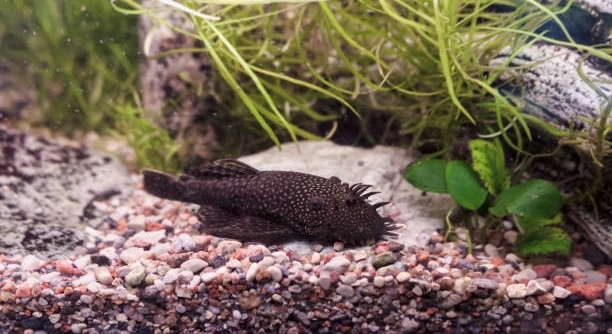
Your pleco may seem unusually reserved lately, hiding in corners or staying still for long periods. Observing your fish closely can reveal subtle shifts in behavior, which often reflect changes in their environment or daily routine.
A pleco’s shy behavior is commonly linked to stress, water quality fluctuations, or insufficient hiding spaces. Ensuring stable water parameters, proper diet, and an environment that mimics natural conditions can help your fish feel secure and more active.
Monitoring your pleco’s habits and habitat carefully can provide valuable insight. Small adjustments in tank setup or feeding routines often make a noticeable difference in confidence and activity.
Understanding Pleco Behavior
Plecos are naturally nocturnal and often prefer hiding during the day. Their shy tendencies can increase if they feel exposed or stressed. Changes in lighting, tank size, or even new decorations can affect their comfort levels. Observing their patterns over several days helps identify what triggers their retreat. Plecos also rely heavily on stable water conditions. Sudden temperature swings or irregular cleaning schedules can make them withdraw. Providing caves, driftwood, or dense plant areas creates a sense of safety, encouraging them to explore more. Feeding schedules also influence behavior; plecos respond well to predictable routines. Overfeeding can lead to lethargy, while inconsistent feeding might increase hiding. Their shy behavior is often a combination of environmental and care factors. Understanding these factors allows you to create a space that promotes their natural activity. This can gradually shift your pleco from shy and hidden to confident and curious in its tank.
A stable environment with predictable conditions makes plecos feel more secure and reduces excessive hiding tendencies.
Tracking water temperature, feeding times, and tank setup consistently can reveal patterns. Adjusting these carefully encourages more active behavior and strengthens the overall health of your pleco. It may take several weeks, but small changes lead to noticeable improvements. Combining proper lighting, hiding spots, and a stable feeding routine helps your pleco gradually become less shy, enhancing your observation and enjoyment of its natural behavior.
Environmental Factors Affecting Shyness
Lighting and tank placement can significantly influence a pleco’s confidence. Bright tanks or exposed locations make them feel vulnerable.
Water quality is a major factor in pleco behavior. Poor filtration, high nitrate levels, or inconsistent water changes can create stress that leads to hiding. Even small temperature fluctuations may make them less active. Overcrowding and aggressive tank mates further exacerbate shy tendencies. Introducing hiding spots such as driftwood or PVC pipes, along with moderate lighting, creates secure areas for them. Observing interactions with other fish is crucial to determine if social stress affects activity. Feeding habits also contribute; irregular schedules or poor-quality food can make them less responsive. Monitoring these environmental elements closely allows you to adjust care practices to suit your pleco’s needs. By understanding and addressing these factors, you can promote a more comfortable, active, and healthy fish environment, reducing stress and encouraging natural behaviors over time.
Diet and Feeding Habits
Plecos often hide if their diet is inconsistent or lacks variety. They thrive on algae, vegetables, and occasional protein sources. Feeding smaller, regular portions encourages activity and reduces stress-related hiding.
Providing fresh vegetables like zucchini, cucumber, and spinach supports their digestive health. Algae wafers supplement their natural grazing habits, keeping them engaged. Occasional protein, such as bloodworms, adds balance. Overfeeding or leaving uneaten food can pollute the tank, increasing stress and promoting shy behavior. Monitoring how quickly your pleco eats allows you to adjust portions effectively. A predictable feeding schedule helps them anticipate food, which can make them more visible during the day.
Some plecos take time to explore new foods. Slowly introducing vegetables or wafers ensures they adapt without stress. Observing preferences lets you tailor their diet, increasing energy and reducing hiding. Consistent feeding routines and proper nutrition can dramatically improve activity levels. Balancing plant-based foods with occasional protein encourages healthier growth and natural behaviors, ultimately helping your pleco feel more secure and confident in its environment.
Tank Mates and Social Dynamics
Aggressive or overly active tank mates can cause plecos to retreat. Peaceful companions reduce stress and promote exploration. Maintaining compatible species is crucial for comfort.
Interactions with other fish directly impact a pleco’s confidence. Dominant or territorial species may chase or crowd them, increasing hiding tendencies. Observing tank dynamics helps identify stressors and necessary adjustments. Separating aggressive fish or increasing hiding spaces reduces conflict. Adding driftwood, caves, or plants provides refuge and encourages natural behavior. Tank size also affects social comfort; overcrowded tanks heighten tension and stress. Adjusting placement, feeding distribution, and observation routines can improve interactions. Healthy social conditions promote consistent activity, allowing plecos to exhibit natural behaviors without fear or excessive shyness.
Water Temperature and Quality
Plecos are sensitive to sudden temperature changes. Keeping the water within a stable, suitable range helps reduce stress and encourages natural activity. Monitoring temperature daily prevents unnecessary hiding.
Regular water testing ensures proper pH, ammonia, nitrite, and nitrate levels. Stable water chemistry supports health and confidence. Even minor fluctuations can make a pleco shy or inactive, so consistency is key to maintaining an environment where your fish feels secure.
Stress Triggers in Plecos
Stress can come from overcrowding, aggressive tank mates, or excessive handling. Identifying and reducing these triggers promotes calmer behavior. Maintaining a balanced environment with proper hiding spots and minimal disturbances supports a pleco’s natural routines and reduces frequent retreating.
Observing Natural Behavior
Plecos naturally explore mostly at night. Watching their activity patterns provides insight into their comfort level and overall well-being. Adjusting tank conditions to support nocturnal habits can make them more visible during quieter hours.
FAQ
Why is my pleco hiding all the time?
Plecos naturally enjoy hiding, especially during daylight hours. Excessive hiding can indicate stress from poor water quality, aggressive tank mates, or insufficient hiding spots. Checking water parameters, providing caves or driftwood, and observing interactions with other fish can help your pleco feel more secure and reduce constant retreating.
How often should I feed my pleco?
Plecos do best with small, consistent feedings. Daily portions of vegetables, algae wafers, and occasional protein keep them healthy. Overfeeding can pollute the water, while irregular feeding may increase hiding behavior. A regular schedule helps them anticipate food and become more active.
What vegetables are safe for plecos?
Zucchini, cucumber, spinach, and peas are excellent for plecos. They provide fiber and nutrients while encouraging natural grazing. Blanching harder vegetables like zucchini or peas makes them easier to eat. Fresh, clean vegetables are preferred over processed foods for their digestive health.
Can tank size affect my pleco’s behavior?
Yes, tank size directly impacts confidence. Crowded or small tanks increase stress, making plecos shy. A spacious tank with adequate hiding spots allows exploration and reduces retreating. Adjusting decorations and tank mates further improves comfort and encourages natural behavior.
Do plecos get along with other fish?
Plecos are generally peaceful but can be stressed by aggressive or overly active tank mates. Observing interactions is important. Adding extra hiding spots or separating territorial fish reduces conflict and promotes calmer, more active behavior. Compatible species create a healthier environment overall.
How important is water quality for pleco activity?
Extremely important. Plecos are sensitive to ammonia, nitrite, nitrate, and pH changes. Poor water quality causes hiding, lethargy, and potential illness. Regular testing, partial water changes, and stable filtration support a healthy, stress-free environment. Consistent monitoring ensures they remain active and confident.
What temperature is best for plecos?
Plecos thrive in 74–80°F (23–27°C). Sudden drops or rises can cause hiding and stress. Using a reliable heater and thermometer helps maintain stable water conditions. Even minor fluctuations can affect behavior, so consistent temperature is essential.
Why does my pleco hide after I clean the tank?
Cleaning can disturb familiar scents and create temporary stress. Plecos rely on consistent smells for comfort. Providing additional hiding spots or leaving some decorations untouched helps them adjust. Over time, they regain confidence and resume normal activity.
Can plecos be trained to be less shy?
To some extent, yes. Regular feeding in predictable locations and minimal disturbance encourages them to explore. Gradual exposure to light and gentle interaction reduces fear, allowing them to be more visible during the day while maintaining their natural nocturnal habits.
How can I tell if my pleco is sick or just shy?
Shy behavior alone is normal, but signs of illness include unusual swimming, loss of appetite, discoloration, or clamped fins. Monitoring activity alongside water conditions and diet helps distinguish between natural shyness and health issues. Acting quickly on abnormal signs prevents serious problems.
What is the best way to encourage activity in my pleco?
Providing ample hiding spaces, stable water parameters, and a balanced diet are key. Adjusting light levels and feeding schedules can also help. Avoid sudden changes or aggressive tank mates. Gradual improvements in environment and routine encourage confidence and natural activity patterns.
Are plecos more active at night?
Yes, plecos are naturally nocturnal. They explore and graze mostly at night. Observing them during quieter hours and providing low-light conditions during the day helps mimic natural behavior and reduces daytime hiding.
How often should I clean the tank without stressing my pleco?
Partial water changes weekly or biweekly work best. Avoid removing all decorations at once, as familiar scents help reduce stress. Gentle cleaning maintains water quality while allowing plecos to stay comfortable and active.
Can hiding spots improve my pleco’s behavior?
Absolutely. Driftwood, caves, and dense plants give plecos security. Multiple hiding spots throughout the tank allow them to feel safe while exploring. Providing options reduces stress, encourages activity, and promotes natural grazing habits.
Why does my pleco hide when I approach the tank?
Plecos are naturally cautious. Sudden movements or shadows can trigger hiding. Over time, predictable feeding and minimal disturbance can help them feel less threatened. Patience is key; they gradually learn that your presence is not a danger.
Can water flow affect pleco shyness?
Yes, strong currents may make plecos retreat more. They prefer gentle to moderate flow that allows grazing and resting. Adjusting filter output or creating calmer zones supports comfort and encourages activity.
How long does it take for a shy pleco to adjust?
Adjustment depends on the environment and individual temperament. With proper hiding spots, stable water, and regular feeding, noticeable improvement can take a few weeks. Patience and consistent care help plecos gain confidence naturally.
Do plecos need live plants to feel secure?
Live plants provide cover and mimic natural habitats, helping plecos feel safer. While not strictly necessary, they enhance hiding options and support grazing behavior. Plants also improve water quality, indirectly reducing stress.
Is it normal for plecos to stop eating when shy?
Temporary reduced feeding can happen if they are stressed. Persistent refusal may indicate health or environmental issues. Ensuring proper water quality, hiding spots, and gentle feeding can restore appetite and reduce hiding behavior.
How can I tell if my pleco is stressed from tank mates?
Signs include constant hiding, torn fins, or avoidance of shared areas. Observing fish interactions carefully reveals social stress. Separating aggressive species or adding more hiding spaces helps your pleco regain confidence and normal behavior.
Do plecos respond to human presence?
They may gradually recognize consistent feeding routines but remain cautious. Over time, predictable actions can make them more visible. Avoid sudden movements to maintain trust while supporting their natural nocturnal patterns.
Can lighting changes make plecos shy?
Yes, sudden bright lights or long exposure can increase hiding. Low to moderate lighting, along with shaded areas, allows plecos to feel secure and encourages activity. Gradual adjustments prevent unnecessary stress.
How much protein should plecos get?
Small portions a few times a week are sufficient. Overfeeding protein can stress the digestive system and water quality. Balanced plant-based diets with occasional protein maintain health and reduce hiding caused by stress or discomfort.
What is the best way to introduce a new pleco to a tank?
Quarantine first to prevent disease. Provide multiple hiding spots and monitor interactions with existing fish. Gradual acclimation to temperature and water chemistry helps reduce stress and shy behavior. Patience ensures a smooth transition.
Can temperature fluctuations make plecos hide more?
Yes, plecos are sensitive to sudden changes. Maintaining stable, appropriate temperatures prevents stress-induced hiding and supports healthy activity and feeding behavior.
Are some plecos naturally shyer than others?
Yes, individual temperament varies. Some plecos remain cautious despite optimal conditions. Consistent care, hiding spots, and gentle handling help even shy individuals feel secure and more active over time.
How often should I test my tank water for pleco health?
Weekly testing of ammonia, nitrite, nitrate, and pH is ideal. Regular monitoring ensures stable conditions, prevents stress, and reduces hiding behavior. Prompt adjustments maintain a comfortable environment for your pleco.
What signs indicate a pleco is comfortable in its tank?
Active grazing, exploring at night, and visible feeding are positive signs. Calm interactions with tank mates and use of hiding spots without constant retreat show confidence and reduced stress.
Does tank decoration placement affect pleco shyness?
Yes, proper arrangement creates safe pathways and hiding spots. Avoid clutter that blocks movement entirely. Thoughtful placement reduces stress, encourages exploration, and helps plecos feel secure in their environment.
Can overhandling increase shyness in plecos?
Yes, plecos are sensitive to handling. Minimizing contact and disturbances keeps stress low. Observing and interacting gently, primarily during feeding or maintenance, helps them feel safe while maintaining natural behaviors.
Are plecos affected by sudden noise near the tank?
Yes, vibrations and loud sounds can stress plecos. Minimizing sudden noise reduces hiding and promotes normal activity patterns. Consistency in the surrounding environment supports calmer, more confident behavior.
How do I know if hiding is normal or a problem?
Occasional hiding is normal, especially during the day. Persistent inactivity, lack of feeding, or abnormal behavior may indicate environmental stress or illness. Regular observation and water testing help differentiate natural shyness from problems.
Can seasonal changes affect pleco behavior?
Yes, shifts in temperature, light, or water composition during seasonal changes may cause increased hiding. Maintaining stable tank conditions year-round helps prevent unnecessary stress and promotes consistent activity.
How can I reduce stress during tank maintenance?
Keep water parameters stable, avoid removing all decorations at once, and perform partial water changes. Gradual, gentle maintenance reduces fear and allows plecos to remain comfortable and active.
Do plecos prefer a specific substrate?
Soft substrates like sand are preferred to avoid injury. Smooth surfaces encourage natural grazing and reduce stress compared with rough or sharp gravel, which can make plecos more reclusive.
Is it normal for plecos to hide after a new decoration is added?
Yes, new objects change the environment. Allow them time to explore and adjust while providing familiar hiding spots. Gradual introduction reduces stress and encourages normal activity.
Can a pleco’s age affect shyness?
Juveniles may be more cautious, while adults usually adapt to their environment. Providing stable conditions and hiding spaces supports confidence at all life stages.
Do plecos need companions of the same species?
Not necessarily. While they tolerate others, compatibility and tank space are more important. Adding the same species may increase confidence if properly introduced with enough space and hiding areas.
How long should I wait to adjust tank conditions?
Make gradual changes over days or weeks. Sudden alterations in water chemistry, lighting, or decorations can increase hiding and stress. Patience ensures plecos adapt safely.
Can plecos recognize their feeding schedule?
Yes, they respond to consistent feeding routines. Predictable timing encourages them to be more active and reduces hiding, as they anticipate food with confidence.
Are plecos sensitive to vibrations?
Yes, vibrations from nearby activity or equipment can make them retreat. Minimizing these disturbances supports calmer behavior and more consistent visibility in the tank.
What role does oxygenation play in pleco activity?
Proper aeration supports respiratory health. Low oxygen can stress plecos, causing them to hide or become lethargic. Adequate circulation and gentle flow maintain comfort and activity levels.
Can plecos hide too much despite good care?
Yes, individual temperament or temporary stressors can lead to frequent hiding. Providing options for security, consistent care, and gentle observation usually encourages more natural activity over time.
Do plecos need a dark period at night?
Yes, darkness supports nocturnal behavior. Simulating natural light cycles with shaded areas during the day and a dark period at night encourages healthy routines and reduces stress-related hiding.
How do I know if a pleco’s diet is adequate?
Healthy plecos remain active, display proper growth, and produce regular waste. Monitoring eating habits, weight, and behavior helps confirm that the diet supports activity and reduces excessive hiding.
Can plecos become more active with enrichment?
Yes, adding driftwood, plants, and varying food placement encourages exploration and grazing. Environmental enrichment keeps plecos engaged and reduces long periods of hiding, supporting natural behavior patterns.
Is hiding a sign of fear or instinct?
Both. Plecos hide instinctively to feel safe. Excessive hiding often points to stress or environmental discomfort, while occasional retreat is normal. Observing patterns helps distinguish between natural behavior and underlying issues.
How can I improve water flow for comfort?
Adjust filter output or create calmer zones using decorations. Gentle currents support grazing without overwhelming plecos, reducing hiding and promoting confident movement throughout the tank.
Do plecos respond to other fish feeding?
Yes, seeing other fish eat can trigger cautious observation or hiding. Gradually introducing food in multiple spots ensures they can feed without stress, supporting a balanced, active routine.
Are plecos affected by changes in tank chemistry?
Yes, fluctuations in pH, hardness, or mineral content can cause stress and increased hiding. Gradual adjustments and consistent monitoring maintain a stable, comfortable environment for healthy activity.
How important is routine for plecos?
Highly important. Predictable feeding, cleaning, and lighting routines reduce stress and encourage natural behavior. Consistency helps plecos feel secure and decreases excessive hiding over time.
Can plecos hide when preparing to molt or grow?
Yes, hiding during growth phases or minor shedding is normal. They may seek seclusion while adjusting to changes, returning to usual activity afterward.
What is the best way to introduce new food without stress?
Gradually mix new foods with familiar items. Offer small amounts and observe acceptance. Slow introduction prevents stress and encourages confident feeding habits.
Do plecos prefer still or moving water?
Moderate movement is ideal. Too strong a current can increase hiding, while gentle flow supports grazing and comfort. Observing their preferred zones allows for better tank adjustment.
How often should I observe my pleco’s behavior?
Daily observation helps detect stress, diet issues, or illness early. Regular monitoring allows timely adjustments, reducing hiding and promoting confidence in the tank.
Can plecos hide due to illness without other signs?
Yes, early-stage illness may manifest mainly as hiding. Monitoring feeding, movement, and interactions helps distinguish between health issues and normal shy behavior.
Are plecos affected by tank vibrations from equipment?
Yes, strong vibrations can increase hiding. Securing equipment, reducing external noise, and monitoring flow reduces stress and encourages natural activity.
Do plecos need quiet surroundings?
Yes, calmer environments reduce stress. Excess noise, vibrations, or disturbances increase hiding tendencies. Consistent, quiet surroundings help them feel safe and more active.
How can I encourage my pleco to explore more?
Provide hiding spots, stable water, consistent feeding, and gentle observation. Gradual exposure to light and environmental enrichment encourages confident activity and reduces retreating behavior.
Can plecos be stressed by too much light?
Yes, bright or prolonged lighting increases hiding. Using shaded areas and low-to-moderate lighting creates comfort and encourages natural nocturnal patterns.
Are plecos more active after water changes?
Often, yes. Fresh, stable water improves oxygenation and reduces stress, encouraging more exploration and grazing. Gradual changes prevent sudden retreat or fear responses.
Do plecos enjoy interacting with decorations?
They explore caves, driftwood, and plants for grazing and hiding. Proper placement encourages activity, reduces stress, and supports natural behavior.
Can plecos hide when adjusting to a new tank?
Yes, initial hiding is normal. Providing multiple secure spots and stable water conditions helps them gradually gain confidence and exhibit natural activity.
How long should I wait before changing hiding spots?
Wait several days to a week. Sudden rearrangement can stress plecos. Gradual adjustments allow exploration without triggering retreat or fear.
Do plecos prefer certain types of caves?
Yes, small, dark, enclosed spaces mimic natural shelters. Multiple options reduce competition and stress, supporting confident exploration and normal grazing habits.
Is it normal for plecos to hide after feeding?
Yes, some plecos retreat after eating to rest and digest. Temporary hiding post-feeding is typical and usually not a cause for concern.
Can plecos recognize specific areas in the tank?
Yes, they remember safe zones and frequently used hiding spots. Familiar areas reduce stress and encourage consistent activity and grazing.
Do plecos react to sudden tank movement?
Yes, sudden disturbances often trigger hiding. Maintaining stable conditions and gentle interactions helps them feel secure and reduces unnecessary retreat.
How can I tell if my pleco is comfortable with tank mates?
Observing grazing, swimming freely, and occasional hiding indicates comfort. Avoidance, aggression, or constant retreat may signal incompatibility or stress that requires adjustment.
Does tank depth affect pleco behavior?
Yes, deep tanks provide vertical space for grazing and hiding. Shallow tanks limit movement and security, potentially increasing hiding and stress levels.
Are plecos affected by seasonal lighting changes?
Yes, sudden changes in photoperiod or intensity can increase hiding. Maintaining consistent lighting cycles mimics natural patterns, supporting nocturnal activity and confidence.
Can plecos be shy even in ideal conditions?
Yes, individual temperament varies. Some plecos remain cautious despite optimal water, tank mates, and environment. Patience, hiding spots, and gentle care help them feel secure.
Do plecos need variety in hiding spots?
Yes, multiple types of shelters allow them to choose safe spaces. Variety reduces stress, encourages exploration, and supports natural nocturnal behavior.
Can plecos get stressed by reflections in the tank?
Yes, mirrors or shiny surfaces may cause fear or confusion. Minimizing reflective surfaces and providing visual barriers encourages calmer, more confident behavior.
How can I tell if my pleco’s hiding is excessive?
Excessive hiding is constant retreat with little grazing, activity, or interaction. Comparing behavior to typical nocturnal patterns helps identify potential stress or health issues.
Is it normal for plecos to hide during water testing?
Yes, disturbances from testing equipment or movement can trigger temporary retreat. Gentle procedures minimize stress and help them return to normal behavior quickly.
Do plecos need regular environmental changes?
Small, gradual adjustments can enrich their habitat. Large or sudden changes increase hiding and stress. Consistency supports confident exploration and natural behaviors.
Can plecos hide when unwell without showing other symptoms?
Yes, early illness may manifest primarily as retreat. Monitoring water quality, diet, and movement helps detect problems before additional signs appear.
Are plecos affected by vibrations from household activity?
Yes, heavy footsteps, appliances, or external noise can increase hiding. A stable, calm environment supports activity and reduces stress-induced retreat.
How can I encourage a shy pleco to feed?
Place food near hiding spots or in multiple locations. Gradually, they become more confident and active while maintaining comfort and security.
Do plecos hide during aggressive tank mate interactions?
Yes, dominant or territorial fish trigger retreat. Observing interactions and providing separate shelters reduces stress and promotes more natural, confident behavior.
Can plecos hide too much if stressed by water flow?
Yes, strong currents can cause prolonged hiding. Creating calm zones with decorations or adjusting filter output encourages grazing and exploration without fear.
How long does it take for plecos to adapt to a new environment?
Adjustment can take days to weeks. Providing hiding spots, stable water, and consistent routines helps them gradually gain confidence and display natural
Final Thoughts
Observing a shy pleco can be both frustrating and fascinating. Their natural instinct to hide is a part of their behavior, but excessive retreat often signals stress or environmental discomfort. Paying close attention to your pleco’s daily patterns helps identify small changes that may be affecting them. Water quality, tank setup, feeding habits, and tank mates all play critical roles in shaping their comfort levels. Even minor fluctuations in temperature, pH, or lighting can make a pleco retreat more than usual. Providing multiple hiding spots, stable conditions, and a predictable feeding routine allows your fish to feel secure. Over time, these adjustments encourage more confidence and natural activity. Observing and responding to these factors requires patience, but the results are often visible as a more active, less hidden pleco.
A pleco’s diet is another key factor in reducing shyness. They respond well to a variety of vegetables, algae wafers, and occasional protein. Consistent feeding times help them anticipate meals, which can encourage them to explore more during the day. Overfeeding or leaving uneaten food in the tank can degrade water quality, leading to additional stress and hiding. Similarly, the presence of other fish affects behavior significantly. Aggressive or territorial tank mates can make a pleco retreat repeatedly. Ensuring peaceful companions and enough space in the tank reduces conflict and helps your pleco feel more secure. By carefully balancing diet, environment, and social conditions, you provide the foundation for a confident and healthy fish. Gradual improvements in these areas often lead to noticeable changes in behavior, showing that your care and attention are effective.
Finally, it is important to remember that every pleco is an individual. Some are naturally more cautious, while others are bolder and more active. Patience is essential when trying to reduce shyness. Avoid making sudden changes in tank conditions or handling them too frequently, as this can increase stress. Gradual adjustments, environmental enrichment, and consistent care allow plecos to adapt at their own pace. Observing patterns over days or weeks will reveal what makes them comfortable or anxious. By providing stable water conditions, appropriate hiding spots, and a balanced diet, you create a supportive environment that encourages natural behavior. With careful attention and gentle care, a shy pleco can become more active and confident, allowing you to enjoy observing their unique personality in the tank.

Hello,
If you enjoy the content that we create, please consider saying a "Thank You!" by leaving a tip.
Every little bit helps us continue crafting quality advice that supports the health, happiness, and well-being of pets around the world, for pets of all shapes, sizes, and species.
We really appreciate the kindness and support that you show us!