
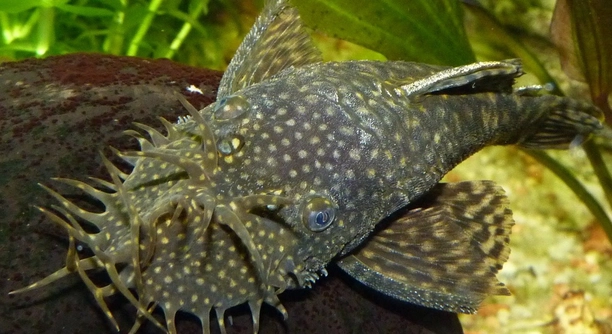
Bristlenose catfish are popular in many home aquariums, loved for their small size and algae-eating habits. Feeding them correctly is important, but many owners follow advice that is not always accurate or helpful for their health.
Several common feeding myths surround Bristlenose care, including beliefs about their need for constant algae, overfeeding pellets, or avoiding certain vegetables. Correct feeding practices are crucial to maintain their health, prevent digestive issues, and support their natural behaviors in captivity.
Learning the truth behind these myths can improve your Bristlenose’s diet and overall well-being. Proper knowledge ensures you are supporting their growth, health, and longevity in your aquarium environment.
Myth 1: Bristlenose Only Eat Algae
Many owners assume Bristlenose catfish survive solely on algae, but this is not accurate. While algae makes up a large part of their diet in the wild, they also need additional nutrients to stay healthy. Relying on algae alone can lead to malnutrition, stunted growth, and weakened immune systems. Commercial sinking pellets, blanched vegetables like zucchini or spinach, and occasional protein-based treats can supplement their diet. Observing your Bristlenose feeding habits helps ensure they receive a balanced diet and maintain their energy levels. Ignoring other dietary needs may cause long-term health problems, which are preventable with proper feeding practices. Feeding variety also encourages natural behaviors and prevents boredom.
Bristlenose will nibble on algae, but supplementing with pellets and vegetables keeps them strong and active.
Providing a balanced diet involves combining algae, vegetables, and high-quality pellets. Bristlenose benefit from blanched vegetables for fiber and vitamins. Sinking pellets supply protein and essential nutrients. Rotating food types prevents monotony and ensures they get everything they need. Consistent monitoring and adjusting feeding amounts based on size and tank conditions helps maintain optimal health.
Myth 2: Bristlenose Should Be Overfed
Overfeeding Bristlenose is a common mistake. These fish eat small amounts consistently, and excess food can pollute the tank. Uneaten food decomposes, leading to poor water quality and health risks.
Controlled portions are best for maintaining their health and keeping the tank clean.
Overfeeding often comes from wanting to see the fish eat enthusiastically. It’s important to observe how much they consume within a few minutes and remove leftovers promptly. Uneaten food can increase ammonia levels, causing stress and illness. Feeding measured portions once or twice daily is sufficient. Incorporating a variety of foods, like algae, pellets, and vegetables, ensures they get nutrients without waste. Regularly checking water parameters and adjusting feeding amounts prevents overfeeding problems. Healthy feeding habits support growth, natural behaviors, and a thriving aquarium environment. It also reduces the risk of obesity, digestive issues, and diseases that can arise from poor tank conditions. Understanding portion control is key to long-term Bristlenose care and overall tank maintenance.
Myth 3: Bristlenose Do Not Need Vegetables
Bristlenose need more than algae and pellets. Vegetables like zucchini, cucumber, and spinach provide fiber and vitamins. Skipping these can affect digestion and overall health.
Vegetables should be lightly blanched to soften them. This makes it easier for Bristlenose to eat and digest the nutrients. Regularly offering vegetables alongside algae and pellets ensures a balanced diet. Different types of vegetables provide varied nutrients, supporting growth and immunity. Removing uneaten portions prevents water contamination, keeping the tank clean. Vegetables also encourage natural foraging behavior, which keeps the fish active and engaged. Combining vegetables with other food types helps maintain a healthy, thriving Bristlenose population.
Bristlenose appreciate small, manageable vegetable portions. Rotating vegetables with pellets and algae prevents boredom and supports proper nutrition. A varied diet improves their energy, coloration, and digestive health. Monitoring consumption helps adjust portions, avoiding waste and maintaining water quality consistently.
Myth 4: Bristlenose Can Eat Anything
Bristlenose cannot safely eat all human or aquarium foods. Certain items like bread, fatty snacks, or untreated raw vegetables can harm them.
Feeding inappropriate foods may cause digestive problems, water pollution, and even death. Only offer items known to be safe and nutritionally suitable.
Safe foods include algae wafers, blanched vegetables, and high-quality sinking pellets. Protein sources like bloodworms or brine shrimp can be offered occasionally. Avoid processed foods or anything with additives, preservatives, or excessive starch. Regularly monitoring their eating habits ensures they consume what is provided and helps adjust portions to prevent overfeeding. Providing only appropriate foods supports their health, coloration, and natural behaviors. Rotating safe options keeps their diet balanced, and proper preparation, like blanching vegetables, aids digestion. Consistency in safe feeding routines reduces stress and helps maintain tank water quality.
Myth 5: Bristlenose Only Eat at Night
Bristlenose are often thought to be strictly nocturnal feeders, but they can eat during the day. Their activity depends on tank conditions, light, and hunger rather than strict night behavior.
Offering food at different times helps you observe their preferences. They will nibble when hungry, regardless of the hour.
Myth 6: Bristlenose Do Not Require Protein
Bristlenose need occasional protein to support growth and health. Sinking pellets or small amounts of bloodworms can provide essential nutrients.
Protein supplements should be limited and balanced with algae and vegetables. Too much protein may cause digestive issues and pollute the tank.
Myth 7: Bristlenose Can Be Left Alone Without Monitoring
Even hardy Bristlenose need regular observation. Ignoring their eating habits or tank conditions can lead to illness or poor growth.
Monitoring feeding, water quality, and behavior ensures long-term health and a stable, thriving aquarium environment.
FAQ
How often should I feed my Bristlenose catfish?
Bristlenose should be fed once or twice a day in small portions. They eat slowly, and uneaten food should be removed after a few minutes to prevent water pollution. A consistent feeding schedule helps maintain healthy growth and stable water conditions.
What types of vegetables are safe for Bristlenose?
Blanched vegetables such as zucchini, cucumber, spinach, and lettuce are safe. These provide fiber, vitamins, and minerals that algae and pellets alone cannot supply. Rotating vegetables ensures varied nutrition and keeps the fish engaged in natural foraging behavior.
Can Bristlenose survive only on algae?
Algae alone is not enough for long-term health. Bristlenose need a combination of algae, vegetables, and sinking pellets to meet their nutritional requirements. Lack of variety can lead to malnutrition, weakened immunity, and stunted growth.
Are protein supplements necessary for Bristlenose?
Yes, occasional protein from bloodworms, brine shrimp, or high-quality pellets supports growth and overall health. Protein should be offered sparingly, combined with algae and vegetables, to avoid digestive issues and water contamination.
How can I tell if I am overfeeding?
Overfeeding shows up as leftover food, cloudy water, and sometimes obesity in the fish. Observing how quickly your Bristlenose consumes food helps adjust portions. Removing uneaten food promptly maintains water quality and prevents health problems.
Do Bristlenose eat at night only?
While they are more active during low-light periods, Bristlenose can feed during the day. Their activity depends on hunger and tank conditions rather than a strict nocturnal schedule. Feeding at different times can help you monitor their eating habits.
Can I feed my Bristlenose human food?
Most human food is unsafe. Bread, raw vegetables, or processed snacks can cause digestive issues or water contamination. Only provide food known to be safe for Bristlenose, like algae wafers, blanched vegetables, and occasional protein supplements.
What happens if I leave them without feeding for a day?
Bristlenose can tolerate short periods without food, but regular feeding is important for health. Skipping meals occasionally is okay, but long-term neglect can lead to malnutrition and weakened immunity. Consistency supports their activity and overall well-being.
How do I encourage picky eaters?
Offer a variety of foods in small amounts. Blanch vegetables and rotate pellet types. Sometimes gently placing food near them or adjusting tank lighting can stimulate interest. Patience is key, as Bristlenose may take time to try new foods.
Is it necessary to monitor water quality while feeding?
Yes. Uneaten food decomposes quickly, increasing ammonia and nitrites. Regular water checks and cleaning prevent disease and maintain a stable environment. Proper feeding habits and monitoring tank conditions go hand in hand for healthy Bristlenose care.
Can Bristlenose eat algae from other fish tanks?
Only algae that is naturally grown and free of chemicals is safe. Avoid transferring algae from tanks treated with medications or containing unknown organisms. Safe algae sources support their natural diet without introducing risks.
How do I balance pellets, vegetables, and algae?
A balanced feeding schedule includes small portions of pellets, daily vegetables, and occasional algae grazing. Observing consumption ensures each type is eaten and prevents overfeeding. Adjust portions according to tank size, population, and individual fish needs.
Are there seasonal changes in feeding requirements?
Temperature affects metabolism. In warmer water, Bristlenose eat more actively and may require slightly increased food. In cooler water, feeding should be reduced as activity slows. Monitoring behavior ensures the diet matches their energy needs.
How do I know if my Bristlenose is healthy?
Healthy fish are active, with bright coloration and steady growth. Regular eating, clear eyes, and smooth skin indicate good health. Monitoring behavior and diet, along with clean water, helps maintain long-term vitality.
What is the best way to introduce new foods?
Introduce one food at a time in small amounts. Blanch vegetables for easier digestion, and place pellets or protein near them gradually. Observe acceptance before adding new types. Slow introduction prevents stress and digestive upset while encouraging balanced nutrition.
Can overfeeding affect tank mates?
Yes. Uneaten food can degrade water quality, affecting all fish. Excess nutrients encourage algae blooms, creating imbalances. Feeding only measured portions protects the health of Bristlenose and other tank inhabitants.
Should I soak pellets before feeding?
Soaking pellets for a few minutes helps prevent bloating and makes them easier to eat. This is especially useful for young or smaller Bristlenose, improving digestion and reducing the risk of uneaten food polluting the tank.
How long can Bristlenose go without vegetables?
They can survive briefly without vegetables, but extended periods can cause digestive problems and nutrient deficiencies. Vegetables are essential for fiber and vitamins that support overall health. Regular inclusion is necessary for a balanced diet.
Can I feed frozen or freeze-dried foods?
Yes, frozen or freeze-dried bloodworms, brine shrimp, or daphnia are safe in moderation. Thaw or soak appropriately before feeding. These supplements provide protein and variety, enhancing health and encouraging natural feeding behavior.
What is the ideal portion size?
Portions should be what Bristlenose can consume within 3–5 minutes. Small, frequent feedings reduce waste, maintain water quality, and prevent overfeeding. Adjust portions based on number of fish, tank size, and daily observations.
How do I handle leftovers?
Remove uneaten food immediately to avoid water contamination. Regular tank maintenance and portion control prevent excess food accumulation, ensuring a clean environment and reducing risk of disease.
Are homemade Bristlenose foods effective?
Homemade foods can work if nutritionally balanced and safe. Include vegetables, protein sources, and minimal additives. Always ensure proper preparation to avoid contamination and support healthy digestion.
Can Bristlenose be fed in a community tank?
Yes, but monitor food distribution. Bristlenose may compete with faster fish, so ensure they receive their share. Offering sinking pellets or placing vegetables strategically helps them access food safely.
What is the best feeding routine for multiple Bristlenose?
Feed small portions multiple times a day, spreading food to ensure all fish eat. Rotate vegetables and pellets to maintain balanced nutrition. Observing each fish prevents dominant individuals from overfeeding while others go hungry.
How do I prevent digestive issues?
Provide a mix of algae, vegetables, and protein in measured portions. Blanch vegetables, avoid overfeeding, and remove uneaten food promptly. Consistent diet and monitoring help prevent bloating, constipation, or other digestive problems.
Are live plants safe to feed?
Yes, certain soft, non-toxic plants like spinach or lettuce can be offered. Avoid toxic or hard plants that are difficult to digest. Blanching improves palatability and nutrient absorption.
Can Bristlenose eat commercial flakes?
Flakes are not ideal as they float and may be ignored by bottom-feeding Bristlenose. Sinking pellets or wafers are better suited to their feeding behavior, ensuring they consume adequate nutrition.
How do I know when to adjust feeding amounts?
Monitor growth, behavior, and leftover food. Slower consumption may indicate overfeeding, while persistent hunger suggests a slight increase. Adjust gradually to maintain balance and prevent waste.
Is it necessary to remove uneaten algae?
Yes, even natural algae can decompose and affect water quality. Removing excess prevents ammonia spikes and keeps the tank clean while encouraging healthy eating habits.
Can Bristlenose survive only on pellets?
Pellets alone are not sufficient long-term. They provide protein but lack fiber and vitamins from vegetables and algae. Combining all three ensures complete nutrition and supports natural foraging behaviors.
What signs indicate overfeeding or underfeeding?
Overfeeding: leftover food, cloudy water, sluggish movement. Underfeeding: constant searching, thin body, slow growth. Observing these signs helps adjust feeding routines effectively.
Are there foods to avoid completely?
Avoid bread, fried human foods, raw potatoes, or anything with chemicals. These can cause digestive issues, illness, and water contamination, compromising Bristlenose health and tank stability.
How long can Bristlenose survive without protein?
Short periods are manageable, but long-term lack of protein slows growth and weakens immunity. Occasional supplementation is necessary to maintain health.
How should I store Bristlenose food?
Keep pellets, flakes, and frozen foods in cool, dry, or frozen conditions as appropriate. Proper storage maintains nutritional value, prevents spoilage, and reduces contamination risks.
Do I need to feed more for breeding Bristlenose?
Yes, breeding pairs require additional protein and varied foods. Proper nutrition supports egg production, fry health, and overall reproductive success. Gradually increasing portions while monitoring water quality is essential.
Can overfeeding vegetables cause problems?
Yes, excessive vegetables can foul water and cause digestive issues. Offer in moderation, rotate types, and remove leftovers promptly to maintain balance and cleanliness.
Is feeding by hand recommended?
Hand feeding can help monitor consumption and bond with the fish, but it is not required. Use small amounts and observe how they respond to prevent stress or overfeeding.
How do I prevent picky eating?
Rotate foods, offer small portions, and combine vegetables, pellets, and protein. Patience and consistency encourage acceptance while supporting a balanced, healthy diet.
Can Bristlenose eat shrimp shells?
No, shells are too hard and can cause digestive blockages. Only provide soft, thawed, or finely chopped shrimp or protein sources suitable for bottom feeders.
Should I adjust feeding for water temperature?
Yes. Cooler temperatures slow metabolism, requiring less food. Warmer water increases activity, demanding slightly more. Observe behavior to adjust accordingly.
Are frozen vegetables as good as fresh?
Frozen vegetables are acceptable if thawed and blanched. They retain most nutrients but should be offered in moderation, similar to fresh vegetables.
Can I feed multiple times a day?
Yes, small, frequent feedings mimic natural grazing. This prevents overfeeding, supports digestion, and keeps Bristlenose active without polluting the tank.
What is the best way to introduce algae wafers?
Place wafers near the bottom where Bristlenose naturally feed. Observe consumption, and remove uneaten portions to prevent water quality issues. Combining with vegetables ensures balanced nutrition.
Can Bristlenose eat lettuce?
Yes, soft, blanched lettuce can be offered occasionally. Avoid hard, fibrous parts, and remove leftovers promptly to maintain tank health.
Are live or frozen bloodworms better?
Both are safe. Frozen bloodworms are convenient and store easily, while live ones encourage natural hunting behavior. Offer sparingly to supplement protein needs.
How do I know if my fish are getting enough food?
Healthy, active fish with steady growth and normal coloration indicate sufficient nutrition. Monitor eating patterns, and adjust portions if fish appear hungry or leave food untouched.
What happens if I feed too much protein?
Excess protein can cause digestive problems and pollute the tank. Combine with vegetables and algae for balanced nutrition and remove leftovers promptly.
Are commercial vegetable wafers effective?
Yes, they provide fiber and vitamins, but should supplement—not replace—fresh or blanched vegetables. Rotating sources ensures complete nutrition.
Can I feed Bristlenose peas?
Yes, blanched peas are safe and aid digestion. Remove skins to prevent blockages, and offer in moderation alongside other foods.
How important is variety in their diet?
Variety ensures all nutrient requirements are met, encourages natural behavior, and prevents boredom. Combining algae, vegetables, pellets, and occasional protein supports long-term health and vitality.
Should I adjust feeding for tank size?
Yes, more fish or a larger tank may require slightly increased portions. Adjust based on observation, ensuring all fish access food without overfeeding.
Can Bristlenose survive on commercial fish flakes?
Flakes are not ideal because they float. Sinking pellets or wafers better match their bottom-feeding behavior and ensure adequate nutrition.
How do I deal with leftover vegetables?
Remove leftovers promptly to prevent water contamination. Regular portion control and observation prevent waste and maintain tank quality.
Are there supplements I should add to their diet?
High-quality pellets and occasional protein serve as sufficient supplements. Additional vitamins are rarely necessary if diet is varied and balanced.
Can I feed them too little?
Yes, underfeeding leads to slow growth, weakened immunity, and behavioral changes. Observing appetite and condition helps maintain proper feeding levels.
How can I tell if my Bristlenose likes a new food?
Acceptance is shown by active nibbling, steady consumption, and eagerness to eat. Rejection may require gradual introduction or alternative options.
Are feeding routines the same for juveniles and adults?
Juveniles need smaller, more frequent portions for growth. Adults require less frequent feedings, but variety and monitoring remain important. Adjust amounts based on size and activity.
Can Bristlenose eat spirulina?
Yes, spirulina tablets or flakes provide protein and nutrients. Offer as a supplement, not the sole food source, combined with vegetables and pellets.
Should I adjust feeding for community tanks?
Yes, ensure Bristlenose access food without competition from faster fish. Use sinking foods and place vegetables strategically to reach bottom dwellers.
How do I prevent algae overgrowth while feeding?
Control feeding portions, remove uneaten food, and maintain water quality. Excess nutrients from overfeeding promote algae blooms. Proper diet management keeps the tank balanced.
Can I use frozen vegetables?
Yes, thaw and blanch them before feeding. Frozen vegetables provide nutrients and fiber similar to fresh options.
Is it safe to feed kale?
Yes, blanched kale is safe in small portions. Remove tough stems and rotate with other vegetables to maintain balanced nutrition.
Do Bristlenose need snacks between feedings?
No, regular daily meals are sufficient. Occasional protein treats are fine, but constant feeding is unnecessary and can harm water quality.
How long can I leave food in the tank?
Leave food only a few minutes. Uneaten portions should be removed promptly to prevent decay and maintain water quality.
Are frozen or freeze-dried shrimp safe?
Yes, thawed or softened freeze-dried shrimp is safe in moderation. Hard shells should be avoided to prevent digestive issues.
How do I adjust feeding for slow eaters?
Offer small portions, place food near them, and monitor consumption. Avoid overfeeding faster tank mates, ensuring slow eaters get their share.
Can Bristlenose eat cucumbers?
Yes, blanched cucumber slices are safe and provide fiber. Remove uneaten portions to maintain tank health.
Are sweet potatoes safe?
Blanched and peeled sweet potato is safe in small amounts. They provide fiber and vitamins but should not replace other foods.
What is the best order to feed different foods?
Start with algae or vegetables, then pellets or protein. Observe consumption and remove leftovers promptly. This ensures balanced intake and prevents overfeeding.
Can Bristlenose eat carrots?
Yes, blanched carrots are safe in moderation. Slice thinly for easy consumption and rotate with other vegetables for balanced nutrition.
Are all algae wafers the same?
No, quality and composition vary. Choose high-quality wafers with balanced nutrients. Rotate with vegetables and pellets to provide a complete diet.
Do I need to adjust feeding for older fish?
Yes, older Bristlenose may require softer foods and smaller portions. Monitor appetite and digestion to maintain health and vitality.
Can Bristlenose eat spinach?
Yes, blanched spinach is safe and nutritious. Offer in small portions alongside pellets and algae for balanced nutrition.
Is feeding frozen daphnia safe?
Yes, frozen daphnia is a suitable protein supplement. Thaw before feeding and offer sparingly with vegetables and pellets.
How do I prevent selective eating?
Rotate foods, combine pellets, vegetables, and occasional protein. Offering variety encourages balanced consumption and prevents nutrient deficiencies.
Can Bristlenose eat cooked rice?
No, rice is not suitable. It lacks nutrients, may cause digestive problems, and can foul the tank. Stick to safe vegetables, pellets, and occasional protein.
How important is fiber in their diet?
Fiber from vegetables aids digestion and prevents constipation. It complements protein and algae for balanced health and energy.
Should I feed more during breeding season?
Yes, slightly increased protein and vegetable intake supports reproduction, fry development, and overall vitality.
Can Bristlenose eat apples?
No, apples are not recommended. Their acidity and sugar can upset digestion and pollute the tank. Stick to safe vegetables.
How do I maintain consistency in feeding?
Feed at the same times daily, provide measured portions, and rotate foods regularly. Consistency ensures health, growth, and a stable tank environment.
Are commercial Bristlenose foods sufficient alone?
They provide protein but not fiber and vitamins. Combine with vegetables and algae to ensure a complete, balanced diet for long-term health.
Can Bristlenose eat lettuce stems?
No, tough stems are difficult to digest. Use only soft leaves, blanched and sliced for easier consumption.
What is the risk of underfeeding?
Underfeeding slows growth, weakens immunity, and reduces activity. Balanced feeding ensures vitality and long-term health.
Are feeding habits different in a planted tank?
Planted tanks offer natural grazing opportunities. Feeding may need slight adjustments to prevent overfeeding while allowing fish to supplement with algae.
How do I deal with aggressive feeders?
Distribute food widely, feed slowly, and observe dominant individuals. This ensures all Bristlenose access nutrition without competition-related stress.
Can Bristlenose eat kale stems?
No, tough stems can cause digestive issues. Offer only softened leaf parts, blanched or steamed.
Are there foods to avoid entirely?
Yes, avoid processed human foods, bread, raw potatoes, and anything chemically treated. These can harm digestion and water quality.
Do Bristlenose need snacks between feedings?
No, regular daily feedings suffice. Occasional protein treats are acceptable but should not replace main meals.
Can overfeeding cause behavior changes?
Yes, overfed Bristlenose may become sluggish or less active. Balanced portions maintain energy, health, and natural behaviors.
Are algae flakes safe?
Algae flakes are acceptable but may float and not reach bottom feeders. Sinking pellets or wafers are more effective for Bristlenose.
**How often should vegetables
Final Thoughts
Feeding Bristlenose catfish correctly is essential to their health and overall well-being. While these fish are hardy and adaptable, they still require a balanced diet to thrive. Many common myths about Bristlenose feeding can mislead aquarium owners, resulting in poor nutrition, digestive problems, or unhealthy tank conditions. It is important to understand that algae alone cannot provide all necessary nutrients. A combination of high-quality sinking pellets, blanched vegetables, and occasional protein supplements supports their growth, energy levels, and natural behaviors. By recognizing the limits of each food type and offering variety, owners can ensure their Bristlenose receive a complete diet that matches their natural needs.
Regular observation of feeding habits plays a significant role in maintaining a healthy aquarium. Bristlenose may show individual preferences, eat at different times, or require slightly different portions depending on their size and age. Monitoring their behavior during meals allows owners to adjust feeding amounts, remove uneaten food, and prevent overfeeding. Excess food not only affects water quality but also contributes to obesity or digestive issues. Small, measured portions provided consistently help prevent these problems and create a more stable tank environment. Including vegetables like zucchini, spinach, or cucumber adds essential fiber and vitamins, while protein sources like bloodworms or brine shrimp can support growth when offered sparingly. Maintaining this balance ensures Bristlenose remain active, healthy, and visually vibrant.
A well-managed feeding routine benefits not only the fish but the aquarium as a whole. Healthy Bristlenose are more likely to display natural behaviors, interact with their environment, and resist illness. Proper diet management reduces waste, limits water contamination, and minimizes the need for constant cleaning. Rotating food types, offering small portions, and avoiding unsafe human or processed foods all contribute to long-term success in caring for these fish. Consistency, observation, and attention to their specific dietary needs help create a thriving aquatic environment. With a thoughtful approach to feeding, Bristlenose can live longer, remain energetic, and maintain strong immune systems, providing enjoyment and satisfaction for owners who prioritize their proper care.

Hello,
If you enjoy the content that we create, please consider saying a "Thank You!" by leaving a tip.
Every little bit helps us continue crafting quality advice that supports the health, happiness, and well-being of pets around the world, for pets of all shapes, sizes, and species.
We really appreciate the kindness and support that you show us!