
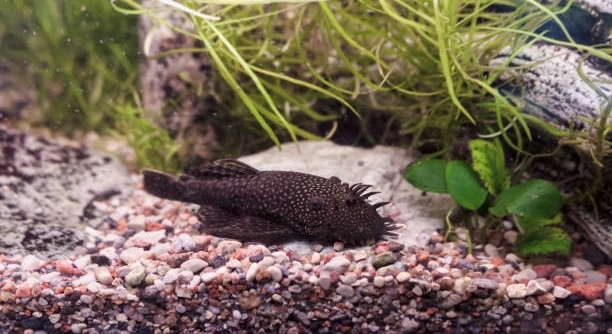
Have you ever noticed subtle changes in your aquarium and wondered if your plecos are preparing to spawn? Observing their behavior can reveal important clues, helping you better understand their natural reproductive cycle and environment needs.
Plecos exhibit specific behavioral and physical changes as they near spawning time. Increased territoriality, frequent cleaning of surfaces, changes in coloration, and altered feeding patterns are reliable indicators. Monitoring these signs allows aquarists to anticipate breeding activity accurately.
Recognizing these signs early can improve your aquarium management and support the wellbeing of your fish as they enter this critical stage.
Increased Territorial Behavior
Plecos often become noticeably territorial as they approach spawning. They may guard specific areas of the tank more aggressively, chasing away other fish and staking out a preferred hiding spot or cave. This behavior helps protect potential eggs and creates a safe environment for reproduction. Observing which pleco claims which section can give clear insight into which individuals are preparing to breed. Territoriality may also include displays like flaring fins or rubbing their bodies along surfaces. During this time, it’s common to see them patrol their area repeatedly, inspecting potential nesting spots. This heightened sense of ownership is linked to hormonal changes that trigger spawning behavior. Understanding these shifts can help maintain harmony in the tank by preventing unnecessary stress between fish. Adjusting tank décor to provide enough hiding spaces for all inhabitants can reduce conflict while allowing the breeding pleco to feel secure.
Heightened territoriality signals that plecos are actively preparing for spawning. Careful observation helps identify breeding behavior without disturbing them.
Maintaining a calm environment during this stage is crucial. Avoid rearranging the tank or introducing new fish, as these changes can stress plecos. Observing from a distance allows natural behaviors to continue. Providing ample caves, driftwood, and other hiding spots ensures plecos feel secure while exhibiting their territorial instincts. Monitoring interactions helps aquarists anticipate breeding activity and support successful spawning.
Nest Cleaning and Preparation
Before spawning, plecos often clean surfaces extensively. They scrape algae, remove debris, and polish potential nesting areas. This behavior ensures that eggs will adhere securely and remain free from harmful bacteria.
Nest preparation includes selecting suitable caves or crevices, often in tight or sheltered spaces.
Plecos meticulously prepare their nesting sites to increase offspring survival. Males typically choose the site and remove unwanted materials. Cleaning involves scraping surfaces with their mouths or fins, often repeatedly, to ensure a smooth, safe area for eggs. Observing this behavior can indicate which plecos are ready to spawn, allowing aquarists to support their efforts. Ensuring the tank has adequate caves and smooth surfaces can encourage natural breeding behavior. Avoid disturbing these sites, as plecos may abandon a chosen area if threatened. Nest cleaning also signals that reproductive hormones are active, and other behaviors such as increased guarding and color changes may soon follow. Recognizing and supporting this stage helps achieve successful breeding outcomes.
Changes in Coloration
Plecos often show subtle changes in color as spawning nears. Fins may darken, and body patterns can become more pronounced. These shifts indicate hormonal changes and readiness for reproduction.
Coloration changes are a reliable visual cue of reproductive readiness. Males, in particular, may darken along their dorsal and pectoral fins. Females sometimes display a slightly lighter or more muted pattern. These differences help identify which fish are actively preparing to spawn. Changes in brightness or contrast may also appear when the fish are stressed or excited. Tracking these patterns over time allows you to correlate behavior with readiness, providing a practical method to anticipate spawning events. Observing lighting and water quality ensures that colors remain visible, making it easier to monitor subtle shifts.
It’s important to note that coloration alone doesn’t guarantee imminent spawning but combined with other behaviors like territoriality and nest preparation, it offers a clearer picture. Plecos may intensify their cleaning and guarding as colors become more vivid, reflecting increased reproductive focus. Consistent observation can help predict breeding stages.
Altered Feeding Patterns
Plecos may change their feeding habits before spawning, often eating less or being selective with food. Reduced appetite is common and linked to hormonal shifts preparing for reproduction.
Monitoring feeding behavior gives insight into spawning readiness and overall health.
Before breeding, plecos often prioritize nesting and territory over eating. Males may spend long periods guarding nests, while females prepare for egg-laying. This reduction in feeding is temporary but noticeable. Offering high-quality, nutrient-rich foods can support energy levels without overfeeding, which could disrupt natural behaviors. Observing which foods are preferred helps maintain proper nutrition during this critical period. Feeding should be done with care, ensuring all fish receive adequate portions despite competition. Skipping food occasionally aligns with natural patterns, reducing stress. Recognizing these changes helps you adjust care routines and maintain a balanced environment, supporting successful spawning.
Increased Hiding and Shelter Use
Plecos spend more time in caves or under decorations as spawning approaches. They seek secure spaces to protect themselves and potential eggs.
Hiding behavior helps reduce stress and provides a safe environment for reproductive activities. Observing which areas are favored gives clues about breeding readiness.
Vent Swelling
Swelling near the vent is a clear physical sign of spawning readiness. Females often develop a rounded vent, indicating egg maturation, while males may show slight enlargement linked to reproductive activity.
More Frequent Cleaning of Surfaces
Plecos intensively clean tank surfaces before laying eggs. They remove algae and debris from caves or flat surfaces to create a safe, smooth area for egg adhesion.
Increased Nocturnal Activity
Plecos may become more active at night as spawning time nears, patrolling territory and inspecting nesting areas under low light conditions.
FAQ
How can I tell when my plecos are ready to spawn?
Plecos show several signs before spawning. Males often become territorial, guarding caves or hiding spots, while females may hide more frequently. Both sexes may show changes in coloration and exhibit increased cleaning behaviors. Observing feeding patterns can also help—many plecos eat less or become selective with their food.
What kind of tank setup encourages spawning?
A proper tank setup includes smooth caves or crevices, plenty of hiding spaces, and clean surfaces for egg laying. Driftwood and rocks provide shelter and territorial boundaries. Stable water parameters, moderate flow, and consistent lighting schedules help plecos feel secure and ready to reproduce.
Do plecos need specific water conditions to spawn?
Yes. Plecos generally prefer slightly soft to moderately hard water with a neutral to slightly acidic pH. Temperature should be stable, often slightly higher than normal maintenance levels, to trigger reproductive behavior. Frequent water changes can simulate natural seasonal changes that encourage spawning.
How often do plecos spawn?
The frequency of spawning depends on species, age, and environmental conditions. Some plecos may spawn multiple times a year under optimal conditions, while others breed less frequently. Observing behavioral cues like nesting, territoriality, and vent swelling helps predict spawning cycles.
Should I separate plecos during spawning?
Generally, plecos do not need to be separated if the tank is large enough and has sufficient hiding spots. Overcrowding can cause stress and aggression, so providing enough space is essential. In some cases, separating overly aggressive individuals may prevent injuries and ensure successful egg laying.
How long does it take for pleco eggs to hatch?
Egg incubation usually lasts about 4–10 days, depending on water temperature and species. Warmer, stable water accelerates development, while cooler temperatures slow it down. Parents, usually males, often guard the eggs during this period to protect them from other fish or disturbances.
What should I feed plecos before and during spawning?
High-quality foods rich in protein and nutrients are beneficial. Vegetables, algae wafers, and occasional protein sources like shrimp or bloodworms help prepare their bodies for reproduction. Reducing overfeeding is important, as plecos often eat less naturally during this period. Balanced nutrition supports egg development and parental energy levels.
Do males and females show different behaviors before spawning?
Yes. Males often become more territorial, aggressively patrolling nesting areas and cleaning surfaces. Females may spend more time hiding and inspecting potential nesting sites. Both may display subtle color changes, but males tend to show more pronounced shifts in fin and body coloration linked to reproductive readiness.
Can plecos spawn in a community tank?
It is possible, but the success rate may be lower. Community tanks introduce potential stressors, such as other fish disturbing nests. Providing plenty of hiding spots, caves, and well-structured territories helps plecos feel secure and increases the chances of successful egg laying and hatching.
What should I do after spawning?
Monitor the tank without disturbing the eggs. Ensure water quality remains stable and avoid sudden changes. Males typically guard eggs, so allow them to perform this role. Once fry hatch, provide fine foods such as baby brine shrimp or powdered algae to support healthy growth.
How can I tell if spawning was successful?
Successful spawning is indicated by healthy, intact eggs attached to surfaces and active parental guarding. After hatching, free-swimming fry should appear within a few days. Observing feeding responses and normal swimming behavior confirms fry are developing properly.
Are there common mistakes to avoid when plecos spawn?
Disturbing the tank, introducing aggressive fish, or altering water conditions can cause stress and lead plecos to abandon eggs. Overfeeding or insufficient hiding spaces can also disrupt reproductive behavior. Consistent observation and minimal interference are key to supporting natural spawning.
How long until fry are independent?
Fry gradually become independent over several weeks. Initially, they rely on leftover yolk sacs and parental care, but within 3–4 weeks, they can feed on small foods independently. Maintaining proper water quality and nutrition is crucial during this growth stage to ensure healthy development.
Do plecos always spawn in the same spot?
Not necessarily. While they often choose similar types of caves or crevices, the exact location may change depending on tank layout, water conditions, and perceived safety. Providing multiple options ensures they find a spot they feel comfortable guarding and cleaning for egg laying.
Can plecos spawn without a male present?
No. Successful spawning requires both a male and a female. The male typically guards the eggs after fertilization, so absence of a male usually results in unprotected eggs that will not survive. Observing pair interactions can help identify breeding readiness.
How do I support plecos during the spawning process?
Maintain stable water conditions, provide sufficient hiding spaces, and avoid disturbing their territory. Feeding nutrient-rich foods before and during spawning supports energy needs. Observe quietly, allowing natural behaviors like guarding, cleaning, and territorial patrolling to proceed without interference.
What is the role of the male in caring for eggs?
Males guard eggs by fanning them with their fins to provide oxygen, removing debris, and protecting them from threats. This behavior is critical for egg survival, and males may stay near the nest almost constantly until the eggs hatch.
Final Thoughts
Observing plecos in your aquarium can be both fascinating and informative. Their subtle behaviors reveal a lot about their reproductive cycle and overall health. By paying attention to signs such as territorial behavior, nest cleaning, color changes, and altered feeding patterns, you can better understand when your plecos are nearing spawning time. Recognizing these behaviors allows you to provide the right environment and support, which can make the difference between successful breeding and missed opportunities. It also strengthens your ability to manage the aquarium without causing unnecessary stress to your fish. Each pleco may behave slightly differently, so consistent observation over time is key to accurately interpreting their signals.
Providing the proper environment is essential during this stage. Plecos need smooth surfaces, caves, or crevices for nesting, as well as secure hiding spots to feel safe. Stable water conditions, including temperature, pH, and cleanliness, play a major role in triggering and supporting spawning behavior. High-quality, nutrient-rich foods also help prepare plecos for reproduction, especially when their appetite naturally decreases before breeding. By ensuring these conditions are met, you support both the health of the adult fish and the survival of any eggs or fry. Watching these behaviors unfold can be very rewarding, as it allows you to witness natural reproductive instincts in a controlled, safe environment.
Patience and careful observation are crucial for success. Plecos can take time to display all the signs of spawning, and each step of the process—from territorial displays to egg hatching—requires minimal disturbance. Avoid unnecessary handling, maintain consistent water quality, and respect their space to allow natural behaviors to progress. Even small changes in tank setup or routine can affect their readiness to breed. By understanding these factors and supporting your plecos with the proper environment, you not only encourage successful spawning but also promote the overall wellbeing of your fish. Observing and learning from their behaviors helps you become a more attentive aquarist, capable of meeting the needs of your plecos at every stage of their life cycle.

Hello,
If you enjoy the content that we create, please consider saying a "Thank You!" by leaving a tip.
Every little bit helps us continue crafting quality advice that supports the health, happiness, and well-being of pets around the world, for pets of all shapes, sizes, and species.
We really appreciate the kindness and support that you show us!