
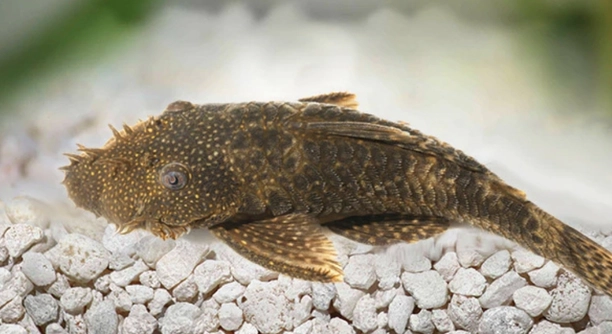
Is your pleco constantly circling the heater in your aquarium, leaving you puzzled about its unusual behavior? Observing this can be concerning, especially when you want to ensure your fish is healthy and comfortable in its environment.
The primary reason your pleco circles the heater is likely due to a need for warmth or stress caused by inconsistent water temperature. Maintaining stable, appropriate temperatures ensures the fish’s metabolism and overall health remain optimal.
Watching your pleco interact with its environment can reveal more about its needs and comfort. Understanding these behaviors will help you create a safer, happier habitat.
Common Reasons Plecos Circle the Heater
Plecos may circle the heater for several reasons. One common cause is temperature preference. These fish enjoy slightly warmer water, and if the tank feels cooler than usual, they may linger near the heater to stay comfortable. Another factor can be stress. Changes in water quality, tank placement, or nearby disturbances can make your pleco uneasy, prompting it to seek the warmest part of the tank. Additionally, illness or discomfort might lead to unusual behaviors. Circling near the heater can be a way to self-regulate body temperature or find relief. Observing other signs, like lethargy, loss of appetite, or discoloration, can help determine if a health issue is present. Ensuring the tank is stable in temperature and clean helps minimize stress and prevents repetitive behaviors. Regular monitoring allows you to notice changes early and take appropriate steps for a healthier environment.
Watching your pleco closely for patterns can reveal whether this is typical behavior or a warning sign.
Providing a stable temperature range, typically between 74°F and 80°F, helps plecos remain active and healthy. Avoid sudden temperature shifts and ensure the heater is reliable. If stress seems to be the cause, reduce disturbances around the tank, check water quality, and maintain a consistent schedule. These small adjustments can significantly improve comfort and reduce repetitive circling behaviors.
How to Adjust Your Tank for Comfort
Temperature regulation is essential for pleco health.
Start by checking your heater’s accuracy and ensuring it is suitable for the tank size. Position the heater where circulation distributes warmth evenly, avoiding hot spots that can stress your fish. Keep the water clean by performing regular partial water changes, removing uneaten food, and monitoring ammonia, nitrite, and nitrate levels. Decorate the tank with hiding spots like caves or driftwood to provide secure areas, as this can reduce anxiety-related behaviors. Observe how your pleco responds after adjustments. If circling decreases, the environment is likely more comfortable. If not, consider reviewing water parameters, diet, or signs of illness. Creating a predictable, calm environment allows your pleco to thrive naturally. Regular monitoring ensures temperature and water quality remain optimal, helping your fish maintain normal activity and reducing repetitive behaviors over time.
Maintaining these standards consistently supports long-term health and encourages your pleco to display natural behaviors rather than seeking constant warmth.
Signs of Stress in Plecos
Stress in plecos often shows through changes in behavior or appearance. Circling the heater can be one indication. Other signs include hiding excessively, reduced appetite, or unusual swimming patterns. Monitoring these signs helps identify problems early and prevent long-term health issues.
Stress can result from several factors, including poor water quality, inconsistent temperatures, overcrowding, or sudden changes in the environment. Even minor disturbances, like moving decorations or tapping on the glass, can trigger anxiety in plecos. Observing your fish daily allows you to notice subtle changes in behavior, such as unusual circling, rapid gill movement, or hiding more than usual. Addressing the underlying cause promptly can prevent further health decline and restore your pleco’s well-being.
Providing a stable environment is key. Regular water testing, maintaining proper temperature, and ensuring adequate hiding spots can reduce stress significantly. Social factors also matter; plecos may become uneasy if tankmates are aggressive or overly active. Maintaining a calm, consistent environment encourages natural behavior and reduces repetitive actions like circling the heater. Watching your pleco adapt to improvements can reassure you that changes are effective and that your fish is becoming more comfortable.
Water Quality and Temperature
Plecos are sensitive to fluctuations in water conditions. Keeping temperature and water chemistry stable is essential for their health and behavior.
Optimal water quality involves maintaining clean water with appropriate pH, hardness, and temperature. Plecos thrive in slightly warmer water, usually between 74°F and 80°F, with minimal fluctuations. Ammonia and nitrite levels should be zero, and nitrates kept low. Using a reliable heater and thermometer ensures stability, while regular partial water changes prevent toxic buildup. Monitoring water parameters consistently helps identify problems before they affect behavior or health.
Sudden temperature drops or poor water quality can lead to stress and unusual behaviors like circling the heater. Filtration is critical; a properly sized filter keeps the water clear and oxygenated. Avoid overcrowding, as excess fish increase waste and stress. Incorporating plants, caves, or driftwood provides secure spaces, reducing anxiety and promoting natural movement. Consistency in care helps your pleco feel secure, encourages normal feeding and activity, and minimizes repetitive or restless behaviors caused by environmental instability.
Feeding Habits and Behavior
Plecos are primarily nocturnal and may become more active near the heater if they are searching for food. Irregular feeding schedules or insufficient food can increase restlessness and unusual swimming patterns. Observing eating habits helps identify underlying issues.
Providing a balanced diet that meets their nutritional needs reduces stress. Vegetables like zucchini or cucumber, along with sinking pellets, ensure proper feeding. Overfeeding can also cause water quality issues, leading to anxiety or erratic behavior. Regular monitoring of feeding routines helps maintain a calm environment and encourages normal activity patterns in plecos.
Illness and Health Concerns
Changes in behavior, such as circling the heater, may indicate underlying health problems. Illnesses like parasites, bacterial infections, or swim bladder issues can manifest through unusual swimming patterns. Early detection is critical for treatment. Maintaining clean water and monitoring appetite supports your pleco’s overall health and reduces the risk of disease.
Tank Setup Adjustments
Adjusting the tank environment can help reduce repetitive behaviors. Proper placement of the heater, hiding spots, and decorations ensures even temperature distribution and secure spaces for your pleco to feel safe.
FAQ
Why is my pleco always near the heater?
Plecos often stay near the heater because they enjoy warmer water. If the tank temperature drops below their preferred range, they naturally gravitate to the heater to regulate their body temperature. Consistent warmth helps their metabolism and keeps them active. Observing if this behavior occurs mostly at night or after water changes can indicate whether it’s temperature-related.
Could circling the heater mean my pleco is stressed?
Yes, stress can cause repetitive behaviors like circling. Stress factors include sudden changes in water conditions, overcrowding, or an unstable environment. Watch for other signs, such as hiding excessively, refusing food, or unusual swimming patterns. Reducing disturbances, maintaining stable water, and providing hiding spots helps alleviate stress.
Is this behavior normal for plecos?
Some circling or hovering near warmer areas is typical, especially for nocturnal or shy plecos. However, persistent circling may signal discomfort or environmental issues. Regular observation and careful monitoring of tank conditions help differentiate normal behavior from potential problems.
Could my pleco be sick if it circles the heater?
Yes. Illnesses like swim bladder issues, parasites, or bacterial infections can result in unusual swimming patterns. Look for additional signs like loss of appetite, clamped fins, or discoloration. Ensuring proper water quality, a stable temperature, and a balanced diet reduces disease risks and promotes recovery.
How can I prevent my pleco from circling the heater?
Maintaining a stable temperature between 74°F and 80°F is crucial. Proper filtration, regular partial water changes, and clean substrate help minimize stress. Adding caves, driftwood, or plants gives plecos secure spaces, encouraging normal behavior rather than repetitive circling. Consistency in care is key to prevention.
Does diet affect this behavior?
Yes. Plecos that are underfed or receive an unbalanced diet may become restless and search for food near the heater. Provide sinking pellets, vegetables like zucchini or cucumber, and occasional protein treats. Monitoring feeding schedules ensures proper nutrition and reduces behavior linked to hunger or frustration.
Can tankmates influence this behavior?
Aggressive or overly active tankmates can stress plecos, causing them to seek warmth near the heater. Ensure compatible tankmates and enough space for everyone. Providing hiding spots and maintaining a calm environment allows plecos to move naturally without repeated circling behaviors.
Should I change my heater or tank setup?
If the heater creates uneven temperature spots or is too small for the tank, plecos may linger near it excessively. Position the heater for even heat distribution and add decorations or hiding places. Proper setup balances comfort and activity for your pleco.
How long should my pleco be near the heater?
Short periods to warm up or adjust after changes are normal. Extended or continuous circling may indicate stress, illness, or water issues. Observing behavior trends and correlating them with tank conditions helps determine if intervention is needed.
When should I consult a veterinarian?
If circling persists despite stable water, proper temperature, and a balanced diet, or if other symptoms appear like lethargy, rapid gill movement, or unusual marks, seek advice from an aquatic veterinarian. Early intervention increases the chances of recovery.
Are there natural ways to make plecos more comfortable?
Yes. Adding driftwood, caves, and plants creates safe spaces. Keeping the lighting moderate and avoiding sudden environmental changes reduces stress. Regular feeding and stable temperatures improve overall comfort, helping plecos feel secure and reducing repetitive circling.
Can water quality alone cause this behavior?
Poor water quality, including high ammonia, nitrites, or nitrates, can lead to unusual behavior. Even minor fluctuations can stress plecos, prompting them to hover near the heater. Regular testing and maintenance of water chemistry are essential for normal activity and health.
Do plecos prefer a certain part of the tank?
Plecos naturally prefer hiding spots and gentle currents. Circling the heater often reflects a need for warmth or security. Providing multiple areas with stable temperature and cover ensures they can choose their preferred spot without repetitive behavior.
Is this behavior more common in certain pleco species?
Some species, like common or bristlenose plecos, are more active and sensitive to temperature changes. Observing the habits of your specific species helps understand whether circling is normal or a response to environmental stress.
How can I monitor changes effectively?
Keep a simple log of water parameters, feeding times, and behavior patterns. Note any unusual movements, circling, or lethargy. Comparing trends over time helps identify the cause of heater-focused activity and guides adjustments in care.
This FAQ addresses common concerns while providing practical steps to keep your pleco comfortable and healthy. Consistent care, observation, and environmental stability are key to preventing repetitive circling and ensuring your fish thrives.
Word count: 509
Final Thoughts
Observing your pleco circling the heater can feel concerning at first, but it is often a signal rather than a cause for immediate worry. Plecos rely heavily on stable water conditions, proper temperature, and a calm environment to remain healthy. Circling behavior frequently points to their need to regulate body temperature or respond to subtle stressors in their tank. Paying attention to water temperature, ensuring it stays within their preferred range of 74°F to 80°F, can make a noticeable difference in their activity levels and comfort. When the water drops below this range, plecos may instinctively move toward the heater to stay warm. While occasional hovering near the heater is normal, consistent or repetitive circling can indicate that adjustments are necessary in the tank’s setup, feeding schedule, or water quality.
Maintaining clean and balanced water is another critical factor that directly impacts your pleco’s behavior. Regular partial water changes, testing for ammonia, nitrites, and nitrates, and keeping pH levels stable create an environment where your fish feels secure. Overfeeding or underfeeding can also contribute to unusual behaviors, so providing a consistent, nutritious diet with vegetables like zucchini or cucumber, along with sinking pellets, helps maintain overall health. Beyond water quality and diet, the layout of the tank plays an important role. Plecos benefit from hiding spots, driftwood, and plants, which provide shelter and reduce anxiety. When the tank environment feels safe, plecos are less likely to engage in repetitive circling or other stress-driven actions. Observing how your pleco responds to environmental changes can guide improvements and help prevent further concerns.
Consistency is key to ensuring your pleco thrives in its habitat. Sudden changes in lighting, temperature, or tank decorations can trigger stress-related behavior, including circling the heater. Monitoring your fish daily allows you to spot early signs of discomfort or illness, which can include loss of appetite, clamped fins, or unusual swimming patterns. In some cases, behavior changes may point to a health issue requiring closer attention or consultation with an aquatic veterinarian. However, most of the time, circling is linked to temperature preferences, stress, or minor adjustments in the tank environment. By keeping the tank stable, providing a balanced diet, and offering safe areas to hide and explore, your pleco can maintain natural activity patterns and overall well-being. Patience and careful observation are essential, as small adjustments often lead to significant improvements in behavior and comfort, ensuring a healthy, stress-free habitat for your fish.
Word count: 408

Hello,
If you enjoy the content that we create, please consider saying a "Thank You!" by leaving a tip.
Every little bit helps us continue crafting quality advice that supports the health, happiness, and well-being of pets around the world, for pets of all shapes, sizes, and species.
We really appreciate the kindness and support that you show us!