
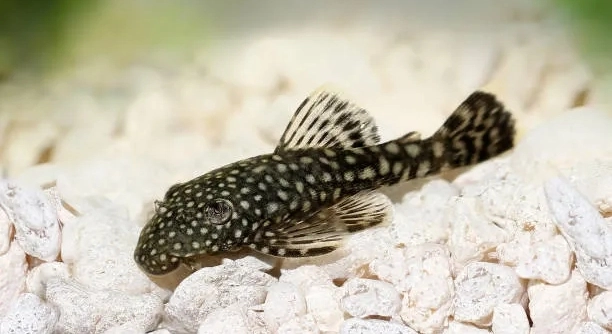
Do your plecos seem less active than usual or hide more than normal in the tank? Observing sudden changes in behavior can indicate minor health issues that may affect their daily routine and overall well-being.
Minor illnesses in plecos, such as fin rot, ich, swim bladder disorder, and parasitic infections, can directly impact their activity levels, feeding patterns, and social interactions. Identifying these conditions early allows for prompt treatment and prevents further complications.
Understanding these minor illnesses will help you maintain a healthy environment and keep your plecos thriving with consistent care.
Fin Rot
Fin rot is one of the most common minor illnesses in plecos. It usually begins as small fraying or discoloration at the edges of their fins. Poor water quality, stress, or minor injuries can trigger this condition. If untreated, the damage can spread quickly, affecting multiple fins and limiting your pleco’s swimming ability. You may notice your pleco rubbing against tank decorations or hiding more often than usual. Regular water changes and proper filtration are essential to prevent fin rot. Medications formulated for bacterial infections can help if the condition progresses. Maintaining a balanced diet also supports recovery. Observation is key; catching fin rot early makes treatment simpler and more effective, allowing your pleco to regain its normal behavior without significant stress.
Treating fin rot promptly can prevent further damage and help your pleco return to normal swimming patterns. Good tank maintenance is critical.
Early detection of fin rot ensures a faster recovery. By monitoring water conditions, keeping the tank clean, and providing proper nutrition, your pleco can bounce back. Avoid overcrowding, and remove any sharp or rough decorations that might injure fins. With consistent care and attention, your pleco’s fins will gradually heal, restoring its natural movements and confidence in exploring the tank.
Ich (White Spot Disease)
Ich is a parasitic infection that appears as tiny white spots on your pleco’s body and fins. These spots can irritate the skin and gills.
Ich spreads quickly in aquariums, especially when new fish are introduced without quarantine. Temperature changes and stress can make plecos more vulnerable. Early treatment usually involves raising the water temperature slightly and using over-the-counter anti-parasitic medications. Isolating infected fish in a hospital tank can prevent the infection from spreading to other tank inhabitants. Maintaining clean water and avoiding sudden temperature swings reduce the chances of recurrence. Observation is important, as prolonged ich can weaken the immune system, making plecos susceptible to secondary infections. Recovery requires consistent care, patience, and attention to water quality.
Keeping your pleco’s environment stable and treating ich early ensures minimal stress and faster recovery. Prevention is easier than treatment.
Swim Bladder Disorder
Swim bladder disorder affects your pleco’s ability to maintain balance in the water. You may notice floating to the surface or sinking to the bottom, making normal swimming difficult.
This condition can result from overfeeding, constipation, or bacterial infections. Uneaten food that ferments in the tank can contribute to bloating, which puts pressure on the swim bladder. Adjusting feeding schedules, providing fiber-rich foods like blanched vegetables, and ensuring your pleco is not overeating can help reduce symptoms. In more persistent cases, isolating the affected pleco and monitoring water quality can improve recovery. Treatment is more effective when caught early, allowing your pleco to regain normal swimming patterns.
Preventing swim bladder issues involves maintaining a balanced diet and avoiding rapid changes in temperature. Regular observation of behavior ensures early intervention and helps keep your pleco active and comfortable. Consistency in care supports long-term health and reduces stress-related complications.
Parasitic Infestations
Parasitic infestations can cause lethargy, loss of appetite, and abnormal swimming in plecos. Early detection is essential to avoid severe health decline.
Common parasites include gill flukes, skin flukes, and internal worms. These infestations often occur when introducing new fish without proper quarantine or from contaminated food sources. Affected plecos may scrape against surfaces to relieve irritation, display rapid gill movement, or show weight loss. Treatments involve anti-parasitic medications and thorough tank cleaning. Maintaining good water quality and a controlled feeding routine reduces the risk of parasite outbreaks.
Observation and early action are key in controlling parasites. Quarantining new fish, sanitizing decorations, and monitoring behavior help prevent infestations. Long-term prevention focuses on maintaining a clean tank environment, consistent water parameters, and a well-balanced diet. If an infection occurs, treatment should be thorough and repeated as necessary to fully eliminate parasites, ensuring your pleco regains strength and normal behavior.
Fungal Infections
Fungal infections appear as white or gray cotton-like patches on your pleco’s skin or fins. They often develop after an injury or in tanks with poor water quality.
Treatment usually involves antifungal medications and improving water conditions. Removing affected areas of decoration and keeping the tank clean can prevent spread.
Nutritional Deficiencies
A lack of essential nutrients can lead to poor growth, dull coloration, and weak fins in plecos. Feeding a varied diet with algae wafers, vegetables, and occasional protein helps maintain health and prevents these deficiencies.
Stress-Related Behavior
Stress can alter pleco behavior, making them hide more, refuse food, or become unusually aggressive. Stressors include overcrowding, sudden water changes, and incompatible tankmates. Monitoring behavior and maintaining stable conditions help reduce stress and improve overall well-being.
FAQ
How can I tell if my pleco is sick?
Changes in behavior are often the first sign of illness. Watch for decreased activity, hiding, loss of appetite, frayed fins, or unusual swimming patterns. Regular observation helps detect problems early, making treatment more effective. Sudden color changes or white spots on the body can also indicate infection or parasites.
What should I do if my pleco develops fin rot?
Fin rot requires prompt attention. Improve water quality through frequent changes and ensure proper filtration. Use antibacterial medications if the condition worsens. Avoid overcrowding and sharp decorations that could damage fins. Providing a balanced diet supports healing and reduces stress.
How can I prevent ich in my pleco tank?
Quarantining new fish before introducing them is essential. Maintain stable water temperature and proper tank cleanliness. Avoid sudden changes in water conditions, and treat the water with anti-parasitic solutions if needed. Early detection and isolation prevent the spread to other fish.
What causes swim bladder disorder in plecos?
Overfeeding, constipation, and bacterial infections are common causes. Uneaten food can ferment and create bloating, affecting the swim bladder. Feeding high-fiber vegetables and adjusting feeding schedules helps prevent this condition. Observing swimming patterns regularly can alert you to early signs.
How do I handle parasitic infestations?
Identify symptoms such as scraping against surfaces, rapid gill movement, or weight loss. Use anti-parasitic medications and maintain a clean tank. Quarantine new fish and sanitize decorations. Early treatment prevents severe health problems and helps your pleco recover faster.
Can nutrition affect my pleco’s behavior?
Yes, poor nutrition can lead to lethargy, weak fins, and dull coloration. A varied diet including algae wafers, vegetables, and occasional protein ensures proper growth and energy levels. Monitoring feeding habits and adjusting portions prevent deficiencies.
How does stress impact plecos?
Stress changes behavior, making plecos hide, refuse food, or act aggressively. Common stressors include overcrowding, incompatible tankmates, sudden water changes, or fluctuating conditions. Consistent observation and maintaining stable water parameters help reduce stress and keep your pleco healthy.
When should I seek professional help?
If your pleco shows persistent lethargy, severe fin damage, continued loss of appetite, or worsening infections, professional advice is necessary. A vet or aquatic specialist can provide guidance on treatment, ensuring your pleco recovers fully and avoids long-term complications.
Can water quality alone cause minor illnesses?
Poor water quality is a leading factor. High ammonia, nitrite, or nitrate levels can stress plecos and make them vulnerable to infections. Regular water testing, proper filtration, and consistent cleaning routines prevent many common illnesses.
Are there signs my pleco is recovering?
Improved appetite, normal swimming behavior, and gradual fin regrowth are clear signs. Reduction in hiding and brighter coloration indicate better health. Consistency in diet, water quality, and stress reduction supports ongoing recovery.
How long does it take for a pleco to recover from minor illnesses?
Recovery time varies depending on the illness and promptness of treatment. Minor issues like fin rot or mild nutritional deficiencies can improve in days to a few weeks. Parasites or swim bladder disorders may take longer, requiring ongoing care and monitoring.
Can multiple illnesses occur at the same time?
Yes, plecos can experience overlapping conditions, especially if stressed or in poor water conditions. Monitoring behavior, maintaining water quality, and timely treatment help prevent one illness from triggering another. Observation is key to managing overall health effectively.
Is it necessary to isolate sick plecos?
Isolation is often recommended to prevent contagious diseases like ich or parasites from spreading. Using a hospital tank allows targeted treatment and reduces stress on other tank inhabitants. Consistent observation ensures the sick pleco receives proper care.
What preventive measures help keep plecos healthy?
Regular water changes, proper filtration, a balanced diet, quarantine for new fish, and monitoring for early behavioral changes are essential. Avoid overcrowding and maintain stable conditions. Preventive care reduces the likelihood of minor illnesses and supports long-term well-being.
How can I make treatment less stressful for my pleco?
Provide hiding spots and minimize sudden movements during treatment. Keep water conditions stable, maintain a gentle routine, and avoid frequent handling. Reducing stress supports recovery and encourages normal behavior while medications take effect.
Can diet alone fix behavioral issues?
Diet plays a major role but may not resolve all issues. Illnesses, stress, and water quality also impact behavior. Balanced nutrition combined with proper tank management and early detection of health problems provides the best outcome.
Are minor illnesses common in young plecos?
Yes, younger plecos are more vulnerable due to weaker immune systems. Maintaining ideal water conditions, providing proper nutrition, and observing behavior regularly help prevent minor illnesses and support healthy development.
How do I monitor my pleco effectively?
Spend a few minutes daily observing swimming patterns, feeding behavior, and physical condition. Note any changes in fins, coloration, or appetite. Early detection allows for timely intervention, reducing the severity of minor illnesses.
Can environmental changes trigger illnesses?
Sudden changes in temperature, water chemistry, or tank setup can stress plecos and trigger illnesses. Gradual adjustments and stable conditions reduce risk. Maintaining a predictable environment supports consistent behavior and overall health.
What is the best way to recover from multiple minor illnesses?
Address each condition systematically, starting with water quality improvements and dietary adjustments. Use targeted medications as needed and monitor behavior closely. Providing a stable, stress-free environment ensures your pleco recovers fully and regains normal activity.
Final Thoughts
Caring for plecos requires attention to their behavior, diet, and environment. Minor illnesses can appear suddenly, and changes in swimming patterns, appetite, or fin condition are often the first signs. Observing these subtle changes daily helps identify issues before they worsen. Plecos are resilient, but early intervention is key to keeping them healthy. Regular water testing and maintaining consistent tank conditions reduce stress and prevent many common problems. Simple adjustments like improving filtration, adding hiding spots, or adjusting feeding routines can make a significant difference in their overall well-being.
A balanced diet plays an important role in supporting a pleco’s immune system and behavior. Providing a variety of foods, including algae wafers, fresh vegetables, and occasional protein, ensures they receive the nutrients needed for growth and recovery. Overfeeding can lead to swim bladder issues or water quality problems, while underfeeding weakens the fish and leaves them more susceptible to infection. Monitoring feeding habits and adjusting portions according to the size and activity of your pleco helps maintain both health and proper behavior. Combining proper nutrition with clean water conditions provides the best chance for preventing minor illnesses and ensuring your pleco thrives in its environment.
Even with careful care, minor illnesses may still occur. Being aware of the signs and knowing how to respond quickly can prevent complications and reduce stress for both the pleco and the keeper. Treatments such as medications, dietary adjustments, or temporary isolation are effective when applied correctly and consistently. Maintaining a stable tank, providing proper nutrition, and monitoring behavior regularly creates a supportive environment for recovery. Plecos are adaptable creatures, and with consistent attention, they can overcome minor health issues and return to normal behavior. Long-term care focuses on prevention, observation, and timely response, ensuring your pleco remains active, healthy, and comfortable in its aquatic home.

Hello,
If you enjoy the content that we create, please consider saying a "Thank You!" by leaving a tip.
Every little bit helps us continue crafting quality advice that supports the health, happiness, and well-being of pets around the world, for pets of all shapes, sizes, and species.
We really appreciate the kindness and support that you show us!