
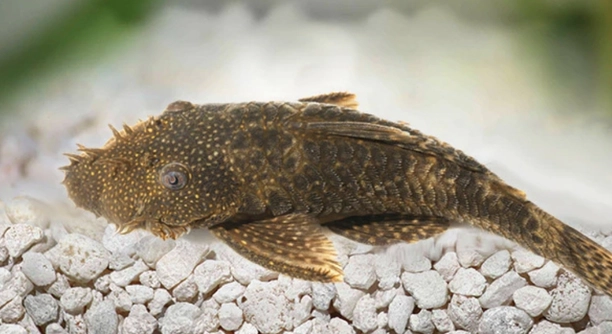
Do you ever notice your pleco swimming around but never resting in the same spot twice? These fish often seem unpredictable, moving from one corner of the tank to another without any clear pattern or reason behind it.
Plecos avoid the same spot daily primarily due to territorial behavior, environmental changes, and the search for optimal hiding and feeding locations. This movement ensures safety, reduces stress, and supports natural foraging instincts within their aquatic habitat.
Observing these patterns can help you create a more comfortable and stimulating environment for your pleco, improving its overall health and behavior in your aquarium.
Understanding Pleco Behavior
Plecos are naturally nocturnal fish, so they spend most of their day hiding and become more active at night. They like to explore, constantly moving to find food or check their surroundings. Changes in water temperature, lighting, and decorations can influence their movement patterns. Even small adjustments, like moving a plant or adding a new hiding spot, may prompt them to shift their preferred resting area. Some plecos are more territorial than others, especially larger species, which leads them to patrol different parts of the tank. They also have a strong instinct to avoid predators, so they rarely settle in one place for too long. Watching your pleco explore can give you insight into its preferences and stress levels. Adjusting the environment to include multiple hiding areas can help reduce anxiety and make the fish feel more secure. This behavior is part of their natural instincts rather than a sign of discomfort.
Providing multiple hiding spots and decorations allows plecos to feel secure and reduces stress from constant movement.
Plecos are also bottom dwellers that use their senses to detect food and other fish in the tank. They often follow subtle currents in the water, moving with flow and checking for edible algae or detritus. Their movement also keeps them engaged and stimulates natural behaviors, preventing boredom and encouraging healthier activity levels. Ensuring the tank has proper filtration, clean water, and enough surface for grazing can improve their comfort. Some plecos will adjust their location depending on the presence of other fish, avoiding areas where larger or more aggressive tank mates reside. By observing these behaviors, you can better predict where your pleco might rest next and create a tank layout that supports its natural instincts. Over time, these small adjustments can help you maintain a happier and healthier fish.
Feeding and Environment Considerations
Plecos prefer grazing at different spots, rather than sticking to one feeding area.
Offering a variety of food sources across the tank encourages natural movement and prevents territorial disputes. Algae wafers, vegetables, and occasional protein sources can be placed in multiple locations, allowing plecos to explore. Adjusting water flow and ensuring stable water conditions also affect their comfort and preferred resting areas. These adjustments reduce stress, support natural behaviors, and help them thrive.
It’s important to monitor water quality regularly because plecos are sensitive to changes in pH, temperature, and cleanliness. A tank that is too warm or poorly filtered can cause them to move more frequently as they search for optimal conditions. Providing hiding spots with caves, driftwood, or dense plants helps them feel safe while resting during the day. Different species have unique preferences, so observing your pleco’s habits is key to understanding its needs. Feeding patterns, tank layout, and environmental enrichment all influence where they choose to settle. Maintaining a stable environment with varied food options and secure hiding places ensures your pleco remains healthy, engaged, and comfortable within its habitat. This attention to detail creates a tank where natural behaviors can flourish.
Tank Layout and Hiding Spots
Providing multiple hiding spots in your tank helps plecos feel secure and reduces stress. Driftwood, caves, and dense plants give them places to rest while remaining hidden. Changing the layout slightly can encourage natural exploration without causing confusion or anxiety.
Plecos often move around to find comfortable resting areas. If a tank only has one hiding spot, they may avoid it to prevent competition or feel exposed. Multiple caves or plants let them choose where to settle depending on their mood or the presence of other fish. This movement is normal and supports natural behavior. By arranging the tank with varied textures and heights, you create a more stimulating environment that plecos naturally enjoy exploring. Observing which areas they prefer can help you adjust the layout for better comfort and security.
Different pleco species have different preferences for hiding spots. Some prefer tight spaces, while others like open areas with driftwood. Understanding these preferences helps in placing decorations and feeding areas strategically. By varying the layout periodically, plecos remain active, reducing boredom and promoting healthier habits. Secure hiding spots also help them feel protected during molting or when stressed. Proper tank arrangement ensures that plecos can display natural behaviors while maintaining safety and comfort, supporting overall well-being.
Light and Water Conditions
Plecos are sensitive to lighting and water conditions, which affects where they choose to stay in the tank.
Bright lighting often drives plecos into shaded areas or under decorations. Dimmer lights, natural shading from plants, and stable water temperatures encourage them to explore more freely. Water quality directly affects movement patterns; poor conditions can cause stress and constant relocation. Ensuring proper filtration, regular water changes, and monitoring pH and temperature creates a stable environment. When these factors are consistent, plecos are more likely to use preferred spots and exhibit calmer, natural behavior.
Water flow and temperature also influence pleco positioning. Many species prefer moderate currents that mimic natural streams, helping them graze and remain active without exerting excessive energy. Strong currents may force them to relocate frequently, while stagnant areas can lead to reduced activity. Maintaining a consistent temperature within the species’ preferred range prevents stress-induced movement and ensures health. Proper lighting schedules aligned with their nocturnal habits support natural resting and activity cycles. Observing how plecos respond to light, flow, and temperature allows adjustments that improve comfort and encourage natural exploration. These details create a stable, engaging environment for your pleco.
Territorial Behavior
Plecos can be territorial, especially in smaller tanks. They often patrol different areas to mark their space and avoid conflicts with other fish. Multiple hiding spots help reduce stress and allow each fish to feel secure without constant competition for a single area.
Territorial behavior also explains why plecos avoid the same spot every day. Moving around helps them establish boundaries and stay alert to potential intruders. In tanks with other bottom-dwelling fish, this movement ensures they maintain control over preferred resting and feeding areas while preventing fights.
Seasonal Changes
Water temperature and light changes with the seasons can affect pleco activity. Cooler water may slow them down, while warmer conditions increase exploration and movement. Adjustments in lighting schedules or adding plants can mimic natural seasonal shifts and influence their daily patterns.
Feeding Frequency
Plecos move around the tank as they search for food throughout the day. Offering meals at multiple spots encourages natural grazing behavior and prevents them from staying in one place. Consistent feeding routines support both health and comfort.
Stress Factors
Stress from loud noises, sudden movements, or aggressive tank mates can make plecos change their resting spots frequently. Observing these signs helps in creating a calmer environment and reducing unnecessary movement.
FAQ
Why does my pleco never stay in one spot?
Plecos naturally avoid staying in the same spot due to a combination of instincts and environmental factors. They are bottom-dwelling fish that explore the tank to find food, check for potential threats, and locate comfortable resting areas. Even small changes in decorations, water flow, or lighting can encourage movement. Multiple hiding spots and varied terrain allow them to feel safe while still being able to explore, which is why they rarely settle in a single location for long periods.
Is it normal for plecos to move constantly during the day?
Yes, plecos are primarily nocturnal, so their activity during the day may involve brief movement between hiding spots rather than constant swimming. Moving helps them monitor their environment and maintain comfort, especially if the tank has other fish or subtle changes in water conditions. Providing shaded areas and multiple caves reduces stress while allowing them to maintain natural behaviors.
Can stress make plecos avoid their usual spots?
Stress is a significant reason plecos relocate frequently. Loud noises, aggressive tank mates, or sudden changes in the tank environment can trigger movement to safer areas. Observing how your pleco reacts to stress can help identify problem areas. Adding more hiding spots or adjusting tank layout often helps reduce stress-induced movement.
Do plecos need multiple hiding spots?
Absolutely. Multiple hiding spots are essential for comfort and security. Plecos feel vulnerable if only one safe area exists, which can lead to excessive movement or territorial disputes. Caves, driftwood, and dense plants offer choices for resting and grazing. Changing locations periodically keeps them stimulated and reduces stress.
How does tank size affect pleco movement?
Smaller tanks often force plecos into limited areas, increasing territorial behavior and stress. Larger tanks provide more room to explore, graze, and rest without constant interaction with other fish. Adequate space allows them to establish personal zones, reducing unnecessary movement and promoting healthier behavior.
Does lighting affect where plecos settle?
Yes, plecos are sensitive to light. Bright lighting drives them to shaded areas or under decorations, while dimmer or natural shading encourages exploration. Light schedules that mimic their nocturnal habits can help them establish consistent resting spots, making their movement less random and more predictable.
How do water conditions influence pleco movement?
Water quality, temperature, and flow directly affect pleco behavior. Poor water conditions or unstable temperatures can make plecos constantly relocate to find optimal spots. Proper filtration, regular water changes, and maintaining the right temperature range help them settle more comfortably while supporting health.
Do plecos avoid spots because of other fish?
Other tank mates can influence pleco behavior, especially bottom-dwelling or aggressive species. Plecos will relocate to avoid conflict or competition for food and resting areas. Observing interactions can guide tank layout adjustments and hiding spot placement to minimize stress and promote peaceful coexistence.
Can seasonal changes affect pleco activity?
Yes, plecos respond to seasonal variations in temperature and light. Cooler water may reduce movement, while warmer water encourages exploration. Adjusting lighting and providing natural shading from plants can simulate seasonal changes and influence daily resting and feeding patterns.
How can I encourage my pleco to use certain areas of the tank?
Strategic placement of food, hiding spots, and decorations can guide plecos to preferred areas. Offering meals in different locations and creating shaded or protected zones encourages natural movement while reducing stress. Observing their habits and gradually adjusting the environment helps them adapt comfortably.
Is constant movement harmful to plecos?
Constant movement is not inherently harmful if water conditions, temperature, and food availability are adequate. However, stress, poor water quality, or overcrowding can cause excessive relocation and negatively impact health. Providing a stable environment with multiple hiding spots ensures movement is natural rather than stress-driven.
How long should plecos rest in one spot?
Rest periods vary depending on species, tank conditions, and activity levels. Plecos typically rest during the day under shaded or hidden areas, moving periodically to graze or explore. Observing their routine helps ensure they are healthy and comfortable, and adjustments can be made if movement seems excessive.
Do plecos mark territories like other fish?
Yes, plecos can be territorial, especially in smaller tanks or among similar species. Moving to different areas helps them patrol their space, establish boundaries, and reduce conflicts. Providing multiple caves or hiding spots allows them to maintain personal zones without constant aggression.
Can diet affect pleco movement?
Diet impacts their grazing behavior. Plecos naturally forage for algae and detritus, so providing food in multiple locations encourages exploration and prevents them from staying in one area. Balanced nutrition and variety help them remain active while supporting overall health and comfort.
How do I know if my pleco is stressed?
Signs of stress include constant relocation, hiding excessively, loss of appetite, or unusual aggression. Observing water quality, tank mates, and environmental changes can identify causes. Addressing these factors with multiple hiding spots, stable water conditions, and proper feeding reduces stress and encourages natural behavior.
Should I rearrange the tank to keep plecos active?
Yes, occasional adjustments to decorations, plants, and hiding spots can stimulate exploration. Changes should be gradual to avoid stress, providing new areas while keeping some familiar zones. This balance supports natural activity, reduces boredom, and promotes healthier daily movement.
Does age affect pleco movement?
Younger plecos are often more active and exploratory, while older plecos may prefer resting more frequently. Providing a tank environment that accommodates different activity levels ensures comfort for all ages, allowing movement without stress or conflict.
How important is observation for pleco care?
Regular observation helps identify patterns, preferences, and potential problems. Noting where your pleco rests, feeds, and moves provides insight into health, stress levels, and environmental needs. Adjustments based on these observations enhance well-being and maintain natural behavior within the tank.
Can adding plants change pleco habits?
Yes, live or artificial plants provide shade, grazing surfaces, and hiding areas. Adding plants encourages movement, exploration, and comfort. Strategic placement can guide plecos to preferred spots while reducing stress and territorial disputes, supporting healthier habits and natural behaviors.
What is the main takeaway about pleco movement?
Pleco movement is natural, influenced by territory, environment, diet, and stress. Providing multiple hiding spots, proper water conditions, and varied feeding locations supports comfort, reduces stress, and allows them to display natural behaviors safely and consistently.
This FAQ covers common concerns and practical solutions for understanding why plecos avoid the same spot every day, helping you care for them effectively.
Final Thoughts
Plecos are fascinating fish with unique behaviors that can sometimes seem puzzling. Their tendency to avoid staying in the same spot every day is a combination of natural instincts, environmental factors, and comfort needs. Understanding that this movement is normal can help reduce worry for anyone caring for these fish. They are bottom dwellers that like to explore, graze, and find secure hiding places throughout the tank. Multiple hiding spots, varied terrain, and stable water conditions all encourage healthy behavior. By providing these essentials, plecos can move naturally without experiencing stress or discomfort. Observing their patterns over time gives valuable insight into their preferences and daily routines, allowing you to create a more suitable and engaging environment for them.
Movement in plecos is not random but often linked to survival instincts, territorial behavior, and the search for optimal resting or feeding areas. Each change in position may reflect their attempt to find comfort, avoid aggression, or simply engage in natural foraging. Environmental factors like water temperature, lighting, and tank layout can all influence where they choose to settle or explore. Seasonal variations and interactions with other tank mates also play a role in how frequently they move and which areas they prefer. Offering a tank with multiple options for hiding and grazing ensures plecos feel secure while still being able to exercise their natural behaviors. Over time, this reduces stress, encourages healthier activity levels, and supports overall well-being. Being attentive to these factors helps maintain a balanced environment where plecos can thrive.
Creating the ideal tank environment for plecos requires careful attention to detail. Adequate space, proper water quality, consistent feeding schedules, and varied hiding spots all contribute to a comfortable habitat. Understanding their behavior allows you to make informed adjustments, from rearranging decorations to adding plants or caves in different areas. Encouraging natural movement not only promotes mental and physical health but also enhances observation and enjoyment of their unique habits. By focusing on these aspects, you can ensure that your pleco is both safe and content. Ultimately, respecting their natural instincts and needs is the key to fostering a stable, engaging, and supportive aquarium environment where plecos can display healthy, natural behavior every day.

Hello,
If you enjoy the content that we create, please consider saying a "Thank You!" by leaving a tip.
Every little bit helps us continue crafting quality advice that supports the health, happiness, and well-being of pets around the world, for pets of all shapes, sizes, and species.
We really appreciate the kindness and support that you show us!