
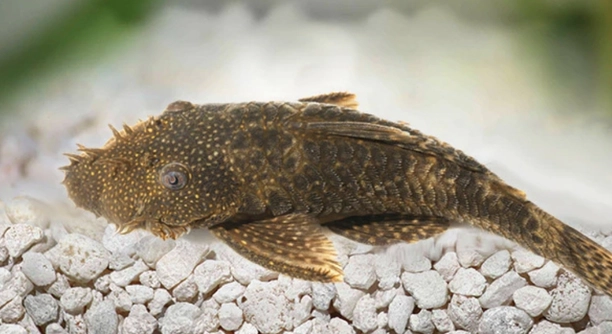
Do you ever notice your pleco suddenly swimming around more than usual? It can be surprising when a typically calm fish starts moving with unexpected energy in its tank. Observing these changes can help you understand your fish better.
A sudden increase in activity in plecos is usually linked to changes in water conditions, feeding patterns, or environmental stimuli. Monitoring temperature, water quality, and diet adjustments often explains why these fish display bursts of energy.
Knowing why your pleco becomes more active can help maintain its health. Small changes in care can make a noticeable difference in your aquarium environment.
Changes in Water Conditions
Plecos are sensitive to their environment, and even small changes in water can trigger activity. A recent water change, fluctuations in temperature, or new decorations can make them explore more. High ammonia or nitrate levels can also cause stress, prompting sudden bursts of movement. Many aquarists notice their fish become more active after cleaning the tank or adding fresh water. Adjusting pH levels or aeration can influence behavior, as plecos respond quickly to oxygen availability. Even minor changes like adding a bubbler or moving a plant can lead to unusual swimming patterns. Keeping a consistent schedule for water changes helps stabilize activity levels. Observing how your pleco reacts to different water conditions gives insight into its comfort. Monitoring water parameters weekly ensures your pleco stays healthy and active, without causing unnecessary stress or erratic behavior.
Water changes, even routine ones, can make plecos noticeably more energetic. These adjustments in their environment affect their swimming and feeding habits significantly.
Tracking water temperature, pH, and clarity is crucial. Plecos thrive in stable conditions, so monitoring and maintaining consistency prevents unnecessary stress and keeps them active for healthy growth.
Feeding and Diet Adjustments
Plecos may become active when their feeding schedule or diet changes. New food, extra treats, or increased feeding frequency can excite them. These fish are naturally drawn to fresh vegetables, algae wafers, and protein-rich snacks, so introducing any new option can trigger movement. Observing how they react to feeding times can help you understand patterns in activity. Overfeeding may cause short bursts of energy, while fasting can make them more energetic as they search for food. Changes in food type, texture, or presentation can stimulate their curiosity. Rotating vegetables like zucchini, cucumber, and spinach keeps them interested. They may also respond to the scent of protein-based foods like shrimp pellets. Tracking the pleco’s response to different diets can help prevent digestive issues while encouraging healthy activity.
Diet changes can make plecos noticeably more lively in the tank.
Proper feeding schedules, varied food types, and occasional treats support both physical health and natural activity levels. Observing their reactions helps you adjust portions and feeding methods. It also ensures they get enough nutrients without overfeeding, which can lead to water quality problems. Consistency in diet helps stabilize energy patterns, making it easier to spot unusual behavior. Additionally, providing foods that mimic their natural diet encourages foraging behaviors, keeping them mentally and physically stimulated. Over time, this reduces stress and helps maintain a balanced environment. Recognizing how diet influences activity allows you to make small adjustments to improve health, prevent obesity, and maintain an engaging tank environment. Keeping a feeding log can also help track patterns and detect early signs of problems, ensuring your pleco thrives.
Environmental Stimuli
Plecos react quickly to changes in their surroundings. Lights turning on, new tank mates, or movement outside the tank can make them more active. Even small sounds or vibrations can trigger bursts of swimming as they explore or react to the change.
Tank decorations or rearrangements often stimulate plecos. Adding caves, driftwood, or plants gives them new spaces to investigate, which can increase activity levels. They are naturally curious and will explore unfamiliar areas. Changes in tank layout may also make them feel more secure or territorial, prompting more movement. Observing their reaction helps determine what stimulates or stresses them.
Plecos also respond to external factors like nearby human activity or changes in room lighting. Sudden noises or shadows can prompt quick swimming or hiding. Over time, they adapt to regular patterns but still react noticeably to new stimuli. Providing predictable routines while introducing small changes can balance their curiosity with comfort, keeping them active without causing stress.
Breeding Behavior
Plecos may show heightened activity due to breeding instincts. Males often patrol territory, dig, or guard potential nesting sites, which increases movement around the tank. These behaviors are natural and indicate healthy, mature fish.
During breeding periods, plecos become more territorial. Males may chase other fish or rearrange substrate to prepare for egg-laying. This behavior can seem sudden if the tank environment changes slightly or if new tank mates are introduced. Females may also become more active as they explore the environment for suitable nesting areas. Observing these patterns helps differentiate normal breeding activity from stress-induced behavior.
Breeding behavior is influenced by water conditions and seasonal changes. Temperature, lighting, and diet can all trigger reproductive instincts, making plecos more active. Providing hiding spots and stable water conditions supports natural behavior and reduces stress for both males and females. Monitoring interactions with other fish ensures that territorial disputes remain minimal. Understanding breeding patterns can help you anticipate changes in activity and prepare the tank environment accordingly, promoting a balanced ecosystem.
Health Issues
Sudden activity can sometimes signal health problems. Parasites, infections, or internal discomfort may cause plecos to move more than usual. Observing other symptoms like loss of appetite, discoloration, or abnormal swimming patterns helps identify potential issues early.
Changes in behavior linked to illness often appear alongside physical signs. Rapid swimming, rubbing against surfaces, or unusual hiding can indicate stress or disease. Monitoring water quality and maintaining cleanliness reduces the risk of infections. Early detection and treatment are important to keep your pleco healthy and prevent worsening conditions.
Temperature Fluctuations
Plecos react strongly to changes in water temperature. Even a few degrees higher or lower than their preferred range can increase swimming activity. Maintaining a stable temperature supports consistent behavior and overall health.
Tank Size and Space
A crowded or small tank can make plecos more active as they search for space. Expanding swimming areas or providing hiding spots helps reduce stress and allows natural movement.
FAQ
Why is my pleco suddenly swimming nonstop?
Plecos can swim more actively due to changes in water conditions, feeding schedules, or environmental stimuli. Temperature shifts, water chemistry changes, and new tank decorations can all trigger movement. Sometimes, activity is normal exploration, while other times it may indicate stress or early signs of illness. Observing the pleco closely helps determine the reason.
Can a pleco become active at night?
Yes. Plecos are naturally nocturnal, so increased nighttime activity is normal. They may explore the tank, forage for food, or patrol their territory after lights go off. If activity is excessive during the day as well, it could indicate environmental changes or stress factors.
How does water quality affect pleco activity?
Poor water quality, including high ammonia, nitrites, or nitrates, can make plecos restless. Low oxygen levels also increase movement as they search for better conditions. Regular testing and water changes maintain a healthy environment, helping stabilize activity levels and prevent sudden bursts of energy caused by stress.
Does feeding influence pleco behavior?
Yes. Plecos often become more energetic when food is introduced. Changing diet, adding new types of vegetables, algae wafers, or protein snacks can excite them. Overfeeding may also cause temporary bursts of activity, while fasting may make them explore more in search of food. Consistent feeding schedules help regulate behavior.
Can breeding make plecos more active?
Breeding behavior significantly increases activity. Males become territorial, patrol their area, and rearrange substrate. Females explore potential nesting spots. These behaviors are normal and indicate healthy reproductive instincts. Providing hiding spots and stable conditions supports natural breeding without excessive stress.
Do plecos respond to tankmates?
Yes. Adding new fish or rearranging tankmates can trigger more swimming. Plecos are territorial and may patrol or defend their space. They also explore new areas when curious about other fish. Observing interactions ensures that territorial disputes do not lead to stress or injury.
Can temperature changes cause sudden activity?
Water temperature directly affects metabolism. Warmer water often increases activity, while cooler temperatures slow them down. Maintaining a consistent temperature suitable for plecos helps prevent stress-related movement. Sudden fluctuations can make them restless or trigger unusual behavior.
Is tank size important for pleco behavior?
Yes. Small or crowded tanks can make plecos more active as they search for space. Providing adequate swimming room and hiding spots reduces stress. Larger tanks allow natural movement, minimizing aggressive behavior and sudden bursts of energy caused by confinement.
How do I know if increased activity is a problem?
Monitor other signs like loss of appetite, unusual swimming patterns, rubbing against surfaces, or physical changes. If sudden activity comes with these symptoms, it could indicate illness or stress. Consistent observation, water testing, and proper care help identify issues early.
What can I do to calm an overactive pleco?
Ensure stable water conditions, maintain proper temperature, and provide hiding spots. Keep a regular feeding schedule and avoid sudden environmental changes. Observing behavior and adjusting tank setup gradually can reduce stress, helping your pleco settle into a calmer, healthier routine.
Can environmental enrichment cause increased activity?
Yes. Adding new plants, caves, or driftwood can stimulate exploration. Plecos are curious and enjoy investigating new elements. Enrichment encourages natural movement, but sudden changes may temporarily increase activity until they adjust to the new environment.
How often should I check my pleco’s behavior?
Daily observation is ideal. Watching swimming patterns, feeding habits, and interactions with tankmates helps detect changes early. Keeping a simple log of activity levels and environmental conditions provides insight into patterns, making it easier to address any issues promptly.
Are plecos stressed by too much light?
Bright or prolonged lighting can increase activity and stress. Plecos prefer dim environments with shaded areas. Adjusting light levels or providing hiding spots allows them to regulate activity naturally and reduces sudden bursts caused by overstimulation.
Can I use supplements to manage pleco activity?
Supplements are generally unnecessary for regulating activity unless recommended for health reasons. A balanced diet and stable water conditions are the main factors controlling energy levels. Focus on proper nutrition and environment rather than relying on additives.
Do plecos ever stop being active suddenly?
Yes. Sudden lethargy can indicate illness, poor water quality, or injury. Reduced movement combined with physical signs like discoloration or loss of appetite requires immediate attention. Quick action prevents further health decline and helps restore normal behavior.
How do I track pleco activity over time?
Keep a simple log noting feeding times, water parameters, tank changes, and swimming patterns. Photos or short videos can help compare behavior over days or weeks. Tracking activity provides a clear understanding of what affects your pleco’s movement and overall health.
Can stress from humans affect plecos?
Yes. Frequent tapping, sudden movements, or loud noises can make plecos swim more actively or hide. Minimizing disturbances and maintaining a calm environment allows them to feel secure and reduces stress-related energy bursts.
Are there signs that pleco activity is due to growth?
Young or growing plecos often explore more as they adjust to their environment. Increased swimming can be normal during development. Providing adequate space, hiding spots, and proper nutrition supports healthy growth while keeping activity at manageable levels.
How long does sudden activity usually last?
The duration varies depending on the cause. Activity triggered by environmental changes may last hours or days, while illness or breeding behaviors can persist longer. Monitoring behavior alongside water quality, feeding, and tank conditions helps determine the underlying cause.
Is it normal for plecos to be active during feeding only?
Yes. Many plecos are calm most of the day and become active around feeding time. This pattern is natural and indicates healthy appetite and awareness of their surroundings. Consistent feeding schedules reinforce predictable activity.
Can aging affect pleco activity?
Older plecos may slow down and become less active, while younger ones are more exploratory. Age-related changes are normal but still require monitoring to ensure water conditions, diet, and tank space meet their evolving needs.
Final Thoughts
Plecos are fascinating fish that often surprise us with sudden bursts of activity. These changes in behavior can be caused by many factors, from water quality and temperature to diet and tank setup. Observing your pleco closely helps you understand what is normal and what may need attention. Even small shifts in the tank environment, like adding new decorations, adjusting lighting, or introducing other fish, can make plecos swim more energetically. Over time, you start noticing patterns in their activity, which gives insight into their needs and preferences. Paying attention to these subtle signals allows you to create a stable and comfortable environment where your pleco feels secure.
Monitoring water conditions is one of the most important steps to maintaining a healthy pleco. Regular testing for pH, ammonia, nitrites, and nitrates ensures that your fish are living in a safe environment. Temperature stability also plays a major role in their behavior. Sudden fluctuations can make them restless, while a stable, suitable range promotes calm and predictable swimming patterns. Providing hiding spots, like caves, driftwood, or dense plants, allows your pleco to feel safe while exploring. Proper tank space is also essential, as overcrowding can stress your fish and lead to excessive movement or aggression. Even though it may seem minor, maintaining these basics has a big impact on your pleco’s overall well-being.
Feeding habits and diet also affect activity levels. Plecos are naturally curious and enjoy foraging for food, so changes in diet or feeding frequency can make them more energetic. Introducing vegetables, algae wafers, and occasional protein treats encourages natural behavior and keeps them mentally stimulated. Watching how your pleco reacts to feeding times or new food can help you understand their behavior better. Breeding instincts, environmental changes, and occasional stress also influence activity, and learning to recognize these patterns helps you respond appropriately. By keeping a consistent routine, maintaining stable water conditions, providing proper space, and offering varied diet options, you can ensure that your pleco remains healthy, happy, and active in a way that feels natural. Over time, you will become more attuned to your fish’s unique behavior, which makes caring for them a more rewarding and confident experience.

Hello,
If you enjoy the content that we create, please consider saying a "Thank You!" by leaving a tip.
Every little bit helps us continue crafting quality advice that supports the health, happiness, and well-being of pets around the world, for pets of all shapes, sizes, and species.
We really appreciate the kindness and support that you show us!