
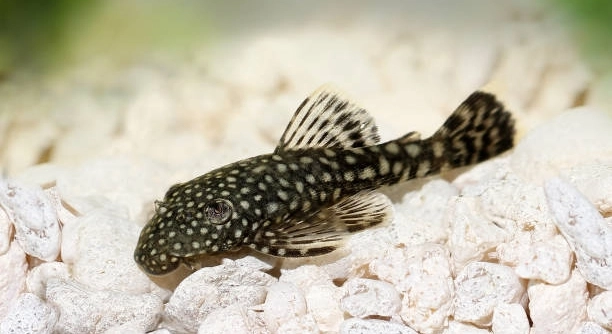
Bristlenose plecos are small, peaceful fish often kept in home aquariums. They have unique behaviors that can be confusing to new owners. Understanding their actions helps create a calm and healthy environment for these curious creatures.
Many bristlenose behaviors are often misread due to human interpretation of their natural instincts. Actions such as rasping, hiding, or fin movements serve specific purposes related to feeding, territoriality, and stress responses, which are important for their overall well-being.
Recognizing the true meaning behind these behaviors can improve care and strengthen your connection with your fish. Proper interpretation helps prevent unnecessary stress for both owner and pet.
Rasping on Surfaces
Bristlenose plecos often rasp on decorations, rocks, or glass in the tank. This behavior is not a sign of aggression or distress but a natural way for them to feed. Their mouths are designed to scrape algae and biofilm from surfaces, providing essential nutrients. Many new owners misinterpret this rasping as frantic or destructive. In reality, it is a normal and healthy activity that supports their digestive system. Observing how frequently they rasp can also give insight into their environment. If rasping seems excessive, it may indicate insufficient algae growth or an unbalanced diet. Providing supplementary foods like zucchini or algae wafers can help maintain proper nutrition. Plecos may also rasp to mark their territory, especially in tanks with multiple fish. This is a quiet, non-aggressive method of communication. Overall, rasping is a vital and harmless behavior that should be encouraged rather than discouraged.
Rasping is primarily feeding behavior and territorial marking. It reflects normal activity and contributes to the fish’s overall health and environmental awareness.
Watching your pleco interact with surfaces can be surprisingly engaging. Understanding the reasons behind rasping helps you feel more connected to your tank and ensures your fish remain content and healthy over time.
Hiding Spots
Bristlenose plecos spend a lot of time hiding in caves, driftwood, or behind plants. These spaces provide safety, reduce stress, and mimic their natural habitat. Plecos are nocturnal and more active during the night, so hiding during the day is normal. Without proper hiding spots, they may become skittish, which can affect feeding and health. Providing multiple shelters helps reduce competition if there are other tank mates. Hiding areas also give them a place to rest, which is essential for their well-being. Observing which areas are preferred can guide how you arrange your tank.
Hiding is a sign of comfort, not fear.
Allowing plecos to select their own hiding spots can improve tank harmony and reduce stress-related behaviors. They may change locations depending on the time of day, water conditions, or activity in the tank. Watching these patterns offers insight into their preferences. It also helps identify any environmental issues, such as water flow or lighting that may be causing discomfort. Proper shelter supports natural behaviors, which keeps your pleco healthier and more relaxed. Adjusting tank layout based on their habits shows attentiveness to their needs. Additionally, creating varied spaces encourages exploration and provides mental stimulation, which is important for a species that is otherwise quiet and reserved. With thoughtful placement, hiding spots enhance both the aesthetic and functionality of the aquarium.
Fin Flicking
Fin flicking is a common behavior in bristlenose plecos. It is not a sign of illness or irritation but a natural movement used for balance, communication, and sensing their environment. Observing this behavior can reveal their comfort level and interaction with other fish.
Plecos flick their fins to adjust their position in the water or to maintain stability when moving around the tank. This motion can also help them navigate tight spaces near rocks, plants, or driftwood. Fin flicking may appear frequent, but it is a normal, non-aggressive behavior. Owners often misread it as stress, but it is actually part of their daily routine and indicates alertness and mobility within their environment.
Additionally, fin flicking can serve as a subtle form of communication with other plecos. It may signal awareness of nearby fish, boundaries of territory, or readiness to explore. Observing the context of the flicks—such as during feeding or resting—can help you understand your pleco’s mood. This gentle movement contributes to their overall health and demonstrates their natural instincts, which are important to respect in a home aquarium.
Sucking on Glass
Bristlenose plecos often attach themselves to aquarium glass. This is a normal feeding habit, allowing them to scrape algae and biofilm efficiently. Frequent attachment does not indicate illness or distress but is part of their instinctive behavior.
Sucking on glass helps plecos feed without using much energy. They create a secure hold while grazing and can explore different areas without swimming constantly. This behavior also allows them to remain in one spot while observing tank activity. Plecos use their mouths to taste surfaces, and glass is just another place where algae may form. By providing smooth surfaces, you allow them to perform this natural action safely.
Glass-sucking can also serve as a way to monitor their surroundings. Plecos may adjust their position depending on light, flow, or nearby fish. Observing their patterns helps determine feeding efficiency and environmental comfort. It may also indicate preferred areas in the tank that could benefit from additional hiding spots or decorations. Allowing them to attach and rasp freely supports natural instincts and reduces stress, making the tank a more balanced habitat.
Tail Twitching
Tail twitching is a subtle but normal behavior in bristlenose plecos. It often occurs when they are adjusting their position or exploring nearby surfaces. This movement is not a sign of distress and should be seen as part of their daily activity.
Sometimes, tail twitching happens when plecos feel a slight current or obstacle in the water. It helps them maintain balance and navigate tight spaces efficiently. Watching this behavior can show you how comfortable your fish is in its environment and how it interacts with tank structures.
Nighttime Activity
Bristlenose plecos are primarily nocturnal and show increased activity during the night. They search for food, explore hiding spots, and interact more with their surroundings. This behavior is natural and essential for their health, reflecting their instincts in the wild.
Nipping at Plants
Occasional nipping at plants is normal for bristlenose plecos. They may trim leaves while grazing on algae or biofilm, which helps maintain tank cleanliness and their diet.
FAQ
Why does my bristlenose rasp so much on the tank surfaces?
Rasping is a natural feeding behavior. Bristlenose plecos scrape algae, biofilm, and leftover food from surfaces with their mouths. It helps keep them nourished and their digestive system functioning. Excessive rasping can indicate low food availability or insufficient algae growth in the tank. Providing algae wafers, vegetables, or fresh zucchini can balance their diet. It’s also common for them to rasp on decorations and glass as part of territorial marking. Watching where and when they rasp can help you identify feeding preferences and environmental comfort.
Is it normal for bristlenose plecos to hide most of the day?
Yes, hiding is a normal behavior. These fish are naturally nocturnal and spend daylight hours in caves, under driftwood, or behind plants. Hiding reduces stress, provides a sense of security, and mimics their natural habitat. Multiple shelters prevent competition and support overall well-being. Observing which areas they favor can guide tank arrangement.
Why does my pleco flick its fins constantly?
Fin flicking helps maintain balance and navigate tight spaces in the tank. It is also a subtle form of communication with other fish, signaling awareness of boundaries or nearby activity. This behavior reflects alertness and normal daily movement rather than stress. Context matters—flicking during feeding or exploring is perfectly normal.
Why is my pleco sucking on the glass?
Glass-sucking is primarily a feeding habit. It allows plecos to scrape algae and biofilm efficiently while conserving energy. It can also help them observe the surroundings and adjust to water currents or lighting. Smooth surfaces are safe for this natural behavior, and it often indicates the fish is comfortable in its environment.
Is it normal for my pleco to twitch its tail?
Yes, tail twitching is normal and usually occurs when adjusting position, sensing obstacles, or exploring nearby surfaces. It helps with balance and navigation, especially in tanks with strong currents or tight spaces. Watching twitching patterns provides insight into comfort levels and environmental interactions.
Why does my pleco become more active at night?
Bristlenose plecos are nocturnal. Nighttime activity is normal and includes feeding, exploring, and interacting with hiding spots. This pattern reflects their wild behavior and ensures proper exercise and mental stimulation. Observing them at night can reveal natural preferences and habits.
Should I be concerned when my pleco nips at plants?
Occasional nipping is normal. Plecos trim leaves while grazing on algae or biofilm, which contributes to their diet. Excessive nibbling can indicate a lack of other food sources, so supplementing with vegetables or algae wafers helps prevent damage to live plants. It’s part of their natural behavior and generally harmless.
Can rasping, fin flicking, or glass-sucking indicate illness?
These behaviors alone are not signs of illness. They are typical for bristlenose plecos. However, sudden changes in frequency, lethargy, or unusual movements combined with these behaviors may require water testing and health checks. Consistent patterns indicate a healthy, well-adjusted fish.
How can I encourage healthy behaviors in my pleco?
Provide varied hiding spots, adequate algae growth, supplementary foods, and smooth surfaces for rasping. Ensure stable water conditions and proper tank size. Observing patterns like fin flicking, tail twitching, and glass-sucking helps identify comfort levels and environmental needs. Supporting these behaviors keeps your pleco active, healthy, and stress-free.
Do plecos interact with other fish while displaying these behaviors?
Yes, plecos may use behaviors like fin flicking or rasping to communicate or establish territory with tank mates. While generally peaceful, observing interactions ensures that no fish are stressed or displaced from preferred hiding areas. Providing multiple shelters reduces potential conflict and supports natural social behavior.
How can I tell if my pleco is stressed despite normal behaviors?
Signs of stress include erratic swimming, loss of appetite, hiding in unusual places, or changes in coloration. Normal behaviors like rasping, tail twitching, or glass-sucking typically continue alongside these indicators. Maintaining water quality, consistent feeding, and proper hiding spots minimizes stress.
Can behaviors change as my pleco grows?
Yes, as plecos mature, they may adjust rasping patterns, preferred hiding spots, or activity levels. Adults often establish stronger territories and may show more deliberate movements. Monitoring these changes ensures that tank conditions continue to support their natural instincts and comfort.
How often should I observe my pleco to understand its behaviors?
Daily observation helps track patterns in feeding, hiding, and social interaction. Short, regular check-ins allow you to notice subtle changes in fin flicking, tail twitching, or rasping. This proactive approach prevents issues and ensures your pleco remains healthy and content.
Are these behaviors unique to bristlenose plecos?
While other pleco species may show similar traits, bristlenose plecos are particularly expressive with rasping, glass-sucking, and tail movements. Their small size, nocturnal habits, and calm temperament make these behaviors easy to observe and interpret, helping owners better understand their fish.
What is the best way to support my pleco’s natural instincts?
Provide adequate hiding spots, a diet with algae and vegetables, smooth surfaces for rasping, and consistent water conditions. Observing behaviors like fin flicking, tail twitching, and nighttime activity ensures their instincts are respected and encourages a healthy, low-stress environment.
How do I know if my tank setup is suitable for these behaviors?
A suitable tank includes multiple hiding areas, gentle water flow, adequate algae growth, and space for movement. Plecos should be able to rasp freely, explore decorations, and interact with the environment. Observing their natural behaviors regularly confirms that the habitat supports their well-being and comfort.
Can plecos learn to adapt behaviors to different tanks?
Yes, plecos may modify the frequency of hiding, rasping, or tail movements based on tank layout, lighting, and companions. While the behaviors themselves remain consistent, their patterns can shift. Owners who pay attention to these adjustments can improve tank design and overall fish comfort.
Do plecos need supplemental feeding if algae is abundant?
Even with abundant algae, providing occasional vegetables or algae wafers ensures balanced nutrition. Supplementing supports growth, enhances coloration, and prevents over-reliance on natural algae, which can fluctuate in quantity and quality within the tank.
Final Thoughts
Bristlenose plecos are small, peaceful fish with many behaviors that can easily be misread by new owners. From rasping on surfaces to hiding in caves, each action has a clear purpose rooted in their natural instincts. Understanding these behaviors is essential for creating a comfortable and healthy environment. Observing how they interact with the tank, other fish, and decorations provides insight into their well-being. Many times, behaviors that seem unusual or concerning are actually signs that your pleco is healthy and adjusting to its surroundings. Knowing what to look for helps prevent unnecessary worry and allows you to support your fish properly.
Providing a tank setup that respects these behaviors is key. Multiple hiding spots, smooth surfaces for rasping, and areas with sufficient algae or biofilm are all important. Plecos are nocturnal, so their activity patterns differ from many other aquarium fish. Supporting nighttime exploration and feeding helps maintain their natural rhythms. Diet is another important factor—offering a mix of vegetables, algae wafers, and occasional treats ensures proper nutrition. Observing behaviors like tail twitching, fin flicking, and glass-sucking provides clues about how your pleco is feeling and whether environmental adjustments are needed. Attention to these details keeps your pleco active, stress-free, and healthy.
It is important to remember that each pleco is an individual with its own preferences and habits. Some may spend more time hiding, while others are more active at night or more frequent in their rasping behavior. By learning these patterns and responding with proper care, you foster an environment where your fish can thrive. Regular observation, proper diet, and a well-thought-out tank layout allow you to meet their natural needs. Respecting and supporting these instincts not only helps maintain health but also strengthens the bond between you and your pleco. Over time, you may notice subtle behaviors that reveal personality traits unique to your fish. These small details make owning bristlenose plecos a rewarding experience and ensure that your aquarium remains a balanced and harmonious space.

Hello,
If you enjoy the content that we create, please consider saying a "Thank You!" by leaving a tip.
Every little bit helps us continue crafting quality advice that supports the health, happiness, and well-being of pets around the world, for pets of all shapes, sizes, and species.
We really appreciate the kindness and support that you show us!