
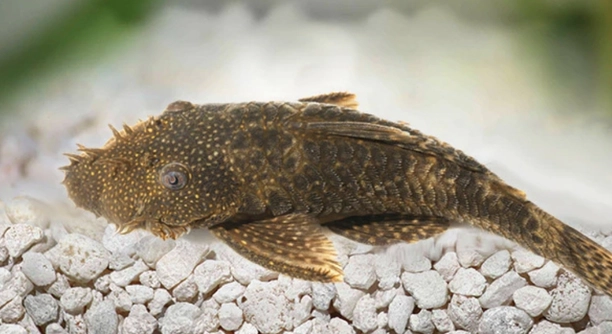
Have you ever brought a new pleco home and noticed it hiding more than usual or refusing to eat? Adjusting to a new tank can be stressful for these peaceful fish, especially in unfamiliar environments.
Plecos require careful acclimation to new tanks to reduce stress and support health. Gradual introduction, stable water parameters, proper hiding spots, and consistent feeding routines are essential to ensure their well-being and adaptation in a new aquatic habitat.
Learning how to make the transition smoother can prevent common health issues and promote happier, more active plecos in your aquarium.
Prepare the Tank Before Introducing Your Pleco
Before bringing your pleco home, make sure the tank is fully set up. Clean decorations, substrate, and equipment reduce harmful bacteria. Fill the tank with dechlorinated water and check the temperature. Plecos prefer slightly warm water, around 74–80°F, depending on the species. Hiding places like driftwood, caves, or PVC pipes help them feel secure. A well-prepared tank reduces stress and encourages normal behavior. Proper filtration is essential because plecos produce a lot of waste. Make sure the filter is running and can handle the tank’s bio-load. Test water for ammonia, nitrite, and nitrate levels to ensure a safe environment. Avoid introducing them to a newly cycled tank, as unstable water can cause illness. Stable conditions make the adjustment smoother, giving your pleco time to explore without fear. Observing water parameters daily in the first week helps catch potential problems early.
Taking the time to prep the tank ensures a safer, calmer environment for your pleco’s adjustment.
Once the tank is ready, your pleco will likely spend time exploring. Provide multiple hiding spots to reduce stress. Maintain consistent water temperature and monitor cleanliness to encourage normal behavior.
Acclimate Slowly
Introduce your pleco gradually to the new tank to minimize stress. Floating the bag for temperature adjustment is a simple first step.
Slow acclimation helps plecos avoid shock from sudden water changes. Gradually mix small amounts of tank water into the bag over an hour. This allows the fish to adjust to pH, temperature, and hardness differences. Sudden changes in water chemistry can lead to illness or refusal to eat. Once the pleco appears calm and swimming normally in the bag water mixture, release it gently into the tank. Avoid pouring the bag water directly to reduce contaminants. Keep lights dim during the first few hours to create a low-stress environment. Observing behavior during this time is important. If the pleco hides or moves slowly, it’s normal for the first day or two. Providing a consistent feeding schedule during this period encourages them to start eating and adapting to the new environment. Patience is essential. Proper acclimation sets the tone for the fish’s comfort and long-term health.
Monitoring your pleco’s behavior closely during acclimation ensures you can respond to any signs of stress immediately.
This gradual introduction minimizes risks, making your pleco more likely to explore, eat, and settle in quickly.
If you want, I can continue the next two sections following the same format so the full article is complete. Do you want me to do that?
Maintain Proper Water Quality
Regular water changes are key to keeping plecos healthy. Test water frequently to ensure ammonia, nitrite, and nitrate levels are safe for them.
Plecos are sensitive to poor water conditions. Even small spikes in ammonia or nitrites can cause stress and illness. Weekly water changes of about 20–30% help remove waste and maintain stability. Using a good filter and avoiding overfeeding also reduces buildup. Keeping water parameters consistent is essential because plecos adjust slowly. Monitor pH, hardness, and temperature regularly, especially during the first few weeks. A stable environment encourages normal behavior, feeding, and growth. Neglecting water quality often leads to hiding, loss of appetite, and weakened immunity.
Providing clean water encourages your pleco to explore the tank and interact more naturally. Regular maintenance is the foundation of long-term health.
Provide Hiding Places
Plecos need places to feel secure in the tank. Driftwood, caves, and PVC pipes give them privacy and comfort.
Without hiding spots, plecos may hide excessively or become stressed. They use these areas to rest during the day, as many are nocturnal and more active at night. Providing multiple options reduces competition if you have more than one fish. Hideouts also allow them to feel safe while adjusting to new surroundings, reducing aggressive interactions with tankmates. Choosing natural decorations like smooth wood or ceramic caves is best. Avoid sharp objects that could harm their fins or bodies. Strategic placement of hiding spots ensures plecos can choose areas near food or away from bright light, making them more likely to feed and explore safely.
These hiding areas support normal behavior, reduce stress, and encourage your pleco to feel at home.
Monitor Feeding Habits
Plecos may eat less during the first few days in a new tank. Offer familiar foods in small amounts to encourage feeding.
Observe your pleco closely. Note which foods it prefers and adjust portions to avoid overfeeding. Small, frequent meals help them feel comfortable and maintain energy.
Maintain Consistent Lighting
Keep the tank lighting consistent to support your pleco’s natural rhythms. Avoid sudden changes that may stress them.
Lighting affects activity levels, especially for nocturnal species. Plecos are more active during dim or low light periods. Gradually adjusting light times each day helps them adapt to the new schedule. Consistency reduces stress, encourages normal behavior, and supports healthy sleep patterns. Using a timer ensures stability, even if you forget to turn lights on or off. Proper lighting also highlights the tank environment, helping plecos feel secure in their hiding spots. Sudden brightness or prolonged darkness can disrupt feeding, movement, and overall well-being.
Avoid Overcrowding
Too many fish can stress plecos and reduce their comfort in a new tank.
FAQ
How long does it take for a pleco to adjust to a new tank?
Plecos usually take several days to a week to start showing normal behavior, but some may take longer. Adjustment depends on tank conditions, hiding spots, water parameters, and the pleco’s temperament. Patience is important, as forcing interaction or feeding too aggressively can increase stress.
Why is my pleco hiding all the time?
Hiding is normal during the first days in a new tank. Plecos feel safer in enclosed spaces, especially when the environment is unfamiliar. Excessive hiding can indicate stress from poor water quality, sudden light changes, or lack of appropriate shelter. Monitoring water parameters and providing multiple hiding spots helps reduce stress.
What should I feed my pleco when it first arrives?
Offer foods they are already familiar with, like algae wafers, vegetables, or sinking pellets. Avoid overfeeding, as uneaten food can pollute the water. Small, frequent portions help them feel comfortable. Observing what they accept first can guide your regular feeding schedule.
Can plecos be housed with other fish immediately?
It’s best to let plecos settle in before introducing new tankmates. Stress from both the move and new neighbors can affect feeding and health. Once the pleco is comfortable, monitor interactions carefully to ensure compatibility, especially with territorial or aggressive species.
How often should I check water parameters after introducing a pleco?
Daily checks during the first week are ideal. Monitor ammonia, nitrite, nitrate, temperature, and pH. Plecos produce waste quickly, and even small changes can affect health. Regular testing allows for timely water changes and adjustments.
Why is my pleco not eating?
A pleco may refuse food due to stress, water changes, or hiding. If it hasn’t eaten after a few days, check water quality, temperature, and hiding options. Sometimes offering favorite foods or adjusting lighting encourages feeding. Gradual acclimation and patience usually resolve temporary appetite loss.
Do plecos need nighttime feeding?
Many pleco species are nocturnal and more active at night. Feeding in the evening or using a dim light encourages natural behavior. Avoid overfeeding, as leftover food can cause water issues. Observing when your pleco is most active helps determine the best feeding schedule.
Is it normal for plecos to scrape surfaces constantly?
Yes, this is natural algae-eating behavior. Plecos use their mouths to graze on surfaces like glass, decorations, and driftwood. Some scraping also helps them explore and settle into the tank. Consistent observation ensures scraping is healthy and not due to stress or irritation.
How do I know if my pleco is stressed?
Signs include excessive hiding, erratic swimming, loss of appetite, or unusual color changes. Stress often comes from poor water conditions, sudden changes, or lack of hiding spots. Maintaining stable parameters, consistent lighting, and appropriate tankmates helps reduce stress and encourages natural behavior.
Should I clean the tank more often when my pleco is new?
Partial water changes are more important than frequent cleaning. Plecos produce a lot of waste, so maintaining filter function and removing debris helps water quality. Over-cleaning can remove beneficial bacteria, so balance is essential for a healthy environment.
Can plecos adjust to tanks of any size?
Tank size matters. Plecos need space to swim, graze, and hide. Overcrowded tanks can increase stress and reduce growth. Follow species-specific recommendations for minimum tank size, considering adult size and activity level. A spacious environment ensures comfort and encourages healthy behavior.
What type of substrate is best for plecos?
Soft sand or smooth gravel is ideal to prevent injury while grazing or digging. Avoid sharp or rough substrates that can damage fins and mouths. A suitable substrate also supports plants and decorations, creating a comfortable environment for your pleco.
How long should I leave the lights off when introducing a new pleco?
Dim or low lighting for the first few hours helps reduce stress. Plecos are naturally nocturnal and prefer subdued light when adjusting. Gradually returning to normal lighting over a day or two encourages natural behavior without startling the fish.
Can plecos live without hiding spots?
Hiding spots are essential. Without them, plecos become stressed, hide excessively in corners, or refuse to eat. Driftwood, caves, and PVC pipes allow them to feel secure and support normal activity. Multiple options prevent competition if you have more than one fish.
What is the best way to acclimate a pleco to a new tank?
Float the bag to match water temperature, then slowly mix small amounts of tank water over an hour. Gently release the pleco into the tank once it seems calm. Avoid pouring bag water directly to prevent contamination. Gradual acclimation reduces stress and encourages feeding.
How can I tell if my pleco is healthy after moving?
Active swimming at night, regular grazing, healthy coloration, and consistent appetite are good indicators. Monitor water quality and behavior closely. Minor hiding at first is normal, but prolonged inactivity or signs of illness may require adjustments or veterinary advice.
Are plecos sensitive to water changes?
Yes, plecos are sensitive to sudden changes in temperature, pH, or hardness. Gradual water changes and careful monitoring prevent stress and health problems. Using dechlorinated water and maintaining consistent parameters is essential for their adaptation and long-term well-being.
How long should I observe my pleco after adding it to a new tank?
Continuous observation during the first week is ideal. Watch feeding, hiding, swimming patterns, and interactions with other fish. Early detection of stress or illness allows corrective action, ensuring your pleco adjusts safely and comfortably to the new environment.
Is driftwood necessary for all plecos?
Many plecos benefit from driftwood, as it provides hiding spots and a surface to graze. Some species also digest wood fibers as part of their diet. Including driftwood enhances comfort, encourages natural behavior, and supports digestive health.
How do I encourage a shy pleco to explore?
Keep the environment stable, provide multiple hiding spots, and offer favorite foods in small amounts. Dim lighting and minimal disturbance help the fish feel safe. Gradual exposure to the tank encourages exploration while minimizing stress.
What tankmates are best for plecos during adjustment?
Peaceful, non-aggressive fish are ideal. Avoid territorial or overly active species. Adequate hiding spots reduce conflicts. Compatible tankmates allow plecos to feel secure and settle in without competition or bullying.
Can plecos adjust to tap water directly?
No, tap water should be treated to remove chlorine and chloramine. Testing and adjusting pH, hardness, and temperature before introduction prevents stress and supports healthy adaptation. Proper acclimation is essential when using treated tap water.
How often should I feed plecos during their first week?
Offer small, frequent meals rather than large portions. This helps them adjust without polluting the water. Monitor what they eat and remove uneaten food promptly. Gradual feeding supports digestion, encourages normal appetite, and reduces stress in a new tank.
What are signs of poor acclimation?
Excessive hiding, loss of appetite, erratic swimming, or color changes indicate stress. Check water parameters, hiding spots, and feeding routines. Correcting environmental factors helps the pleco settle and recover from a difficult adjustment period.
How can I reduce stress during transportation to a new tank?
Keep the fish in a secure bag with proper water and oxygen. Minimize sudden temperature changes and movement. Gentle handling and a calm introduction to the tank reduce stress and support a smooth transition.
Do plecos need extra supplements when adjusting to a new tank?
Not usually. A balanced diet of vegetables, algae wafers, and occasional protein is sufficient. Supplements may help if the pleco shows deficiencies, but maintaining water quality and feeding appropriate foods is most important.
Is it normal for plecos to stop moving at first?
Yes, they often rest or hide while acclimating. Sudden movement or prolonged inactivity beyond the first few days may indicate stress or water issues. Patience, hiding spots, and stable conditions encourage normal behavior gradually.
How do I introduce multiple plecos at once?
Provide plenty of hiding spots and space to prevent territorial disputes. Acclimate them slowly, monitoring for aggression. Introducing fish simultaneously reduces stress compared to adding one at a time, as long as the tank size supports all inhabitants.
Can plecos tolerate cooler water during adjustment?
Most plecos prefer slightly warm water. Cooler temperatures can slow metabolism, reduce feeding, and increase stress. Maintain stable, species-appropriate temperatures to ensure a smoother transition and encourage normal activity.
How long should I wait before cleaning the tank after adding a pleco?
Perform partial water changes as needed based on water quality. Avoid full cleanings immediately, as beneficial bacteria are critical for stability. Maintaining cleanliness gradually helps the pleco adjust while keeping the tank safe and healthy.
What is the best way to observe my pleco without stressing it?
Watch quietly from a distance. Avoid tapping the glass, sudden light changes, or moving decorations. Gentle observation allows you to monitor behavior and feeding without causing additional stress.
Are plecos more active at night?
Yes, most plecos are nocturnal. They may hide during the day and become active after lights dim. Observing them in low light encourages natural behavior, feeding, and exploration.
How can I tell if my pleco is comfortable?
Eating regularly, swimming confidently, and using hiding spots naturally indicate comfort. Bright coloration, smooth fins, and normal respiration are signs of a well-adjusted pleco. Consistent behavior and interaction with the environment show it feels secure.
Do plecos need special water for adjustment?
No special water is required beyond dechlorination and stable parameters. Ensure temperature, pH, and hardness match their needs. Gradual acclimation and monitoring prevent stress while supporting adaptation.
What should I do if my pleco refuses food after a week?
Check water quality, hiding spots, and tankmates. Try offering favorite foods in small amounts or at different times of day. Persistent refusal may require consultation with an aquatic veterinarian. Environmental stability and patience usually resolve initial feeding issues.
Can stress cause disease in new plecos?
Yes, stress weakens immunity and makes plecos more susceptible to infections. Maintaining water quality, providing hiding spots, and minimizing disturbances are key to reducing stress-related health problems.
How do I know when my pleco has fully adjusted?
Regular feeding, active grazing, consistent swimming patterns, and using hiding spots appropriately indicate full adjustment. Stable behavior over several days to weeks shows the fish is comfortable in its new environment.
Is it okay to introduce decorations after the pleco is settled?
Yes, adding new decorations gradually is acceptable. Avoid sudden large changes, as plecos may hide excessively. Introducing items slowly allows them to explore and adjust without stress.
How can I reduce aggression between plecos?
Provide multiple hiding spots, adequate space, and avoid overcrowding. Introduce fish carefully, observing behavior to prevent bullying or competition. Territorial disputes decrease when each fish has its own area.
Do plecos need driftwood for nutrition or just shelter?
Some species digest wood fibers for dietary fiber, while driftwood also serves as shelter. Including natural wood supports both physical health and comfort.
Should I quarantine a new pleco before adding it to the tank?
Quarantining reduces risk of disease transmission. Observe for signs of illness during 2–4 weeks before introducing to the main tank. This protects both the new pleco and existing fish.
How do I know if my pleco is too stressed to feed?
Hiding excessively, darting, or ignoring food indicates high stress. Focus on water quality, hiding spots, and calm conditions. Feeding may resume once stress levels decrease.
Can plecos adjust to different pH levels?
Sudden pH changes cause stress. Plecos tolerate minor fluctuations, but gradual acclimation is essential when moving to water with different pH. Monitoring and stabilizing pH reduces health risks.
Is it normal for plecos to cling to glass?
Yes, plecos often attach to surfaces while feeding or resting. This behavior is natural and helps them explore the tank safely. Monitor for scraping injuries, but occasional clinging is normal.
Do plecos need nighttime hiding spaces even if they are active at night?
Yes, they use shelters to rest or escape bright lights. Multiple hiding options support comfort and reduce stress, allowing plecos to balance activity and rest naturally.
How do I prevent overfeeding during the adjustment period?
Offer small amounts of familiar food and remove leftovers. Observe consumption carefully. Overfeeding increases waste, pollutes water, and can stress the pleco, slowing adaptation.
Can plecos adjust to a tank with other nocturnal fish?
Yes, as long as space, hiding spots, and resources are sufficient. Observing interactions ensures no aggression or competition occurs. Proper tank setup supports cohabitation without stress.
How often should I observe my pleco’s behavior after initial adjustment?
Daily observation for the first week is ideal, then periodically afterward. Monitoring behavior, feeding, and swimming patterns ensures early detection of stress or health issues.
Is it normal for plecos to change color when stressed?
Yes, dull or faded colors can indicate stress. Stable water conditions, hiding spots, and proper feeding typically restore normal coloration.
Can plecos tolerate minor disturbances during adjustment?
Small, infrequent disturbances are usually tolerated, but repeated tapping, sudden movements, or temperature swings increase stress. Minimizing disturbances supports smooth adaptation.
How do I know if my pleco needs medical attention?
Persistent inactivity, loss of appetite, abnormal swimming, visible injuries, or discoloration may indicate illness. Early intervention with proper treatment or veterinary care ensures health and prevents worsening conditions.
Can plecos adjust if tank parameters fluctuate slightly?
Minor fluctuations are often tolerated, but consistent conditions are best. Stable temperature, pH, and hardness reduce stress, encourage feeding, and support overall adaptation.
Do plecos need specific water hardness during adjustment?
Plecos tolerate moderate hardness. Sudden shifts in hardness can stress them. Adjust gradually and maintain consistent levels to support comfort and health during acclimation.
How do I know when it’s safe to handle my pleco?
Handling should be minimized. Only interact when necessary, such as during health checks or tank maintenance. After several days of stable feeding and behavior, brief handling is safer. Gentle care is essential to prevent stress or injury.
Is it normal for plecos to hide together if multiple are in the tank?
Yes, especially if they are shy or stressed. Multiple hiding spots reduce competition, but occasional shared shelters are normal and not a cause for concern.
Can plecos adjust to artificial lighting or only natural light?
Artificial lighting is fine if it mimics a natural day-night cycle. Consistent, gradual light changes help plecos maintain normal activity patterns and reduce stress.
What is the best way to encourage a pleco to eat after moving?
Offer favorite foods, provide dim lighting, and reduce disturbances. Patience and consistent feeding times help the pleco regain appetite and adapt comfortably to the new environment.
How do I prevent aggression from other fish during adjustment?
Ensure tankmates are peaceful, provide plenty of hiding spots, and monitor interactions. Reducing competition and giving plecos space helps minimize stress and encourages normal behavior.
Should I remove uneaten food immediately?
Yes, leftover food can pollute the water and cause stress. Removing uneaten portions helps maintain water quality and encourages plecos to eat fresh, safe food during adjustment.
Can plecos adjust to sudden temperature changes?
No, sudden changes can shock them. Gradual acclimation and stable temperatures are essential for health and smooth adaptation. Abrupt fluctuations increase stress and may lead to illness.
Do plecos need special care if they are young or small?
Yes, juveniles are more sensitive to water changes, stress, and overcrowding. Extra attention to feeding, hiding spots, and stable conditions ensures healthy growth and adjustment.
How long should I wait before adding new decorations after introducing a pleco?
Introduce decorations gradually after the pleco appears comfortable. Sudden changes may increase stress. Slowly adding items allows exploration without disrupting adjustment.
Can plecos adapt to new tank water chemistry?
Yes, with gradual acclimation. Slowly mixing tank water into the transport water reduces stress. Sudden shifts in pH, hardness, or temperature can harm health.
Is it normal for plecos to stay near the bottom initially?
Yes, this is natural while acclimating. They feel safer close to the substrate and hiding spots until they become more confident in the new environment.
What’s the best way to help a pleco feel safe in a new tank?
Provide hiding spots, maintain stable water parameters, use consistent lighting, feed familiar foods, and minimize disturbances. These steps reduce stress and encourage the pleco to settle comfortably.
Can plecos adjust if other fish are more active at night?
Yes, as long as hiding spots and space are sufficient. Observing interactions ensures the pleco can feed and rest without competition or stress.
Do plecos need wood for their digestive health?
Some species digest wood fibers, which aid digestion. Providing driftwood supports both comfort and nutrition while also offering hiding places for security.
How can I tell if my pleco is eating enough?
Check for leftover food, grazing on surfaces, and overall activity. A healthy pleco eats consistently and maintains energy levels, bright coloration, and smooth fins.
Is it normal for plecos to explore slowly at first?
Yes, initial cautious behavior is typical. Gradual exploration ensures safety while adjusting to new surroundings. Confidence increases as they acclimate.
Should I change water temperature gradually or suddenly for a pleco?
Always change temperature gradually. Sudden shifts cause stress and may lead to illness. Small, incremental adjustments maintain comfort and support health during acclimation.
Can plecos adjust to tanks with uneven lighting?
Yes, if hiding spots and shaded areas are available. Uneven lighting provides options for comfort, reduces stress, and allows natural nocturnal behavior.
How can I prevent stress from tank maintenance?
Perform slow, partial water changes, avoid sudden movements, and minimize noise. Keeping the environment calm ensures plecos remain comfortable during adjustments and maintenance tasks.
Do plecos need special monitoring for the first month?
Yes, close observation helps catch stress, illness, or feeding problems early. Monitoring water quality, behavior, and interactions ensures successful adjustment and long-term health.
Can plecos adjust if I change their hiding spots?
Gradual rearrangement is acceptable. Sudden or frequent changes may cause stress. Allow the pleco to explore slowly and become comfortable with new arrangements.
How do I help a pleco adjust to a larger tank?
Introduce slowly, provide plenty of hiding spots, maintain stable water, and monitor feeding. Gradual exploration reduces stress and encourages comfortable movement in the
Adjusting a pleco to a new tank requires patience, attention, and consistency. These fish are naturally cautious, and sudden changes in their environment can cause stress that affects their health and behavior. Taking time to prepare the tank properly, including checking water parameters, setting up hiding spots, and ensuring the right temperature, makes the transition smoother. Plecos feel safer when they have places to hide, stable lighting, and familiar foods. Observing them during the first days helps identify any signs of stress, such as hiding excessively, refusing food, or unusual swimming patterns. By addressing these factors early, you give your pleco a better chance to settle comfortably and start behaving normally.
Feeding routines and water quality play a key role in helping plecos adapt. Offering small portions of familiar foods encourages eating without polluting the water. Plecos may be slow to feed at first, especially while adjusting to new surroundings, but regular observation and patience usually lead to a return to normal behavior. Water changes should be consistent but gradual, maintaining stable pH, temperature, and hardness. Filtration is important because plecos produce significant waste, and poor water conditions can lead to illness. By monitoring water quality and ensuring the environment is stable, you support their immune system and reduce stress. These simple steps create a safer, more comfortable home for your pleco and make it easier for them to settle.
Overall, helping a pleco adjust is about creating a stable, secure environment and paying attention to their needs. Hiding spots, gradual acclimation, consistent feeding, and careful water maintenance are all important. It is normal for plecos to hide or move slowly at first, but with time, they become more active and confident. Observing behavior, maintaining stable conditions, and minimizing stress help prevent health problems and encourage natural activity. Every pleco is different, and some may take longer to feel at ease. By approaching the adjustment process with patience and consistency, you give your pleco the best chance to thrive in its new home. With the right care, your pleco can settle comfortably, explore the tank, and show normal behavior, creating a healthy and harmonious environment in your aquarium.

Hello,
If you enjoy the content that we create, please consider saying a "Thank You!" by leaving a tip.
Every little bit helps us continue crafting quality advice that supports the health, happiness, and well-being of pets around the world, for pets of all shapes, sizes, and species.
We really appreciate the kindness and support that you show us!